

 Pregledaj u prostoru
 Pošalji
 Podeli
 Detalji o delu

 Преузми
 Slični predmeti
 Rendgenski snimak
 Slajdovi
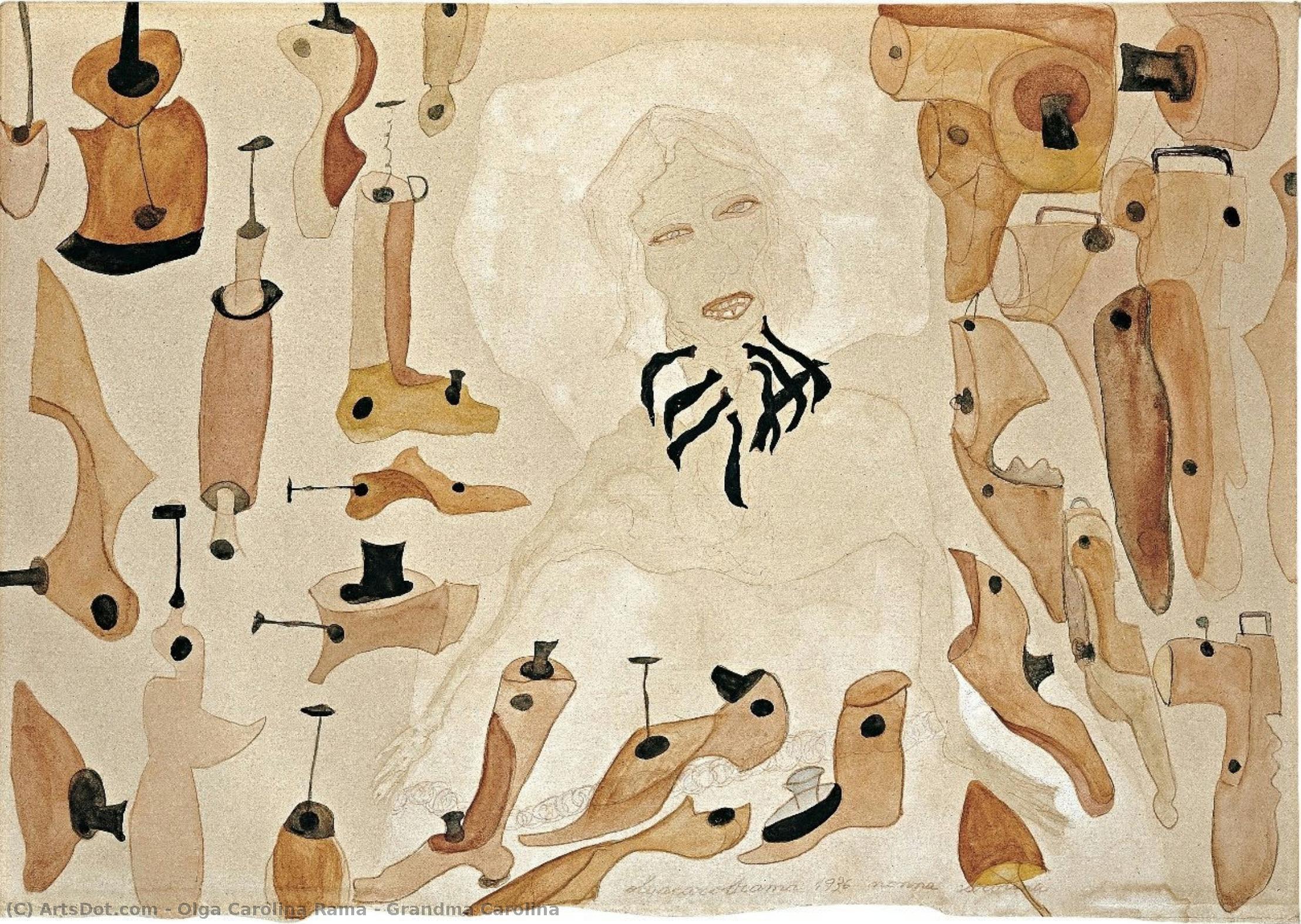
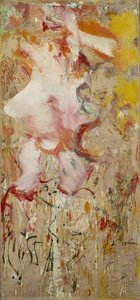
Grandma Carolina


 Pročitaj više
Ručno rađena uljana reprodukcija
Ručno oslikano uljanim bojama na platnu u dimenzijama i okviru po vašem izboru, izrađeno po porudžbini od strane naših umetnika. ( Kupi print Kupi digitalnu sliku)




P118B $10

P118H $10

P118W $10

P438Z $10

P508JH $12

P508YH $12

P805H $10

P805Z $10

P919BZ $10

P919G $10

P919XJ $10

P959ZH $10

P968JZ $12

W106C $8

W218G $10

W218JH $8

W218Y $10

W307PJ $10

W316G $10

W316PJ $8

W316Y $10

W398PJ $8

W4111J $10

W500HY $15

W500JH $15

W692G $12

W849H $8

W940BG $15

W953PJ $8




Izaberite jednu od naših unapred definisanih veličina koje odgovaraju originalnim proporcijama umetničkog dela.

Можете унети сопствене димензије како бисте прилагодили дело одређеном оквиру или простору. Ако одабрана величина не одговара пропорцијама оригинала, слика ће бити исечена или проширена додатним елементима који се ручно насликавају. Дигитални prikaz ће вам бити послат на одобрење пре почетка производње.
Имајте на уму да преглед на екрану не одражава стварно исецање или проширење. Само приказ (mockup) ће тачно приказати коначну композицију.
Иако су доступне прилагођене величине, препоручујемо да одаберете димензију из дефинисане листе како бисте сачували оригиналне пропорције.
Nakon narudžbine, tim ArtsDot.com će klijentu putem e-pošte poslati uputstva i dostaviti prikaz predloženog rešenja
Isporuka širom sveta () za 3/4 nedelje umesto uobičajenih 5 nedelja. (7 септембар). Bez kompromisa po pitanju kvaliteta.

Besplatna ekspresna dostava širom sveta

Visokokvalitetno laneno platno

Kompletno osiguranje transporta

Garancija povraćaja carine i uvoznih dažbina

Garancija vernosti boja

Politika povraćaja u roku od 100 dana (isključivo u slučaju nedostataka)

Garancija povrata novca od 100%

Popust pri grupnoj kupovini
 Opcija sa staklom dostupna je samo za dimenzije manje od 110 cm

Grandma Carolina
Tehnika reprodukcije
Dimenzije reprodukcije
-


Konačna cena
$ 263
Srodna umetnička dela
Biografija umetnika
Olga Carolina Rama: A Revolutionary Voice in Post-War Abstraction
Olga Carolina Rama, known affectionately as “Carol Rama,” was a singular figure in 20th-century art – an Italian self-taught artist who carved out a fiercely independent and profoundly provocative path. Born in Turin on April 17, 1918, into a family grappling with economic hardship following the collapse of her father’s engineering business, Rama’s early life was marked by instability and a deep connection to the asylum where her mother received treatment. This formative experience—witnessing the marginalized and unconventional within those walls—became a crucial wellspring for her artistic vision, shaping her distinctive style and challenging conventional notions of beauty and representation.
Rama’s formal training was deliberately eschewed; she believed that true art stemmed from instinct and personal experience. She began painting in her late teens, initially experimenting with watercolors on paper – a medium perfectly suited to her intimate explorations of the human form. Early works, often depicting women with startling directness and unflinching honesty, quickly established her reputation for challenging societal norms. The 1945 exhibition at the Faber Gallery in Turin, featuring these early pieces, was immediately censored by the Italian government due to their perceived obscenity, a testament to Rama’s willingness to confront taboo subjects and push artistic boundaries.
The Language of Eroticism and Trauma
Rama's art is undeniably rooted in eroticism, but it transcends simple sensuality. Her paintings are imbued with a complex blend of vulnerability, rage, and psychological intensity. She frequently depicted the female body in ways that were both unsettling and deeply moving – fragmented, distorted, and often confronting viewers with raw emotion. Influenced by Surrealist ideas, particularly those of Man Ray, she explored themes of confinement, loss, and the darker aspects of human experience. The asylum environment, where she spent countless hours observing its inhabitants, profoundly shaped her artistic language, informing her use of unsettling imagery and a fascination with the boundaries between sanity and madness.
Her technique was equally distinctive. Rama favored watercolor and oil on canvas, employing loose brushstrokes and a fluid application of color that created a sense of immediacy and spontaneity. She often layered pigments to achieve rich, textured surfaces, building up complex compositions that seemed to pulsate with inner energy. The use of color itself was deliberate – pale washes conveying vulnerability, punctuated by bold, vibrant hues representing moments of intense emotion or rebellion.
Evolution and Artistic Exploration
Following the initial censorship in 1945, Rama continued to develop her artistic practice, experimenting with various mediums and styles. In the 1950s, she became associated with the Concrete Art movement, embracing abstraction and incorporating geometric forms into her work. However, she soon returned to figurative painting, exploring new avenues of expression through “bricolages”—assemblages that combined organic materials like taxidermied eyes, nails, and tires with mechanical components and mathematical symbols. These assemblages reflected a growing interest in the intersection between art, science, and technology.
During the late 1960s and 70s, Rama’s work became increasingly influenced by Informalism, emphasizing materiality and process over traditional notions of representation. She collaborated with filmmakers Luis Buñuel and Orson Welles, further expanding her artistic horizons. Her later years saw a renewed interest in figuration, characterized by a fusion of abstraction and realism – a testament to her enduring commitment to exploring the complexities of human experience.
Legacy and Recognition
Despite facing significant obstacles throughout her career, including early censorship and relative obscurity outside Italy, Carol Rama’s work gained increasing recognition in the late 20th century. The curator Lea Vergine played a pivotal role in bringing Rama to international attention by including several of her early watercolors in the 1980 exhibition “L'altra metà dell’avanguardia” (The Other Half of the Avant-Garde). Since then, her work has been exhibited extensively around the world, and she received numerous accolades, including the Golden Lion for Lifetime Achievement at the 1983 Venice Biennale.
Rama’s legacy extends far beyond her individual achievements. She remains a pioneering figure in post-war abstraction and feminist art, inspiring artists with her fearless exploration of sexuality, trauma, and the complexities of the human psyche. Her work continues to challenge viewers to confront uncomfortable truths and embrace unconventional perspectives – a testament to her enduring power as an artist and a revolutionary voice in the history of modern art. Her retrospective at the New Museum in 2017, “Carol Rama: Antibodies,” solidified her place as a vital and influential figure in contemporary art.
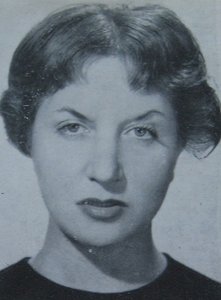
olga carolina rama
1918 - 2015 , Italy
Osnovne informacije
- Artistic Movement Or Style: Self-taught, Erotic abstraction
- Artists Or Movements Influenced By This Artist:
- Andy Warhol
- Man Ray
- Artists Who Influenced This Artist: ['Felice Casorati']
- Date Of Birth: April 17, 1918
- Date Of Death: September 25, 2015
- Full Name: Olga Carolina Rama”
- Nationality: Italian
- Notable Artworks:
- Grandma Carolina
- Compenetrazione iridescente n. 4
- Place Of Birth: Turin, Italy
Povezani članci
Edward Hopper: 25 Remek-dela Američkog Realizma za Vaš Dom | ArtsDot
Istražite 25 ремек-дела Edward Hopper-a! Otkrijte приче иза његових најпознатијих слика, симболизма америчког реализма и уметничке технике. Купите висококвалитетне репродукције на ArtsDot.com.
Egon Schiele: 25 Remek-dela Ekspresionizma za Vaš Dom | ArtsDot
Istražite 25 remek-dela Egona Schielea – ekspresionističkih portreta i slika koje odražavaju duboke emocije. Kupite reprodukcije vrhunskog kvaliteta za dekoraciju enterijera na ArtsDot.com! Otkrijte celu kolekciju online.
Amedeo Modigliani: 25 Remek-dela Italijanskog Majstora | ArtsDot
Istražite 25 remek-dela Amedea Modiglianija! Otkrijte priče iza njegovih prepoznatljivih portreta, ekspresionističkog stila i emotivnih boja. Reprodukcije slika vrhunskog kvaliteta dostupne na ArtsDot.com.
Henri Matisse: 25 Remek-dela koji definišu boju i modernu umetnost | ArtsDot
Uronite u svet Henri Matissea! Istražite 25 remek-dela Fauvizma i moderne umetnosti. Otkrijte priče iza slika, tehnike i inspiraciju slavnog francuskog slikara. Reprodukcije vrhunskog kvaliteta dostupne na ArtsDot.com.
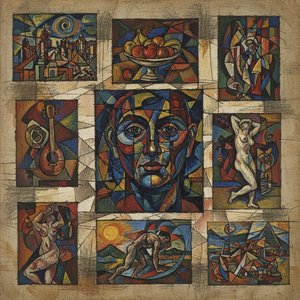
Cubist Expressionism's 10 Defining Masterpieces | Art for Your Home
Explore 10 defining Cubist Expressionism masterpieces by Picasso, Braque & more. Discover the stories behind these bold, geometric paintings and bring museum-quality art to your home with ArtsDot.com. Explore the full collection online.