

 Pregledaj u prostoru
 Pošalji
 Podeli
 Detalji o delu

 Преузми
 Slični predmeti
 Rendgenski snimak
 Slajdovi
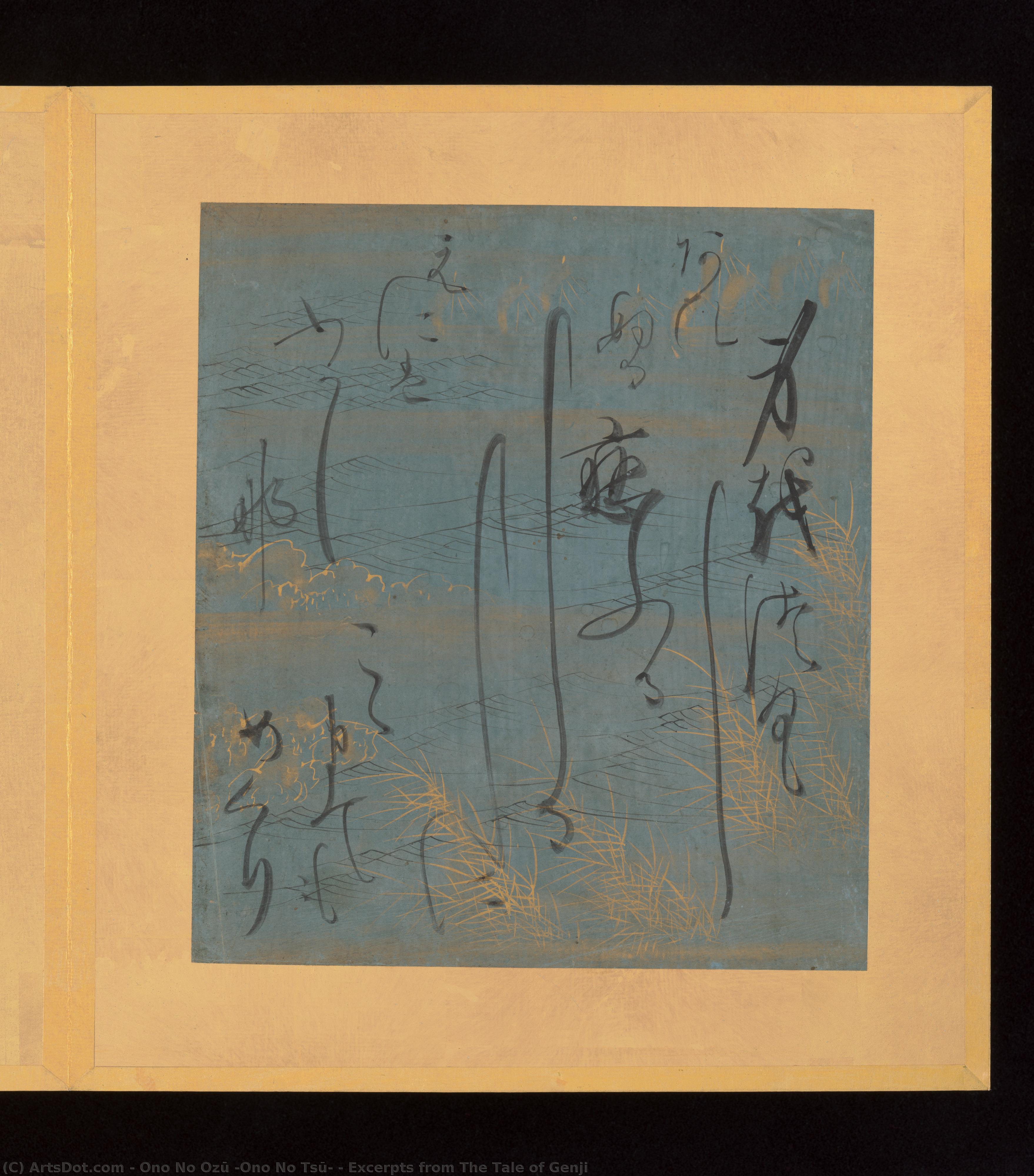
Excerpts from The Tale of Genji
 601
601 30.0cm x 54.0cm
 Pročitaj više
Kupite digitalnu sliku visoke rezolucije i poboljšanog kvaliteta, koja je znatno superiornija od onoga što vidite u online prikazu.
Svaka datoteka je pedantno pripremljena od strane naših stručnjaka koristeći napredne alate i profesionalnu ručnu retušu. Osiguravamo da svaka slika ima izuzetnu oštrinu, preciznu reprodukciju boja i fine detalje.
Konačna datoteka se dostavlja putem e-pošte u roku od 72 sata, optimizovana za neposrednu upotrebu u profesionalnim, izdavačkim i štamparskim okruženjima. To je isti kvalitet kojem veruju vrhunski studiji dizajna, izdavači i galerije.
Digitalna slika
Preuzmite datoteku visoke rezolucije za ličnu upotrebu, štampanje i kreativne projekte. ( Kupi print Kupi ručno naslikanu sliku)
Uključeno uz svaku porudžbinu digitalne slike
Profesionalna digitalna isporuka, zagarantovana
Kada odaberete ArtsDot.com, ne dobijate samo sliku – vi primate profesionalno unapređeno digitalno umetničko delo, izrađeno sa najvećom preciznošću i uz garanciju zadovoljstva. Evo svega što automatski dolazi uz vašu porudžbinu:

Brza dostava putem e-pošte
Vaša digitalna slika visoke rezolucije biće vam poslata putem e-pošte u roku od 72 sata od poručivanja – spremna za trenutnu upotrebu.

Digitalna datoteka unapređena veštačkom inteligencijom
Vaše umetničko delo je profesionalno optimizovano korišćenjem naprednih AI alata i ručne obrade, čime se osiguravaju maksimalni detalji, oštrina i preciznost boja.

Besplatna ponovna isporuka doživotno
Slučajno ste obrisali ili izgubili svoju datoteku? Ne brinite – poslaćemo vam je ponovo u bilo kom trenutku, potpuno besplatno.

Bez troškova uvoza – zauvek
Uživajte u svojim umetničkim delima trenutno, bez carine, dažbina ili troškova dostave – digitalni download je uvek bez poreza.

Garancija vernosti boja
Uz pomoć profesionalnih alata i upravljanja bojama, osiguravamo da vaša digitalna slika što vernije odražava originalne boje.

Garancija zadovoljstva u roku od 60 dana
Ako niste zadovoljni svojom digitalnom slikom, revidirat ćemo je ili vratiti 100% novca u roku od 60 dana – bez ikakvih pitanja.

100% garancija povrata novca
Niste zadovoljni? Obezbedite pun povrat novca u roku od 60 dana od trenutka kada ste primili svoju digitalnu datoteku – bez suvišnih pitanja.

Popusti na velike porudžbine
Kupite 3 slike, uštedite 10% - Kupite 5 slika, uštedite 15% - Kupite 10+ slika, uštedite 20%. Odlično za kreativne projekte, galerije i agencije.
Opis kolekcionarskog dela
Srodna umetnička dela










Biografija umetnika
A Life Immersed in Art: The World of Ono no Ozū
Ono no Ozū, also known as Ono Otsū, was a remarkable figure within the vibrant cultural landscape of 16th and 17th century Japan. Born around 1567 in Tokyo into a noble samurai family, her life unfolded during a period of significant transition—the waning years of the Azuchi-Momoyama period giving way to the Edo shogunate. While precise details surrounding her early upbringing remain elusive, it is known that she received an exceptional education in the arts, blossoming into a polymath celebrated for her mastery of calligraphy, poetry, painting, and music. This dedication wasn’t merely a pursuit of refinement; it was a path that would lead her to become one of the most esteemed female calligraphers of premodern Japan, navigating the complex world of aristocratic patronage and leaving an indelible mark on Japanese artistic traditions.Kyoto: A Crucible of Artistic Development
The heart of Ono no Ozū’s artistic development lay in Kyoto, the imperial capital and a flourishing center for cultural expression. She immersed herself in the study of painting, calligraphy—the very essence of her later renown—music, chanting, and *waka* poetry, demonstrating an exceptional aptitude across multiple disciplines. This broad foundation was crucial; it wasn’t simply about technical skill but cultivating a holistic understanding of aesthetics and the interconnectedness of various art forms. Her talent quickly drew attention within Kyoto's aristocratic circles, leading to opportunities that would shape her career. She became associated with prominent families, including the powerful Toyotomi clan, potentially serving as a lady-in-waiting or attendant. This proximity to influential figures was not uncommon for talented women of her station, offering both access to patronage and exposure to discerning audiences.Patronage and Recognition in a Changing Era
Ono no Ozū’s artistic prowess extended beyond the confines of Kyoto's elite circles. Her work garnered recognition from members of the burgeoning Tokugawa shogunate—figures like Tokugawa Ieyasu and his son, Tokugawa Hidetada. She was frequently commissioned to teach calligraphy to courtiers, a testament to her skill as both an artist and educator. This patronage was particularly significant; it signified acceptance and validation within a new political order. The transition from the Azuchi-Momoyama period to the Edo shogunate brought about shifts in artistic tastes and priorities. Ono no Ozū’s ability to thrive during this time—to maintain her relevance and secure commissions—speaks volumes about her adaptability, talent, and the enduring appeal of her work. Her signature style, often incorporating elegant brushwork and refined compositions, resonated with the aesthetic sensibilities of the era.The Enduring Legacy: Calligraphy as a Reflection of Spirit
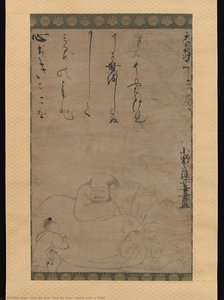
While much of Ono no Ozū’s life remains shrouded in historical ambiguity, her impact on Japanese calligraphy is undeniable. She was celebrated for her ability to infuse her work with both technical precision and emotional depth—a quality that distinguished her from many contemporaries. Her paintings, often featuring subjects like Hotei (the god of contentment), demonstrate a similar balance of skill and spiritual resonance. A prime example is “Hotei and a Child,” currently held in the Metropolitan Museum of Art’s collection, showcasing her delicate ink work and thoughtful composition. Beyond specific artworks, Ono no Ozū's legacy lies in her role as a leading female calligrapher during a period when artistic expression was often dominated by men. She paved the way for future generations of women artists, demonstrating that talent and dedication could transcend societal boundaries. Her influence continues to be felt today, inspiring scholars and artists alike to explore the rich traditions of Japanese calligraphy and the enduring power of art as a reflection of spirit and culture.Further Exploration
- Kasahara, Hisako. *The Women of the Ono House: Komachi and Ozū*. Tokyo, Kanrin Shobō, 2001.
- Ogura, Kazuha. *Ono no Ozū: The Momoyama Flower Revived from the Darkness of History*. Tokyo, Kawade Shobō Shinsha, 1994.
- Fister, Patricia. *Japanese Women Artists 1600–1900*. Lawrence, Spencer Museum of Art, University of Kansas, 1988.
ono no ozū (ono no tsū)
1567 - 1631 , Japan
Kratke činjenice
- Artistic Movement Or Style: Calligraphy, Painting
- Date Of Birth: 1567
- Date Of Death: 1631
- Full Name: Ono no Ozū (Ono no Tsū)
- Nationality: Japanese
- Notable Artworks: ['Hotei and a Child']
- Place Of Birth: Tokyo, Japan

