

 Pregledaj u prostoru
 Pošalji
 Podeli
 Detalji o delu

 Преузми
 Slični predmeti
 Rendgenski snimak
 Slajdovi
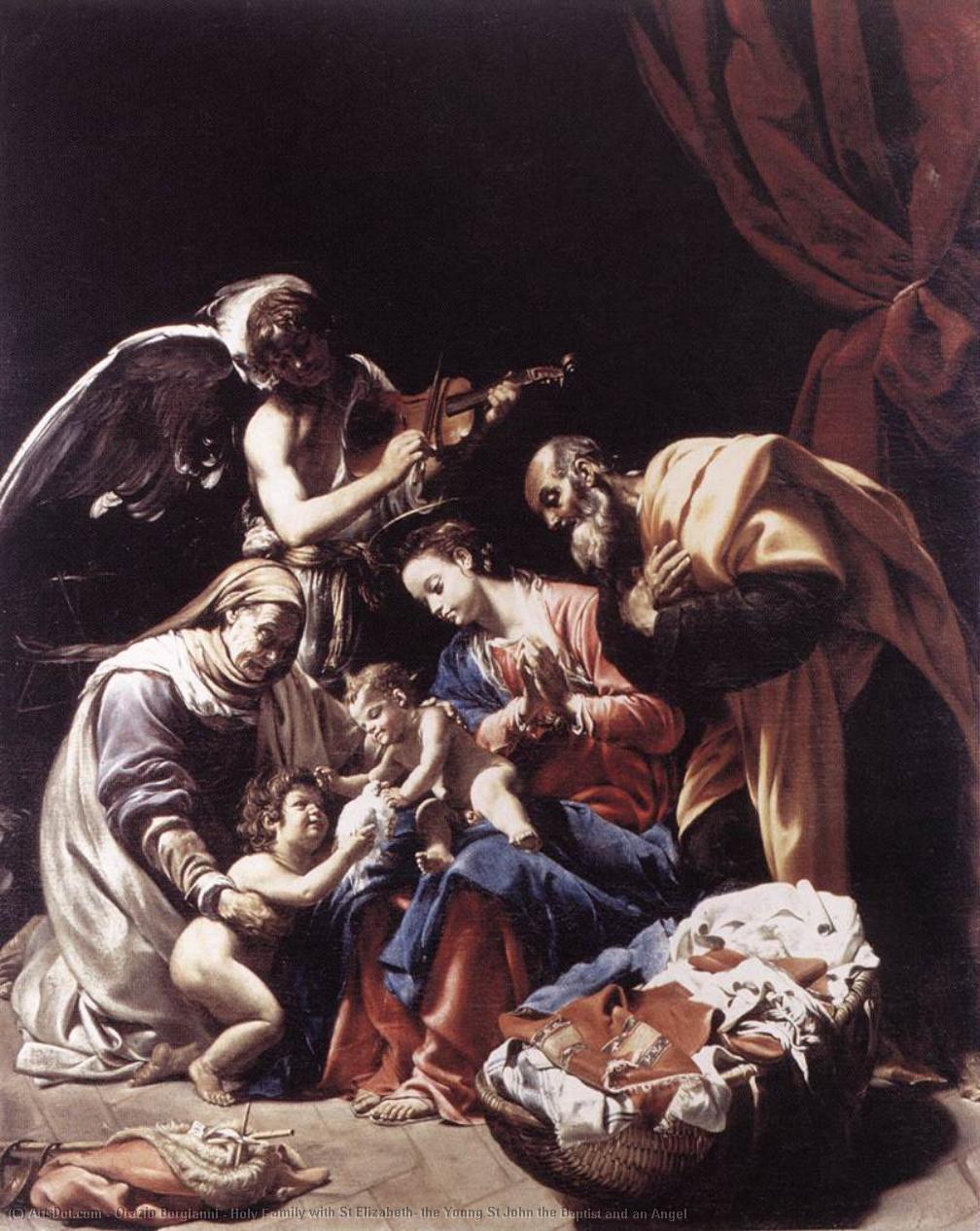
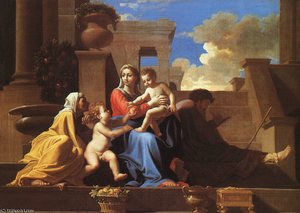
Света породица са светом Елизебетом и младом св. Иоанном Крестителем и ангелом
 Ulje na platnu
- Umetnost za zidove
- Baroque
 1609
1609 Галерея Национальная изобразительных искусств Античная
 Pročitaj više
Kupite digitalnu sliku visoke rezolucije i poboljšanog kvaliteta, koja je znatno superiornija od onoga što vidite u online prikazu.
Svaka datoteka je pedantno pripremljena od strane naših stručnjaka koristeći napredne alate i profesionalnu ručnu retušu. Osiguravamo da svaka slika ima izuzetnu oštrinu, preciznu reprodukciju boja i fine detalje.
Konačna datoteka se dostavlja putem e-pošte u roku od 72 sata, optimizovana za neposrednu upotrebu u profesionalnim, izdavačkim i štamparskim okruženjima. To je isti kvalitet kojem veruju vrhunski studiji dizajna, izdavači i galerije.
Digitalna slika
Preuzmite datoteku visoke rezolucije za ličnu upotrebu, štampanje i kreativne projekte. ( Kupi print Kupi ručno naslikanu sliku)
Uključeno uz svaku porudžbinu digitalne slike
Profesionalna digitalna isporuka, zagarantovana
Kada odaberete ArtsDot.com, ne dobijate samo sliku – vi primate profesionalno unapređeno digitalno umetničko delo, izrađeno sa najvećom preciznošću i uz garanciju zadovoljstva. Evo svega što automatski dolazi uz vašu porudžbinu:

Brza dostava putem e-pošte
Vaša digitalna slika visoke rezolucije biće vam poslata putem e-pošte u roku od 72 sata od poručivanja – spremna za trenutnu upotrebu.

Digitalna datoteka unapređena veštačkom inteligencijom
Vaše umetničko delo je profesionalno optimizovano korišćenjem naprednih AI alata i ručne obrade, čime se osiguravaju maksimalni detalji, oštrina i preciznost boja.

Besplatna ponovna isporuka doživotno
Slučajno ste obrisali ili izgubili svoju datoteku? Ne brinite – poslaćemo vam je ponovo u bilo kom trenutku, potpuno besplatno.

Bez troškova uvoza – zauvek
Uživajte u svojim umetničkim delima trenutno, bez carine, dažbina ili troškova dostave – digitalni download je uvek bez poreza.

Garancija vernosti boja
Uz pomoć profesionalnih alata i upravljanja bojama, osiguravamo da vaša digitalna slika što vernije odražava originalne boje.

Garancija zadovoljstva u roku od 60 dana
Ako niste zadovoljni svojom digitalnom slikom, revidirat ćemo je ili vratiti 100% novca u roku od 60 dana – bez ikakvih pitanja.

100% garancija povrata novca
Niste zadovoljni? Obezbedite pun povrat novca u roku od 60 dana od trenutka kada ste primili svoju digitalnu datoteku – bez suvišnih pitanja.

Popusti na velike porudžbine
Kupite 3 slike, uštedite 10% - Kupite 5 slika, uštedite 15% - Kupite 10+ slika, uštedite 20%. Odlično za kreativne projekte, galerije i agencije.
Opis kolekcionarskog dela
Holy Family with St Elizabeth, the Young St John the Baptist and an Angel
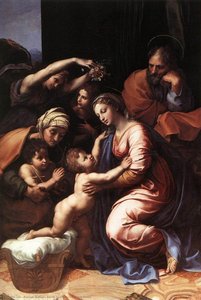
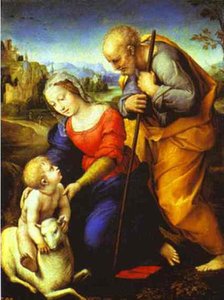
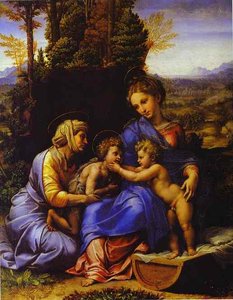
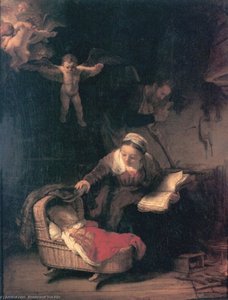
Orazio Borgianni’s “Holy Family with Saint Elizabeth, the Infant Saint John and an Angel,” painted around 1609, stands as a testament to the artistic fervor of Florence during the High Renaissance. This captivating artwork resides within the Palazzo Barberini’s collection, offering visitors a glimpse into a pivotal moment in Italian art history.
The painting immediately draws the eye with its masterful use of chiaroscuro – a technique pioneered by Caravaggio – where dramatic contrasts between light and shadow sculpt the figures and imbue them with palpable emotion. Borgianni skillfully employs oil paint on canvas, achieving remarkable textural detail that captures the delicate folds of Mary’s robe and the serene expressions of Jesus and Saint Elizabeth.
Historically, this piece reflects the prevailing artistic sensibilities of its time, heavily influenced by Raphael's compositions depicting similar sacred narratives. Borgianni consciously adopted Raphael’s stylistic approach, prioritizing clarity of form and harmonious balance. The inclusion of a violin near the center-left corner adds an element of realism to the scene, grounding it in everyday life while simultaneously elevating it to spiritual contemplation.
Beyond its technical brilliance, “Holy Family” resonates with profound symbolism. The dove hovering above Jesus represents the Holy Spirit—a divine blessing upon the infant Messiah—while Saint Elizabeth embodies humility and piety. The basket of linens at the lower right serves as a visual reminder of domestic tranquility and maternal care, themes central to Renaissance ideals.
The artist’s meticulous attention to detail extends to the rendering of light itself; Borgianni achieves an astonishing optical illusion, creating an atmosphere of ethereal beauty that transports viewers into the heart of the biblical narrative. This painting is more than just a depiction of saints—it's an embodiment of Renaissance spirituality and artistic excellence.
Its placement in the Roman convent of San Silvestro in Capite underscores its significance as a cultural treasure, preserved through centuries of history. Today, housed within the Ministry of Public Works, “Holy Family” continues to inspire admiration for its artistry and enduring message of faith.
Srodna umetnička dela
Biografija umetnika
Giorgio Vasari: The Architect of Artistic Biography
Giorgio Vasari, born in Arezzo in 1511 and tragically passing away in Florence in 1574, wasn’t merely a painter or architect; he was the pivotal figure who essentially invented the modern art historical biography. Often considered the “minister of culture” to the powerful Medici court in Florence, Vasari’s magnum opus, *The Lives of the Most Excellent Painters, Sculptors, and Architects*, remains a cornerstone of Western artistic understanding, shaping how we perceive and interpret the careers of countless artists from the Renaissance onwards. His work wasn't simply a chronicle; it was a deliberate construction of an idealized narrative, elevating Florence as the undisputed center of artistic innovation – a perspective that, while now recognized for its inherent biases, fundamentally altered the trajectory of art historical scholarship.
Vasari’s early life provided a surprisingly robust foundation for his later endeavors. Initially apprenticed to Guillaume de Marcillat, a stained-glass artist and painter in Arezzo, he received a grounding in both technical skill and humanist learning, including Latin. This early exposure to classical thought would prove crucial in shaping his approach to art history. He then moved to Florence, where he honed his skills under the tutelage of Andrea del Sarto and Baccio Bandinelli, absorbing the prevailing artistic trends of the time. Crucially, Vasari’s education extended beyond the purely visual; he was a keen observer of human nature and possessed an astute understanding of patronage and social dynamics – qualities that would later inform his biographical writing.
A Renaissance Man: Painter, Architect, and Art Historian
Vasari's career spanned diverse artistic disciplines. He excelled as both a painter and architect, contributing significantly to the aesthetic landscape of Florence during the High Renaissance. His architectural designs are particularly noteworthy, including the grand loggia of the Palazzo degli Uffizi, a masterpiece that still dominates the Florentine skyline. However, it’s his role as an art historian – specifically, the author of *The Lives* – that secures his enduring legacy. This monumental work wasn't simply a collection of artist portraits; it was a carefully constructed argument for the importance of artistic innovation and the elevation of Florence as the birthplace of Western art.
The structure of *The Lives* is itself remarkable. Vasari organized his subjects chronologically, grouping them into categories – painters, sculptors, and architects – and presenting each artist’s life alongside a detailed analysis of their works. He meticulously documented not only the artistic achievements but also the personal circumstances, struggles, and even supposed moral failings of each subject. This biographical approach, unprecedented in its scope and ambition, established a new standard for art historical writing. It's important to acknowledge that Vasari’s account is often riddled with inaccuracies and embellishments; he frequently invented details or exaggerated events to bolster his narrative. However, despite these flaws, *The Lives* remains an invaluable source of information about the Renaissance artistic world.
Influences and Artistic Style
Vasari's artistic style reflects the prevailing trends of the Mannerist period, a transitional phase between the High Renaissance and the Baroque. His paintings are characterized by a refined elegance, meticulous detail, and a sophisticated use of color and composition. While he embraced the stylistic innovations of his time – such as complex spatial arrangements and dramatic lighting – he also retained a strong sense of classical proportion and harmony. His architectural work similarly demonstrates a mastery of Renaissance principles, blending functionality with aesthetic beauty.
Vasari was profoundly influenced by several key figures. Leonardo da Vinci, for instance, held a particularly revered position in his writings, serving as a model for artistic excellence and intellectual curiosity. Michelangelo, despite Vasari’s later reservations about the sculptor's temper, also received considerable attention. Furthermore, Vasari drew inspiration from classical texts and humanist ideals, seeking to understand art within a broader cultural context. He was deeply influenced by the concept of *rinascita* (rebirth), popularized by Jules Michelet, which emphasized the revival of classical learning and artistic values during the Renaissance.
Legacy and Historical Significance
Giorgio Vasari’s impact on art history is immeasurable. His *Lives* established a precedent for biographical writing that continues to shape our understanding of artists today. He not only documented the lives of the great masters but also shaped their reputations, often elevating them to legendary status. His emphasis on Florence as the center of artistic innovation helped to solidify the city’s position as a cultural powerhouse – a narrative that has been both celebrated and critiqued over time.
Despite criticisms regarding factual inaccuracies and his inherent bias in favor of Florentine artists, Vasari remains a foundational figure in Western art history. His work provides invaluable insights into the Renaissance artistic world and continues to be studied and debated by scholars today. His legacy extends beyond the realm of art history; he is also considered one of the first cultural critics, offering a unique perspective on the relationship between art, society, and power.
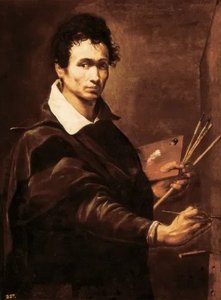
orazio borgianni
1574 - 1616 , Italy
Kratke činjenice
- Artistic Movement Or Style: Mannerism, Renaissance
- Artists Or Movements Influenced By This Artist:
- Renaissance artists
- Vasari's concept
- Artists Who Influenced This Artist:
- Guglielmo da Marsiglia
- Andrea del Sarto
- Date Of Birth: July 30, 1511
- Date Of Death: June 27, 1574
- Full Name: Giorgio Vasari
- Nationality: Italian
- Notable Artworks:
- Lives of the Most Eminent Painters...
- Tomb of Michelangelo
- Place Of Birth: Arezzo, Tuscany

