

 Pregledaj u prostoru
 Pošalji
 Podeli
 Detalji o delu

 Преузми
 Slični predmeti
 Rendgenski snimak
 Slajdovi
 Stats
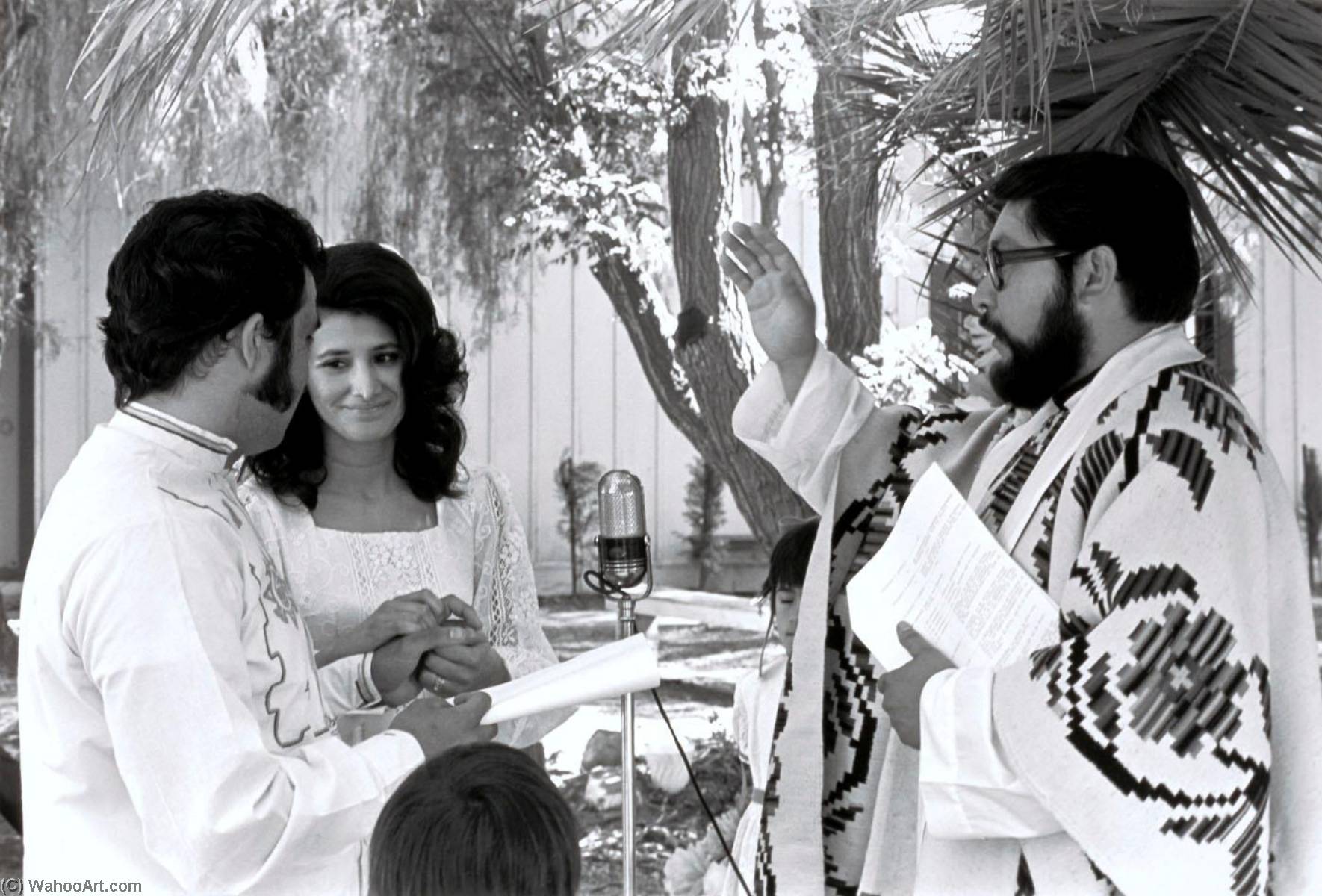
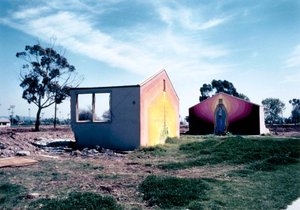
StatsWedding of Monica Medina and Gilbert Salazar, CSUN Students, in Calabasas, California
 2012
2012 43.0 x 56.0 cm
 Pročitaj više
Ručno rađena uljana reprodukcija
Ručno oslikano uljanim bojama na platnu u dimenzijama i okviru po vašem izboru, izrađeno po porudžbini od strane naših umetnika. ( Switch to Print Switch to Digital Image)




































Izaberite jednu od naših unapred definisanih veličina koje odgovaraju originalnim proporcijama umetničkog dela.

Можете унети сопствене димензије како бисте прилагодили дело одређеном оквиру или простору. Ако одабрана величина не одговара пропорцијама оригинала, слика ће бити исечена или проширена додатним елементима који се ручно насликавају. Дигитални prikaz ће вам бити послат на одобрење пре почетка производње.
Имајте на уму да преглед на екрану не одражава стварно исецање или проширење. Само приказ (mockup) ће тачно приказати коначну композицију.
Иако су доступне прилагођене величине, препоручујемо да одаберете димензију из дефинисане листе како бисте сачували оригиналне пропорције.
Nakon narudžbine, tim ArtsDot.com će klijentu putem e-pošte poslati uputstva i dostaviti prikaz predloženog rešenja
Isporuka širom sveta () za 3/4 nedelje umesto uobičajenih 5 nedelja. (8 септембар). Bez kompromisa po pitanju kvaliteta.

Besplatna ekspresna dostava širom sveta

Visokokvalitetno laneno platno

Kompletno osiguranje transporta

Garancija povraćaja carine i uvoznih dažbina

Garancija vernosti boja

Politika povraćaja u roku od 100 dana (isključivo u slučaju nedostataka)

Garancija povrata novca od 100%

Popust pri grupnoj kupovini
 Opcija sa staklom dostupna je samo za dimenzije manje od 110 cm

Wedding of Monica Medina and Gilbert Salazar, CSUN Students, in Calabasas, California
Tehnika reprodukcije
Dimenzije reprodukcije
-


Konačna cena
$ 263
Srodna umetnička dela






Biografija umetnika
Oscar R. Castillo: A Voice of the Border
Oscar R. Castillo’s work isn't merely visual; it’s a deeply felt resonance with the complexities and beauty of the borderlands – specifically, the region between McAllen, Texas, and Reynosa, Mexico. Born in 1945 to Mexican emigrant parents, Castillo’s identity is inextricably linked to this liminal space, a zone of cultural exchange, struggle, and profound human connection. His art isn't about documenting landscapes or events; it’s about embodying the spirit of that border – its contradictions, its resilience, and its quiet dignity.
Castillo’s early life was profoundly shaped by his upbringing in McAllen. Growing up immersed in both American and Mexican cultures fostered a unique perspective, one where he felt simultaneously “too American for Mexico, but too Mexican for the U.S.” This duality became a cornerstone of his artistic vision. He began seriously pursuing theater at age 14, initially drawn to the camaraderie and creative outlet it offered. His exposure to playwrights like Tanya Saracho, who would later become a prominent voice in television, ignited a passion for storytelling and shaped his approach to visual narrative. His formative years were also marked by an early fascination with film, particularly Carlito’s Way, which instilled in him a deep appreciation for the power of cinematic language and the ability of actors to embody complex characters.
The Roots of a Visual Voice
Castillo's artistic journey began with photography, initially as a way to capture the vibrant energy of his hometown. However, it was his time in the Marine Corps during the Vietnam War that truly solidified his commitment to visual storytelling. Stationed in Japan, he discovered a passion for manipulating light and shadow, experimenting with composition and capturing fleeting moments. This early exposure to photographic techniques laid the groundwork for his later development as a painter. Crucially, it was during this period that he began to document the social and political realities of the Chicano movement, creating powerful images that captured the spirit of protest and resistance.
His work from this era—often depicting rallies, demonstrations, and everyday life within the Chicano community—stands as a vital historical record. Unlike many photographers who sought to portray the movement through heroic narratives, Castillo’s photographs were raw, intimate, and unflinchingly honest. He wasn't interested in glorifying violence or celebrating victory; he wanted to capture the human cost of struggle, the quiet dignity of those fighting for their rights. These images, largely unseen during his lifetime, are now recognized as essential documents of a pivotal period in American history.
A Painter’s Palette: Influences and Technique
Castillo's transition to painting reflects a deepening engagement with Mexican culture and a desire to move beyond the constraints of photographic representation. He draws heavily from the traditions of Oaxacan painting, particularly its emphasis on vibrant color, symbolic imagery, and a sense of mysticism. His work is characterized by bold brushstrokes, rich pigments, and a deliberate layering of textures—a technique that creates a tactile quality reminiscent of traditional Mexican folk art.
However, Castillo’s style isn't simply an imitation of Oaxacan painting; it’s a unique synthesis of influences. He incorporates elements of European realism alongside the symbolism and iconography of Mexican culture, creating images that are both deeply personal and universally resonant. His use of color is particularly striking—he employs a palette of intense reds, yellows, and blues to evoke the heat and vibrancy of the borderlands, while also suggesting a sense of mystery and spirituality.
Legacy and Recognition
Oscar R. Castillo’s work has gained increasing recognition in recent years, thanks in part to the efforts of institutions like the Smithsonian American Art Museum and Pomona College's Cuentos project. His paintings are now exhibited in galleries and museums across the United States and Mexico, and his images have been featured in numerous publications. His legacy extends beyond his artistic achievements; he is also a respected educator and mentor, inspiring generations of young artists to explore their own cultural identities through visual expression.
Castillo’s art serves as a powerful reminder of the importance of preserving and celebrating diverse voices—particularly those from marginalized communities. His work challenges viewers to confront uncomfortable truths about history, identity, and social justice, while also offering a glimpse into the beauty and resilience of the human spirit. He is not just an artist; he’s a chronicler, a storyteller, and a vital voice for the borderlands.
Osnovne informacije
- Artistic Movement Or Style: Contemporary Painting
- Artists Or Movements Influenced By This Artist:
- European painting
- Nuyorican Poets Cafe
- Artists Who Influenced This Artist:
- Stevie Wonder
- Celia Cruz
- Oscar D'León
- Full Name: Oscar R. Castillo
- Nationality: Mexican-American
- Notable Artworks:
- Plaza de la Raza
- Border Stories
- Place Of Birth: El Paso, TX, USA