

 Pregledaj u prostoru
 Pošalji
 Podeli
 Detalji o delu

 Преузми
 Slični predmeti
 Rendgenski snimak
 Slajdovi
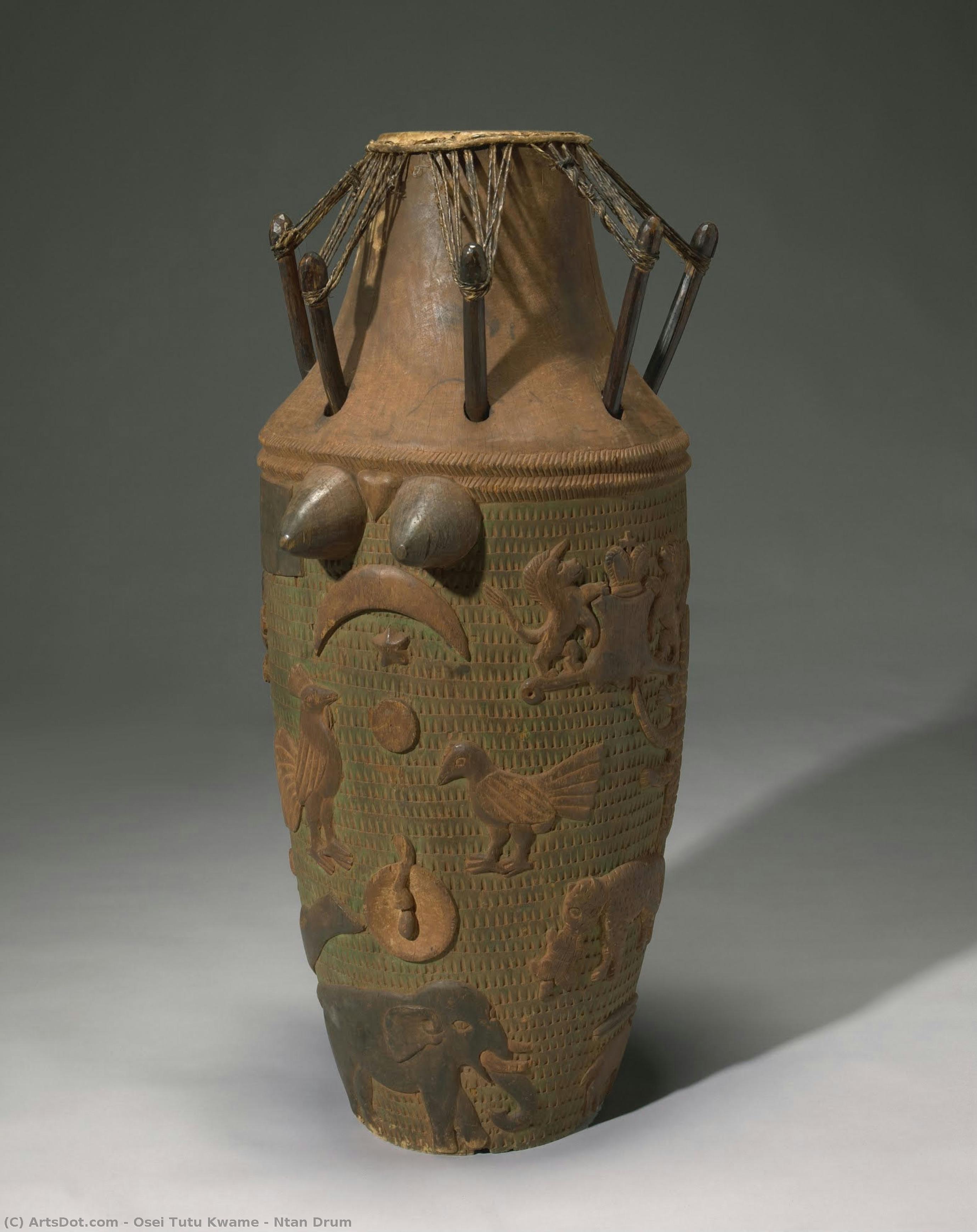
Ntan Drum

 Pročitaj više
Ručno rađena uljana reprodukcija
Ručno oslikano uljanim bojama na platnu u dimenzijama i okviru po vašem izboru, izrađeno po porudžbini od strane naših umetnika. ( Kupi print Kupi digitalnu sliku)




































Izaberite jednu od naših unapred definisanih veličina koje odgovaraju originalnim proporcijama umetničkog dela.

Можете унети сопствене димензије како бисте прилагодили дело одређеном оквиру или простору. Ако одабрана величина не одговара пропорцијама оригинала, слика ће бити исечена или проширена додатним елементима који се ручно насликавају. Дигитални prikaz ће вам бити послат на одобрење пре почетка производње.
Имајте на уму да преглед на екрану не одражава стварно исецање или проширење. Само приказ (mockup) ће тачно приказати коначну композицију.
Иако су доступне прилагођене величине, препоручујемо да одаберете димензију из дефинисане листе како бисте сачували оригиналне пропорције.
Nakon narudžbine, tim ArtsDot.com će klijentu putem e-pošte poslati uputstva i dostaviti prikaz predloženog rešenja
Isporuka širom sveta () za 3/4 nedelje umesto uobičajenih 5 nedelja. (3 септембар). Bez kompromisa po pitanju kvaliteta.

Besplatna ekspresna dostava širom sveta

Visokokvalitetno laneno platno

Kompletno osiguranje transporta

Garancija povraćaja carine i uvoznih dažbina

Garancija vernosti boja

Politika povrata u roku od 60 dana (samo u slučaju nedostataka)

Garancija povrata novca od 100%

Popust pri grupnoj kupovini
 Opcija sa staklom dostupna je samo za dimenzije manje od 110 cm

Ntan Drum
Tehnika reprodukcije
Dimenzije reprodukcije
-


Konačna cena
$ 263
Srodna umetnička dela







Biografija umetnika
Osei Tutu Kwame: The Whale King and the Sculptor of Ashanti Spirit
Born in Accra, Ghana, in 1779 – a time of burgeoning power for the Asante people – Osei Tutu Kwame (later known as Osei Bonsu) emerged from humble beginnings to become one of the most pivotal figures in 19th-century West African history. More than just a king, he was a military strategist, a shrewd diplomat, and ultimately, the architect who halted British expansionism along the Gold Coast, securing a period of relative independence for his kingdom. His life story is interwoven with war, diplomacy, and a profound understanding of Akan symbolism, culminating in a legacy that continues to resonate today.
Osei Tutu’s early years were marked by strategic maneuvering within the complex political landscape of Asante society. He served as an advisor and military officer under his half-brother, Osei Kwame, the previous paramount chief. However, it was after Osei Kwame's death that Osei Tutu seized the opportunity to consolidate power, skillfully navigating internal rivalries and uniting the disparate Asante states under a single banner. This unification wasn’t merely political; it was deeply rooted in Akan cosmology. The name “Bonsu,” meaning ‘whale,’ chosen by Osei Tutu upon assuming the Golden Stool, carried immense symbolic weight. The whale, the largest creature of the sea, represented his ambition to extend Asante influence and power to encompass the entire coastal region – a bold declaration of intent that foreshadowed decades of conflict and ultimately, strategic alliances.
Osei Tutu’s reign was defined by military campaigns against both the Fante confederation and the Gyaman people. The wars with the Fante, beginning in 1806, were particularly significant. These conflicts weren't simply about territorial expansion; they were a calculated move to establish Asante dominance over trade routes along the Gold Coast. The victory at Anomabu in 1807, where British forces suffered a decisive defeat, marked a turning point, demonstrating Asante military prowess and effectively halting British ambitions for immediate control of the region. Later campaigns against the Gyaman further solidified Asante’s position as the dominant power in the area.
However, Osei Tutu's legacy extends beyond battlefield victories. He was a master diplomat, recognizing that sustained power required more than just military strength. His engagement with the British, culminating in the Treaty of Cape Coast in 1817, demonstrated his astute understanding of international relations. While initially wary of European influence, he skillfully negotiated terms that allowed for trade while safeguarding Asante sovereignty – a delicate balance that proved crucial to the kingdom’s survival in the face of growing colonial pressure. The arrival of Joseph Dupuis and the subsequent ratification of another treaty in 1824 further cemented this strategic approach.
The Art of a King: Osei Bonsu as Sculptor
While often remembered primarily for his military leadership, Osei Tutu Kwame’s life was also profoundly shaped by art. Following the tradition of Asante royalty, he became a skilled sculptor, inheriting and developing the artistic techniques passed down through generations. He wasn't merely a patron of the arts; he actively participated in the creation of objects that symbolized power, spirituality, and the continuity of his kingdom.
Osei Bonsu’s sculptures are characterized by their intricate detail, vibrant colors, and deep symbolic meaning. He primarily worked with wood, employing traditional Asante carving techniques to create a wide range of ceremonial objects – from elaborate sword hilts and flywhisks to intricately carved stools and staffs. His work was deeply intertwined with the religious beliefs and practices of the Asante people, reflecting their cosmology and social hierarchy. The creation of the Golden Stool itself is often attributed to him, solidifying his role as a central figure in Asante spirituality.
His later years saw him traveling to the United States, showcasing his artistic talent at the Smithsonian Institution’s Festival of American Folklore in 1975 and 1976. This international exposure brought attention to the rich artistic traditions of Ghana and provided a platform for Osei Bonsu's work to be appreciated by a wider audience. His sculptures are now housed in prestigious collections around the world, including the British Museum and the Fowler Museum at UCLA, serving as tangible reminders of his legacy as both a warrior king and a master craftsman.
Symbolism and Legacy
Osei Tutu Kwame’s life is replete with symbolism. The name “Bonsu,” or ‘whale,’ remains perhaps the most potent symbol of his reign – representing not only military power but also the ambition to extend Asante influence across the entire coastal region. The Golden Stool, a central object in Asante culture and believed to embody the spirit of the nation, was closely associated with Osei Tutu’s leadership. The intricate carvings he produced further reinforced these symbols, serving as visual representations of Asante power, spirituality, and identity.
His impact on Ghanaian history is undeniable. He successfully resisted British expansionism for decades, providing a crucial buffer against colonial encroachment. He established a strong centralized government, fostered economic growth through trade, and solidified the cultural identity of the Asante people. While his reign was marked by conflict and warfare, it ultimately laid the foundation for the powerful and independent kingdom that would emerge in the 19th century. Osei Tutu Kwame’s legacy continues to be celebrated as a symbol of Ghanaian resilience, strategic leadership, and artistic achievement.
A Continuing Influence
Osei Tutu Kwame's story is not simply one of kings and battles; it’s a testament to the enduring power of Akan culture and tradition. His influence can still be felt in contemporary Ghana, where his achievements are remembered through historical accounts, cultural celebrations, and artistic representations. The Ntan Drum, prominently featured in Asante ceremonies, serves as a direct link to his era, echoing the rhythms of his reign and reminding Ghanaians of their rich heritage. The legacy of Osei Tutu Kwame – the ‘whale king’ – continues to inspire generations with his vision of strength, diplomacy, and artistic excellence.
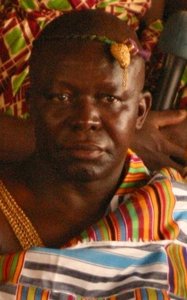
osei tutu kwame
1779 - 1824 , Ghana
Osnovne informacije
- Artistic Movement Or Style: Ashanti carving
- Artists Or Movements Influenced By This Artist: ['Ashanti art']
- Artists Who Influenced This Artist: ['Okomfo Anokye']
- Date Of Birth: 1779 Accra, Ghana
- Date Of Death: 1824 Kumasi, Ghana
- Full Name: Osei Tutu Kwame
- Nationality: Ghanaian
- Notable Artworks:
- Ntan Drum
- Golden Stool
- Place Of Birth: Accra, Ghana

