

 Pregledaj u prostoru
 Pošalji
 Podeli
 Detalji o delu

 Преузми
 Slični predmeti
 Rendgenski snimak
 Slajdovi
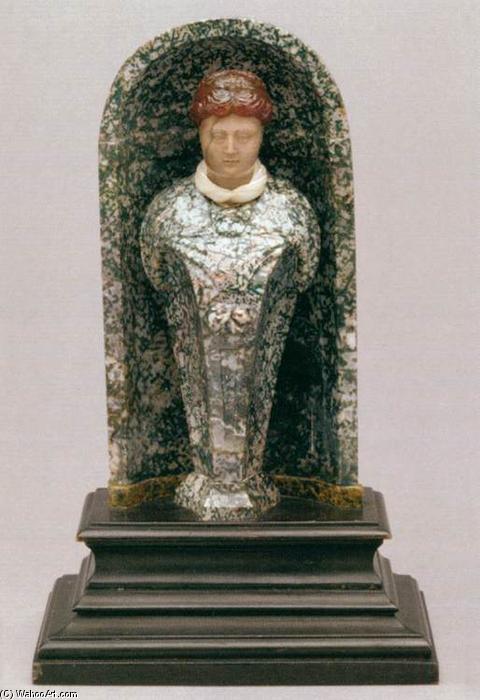
Hermin u niši


 Pročitaj više
Ručno rađena uljana reprodukcija
Ručno oslikano uljanim bojama na platnu u dimenzijama i okviru po vašem izboru, izrađeno po porudžbini od strane naših umetnika. ( Kupi print Kupi digitalnu sliku)




P118B $10

P118H $10

P118W $10

P438Z $10

P508JH $12

P508YH $12

P805H $10

P805Z $10

P919BZ $10

P919G $10

P919XJ $10

P959ZH $10

P968JZ $12

W106C $8

W218G $10

W218JH $8

W218Y $10

W307PJ $10

W316G $10

W316PJ $8

W316Y $10

W398PJ $8

W4111J $10

W500HY $15

W500JH $15

W692G $12

W849H $8

W940BG $15

W953PJ $8




Izaberite jednu od naših unapred definisanih veličina koje odgovaraju originalnim proporcijama umetničkog dela.

Можете унети сопствене димензије како бисте прилагодили дело одређеном оквиру или простору. Ако одабрана величина не одговара пропорцијама оригинала, слика ће бити исечена или проширена додатним елементима који се ручно насликавају. Дигитални prikaz ће вам бити послат на одобрење пре почетка производње.
Имајте на уму да преглед на екрану не одражава стварно исецање или проширење. Само приказ (mockup) ће тачно приказати коначну композицију.
Иако су доступне прилагођене величине, препоручујемо да одаберете димензију из дефинисане листе како бисте сачували оригиналне пропорције.
Nakon narudžbine, tim ArtsDot.com će klijentu putem e-pošte poslati uputstva i dostaviti prikaz predloženog rešenja
Isporuka širom sveta () za 3/4 nedelje umesto uobičajenih 5 nedelja. (20 август). Bez kompromisa po pitanju kvaliteta.

Besplatna ekspresna dostava širom sveta

Visokokvalitetno laneno platno

Kompletno osiguranje transporta

Garancija povraćaja carine i uvoznih dažbina

Garancija vernosti boja

Politika povrata u roku od 60 dana (samo u slučaju nedostataka)

Garancija povrata novca od 100%

Popust pri grupnoj kupovini
 Opcija sa staklom dostupna je samo za dimenzije manje od 110 cm

Hermin u niši
Tehnika reprodukcije
Dimenzije reprodukcije
-


Konačna cena
$ 263
Opis umetničkog dela
Herm in a Niche: A Bohemian Baroque Masterpiece
Ottavio Miseroni’s “Herm in a Niche” stands as a testament to the audacious spirit of Bohemian Baroque, capturing the essence of artistic innovation and emotional depth within a meticulously crafted terracotta sculpture. Born in Milan during the turbulent period of Mannerist influence, Miseroni swiftly established himself as Rudolf II’s court sculptor in Prague—a pivotal moment that propelled him into the spotlight of European art history. Despite scarce biographical details, his legacy is undeniable: breathtaking sculptures imbued with fantastical imagery and profound narrative complexity.A Bold Departure from Tradition
Unlike the prevailing stylistic trends of his time, Miseroni rejected strict realism, prioritizing expressive emotion and layered storytelling over meticulous detail. His distinctive approach—characterized by depictions of animals, ships, and human figures—represented a daring challenge to established sculptural conventions. This wasn’t merely about replicating form; it was about conveying feeling, inviting contemplation, and transporting the viewer into another realm. He skillfully blended influences from Mannerism with emerging Baroque sensibilities, resulting in a style that is both intellectually stimulating and visually arresting.The Sculpture's Composition: Marble Tiles and Fantastical Dichotomy
The sculpture’s setting—a decorative niche adorned with moss agate, carnelian, jasper, and mother of pearl tiles—further amplifies its artistic impact. These intricately patterned tiles, reminiscent of classical motifs or perhaps inspired by the natural world, serve as a grounding element against which Miseroni's fantastical figures emerge. The architectural niche itself emphasizes the duality inherent in the sculpture’s subject matter: the hermaphrodite – a concept central to Renaissance humanist thought – embodying both masculine and feminine qualities simultaneously. This deliberate juxtaposition speaks volumes about the artist’s preoccupation with philosophical ideas alongside aesthetic beauty.Technique and Craftsmanship: Commesso Method
Miseroni's mastery is evident in his masterful execution of the commesso method—a technique that combines various types of stones into a single relief surface, creating a rich tapestry of textures and colors. This meticulous process demanded considerable skill and patience, resulting in surfaces that are remarkably smooth and lifelike. The sculptor’s attention to detail extends beyond mere form; he painstakingly rendered facial features and poses with remarkable accuracy, capturing subtle nuances of expression that convey the sculpture's emotional core.Symbolism and Emotional Resonance
“Herm in a Niche” transcends its formal qualities, resonating with deeper symbolic meanings rooted in humanist philosophy. The hermaphrodite figure represents not only physical duality but also intellectual harmony—the reconciliation of opposing forces into a unified whole. Miseroni’s sculpture invites viewers to consider questions of identity, balance, and the interconnectedness of male and female energies – themes that continue to captivate audiences centuries later. It's a piece designed to provoke thought and inspire wonder, cementing Miseroni’s place as one of the most visionary sculptors of his era.A Reproduction Worth Admiring
Available as a high-quality giclee print from ArtsDot.com, “Herm in a Niche” allows you to bring this extraordinary artwork into your home or office—preserving its beauty and conveying its profound artistic spirit. Explore the Kunsthistorisches Museum’s collection for inspiration!Srodna umetnička dela
Biografija umetnika
The Visionary Sculptor of the Bohemian Baroque
Ottavio Miseroni (1567–1624) stands as a singular, luminous figure in the artistic landscape of the late 16th and early 17th centuries. Born in Milan, he emerged from a prestigious lineage of artisans—the Miseroni family, whose reputation for lapidary excellence and goldsmithing stretched back through generations of Milanese masters. While his roots were firmly planted in the humanist traditions of Renaissance Italy, his creative spirit found its true home in the imperial splendor of Prague. As a court sculptor to Holy Roman Emperor Rudolf II, Miseroni became a pivotal architect of a new aesthetic, one that bridged the lingering, sophisticated tensions of Mannerism with the burgeoning, theatrical fervor of the Baroque.
His life and work represent a fascinating cultural migration, carrying the refined techniques of the Italian peninsula to the heart of Bohemia. In the intellectual crucible of Rudolfine Prague, an era defined by fervent patronage and an obsession with the fantastical, Miseroni flourished. He did not merely create objects; he crafted miniature worlds. His mastery of terracotta allowed him to transcend the rigid boundaries of classical sculpture, moving toward a style that prioritized emotional resonance and narrative complexity over strict anatomical realism. This transition marked a decisive rupture from the idealized Greco-Roman forms of his predecessors, favoring instead a dreamlike quality that captured the imagination of the European nobility.
A Mastery of Form and Fantasy
The essence of Miseroni’s genius lies in his ability to breathe life into clay through extraordinary imaginative grandeur. His repertoire was remarkably diverse, often featuring subjects that seemed plucked from the realms of myth and exploration. He possessed a unique talent for transforming humble terracotta into vessels of profound symbolic weight. To observe his work is to witness a dialogue between the tangible and the allegorical:
- The Natural World: His sculptures frequently featured animals imbued with deep symbolic significance, ranging from the regal power of lions to more whimsical, fantastical creatures that populated the courtly imagination.
- Maritime Ambition: Through his intricate depictions of ships, Miseroni captured the era's spirit of discovery and the boundless ambition of an age of exploration.
- Human Emotion: In works such as “Herm in a Niche,” he demonstrated a profound ability to render human figures with palpable psychological depth, using the medium to convey contemplation, faith, and even melancholy.
Technically, Miseroni was a master of texture and detail. He utilized the malleability of terracotta to achieve a level of intricacy that rivaled the metalwork of his family's famous workshops. His ability to manipulate low relief and create polished, smooth surfaces allowed him to play with light and shadow, much like a painter, adding a sense of movement and dynamism to even his most static compositions.
Legacy and Historical Significance
The historical significance of Ottavio Miseroni extends far beyond the borders of Bohemia. He was a key protagonist in the development of a pan-European style that would eventually define the Baroque era. By integrating the intellectual rigor of Milanese humanism with the dramatic, emotive requirements of the Imperial court, he helped forge an artistic language that spoke to both the intellect and the senses. His work served as a vital vehicle for conveying imperial authority and religious devotion, making his sculptures essential components of the visual propaganda used by the Habsburgs.
Though much of his biographical detail remains shrouded in the mists of time, his legacy is indelibly etched into the great collections of the world. From the “Bowl in the Form of a Lion Skin” to his celebrated maritime vessels, Miseroni’s creations continue to captivate modern audiences with their whimsical elegance and technical brilliance. He remains a testament to the power of artistic innovation—a sculptor who took the traditions of his ancestors and reshaped them into something entirely new, vibrant, and eternally enchanting.
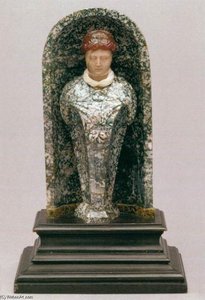
ottavio miseroni
1567 - 1624 , Italy
Osnovne informacije
- Artistic Movement Or Style: Bohemian Baroque
- Artists Or Movements Influenced By This Artist: ['']
- Artists Who Influenced This Artist: ['']
- Date Of Birth: 1567
- Full Name: Ottavio Miseroni
- Nationality: Italian
- Notable Artworks:
- Herm in a Niche
- Bowl in the Form of a Lion Skin
- Bowl in the Form of a Ship
- Place Of Birth: Milan, Italy
Povezani članci

Bronze Sculptures That Defined Art History | ArtsDot
Journey through art history with our Top 10 bronze sculptures! Explore masterpieces by Rodin, Michelangelo & more. Discover stories behind iconic statues and find museum-quality reproductions for your home decor at ArtsDot.com.

The Enduring Form: Exploring Themes & Techniques in Sculpture Across Historical Periods
Explore the rich history of sculpture from ancient masterpieces to contemporary innovations. Discover key techniques, influential artists & investment potential for discerning art collectors.
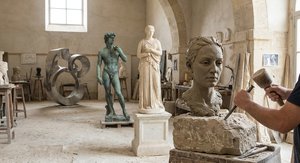
The Enduring Form: Sculpture Across History, Technique & Emotional Resonance
Explore the rich history of sculpture with ArtsDot. Discover key techniques, influential artists & investment potential for discerning collectors. Expert insights into valuing and collecting timeless masterpieces.

Bronze Age to Modern Masters: 10 Sculptures That Redefined Art | ArtsDot
Journey through art history with 10 legendary bronze sculptures – from Michelangelo's David to Rodin’s Thinker. Explore the stories, techniques & timeless beauty of these masterpieces. Find museum-quality reproductions & elevate your home decor on ArtsDot.com.

Theatricality & Triumph: Baroque Drama in Painting & Sculpture
Explore the dramatic world of Baroque art! Discover its history, defining characteristics, & lasting influence on painting & sculpture. Expert insights into Caravaggio, Zurbarán, and Bernini – plus high-quality reproductions at ArtsDot.

