

 Pregledaj u prostoru
 Pošalji
 Podeli
 Detalji o delu

 Преузми
 Slični predmeti
 Rendgenski snimak
 Slajdovi
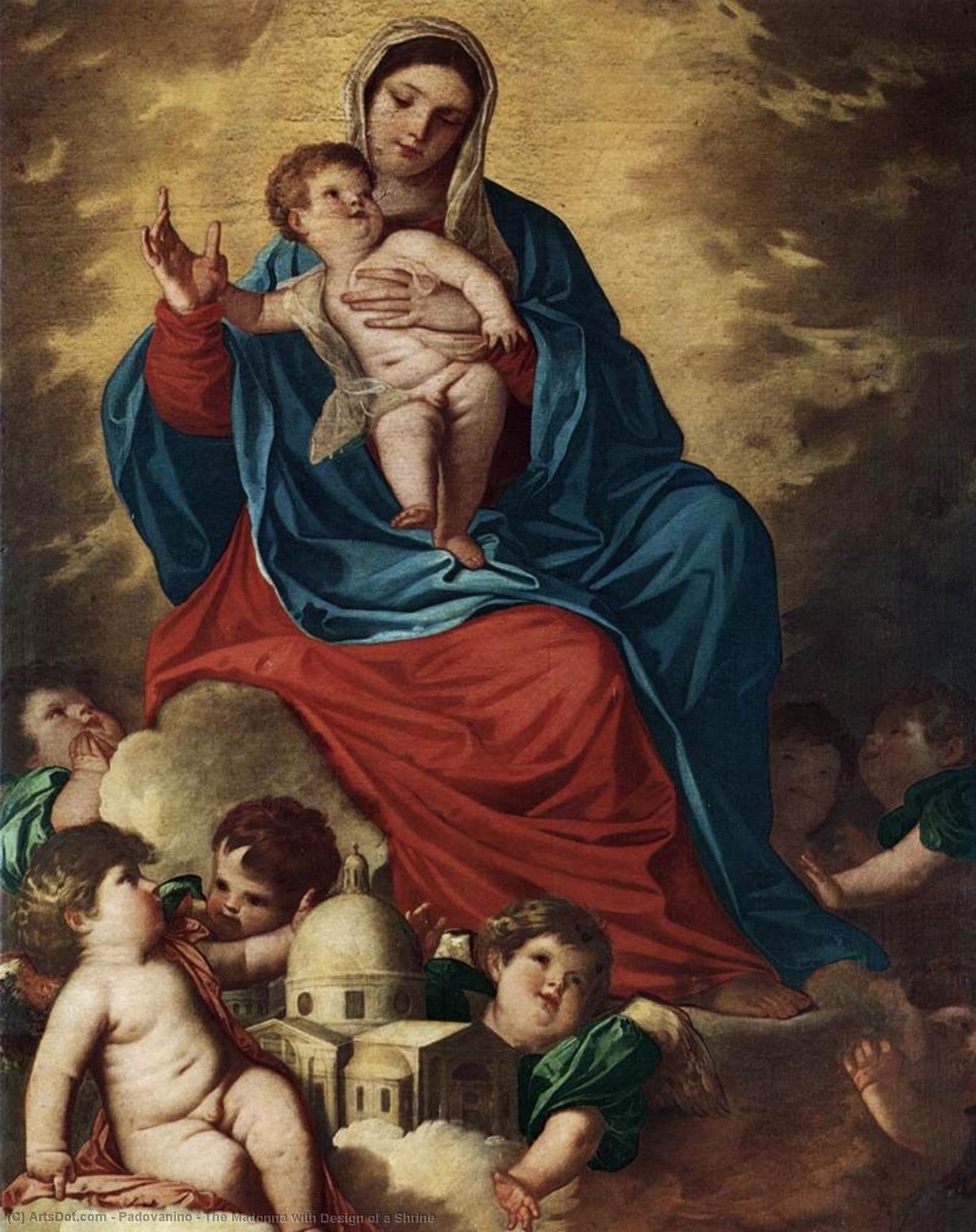
The Madonna with Design of a Shrine


 Pročitaj više
Kupite digitalnu sliku visoke rezolucije i poboljšanog kvaliteta, koja je znatno superiornija od onoga što vidite u online prikazu.
Svaka datoteka je pedantno pripremljena od strane naših stručnjaka koristeći napredne alate i profesionalnu ručnu retušu. Osiguravamo da svaka slika ima izuzetnu oštrinu, preciznu reprodukciju boja i fine detalje.
Konačna datoteka se dostavlja putem e-pošte u roku od 72 sata, optimizovana za neposrednu upotrebu u profesionalnim, izdavačkim i štamparskim okruženjima. To je isti kvalitet kojem veruju vrhunski studiji dizajna, izdavači i galerije.
Digitalna slika
Preuzmite datoteku visoke rezolucije za ličnu upotrebu, štampanje i kreativne projekte. ( Kupi print Kupi ručno naslikanu sliku)
Uključeno uz svaku porudžbinu digitalne slike
Profesionalna digitalna isporuka, zagarantovana
Kada odaberete ArtsDot.com, ne dobijate samo sliku – vi primate profesionalno unapređeno digitalno umetničko delo, izrađeno sa najvećom preciznošću i uz garanciju zadovoljstva. Evo svega što automatski dolazi uz vašu porudžbinu:

Brza dostava putem e-pošte
Vaša digitalna slika visoke rezolucije biće vam poslata putem e-pošte u roku od 72 sata od poručivanja – spremna za trenutnu upotrebu.

Digitalna datoteka unapređena veštačkom inteligencijom
Vaše umetničko delo je profesionalno optimizovano korišćenjem naprednih AI alata i ručne obrade, čime se osiguravaju maksimalni detalji, oštrina i preciznost boja.

Besplatna ponovna isporuka doživotno
Slučajno ste obrisali ili izgubili svoju datoteku? Ne brinite – poslaćemo vam je ponovo u bilo kom trenutku, potpuno besplatno.

Bez troškova uvoza – zauvek
Uživajte u svojim umetničkim delima trenutno, bez carine, dažbina ili troškova dostave – digitalni download je uvek bez poreza.

Garancija vernosti boja
Uz pomoć profesionalnih alata i upravljanja bojama, osiguravamo da vaša digitalna slika što vernije odražava originalne boje.

Garancija zadovoljstva u roku od 100 dana
Ako niste zadovoljni svojom digitalnom slikom, revidirat ćemo je ili vratiti 100% novca u roku od 100 dana – bez ikakvih pitanja.

100% garancija povrata novca
Niste zadovoljni? Obezbedite pun povrat novca u roku od 100 dana od trenutka kada ste primili svoju digitalnu datoteku – bez suvišnih pitanja.

Popusti na velike porudžbine
Kupite 3 slike, uštedite 10% - Kupite 5 slika, uštedite 15% - Kupite 10+ slika, uštedite 20%. Odlično za kreativne projekte, galerije i agencije.
The Madonna with Design of a Shrine – A Venetian Masterpiece
Padovanino’s “The Madonna with Design of a Shrine,” painted in 1630, is more than just a devotional image; it's a carefully constructed narrative brimming with religious symbolism and reflecting the evolving artistic landscape of Venice during its Golden Age. This painting offers a glimpse into the heart of Venetian piety while simultaneously showcasing Padovanino’s mastery of technique and his deep admiration for the legacy of Titian, whose influence permeates every brushstroke.
The scene unfolds within a richly detailed interior, likely representing a chapel or sanctuary. The Virgin Mary, rendered with an almost palpable serenity, holds the infant Jesus in a tender embrace. He is nursing, a gesture that immediately establishes a profound connection between mother and child – a central theme of Christian iconography. Around them, a small gathering of figures—an attendant, perhaps a scribe, and two angels—adds to the sense of intimacy and reverence. The architectural backdrop, dominated by a soaring dome reminiscent of St. Mark’s Basilica, anchors the scene within the grandeur of Venetian civic life and its powerful association with the Catholic Church.
A Symphony of Color and Light – Padovanino's Technique
Padovanino’s skill lies not just in his ability to depict figures realistically but also in his masterful manipulation of color and light. He employs a technique known as “sfumato,” borrowed from Leonardo da Vinci, creating soft transitions between tones and blurring the outlines of forms. This lends an ethereal quality to the scene, softening the edges of the figures and bathing them in a warm, diffused glow. The use of deep reds and blues – particularly in Mary’s robes – draws the eye immediately to her figure, emphasizing her importance within the composition. Notice also the subtle variations in light across the surfaces; this creates a sense of depth and volume, bringing the scene to life with remarkable immediacy.
The artist's meticulous attention to detail is evident throughout. The folds of Mary’s garments are rendered with exquisite precision, while the delicate features of the infant Jesus convey an innocence and vulnerability that resonate deeply with viewers. Even the architectural elements—the columns, arches, and decorative moldings—are painted with a remarkable level of realism, demonstrating Padovanino's deep understanding of Venetian architecture.
Symbolism and Context – A Window into 17th-Century Venice
“The Madonna with Design of a Shrine” is steeped in religious symbolism. The nursing pose itself is laden with meaning, representing the Eucharist—the body and blood of Christ offered to believers. The presence of the scribe suggests the importance of written scripture and the role of the Church in preserving knowledge. The dome, a prominent feature of Venetian architecture, symbolizes heaven and God’s divine power. Furthermore, the “design of a shrine” alluded to in the title hints at the burgeoning interest in architectural innovation within the Catholic Church during this period – a desire to create spaces that were both aesthetically pleasing and spiritually uplifting.
Painted in 1630, the work reflects Venice’s position as a major artistic center. Following the Sack of Rome in 1527, many artists fled to Venetian Republic seeking patronage and stability. This influx of talent contributed significantly to the city's flourishing artistic scene. Padovanino, who spent time in Rome honing his skills, brought this renewed energy back to Venice, contributing to the transition from Mannerism to Early Baroque.
A Timeless Appeal – Reproduction and Beyond
Reproductions of “The Madonna with Design of a Shrine” offer an exceptional opportunity to bring the beauty and serenity of Padovanino’s masterpiece into any setting. Whether adorning a private chapel, a corporate office, or a cherished home, this painting's evocative imagery and masterful technique will undoubtedly captivate viewers. The work’s enduring appeal lies in its ability to transcend time, offering a timeless meditation on faith, family, and the divine—a testament to Padovanino’s artistic genius and the rich cultural heritage of Venice.
Srodna umetnička dela

Biografija umetnika
Alessandro Varotari (Padovanino) – Life & Legacy
Early Life and Training
- Born: Padua, Italy in 1588.
- Family Background: Padovanino was born into a family of artists. His father, Dario Varotari the Elder, was a local painter and architect who provided his initial training.
- Early influences included the style of Titian, which would remain central to his artistic approach throughout his career.
Career Development & Artistic Style
- Padovanino moved to Venice in 1614 and quickly established himself as a skilled painter.
- Artistic Period: He worked during the transition between Late Mannerism and Early Baroque, blending elements of both styles.
- He traveled to Rome twice (mid-1610s & 1625), gaining recognition for his ability to create high-quality copies of works by Renaissance masters.
- Key Characteristics: His paintings are known for their narrative strength, sensuality, and faithful adherence to the Titianesque tradition. He excelled in depicting mythological and historical scenes.
Major Works & Commissions
- Notable Paintings: Included “Samson and Delilah”, “Orpheus Enchanting the Animals”, “Sleeping Venus with Putti”, “The Three Graces” and “Semiramis called to arms”.
- He contributed mosaics to the Basilica of San Marco in Venice (1619).
- He also undertook decorative projects for the Church of Santa Maria Maggiore.
- “The Victory of the Carnuti over the Normans”: A significant large-scale battle scene demonstrating his skill in composition and dramatic storytelling.
Influence & Legacy
- Mentorship: Padovanino was a respected teacher, mentoring several prominent Venetian painters including Pietro Liberi, Bartolomeo Scaliger, Pietro della Vecchia, and Giulio Carpioni.
- His sister, Chiara Varotari, was also a well-known portraitist, further cementing the family’s artistic reputation.
- Caterina Tarabotti: A notable female intellectual of the time, was among his students.
- Although celebrated for his copying skills, Padovanino's original compositions and influence on subsequent generations secure his place in art history.
Historical Significance
- Bridging Styles: He represents a crucial link between the Mannerist and Baroque periods, adapting earlier traditions to evolving artistic tastes.
- His work reflects the vibrant cultural climate of 17th-century Venice, a major center for art and commerce.
- Preservation of Tradition: His dedication to Titian’s style helped preserve and disseminate the legacy of one of Italy's greatest masters.

Padovanino
1588 - 1649 , Italy
Kratke činjenice
- Birth Date: 1588
- Birth Place: Padua, Italy
- Death Date: 1649
- Influenced:
- Pietro Liberi
- Giulio Carpioni
- Bartolomeo Scaliger
- Dario Varotari the Younger
- Influenced By: Titian
- Movement:
- Late-Mannerism
- Early Baroque
- Name: Padovanino (Alessandro Varotari)
- Nationality: Italian
- Notable Works:
- Samson and Delilah
- Orpheus Enchanting the Animals
- Sleeping Venus with Putti
- The Three Graces