

 Pregledaj u prostoru
 Pošalji
 Podeli
 Detalji o delu

 Преузми
 Slični predmeti
 Rendgenski snimak
 Slajdovi
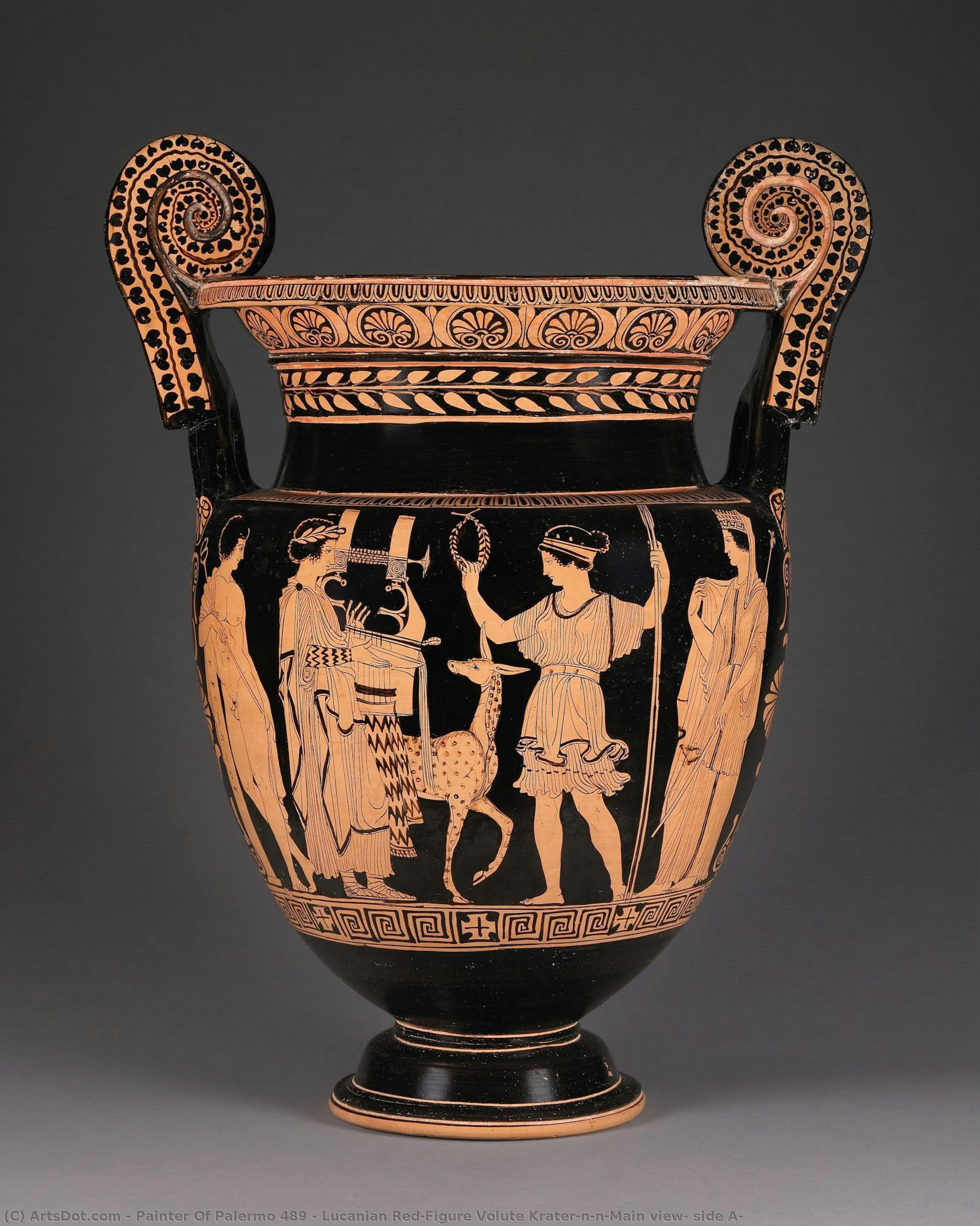
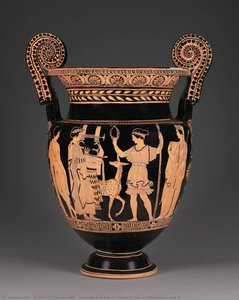
Lucanian Red-Figure Volute Krater\n\n(Main view, side A)
 Acrylic On Canvas
- WallArt
- Early Corinthian Style
 56.0 x 34.0 cm
 J. Paul Getty Museum
 Pročitaj više
Kupite digitalnu sliku visoke rezolucije i poboljšanog kvaliteta, koja je znatno superiornija od onoga što vidite u online prikazu.
Svaka datoteka je pedantno pripremljena od strane naših stručnjaka koristeći napredne alate i profesionalnu ručnu retušu. Osiguravamo da svaka slika ima izuzetnu oštrinu, preciznu reprodukciju boja i fine detalje.
Konačna datoteka se dostavlja putem e-pošte u roku od 72 sata, optimizovana za neposrednu upotrebu u profesionalnim, izdavačkim i štamparskim okruženjima. To je isti kvalitet kojem veruju vrhunski studiji dizajna, izdavači i galerije.
Digitalna slika
Preuzmite datoteku visoke rezolucije za ličnu upotrebu, štampanje i kreativne projekte. ( Kupi print Kupi ručno naslikanu sliku)
Uključeno uz svaku porudžbinu digitalne slike
Profesionalna digitalna isporuka, zagarantovana
Kada odaberete ArtsDot.com, ne dobijate samo sliku – vi primate profesionalno unapređeno digitalno umetničko delo, izrađeno sa najvećom preciznošću i uz garanciju zadovoljstva. Evo svega što automatski dolazi uz vašu porudžbinu:

Brza dostava putem e-pošte
Vaša digitalna slika visoke rezolucije biće vam poslata putem e-pošte u roku od 72 sata od poručivanja – spremna za trenutnu upotrebu.

Digitalna datoteka unapređena veštačkom inteligencijom
Vaše umetničko delo je profesionalno optimizovano korišćenjem naprednih AI alata i ručne obrade, čime se osiguravaju maksimalni detalji, oštrina i preciznost boja.

Besplatna ponovna isporuka doživotno
Slučajno ste obrisali ili izgubili svoju datoteku? Ne brinite – poslaćemo vam je ponovo u bilo kom trenutku, potpuno besplatno.

Bez troškova uvoza – zauvek
Uživajte u svojim umetničkim delima trenutno, bez carine, dažbina ili troškova dostave – digitalni download je uvek bez poreza.

Garancija vernosti boja
Uz pomoć profesionalnih alata i upravljanja bojama, osiguravamo da vaša digitalna slika što vernije odražava originalne boje.

Garancija zadovoljstva u roku od 60 dana
Ako niste zadovoljni svojom digitalnom slikom, revidirat ćemo je ili vratiti 100% novca u roku od 60 dana – bez ikakvih pitanja.

100% garancija povrata novca
Niste zadovoljni? Obezbedite pun povrat novca u roku od 60 dana od trenutka kada ste primili svoju digitalnu datoteku – bez suvišnih pitanja.

Popusti na velike porudžbine
Kupite 3 slike, uštedite 10% - Kupite 5 slika, uštedite 15% - Kupite 10+ slika, uštedite 20%. Odlično za kreativne projekte, galerije i agencije.
Srodna umetnička dela
Biografija umetnika
The Enigmatic Maestro of Corinthian Black Figure
The history of ancient Greek ceramic art is often written through the shadows of anonymous masters, and few figures loom as large yet remain as mysterious as the painter of Palermo 489. Operating in the vibrant, experimental atmosphere of Corinth, Greece, between approximately 640 and 625 BC, this artist existed during a transformative epoch. It was a time when the decorative, exotic flourishes of the Orientalizing period were beginning to coalesce into the disciplined, narrative power of the black-figure technique. While his true name has been lost to the sands of antiquity, his artistic fingerprint is indelibly pressed upon the evolution of Greek pottery, marking him as a pivotal bridge between two eras of classical expression.
To study the work of the painter of Palermo 4 0 is to witness the birth of a new visual language. His primary medium was the aryballos—small, elegant vessels used for storing precious scented oils—which required a delicate yet commanding hand. Through the masterful use of incised lines and carefully applied pigments, he achieved a level of detail that breathed life into the clay. This technique allowed for an expressive dynamism, where the silhouettes of figures were not merely static shapes but participants in unfolding dramas. His ability to manipulate the dark slip against the pale clay surface provided a stark, rhythmic beauty that would become the hallmark of Corinthian excellence.
A Legacy Carved in Clay and Lineage
The true greatness of the painter of Palermo 489 lies not only in his individual hand but in the lineage of talent he nurtured. He was far more than a solitary craftsman; he was a foundational educator whose influence rippled through generations of Greek artists. Most notably, he served as the mentor to the Columbus Painter, an artist who would go on to refine the black-figure style with even greater vigor. This pedagogical connection created a stylistic chain reaction, extending his artistic DNA to the Chimaira Painter and the broader Chimaira Group.
Through this lineage, we can trace the development of several key artistic elements:
- The Mastery of Form: The transition from purely decorative patterns to structured, anatomical figures.
- Narrative Depth: The integration of Homeric myths and epic poetry into the very fabric of functional objects.
- Technical Precision: The refinement of incision techniques that allowed for more complex storytelling on a miniature scale.
The influence of his pupils, such as the Chimaira Painter, brought even stronger Near Eastern motifs—like the powerful, stylized lions of Assyrian art—into the Corinthian repertoire. Yet, the seeds of this complexity were sown in the workshop of the painter of Palermo 489. He provided the technical foundation and the conceptual framework that allowed his students to push the boundaries of what ceramic art could achieve.
Historical Significance and the Eternal Flame of Art
Though the surviving fragments of his work are scarce, the historical weight of his contribution is undeniable. He stood at the crossroads of tradition and innovation, capturing the moment when Greek art moved away from the purely ornamental and toward the profoundly human. His engagement with mythological themes—tales of gods, heroes, and the epic struggles of antiquity—helped establish a visual vocabulary that would define Mediterranean culture for centuries.
In the study of ancient ceramics, he remains a symbol of the anonymous genius. He reminds us that the progress of art is often driven by those whose names we may never know, but whose vision continues to shape the world. The painter of Palermo 489 did not merely decorate vessels; he helped forge the aesthetic soul of the Corinthian black-figure tradition, ensuring that even in the smallest aryballos, the grandeur of the Greek spirit could be preserved and passed down through the ages.
painter of palermo 489
Greece
Kratke činjenice
- Artistic Movement Or Style: Black-figure style
- Artists Or Movements Influenced By This Artist: ['Columbus painter']
- Date Of Birth: Living
- Nationality: Greek
- Notable Artworks: ['Aryballoi']
- Place Of Birth: Corinth, Greece

