

 Pregledaj u prostoru
 Pošalji
 Podeli
 Detalji o delu

 Преузми
 Slični predmeti
 Rendgenski snimak
 Slajdovi
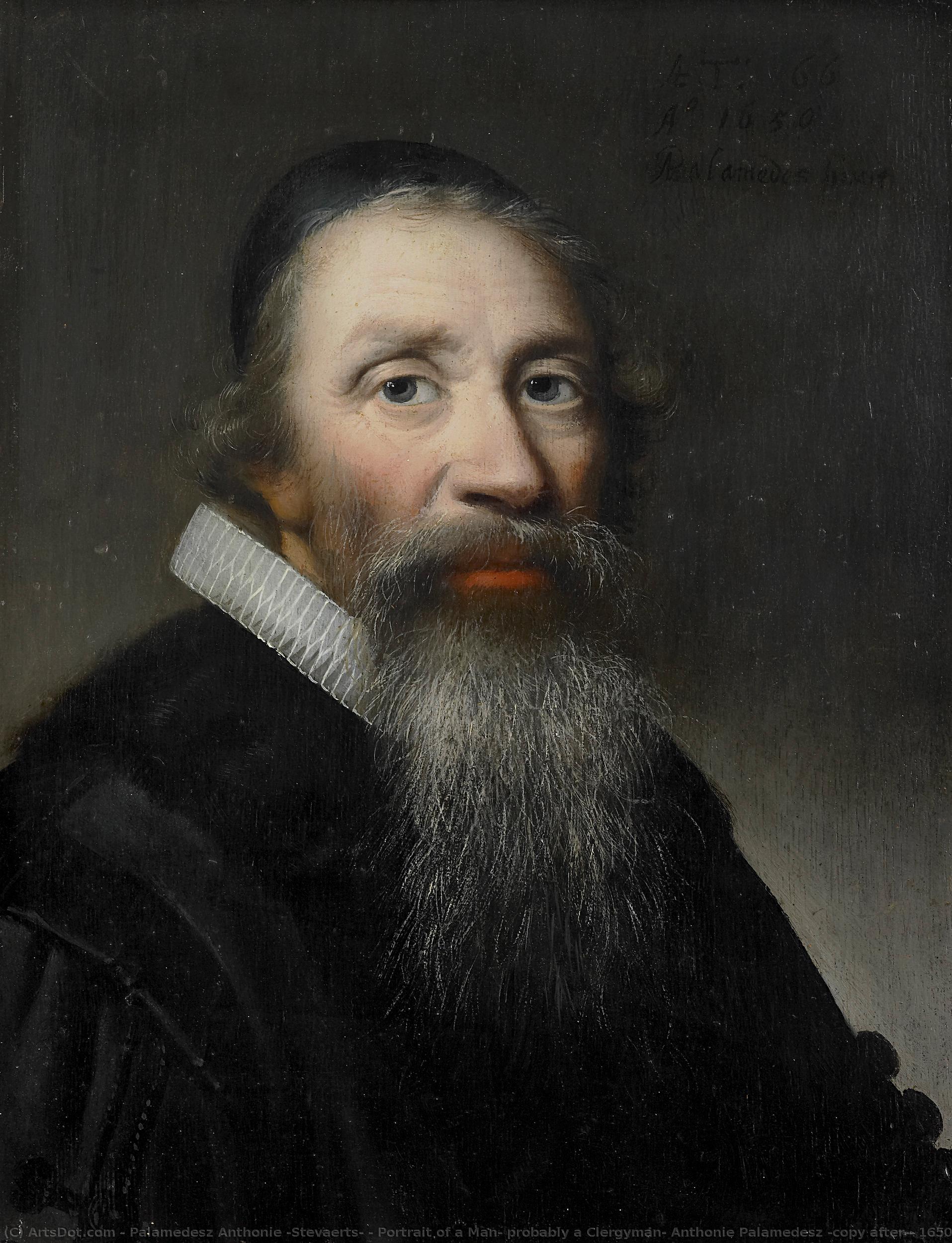
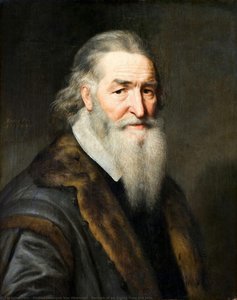
Portrait of a Man, probably a Clergyman, Anthonie Palamedesz (copy after), 1650
 1650
1650 31.0 x 24.0 cm
 Pročitaj više
Kupite digitalnu sliku visoke rezolucije i poboljšanog kvaliteta, koja je znatno superiornija od onoga što vidite u online prikazu.
Svaka datoteka je pedantno pripremljena od strane naših stručnjaka koristeći napredne alate i profesionalnu ručnu retušu. Osiguravamo da svaka slika ima izuzetnu oštrinu, preciznu reprodukciju boja i fine detalje.
Konačna datoteka se dostavlja putem e-pošte u roku od 72 sata, optimizovana za neposrednu upotrebu u profesionalnim, izdavačkim i štamparskim okruženjima. To je isti kvalitet kojem veruju vrhunski studiji dizajna, izdavači i galerije.
Digitalna slika
Preuzmite datoteku visoke rezolucije za ličnu upotrebu, štampanje i kreativne projekte. ( Kupi print Kupi ručno naslikanu sliku)
Uključeno uz svaku porudžbinu digitalne slike
Profesionalna digitalna isporuka, zagarantovana
Kada odaberete ArtsDot.com, ne dobijate samo sliku – vi primate profesionalno unapređeno digitalno umetničko delo, izrađeno sa najvećom preciznošću i uz garanciju zadovoljstva. Evo svega što automatski dolazi uz vašu porudžbinu:

Brza dostava putem e-pošte
Vaša digitalna slika visoke rezolucije biće vam poslata putem e-pošte u roku od 72 sata od poručivanja – spremna za trenutnu upotrebu.

Digitalna datoteka unapređena veštačkom inteligencijom
Vaše umetničko delo je profesionalno optimizovano korišćenjem naprednih AI alata i ručne obrade, čime se osiguravaju maksimalni detalji, oštrina i preciznost boja.

Besplatna ponovna isporuka doživotno
Slučajno ste obrisali ili izgubili svoju datoteku? Ne brinite – poslaćemo vam je ponovo u bilo kom trenutku, potpuno besplatno.

Bez troškova uvoza – zauvek
Uživajte u svojim umetničkim delima trenutno, bez carine, dažbina ili troškova dostave – digitalni download je uvek bez poreza.

Garancija vernosti boja
Uz pomoć profesionalnih alata i upravljanja bojama, osiguravamo da vaša digitalna slika što vernije odražava originalne boje.

Garancija zadovoljstva u roku od 60 dana
Ako niste zadovoljni svojom digitalnom slikom, revidirat ćemo je ili vratiti 100% novca u roku od 60 dana – bez ikakvih pitanja.

100% garancija povrata novca
Niste zadovoljni? Obezbedite pun povrat novca u roku od 60 dana od trenutka kada ste primili svoju digitalnu datoteku – bez suvišnih pitanja.

Popusti na velike porudžbine
Kupite 3 slike, uštedite 10% - Kupite 5 slika, uštedite 15% - Kupite 10+ slika, uštedite 20%. Odlično za kreativne projekte, galerije i agencije.
Srodna umetnička dela






Biografija umetnika
The Quiet Dignity of Delft: The Life and Legacy of Anthonie Palamedesz
Anthonie Palamedesz (1601-1673) stands as a cornerstone of Dutch Golden Age portraiture, particularly renowned for his masterful depictions of guardrooms and intimate interiors—scenes that capture the essence of aristocratic life in Delft during its zenith. His journey began far from the tranquil canals of the Netherlands; born in Leith, Scotland, to Palamedes Willemsz. Stevens and Marie Arsene, Palamedesz’s early life was marked by the profound upheaval of displacement. As his family fled persecution from Spain following the Eighty Years' War, this formative experience of survival instilled in him a deep appreciation for resilience, a quality that would subtly inform the psychological depth of his later subjects.
As he matured within the Dutch artistic orbit, Palamedesz sought the highest level of instruction, receiving an exceptional education under the tutelage of masters such as Hans Jordaens and Michiel Jansz. van Mierevelt. From these mentors, he absorbed the foundational techniques of Delft Baroque painting, specifically the mastery of realism and the dramatic use of light. His early artistic development was characterized by a meticulous observation of human anatomy and an emerging ability to capture psychological nuance. Unlike many of his contemporaries who sought the grandeur of epic narratives or the perfection of idealized figures, Palamsebdez found his calling in the understated elegance of the individual, focusing on portraying subjects with a quiet, dignified presence.
Mastery of Light and the Guardroom Scene
One of the most striking chapters of Palamedesz’s career involves his command over the cortegaarde, or guardroom scene. In works such as his 1647 Soldiers in a Guardroom, we witness a fascinating evolution of style. While his early works were lighter, his later guardroom compositions employed a darker, more somber palette and dramatic contrasts of light and shade. These scenes are deeply evocative, capturing the solemn atmosphere of military duty through soldiers posed in formal stances, bathed in chiaroscuro light. There is even evidence to suggest that Palamedesz may have been influenced by the monumental scale and lighting of Rembrandt’s The Night Watch, as certain compositions and highlighted officers mirror the dramatic tension found in Amsterdam's most famous masterpiece.
His technique in these settings was often compared to contemporaries like Jacob Duck and Willem Cornelisz Duyster, yet Palamedesz maintained a unique identity. While some critics noted his technique could be looser or less refined than the polished perfection of the Haarlem school, this very fluidity allowed him to breathe life into the heavy fabrics, gleaming cuirasses, and metallic textures of military life. He possessed a rare ability to use light not just to illuminate, but to sculpt the very atmosphere of the room, turning a simple barracks into a stage for human drama.
Intimate Interiors and the Refined Elite
Beyond the martial themes of the guardroom, Palamedesz achieved his greatest legacy through his intimate interior scenes and "merry companies." These paintings serve as windows into the domestic tranquility and intellectual engagement of the Dutch elite. In his celebrated Merry Company in a Room (1633), he moves away from the gritty realism of tavern life—often depicted by artists like Pieter Codde or Dirck Hals—and instead focuses on the refined pleasures of the upper classes. Within these brightly lit, elegantly furnished rooms, figures engage in music, drinking, and board games, all captured with a sense of sophisticated grace.
These works are rich with subtle symbolism and meticulous detail:
- Domestic Detail: He meticulously rendered furniture, fine fabrics, and the small gestures of daily life to convey a sense of peace.
- Social Observation: His scenes often depict the "refined pleasures" of the elite, avoiding the more scandalous depictions of brothels or taverns found in other genre paintings.
- Psychological Depth: Even in group settings, Palamedesz had a knack for creating individual connections, such as a central figure gazing directly at the viewer, bridging the gap between the painted world and our own.
Ultimately, the significance of Anthonie Palamedesz lies in his ability to distill complex human emotions into visual form. Whether through the somber weight of a soldier's duty or the lighthearted elegance of a social gathering, his work remains a testament to the enduring beauty of the ordinary and the extraordinary dignity found within the quiet corners of 17th-century life.
palamedesz anthonie (stevaerts)
1601 - 1673
Kratke činjenice
- Artistic Movement Or Style: Dutch Golden Age Art
- Artists Or Movements Influenced By This Artist: ['Merry company']
- Artists Who Influenced This Artist:
- Michiel Jansz. van Mierevelt
- Hans Jordaens
- Date Of Birth: 1602
- Full Name: Anthonie Palamedesz.
- Nationality: Dutch
- Notable Artworks:
- LES CINQ SENS, LE TOUCHER PAYSAN TENANT UNE POULE
- Portrait of a Man, probably Pieter Anthonisz van Bronckhorst
- Place Of Birth: Leith, Scotland

