

 Pregledaj u prostoru
 Pošalji
 Podeli
 Detalji o delu

 Преузми
 Slični predmeti
 Rendgenski snimak
 Slajdovi
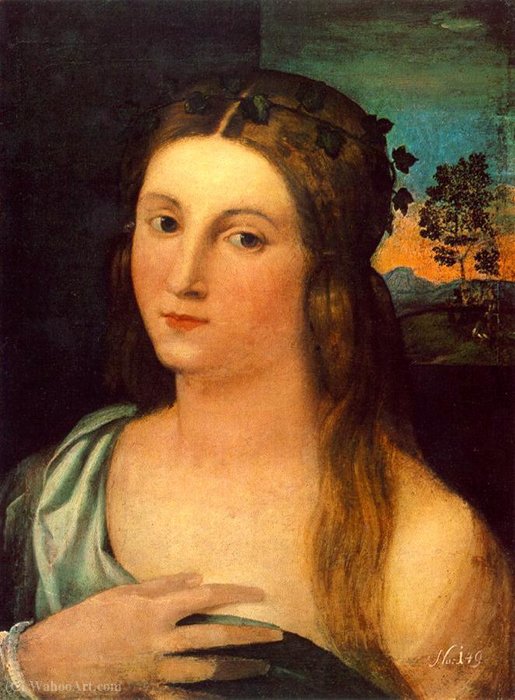
Portrait of a Young Woman

 Pročitaj više
Kupite digitalnu sliku visoke rezolucije i poboljšanog kvaliteta, koja je znatno superiornija od onoga što vidite u online prikazu.
Svaka datoteka je pedantno pripremljena od strane naših stručnjaka koristeći napredne alate i profesionalnu ručnu retušu. Osiguravamo da svaka slika ima izuzetnu oštrinu, preciznu reprodukciju boja i fine detalje.
Konačna datoteka se dostavlja putem e-pošte u roku od 72 sata, optimizovana za neposrednu upotrebu u profesionalnim, izdavačkim i štamparskim okruženjima. To je isti kvalitet kojem veruju vrhunski studiji dizajna, izdavači i galerije.
Digitalna slika
Preuzmite datoteku visoke rezolucije za ličnu upotrebu, štampanje i kreativne projekte. ( Kupi print Kupi ručno naslikanu sliku)
Uključeno uz svaku porudžbinu digitalne slike
Profesionalna digitalna isporuka, zagarantovana
Kada odaberete ArtsDot.com, ne dobijate samo sliku – vi primate profesionalno unapređeno digitalno umetničko delo, izrađeno sa najvećom preciznošću i uz garanciju zadovoljstva. Evo svega što automatski dolazi uz vašu porudžbinu:

Brza dostava putem e-pošte
Vaša digitalna slika visoke rezolucije biće vam poslata putem e-pošte u roku od 72 sata od poručivanja – spremna za trenutnu upotrebu.

Digitalna datoteka unapređena veštačkom inteligencijom
Vaše umetničko delo je profesionalno optimizovano korišćenjem naprednih AI alata i ručne obrade, čime se osiguravaju maksimalni detalji, oštrina i preciznost boja.

Besplatna ponovna isporuka doživotno
Slučajno ste obrisali ili izgubili svoju datoteku? Ne brinite – poslaćemo vam je ponovo u bilo kom trenutku, potpuno besplatno.

Bez troškova uvoza – zauvek
Uživajte u svojim umetničkim delima trenutno, bez carine, dažbina ili troškova dostave – digitalni download je uvek bez poreza.

Garancija vernosti boja
Uz pomoć profesionalnih alata i upravljanja bojama, osiguravamo da vaša digitalna slika što vernije odražava originalne boje.

Garancija zadovoljstva u roku od 100 dana
Ako niste zadovoljni svojom digitalnom slikom, revidirat ćemo je ili vratiti 100% novca u roku od 100 dana – bez ikakvih pitanja.

100% garancija povrata novca
Niste zadovoljni? Obezbedite pun povrat novca u roku od 100 dana od trenutka kada ste primili svoju digitalnu datoteku – bez suvišnih pitanja.

Popusti na velike porudžbine
Kupite 3 slike, uštedite 10% - Kupite 5 slika, uštedite 15% - Kupite 10+ slika, uštedite 20%. Odlično za kreativne projekte, galerije i agencije.
A Glimpse into Renaissance Grace
This captivating portrait by Palma il Vecchio offers a serene yet subtly poignant depiction of a young woman, embodying the ideals of beauty and refinement prevalent during the High Renaissance. Executed in oil on canvas, the painting immediately draws the viewer in with its delicate balance of realism and idealization – hallmarks of Palma’s distinctive style. The subject's gaze meets ours directly, establishing an intimate connection that transcends time. Her pyramidal composition, a classic Renaissance device, lends stability and emphasizes her dignified presence.Palma il Vecchio: A Venetian Master
Jacopo Negretti, known as Palma il Vecchio (c. 1480-1528), was a pivotal figure in the vibrant Venetian art scene. Working alongside masters like Titian and Giorgione, he developed a unique artistic voice characterized by *sensual portraits* and graceful mythological scenes. Though sometimes overshadowed by his contemporaries, Palma’s influence is undeniable; his work bridges the gap between generations of Venetian painters. He skillfully blended influences from Central Italy with the rich color palettes and atmospheric effects favored in Venice. This portrait exemplifies his mastery of oil painting techniques, particularly his ability to create subtle gradations of tone and texture.Symbolism & Emotional Resonance
The painting’s symbolism is understated yet evocative. The wreath of leaves adorning the young woman's hair suggests a connection to nature, potentially representing *innocence*, *virtue*, or even a celebration of youthful beauty. The muted color palette and soft lighting contribute to an overall tone of quiet contemplation. While outwardly serene, there’s a subtle melancholy in her expression – a hint of introspection that adds depth and complexity to the portrait. It's a work that invites viewers to ponder the sitter’s inner life and the fleeting nature of time. The artist’s technique—layering oil paint to build form and create color variations—adds to this sense of depth, making the subject appear almost lifelike.A Timeless Addition for Collectors & Designers
This portrait is more than just a beautiful image; it's a window into a fascinating historical period and a testament to Palma il Vecchio’s artistic skill. Its restrained elegance and sophisticated color scheme make it an ideal addition to both traditional and contemporary interiors. A high-quality reproduction of this work would serve as a focal point in any room, adding a touch of Renaissance grandeur and intellectual depth. Its enduring appeal lies in its ability to evoke emotion and inspire contemplation, making it a truly timeless piece for art lovers and discerning collectors alike.Srodna umetnička dela
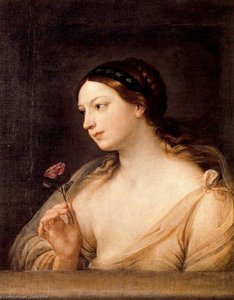
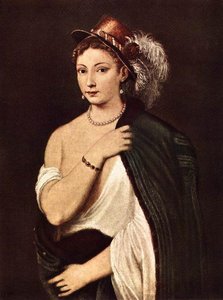
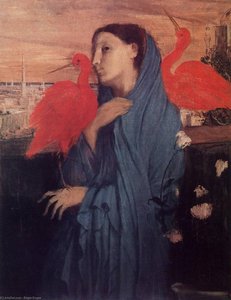
Biografija umetnika
A Venetian Master of Sensuality: The Life and Art of Palma Vecchio
Jacopo Negretti, known to history as Palma Vecchio – “Palma the Elder” – emerged from the artistic landscape of early 16th-century Venice as a pivotal figure bridging the High Renaissance and the burgeoning Mannerist styles. Born around 1480 in Serina Alta near Bergamo, his career unfolded entirely within the vibrant Republic of Venice, a city already steeped in artistic innovation. While documented records are sparse regarding his earliest training, it’s believed he may have initially apprenticed under Andrea Previtali before gravitating towards the revolutionary approaches of Giovanni Bellini, and ultimately, the captivating worlds created by Giorgione and Titian. Palma's arrival in Venice coincided with a period of intense artistic competition; alongside Lorenzo Lotto, he quickly established himself as a formidable talent, absorbing the lessons of his predecessors while forging his own distinctive path.Early Influences and the Development of a Unique Style
The initial stages of Palma’s career reveal a clear debt to Giovanni Bellini's refined technique and devotional style. However, it was the groundbreaking work of Giorgione – with its poetic atmosphere and enigmatic narratives – that truly ignited his artistic imagination. He swiftly embraced Giorgione’s use of color, light, and composition, infusing his own paintings with a similar sense of lyrical beauty. Yet, Palma wasn't merely an imitator; he possessed a unique gift for rendering the human form with a sensual grace and a captivating realism that set him apart. As Titian rose to prominence, Palma continued to evolve, demonstrating a remarkable ability to synthesize diverse influences into a harmonious and compelling visual language. This period saw the emergence of two primary themes in his oeuvre: the *sacra conversazione*, or holy conversation scenes, and half-length portraits of idealized women, often speculated to be depictions of Venice’s celebrated courtesans.The Allure of Myth and the Venetian Portrait
Palma Vecchio became renowned for his ability to imbue classical mythology with a distinctly Venetian sensibility. His pastoral scenes are not simply recreations of ancient tales; they are vibrant celebrations of beauty, love, and earthly pleasure, set against lush landscapes teeming with life. These works catered to the tastes of wealthy Venetian patrons who sought art that reflected their sophisticated lifestyles and appreciation for sensual delights. Simultaneously, his portraits – particularly those of women – captivated audiences with their exquisite detail and psychological depth. He developed a signature type: blonde beauties possessing an alluring gaze and a subtle air of mystery. The identity of these sitters remains largely unknown, fueling speculation about their connection to the city’s demimonde. His mastery of color—transparent glazes that created luminous effects—was particularly celebrated, though sadly, many of these delicate layers deteriorated over time. The sheer painterly capacity in his handling of paint and color is often cited as a defining characteristic of his work.Major Achievements and Artistic Legacy
Among Palma’s most significant achievements are the six paintings commissioned for the church of Santa Maria Formosa in Venice, centered around the *St. Barbara Altarpiece*. This monumental composition showcases his skill in depicting complex narratives and harmonious groupings of figures. His later works demonstrate a mastery of *contrapposto* – the elegant balance of opposing forces in a figure’s pose – and a refined palette that exudes dignity and grace. While he initially embraced influences from Central Italy, including Michelangelo, Palma ultimately forged a style uniquely his own. He was commissioned to paint a main altar at Sant'Elena in Venice in 1525, marking a significant milestone in his career. However, his sudden death in 1528 at the age of approximately 47 left numerous works unfinished, completed by his workshop and pupils. Despite this premature end, Palma Vecchio’s influence on Venetian painting was profound. He served as an important link between the High Renaissance masters like Titian and Giorgione and the emerging Mannerist generation, inspiring artists such as Bonifazio Pitati and Giovanni Busi.Historical Significance and Rediscovery
For centuries, Palma Vecchio's work remained somewhat overshadowed by his more celebrated contemporaries. However, in recent decades, there has been a growing appreciation for his unique contributions to Venetian art. Scholars have reassessed attributions previously assigned to Giorgione and Titian, recognizing the distinctive qualities of Palma’s style. His paintings are now celebrated for their sensual beauty, technical brilliance, and ability to capture the spirit of Renaissance Venice. He represents a fascinating intersection of artistic influences, bridging the gap between generations and offering a compelling glimpse into the cultural values and aesthetic sensibilities of his time. Palma Vecchio stands as a testament to the enduring power of Venetian painting—a master whose work continues to captivate and inspire audiences today.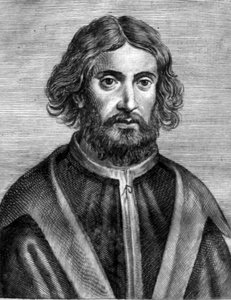
palma il vecchio
1480 - 1528
Kratke činjenice
- Artistic Movement Or Style: High Renaissance
- Artists Or Movements Influenced By This Artist:
- Palma il Giovane
- Venetian School
- Artists Who Influenced This Artist:
- Giovanni Bellini
- Giorgione
- Titian
- Date Of Birth: c. 1480
- Date Of Death: July 30, 1528
- Full Name: Jacopo Negretti
- Nationality: Italian
- Notable Artworks:
- St. Barbara Altarpiece
- Three Sisters
- Place Of Birth: Serina, Italy