

 Pregledaj u prostoru
 Pošalji
 Podeli
 Detalji o delu

 Преузми
 Slični predmeti
 Rendgenski snimak
 Slajdovi
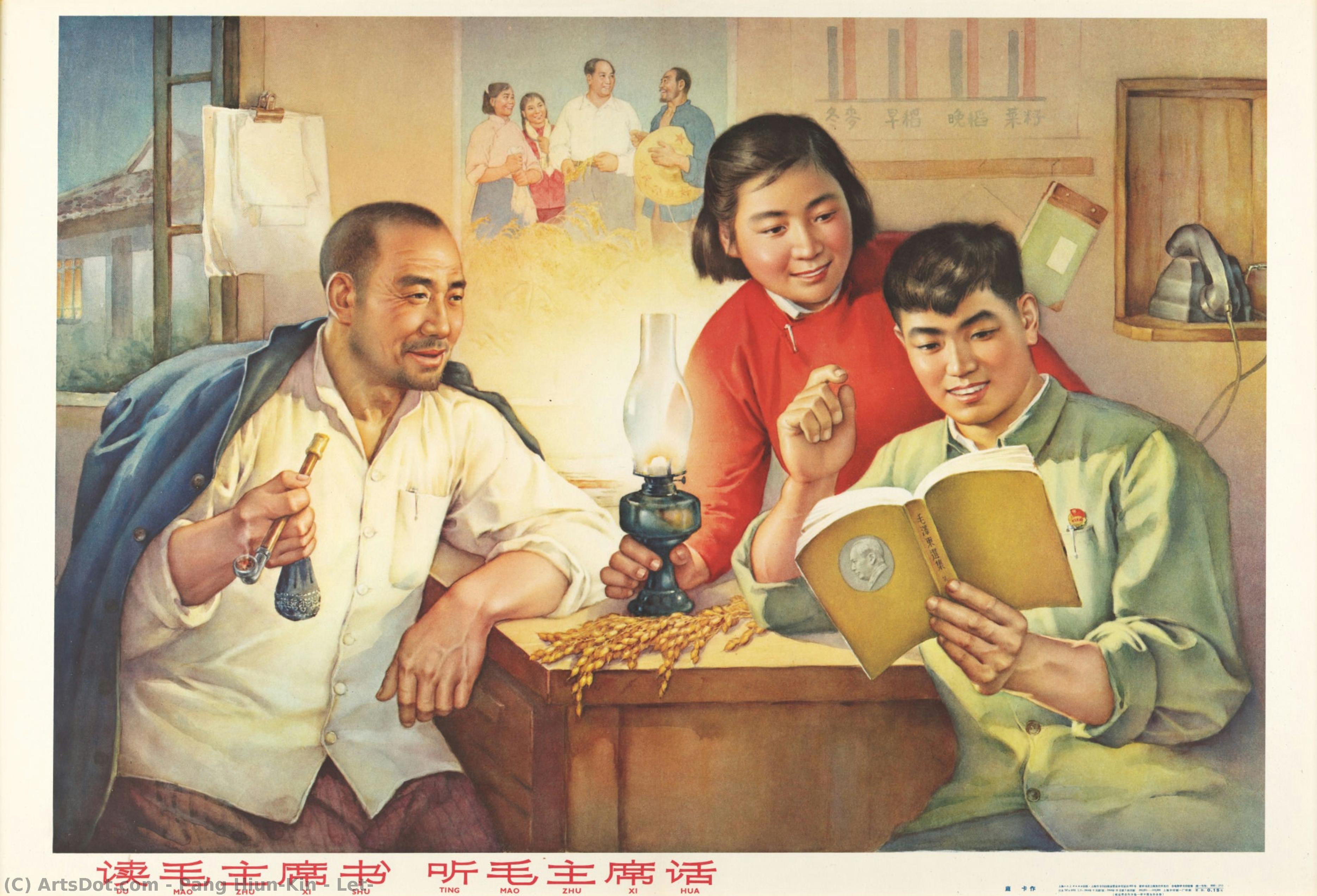
Let

 Pročitaj više
Giclee štampa / Umetnički otisak
Giclée štampa ili print na platnu muzejskog kvaliteta uz brzu proizvodnju i fleksibilne opcije završne obrade. ( Kupi ručno naslikanu sliku Kupi digitalnu sliku)




































Izaberite jednu od naših unapred definisanih veličina koje odgovaraju originalnim proporcijama umetničkog dela.

Možete uneti sopstvene dimenzije kako biste umetničko delo prilagodili specifičnom okviru ili prostoru. Ako odabrani format ne odgovara proporcijama originalne slike, mi ćemo ili iscrtati deo dela ili proširiti sliku pomoću ogledane ivice ili jednobojnog popunjavanja. Digitalni prikaz će vam biti poslat na odobrenje pre početka proizvodnje.
Imajte na umu da pregled na ekranu ne odražava stvarno iscrtavanje ili proširivanje. Samo će prikaz (mockup) precizno pokazati finalnu kompoziciju.
Iako su prilagođene dimenzije dostupne, preporučujemo da odaberete dimenziju sa unapred definisane liste kako biste očuvali originalne proporcije.
Dostava širom sveta () za 2 nedelje umesto uobičajenih 4/5 nedelja. (7 септембар)

Besplatna ekspresna dostava širom sveta

Visokokvalitetno laneno platno

Kompletno osiguranje transporta

Garancija povraćaja carine i uvoznih dažbina

Garancija vernosti boja

Politika povraćaja u roku od 100 dana (isključivo u slučaju nedostataka)

Garancija povrata novca od 100%

Popust pri grupnoj kupovini
 Opcija sa staklom dostupna je samo za dimenzije manje od 110 cm

Let
Giclee štampa / Umetnički otisak
Dimenzije reprodukcije
-


Konačna cena
$ 62
Srodna umetnička dela



Biografija umetnika
Paul Cézanne: Bridging Impressionism and Modernity
Born in Aix-en-Provence, France, on January 19, 1839, Paul Cézanne was a pivotal figure in the transition from late 19th-century Impressionism to the burgeoning movements of modern art. While initially influenced by the vibrant colors and fleeting moments captured by his contemporaries like Monet and Renoir, Cézanne relentlessly pursued a more structured and enduring approach to painting. He wasn’t simply documenting visual impressions; he was dissecting reality, analyzing its underlying forms, and rebuilding it on canvas with an unwavering commitment to geometric precision. This relentless exploration of form and structure would profoundly impact generations of artists who followed, laying the groundwork for Cubism, Fauvism, and countless other avant-garde movements.
Cézanne’s early works demonstrate a clear debt to Impressionism, particularly in his use of color and light. Paintings like *The Basket of Apples* (1890–91) showcase the dappled sunlight and atmospheric effects characteristic of the era. However, even within these seemingly Impressionistic scenes, Cézanne began to subtly shift the focus. He wasn’t interested in capturing a specific moment in time; rather, he was concerned with representing the essential shapes and volumes that constituted the objects before him. This nascent desire for structural clarity would become increasingly pronounced throughout his career.
The Mont Sainte-Victoire Obsession
Perhaps the most defining aspect of Cézanne’s artistic life was his lifelong obsession with Mount Sainte-Victoire, a majestic peak that dominated the landscape near his home in Aix. He painted this mountain countless times—over 400 paintings, according to some accounts—each iteration offering a slightly different perspective and interpretation. These repeated studies weren't merely exercises in observation; they were profound investigations into the nature of perception and representation. Cézanne sought to capture not just the appearance of the mountain but its underlying geometry, its essential form that transcended the limitations of a single viewpoint.
As he famously stated, “I do not paint what I see, but what I feel.” This sentiment encapsulates the core of Cézanne’s artistic philosophy. He wasn't striving to create an illusionistic representation of the world; instead, he was attempting to convey a sense of underlying structure and permanence through his brushstrokes. The rhythmic repetition of parallel lines, the careful manipulation of color, and the deliberate flattening of perspective all contributed to this effect.
A Revolutionary Approach to Painting
Cézanne’s innovations extended beyond his subject matter. He experimented with a variety of techniques, including impasto—applying paint thickly to create textured surfaces—and a broken brushstroke style that fragmented forms and created a sense of dynamism. His use of color was equally revolutionary; he often employed complementary colors in close proximity to intensify their effect and create a vibrant, almost luminous quality. He moved away from the traditional mixing of colors on the palette, preferring to apply them directly to the canvas in their pure hues.
His influence on subsequent generations is undeniable. Artists like Van Gogh, Matisse, and Picasso were deeply inspired by Cézanne’s exploration of form, color, and perspective. Picasso himself famously declared that Cézanne had “liberated colour” and paved the way for Cubism's radical fragmentation of space. Cézanne’s legacy lies not in a single style or technique but in his profound questioning of the very nature of representation—a question that continues to resonate with artists today.
Later Years and Legacy
Cézanne spent his later years refining his artistic vision, producing some of his most enduring works. Paintings like *The Bathers* (c. 1906–07) demonstrate a remarkable synthesis of Impressionistic color and Cézanne’s rigorously structured approach to form. Despite facing declining health in his final years, he continued to paint with unwavering dedication until his death on October 22, 1906, in Aix-en-Provence, at the age of 67.
Paul Cézanne died relatively unknown to the wider public, but his work gradually gained recognition and appreciation. Today, he is considered one of the most important figures in modern art—a pioneer who fundamentally altered our understanding of painting and paved the way for a new era of artistic expression. His relentless pursuit of structural clarity, combined with his masterful use of color and brushstroke, continues to inspire artists and captivate viewers around the world.
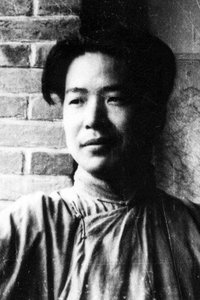
pang hiun-kin
1906 - 1985 , China
Osnovne informacije
- Artistic Movement Or Style: Post-Impressionism
- Artists Or Movements Influenced By This Artist:
- Cubism
- Impressionism
- Artists Who Influenced This Artist:
- Jean-Auguste Dominique Ingres
- William-Adolphe Bouguereau
- Date Of Birth: 19 January 1839
- Date Of Death: 22 October 1906
- Full Name: Paul Cézanne
- Nationality: French
- Notable Artworks:
- The Card Players
- The Bathers
- Mont Sainte-Victoire
- Place Of Birth: Paris, France