

 Pregledaj u prostoru
 Pošalji
 Podeli
 Detalji o delu

 Преузми
 Slični predmeti
 Rendgenski snimak
 Slajdovi
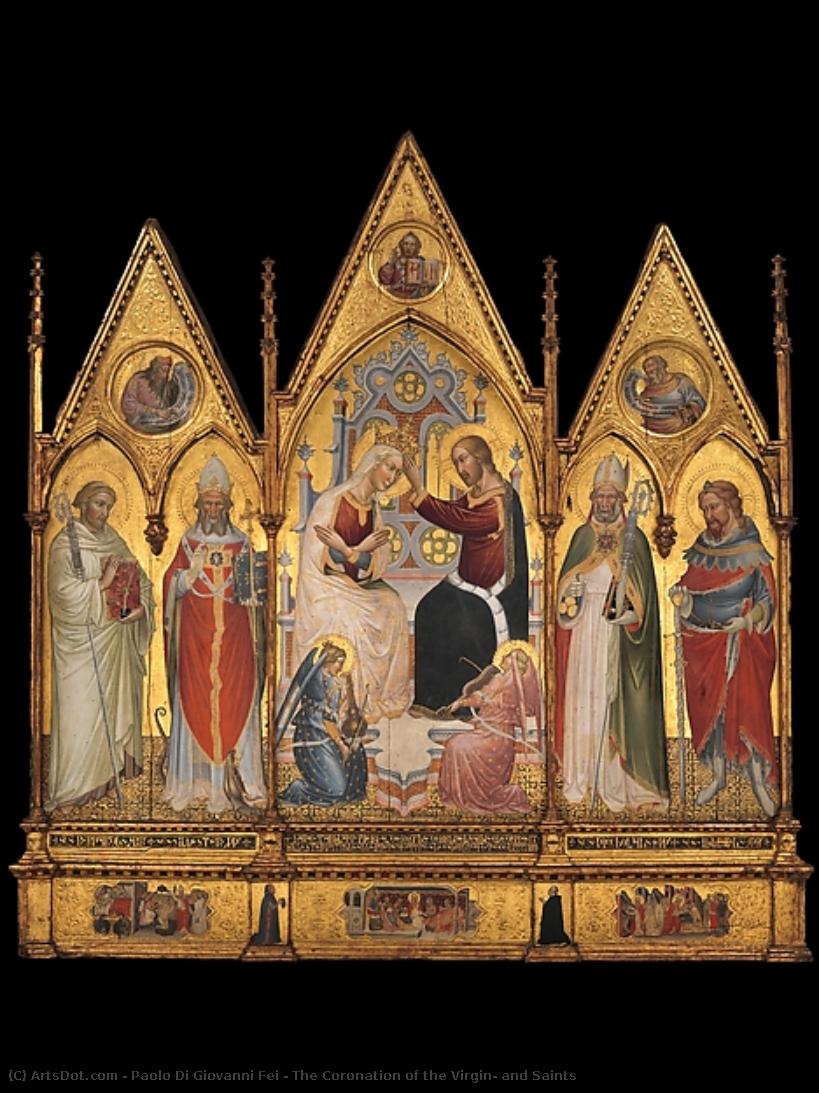
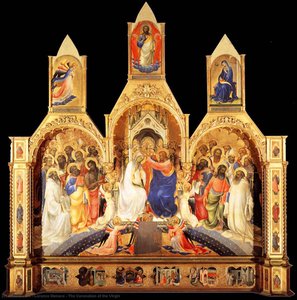
The Coronation of the Virgin, and Saints
 Acrylic On Canvas
- WallArt
- Gothic Revival
 1394
1394 199.0 x 193.0 cm
 Metropolitan Museum of Art
 Pročitaj više
Kupite digitalnu sliku visoke rezolucije i poboljšanog kvaliteta, koja je znatno superiornija od onoga što vidite u online prikazu.
Svaka datoteka je pedantno pripremljena od strane naših stručnjaka koristeći napredne alate i profesionalnu ručnu retušu. Osiguravamo da svaka slika ima izuzetnu oštrinu, preciznu reprodukciju boja i fine detalje.
Konačna datoteka se dostavlja putem e-pošte u roku od 72 sata, optimizovana za neposrednu upotrebu u profesionalnim, izdavačkim i štamparskim okruženjima. To je isti kvalitet kojem veruju vrhunski studiji dizajna, izdavači i galerije.
Digitalna slika
Preuzmite datoteku visoke rezolucije za ličnu upotrebu, štampanje i kreativne projekte. ( Kupi print Kupi ručno naslikanu sliku)
Uključeno uz svaku porudžbinu digitalne slike
Profesionalna digitalna isporuka, zagarantovana
Kada odaberete ArtsDot.com, ne dobijate samo sliku – vi primate profesionalno unapređeno digitalno umetničko delo, izrađeno sa najvećom preciznošću i uz garanciju zadovoljstva. Evo svega što automatski dolazi uz vašu porudžbinu:

Brza dostava putem e-pošte
Vaša digitalna slika visoke rezolucije biće vam poslata putem e-pošte u roku od 72 sata od poručivanja – spremna za trenutnu upotrebu.

Digitalna datoteka unapređena veštačkom inteligencijom
Vaše umetničko delo je profesionalno optimizovano korišćenjem naprednih AI alata i ručne obrade, čime se osiguravaju maksimalni detalji, oštrina i preciznost boja.

Besplatna ponovna isporuka doživotno
Slučajno ste obrisali ili izgubili svoju datoteku? Ne brinite – poslaćemo vam je ponovo u bilo kom trenutku, potpuno besplatno.

Bez troškova uvoza – zauvek
Uživajte u svojim umetničkim delima trenutno, bez carine, dažbina ili troškova dostave – digitalni download je uvek bez poreza.

Garancija vernosti boja
Uz pomoć profesionalnih alata i upravljanja bojama, osiguravamo da vaša digitalna slika što vernije odražava originalne boje.

Garancija zadovoljstva u roku od 60 dana
Ako niste zadovoljni svojom digitalnom slikom, revidirat ćemo je ili vratiti 100% novca u roku od 60 dana – bez ikakvih pitanja.

100% garancija povrata novca
Niste zadovoljni? Obezbedite pun povrat novca u roku od 60 dana od trenutka kada ste primili svoju digitalnu datoteku – bez suvišnih pitanja.

Popusti na velike porudžbine
Kupite 3 slike, uštedite 10% - Kupite 5 slika, uštedite 15% - Kupite 10+ slika, uštedite 20%. Odlično za kreativne projekte, galerije i agencije.
A Vision of Heavenly Grace: Exploring Pietro Lorenzetti’s Coronation of the Virgin
The Basilica dei Santi Giovanni e Paolo in Venice stands as a testament to Venetian artistic prowess, housing an impressive collection of paintings that showcase the splendor and sophistication of the Renaissance era. However, nestled amongst these celebrated works is a singular masterpiece – Pietro Lorenzetti's “The Coronation of the Virgin,” executed in 1394 for Alderotto Brunelleschi’s chapel in San Leo, Florence. This altarpiece transcends mere decoration; it embodies a pivotal moment in artistic history—the burgeoning embrace of naturalism within Siena and its reverberations across Italy. Lorenzetti's influence stemmed from his formative years spent alongside Simone Martini at Assisi, where he absorbed the stylistic innovations championed by Martini’s brother Ambrogio. This collaboration established Lorenzetti as a key figure in shaping Sienese artistic sensibilities, propelling him toward a groundbreaking approach that diverged significantly from the dominant Byzantine tradition. Unlike the stylized depictions prevalent at the time—characterized by flattened figures and luminous gold backgrounds—Lorenzetti sought to capture human emotion and physicality with unprecedented realism. Giotto’s pioneering use of perspective and Giovanni Pisano's masterful sculpting techniques served as crucial inspirations, guiding Lorenzetti toward a more truthful representation of the divine realm. The altarpiece itself is a breathtaking panorama of color and detail. Painted in tempera on wood panels—a technique favored for its durability and ability to achieve vibrant hues—Lorenzetti employed meticulous layering and glazing methods to imbue the scene with luminosity and depth. The central panel depicts Mary receiving the crown from Christ, surrounded by an array of saints who gaze upon the event with reverence. Angels hover above, their wings outstretched in a gesture of benediction, while musical instruments contribute to the ethereal atmosphere. Lorenzetti’s masterful depiction of drapery—particularly Mary's robe—demonstrates his profound understanding of anatomy and fabric texture, elevating the artwork beyond mere visual spectacle. Symbolically, “The Coronation” speaks volumes about medieval Christian theology. The crown represents Mary’s divine dignity as Queen of Heaven, signifying her triumph over sin and death and foreshadowing Christ’s ascension. The saints serve as witnesses to this sacred event, embodying virtues such as humility, piety, and compassion—qualities deemed essential for achieving salvation. Furthermore, the intricate details within the predella – depicting scenes from the Gospels – underscore the importance of biblical narrative in conveying spiritual truths. Specifically, the depiction of Constantine’s dream underscores the divine providence guiding earthly affairs, reinforcing the belief that God actively intervenes in human history to accomplish His will. Beyond its artistic merit and theological significance, “The Coronation” possesses a palpable emotional impact. Lorenzetti's skillful portrayal captures the solemn grandeur of the coronation ceremony—a moment of profound spiritual contemplation. The radiant colors and meticulous craftsmanship evoke a sense of awe and reverence, transporting viewers back to the medieval era and reminding them of the enduring power of faith and artistic beauty. It remains an unforgettable testament to Lorenzoetti’s visionary approach and his contribution to establishing naturalism as a cornerstone of Renaissance art—a legacy that continues to inspire artists and collectors alike.Srodna umetnička dela
Biografija umetnika
Pietro Lorenzetti: Pioneer of Naturalism in Siena
Pietro Lorenzetti, born around 1280 and tragically dying in 1348 during the devastating Black Death pandemic, remains a pivotal figure in the evolution of Italian painting. Often referred to as Pietro Laurati – a misreading by Vasari that obscured his familial connection – he was a Sienese painter whose work marked a significant departure from the prevailing Byzantine-influenced style and laid the groundwork for the burgeoning naturalism that would characterize the Renaissance. His life, though tragically short, witnessed a dramatic shift in artistic sensibilities within Siena, driven largely by his collaboration with his younger brother, Ambrogio Lorenzetti, and their engagement with the innovative techniques of Giotto and Giovanni Pisano. Lorenzetti’s early career is somewhat shrouded in mystery, yet evidence suggests he spent formative years working alongside Simone Martini at Assisi. This association exposed him to the refined elegance of Sienese painting while simultaneously introducing him to a more grounded approach to representation. Crucially, his time in Florence during the 1320s and 1330s proved transformative. He immersed himself in the artistic environment fostered by Giotto’s groundbreaking frescoes in the Bardi and Peruzzi Chapels of Santa Croce, as well as the dramatic narratives of Maso di Banco's Arena Chapel. These experiences instilled within him a desire to move beyond the stylized, ethereal depictions prevalent at the time, seeking instead to capture human emotion and spatial relationships with greater accuracy and realism.A Revolutionary Approach: Naturalism and Spatial Innovation
Lorenzetti’s most enduring legacy lies in his pioneering use of naturalism within Sienese art. Unlike the predominantly symbolic and flattened perspectives of earlier works, Lorenzetti sought to create a sense of depth and three-dimensionality on canvas. He achieved this through meticulous observation of human anatomy, realistic portrayals of drapery, and an innovative approach to architectural integration – a technique he shared with his brother. Their frescoes for the lower church of San Francesco in Assisi exemplify this revolutionary style. The *Crucifixion*, *Deposition from the Cross*, and *Entombment* are not merely narrative scenes; they are dynamic compositions filled with emotionally charged figures rendered with remarkable psychological insight. The spatial arrangements within these panels were particularly groundbreaking. Lorenzetti didn’t simply depict a flat surface; he created an illusion of space, utilizing techniques such as atmospheric perspective – suggesting distance through the fading of colors and details – and carefully constructed foregrounds and backgrounds. This departure from traditional Byzantine conventions was not merely stylistic; it reflected a deeper philosophical shift towards understanding the world through observation and experience. His work foreshadowed the Renaissance emphasis on humanism and the pursuit of knowledge, demonstrating an early awareness of the potential for art to represent reality with unprecedented fidelity.Key Works and Influences
Several key works illuminate Lorenzetti’s artistic development and his engagement with contemporary trends. The *Nativity of the Virgin* (c. 1335-1342), now housed in the Museo dell'Opera del Duomo in Siena, stands as a testament to his mastery of tempera paint and his innovative approach to architectural integration. The figures seem to emerge organically from the painted architecture, blurring the boundaries between reality and representation. Similarly, his *Beata Umiltà Altarpiece* (c. 1340), commissioned for the women’s convent of the Donne di Faenza in Florence, showcases his ability to convey complex emotions through subtle gestures and facial expressions. Lorenzetti's artistic influences were diverse and significant. He clearly admired the naturalism of Giovanni Pisano, evident in the dynamism and emotional intensity of his figures. The influence of Giotto is also palpable, particularly in his use of narrative space and his focus on human emotion. However, Lorenzetti’s work transcends mere imitation; he synthesized these influences into a uniquely Sienese style that anticipated the innovations of the Renaissance masters.Legacy and Historical Significance
Pietro Lorenzetti's contribution to art history is profound. He was not merely a painter; he was a pioneer who challenged established conventions and paved the way for future generations of artists. His experiments with naturalism, spatial innovation, and psychological realism profoundly influenced the development of Sienese painting and, ultimately, the entire trajectory of Western art. Although his life was cut short by the Black Death, his artistic legacy continues to resonate today, reminding us of the transformative power of observation, experimentation, and a deep engagement with the human condition. His work serves as a crucial bridge between the medieval world and the dawn of the Renaissance, demonstrating that even within the constraints of tradition, artists could push the boundaries of creativity and reshape the very fabric of visual culture.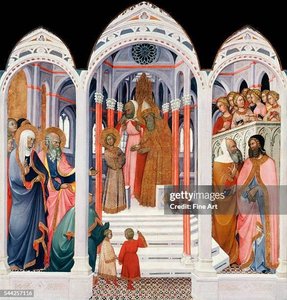
paolo di giovanni fei
1345 - 1411

