

 Pregledaj u prostoru
 Pošalji
 Podeli
 Detalji o delu

 Преузми
 Slični predmeti
 Rendgenski snimak
 Slajdovi
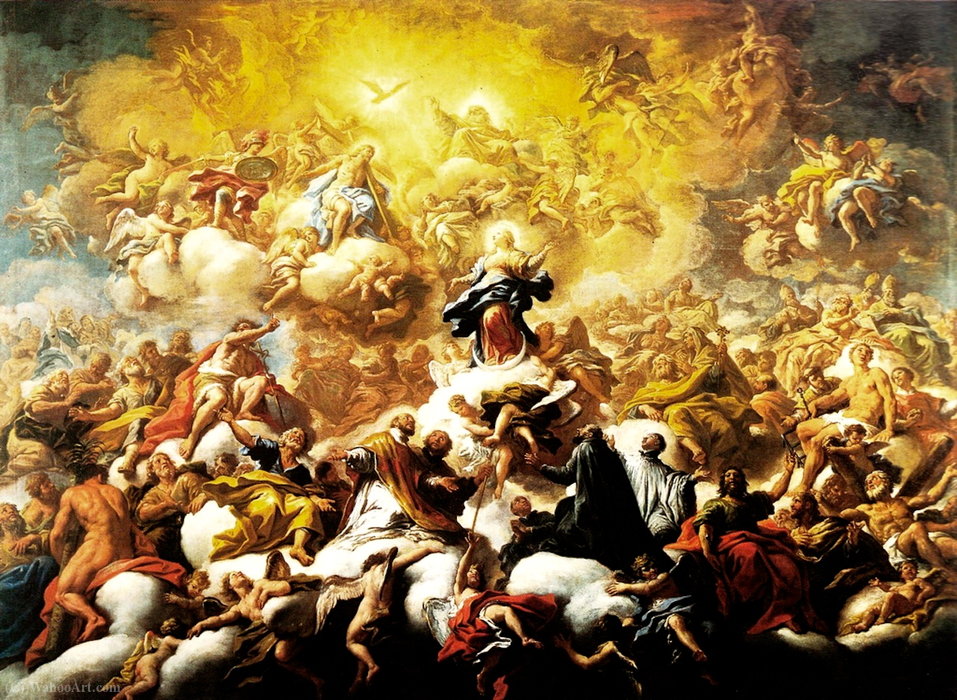
The Triumph and Glory of the Immaculate Conception
 Pročitaj više
Ručno rađena uljana reprodukcija
Ručno oslikano uljanim bojama na platnu u dimenzijama i okviru po vašem izboru, izrađeno po porudžbini od strane naših umetnika. ( Kupi print Kupi digitalnu sliku)




































Izaberite jednu od naših unapred definisanih veličina koje odgovaraju originalnim proporcijama umetničkog dela.

Можете унети сопствене димензије како бисте прилагодили дело одређеном оквиру или простору. Ако одабрана величина не одговара пропорцијама оригинала, слика ће бити исечена или проширена додатним елементима који се ручно насликавају. Дигитални prikaz ће вам бити послат на одобрење пре почетка производње.
Имајте на уму да преглед на екрану не одражава стварно исецање или проширење. Само приказ (mockup) ће тачно приказати коначну композицију.
Иако су доступне прилагођене величине, препоручујемо да одаберете димензију из дефинисане листе како бисте сачували оригиналне пропорције.
Nakon narudžbine, tim ArtsDot.com će klijentu putem e-pošte poslati uputstva i dostaviti prikaz predloženog rešenja
Isporuka širom sveta () za 3/4 nedelje umesto uobičajenih 5 nedelja. (22 август). Bez kompromisa po pitanju kvaliteta.

Besplatna ekspresna dostava širom sveta

Visokokvalitetno laneno platno

Kompletno osiguranje transporta

Garancija povraćaja carine i uvoznih dažbina

Garancija vernosti boja

Politika povrata u roku od 60 dana (samo u slučaju nedostataka)

Garancija povrata novca od 100%

Popust pri grupnoj kupovini
 Opcija sa staklom dostupna je samo za dimenzije manje od 110 cm

The Triumph and Glory of the Immaculate Conception
Tehnika reprodukcije
Dimenzije reprodukcije
-


Konačna cena
$ 263
Srodna umetnička dela

Biografija umetnika
The Neapolitan Visionary: The Rise of Paolo de Matteis
In the vibrant, sun-drenched landscape of seventeenth-century Italy, a new light began to emerge from the humble surroundings of Piano Vetrale. Paolo de Matteis, an artist whose name would become synonymous with the opulent grandeur of the Baroque, embarked on a journey that would reshape the visual identity of Naples and Rome. His early years were defined by rigorous training under Francesco di Maria, yet it was his profound apprenticeship with the legendary Luca Giordano that truly ignited his creative spirit. From Giordano, de Matteis inherited a mastery of illusionistic painting, learning to manipulate light and shadow—the dramatic chiaroscuro—to create immersive worlds that seemed to breathe within their frames.As he navigated the complexities of the Spanish Viceroyalty's court, his work began to reflect a unique synthesis of theatricality and grace. He did not merely paint scenes; he constructed spectacles. His ability to weave intricate narratives through movement and perspective allowed him, through his brush, to capture the very essence of the era’s devotion and drama.
A Continental Evolution: From Baroque Drama to Rocaille Elegance
The trajectory of de Matteis' career was significantly altered by his transformative sojourn in Paris between 1702 and 1705. This period of international exposure acted as a crucible for his style, as he absorbed the burgeoning trends of the French art scene. The heavy, dramatic weight of the traditional Baroque began to soften, making way for a more refined, delicate sensibility that hinted at the approaching Rocaille era. This evolution is beautifully captured in works such as Apollo and Daphne, where the mythological tension of Ovid’s tale is rendered with both energetic movement and an increasingly sophisticated lightness.Upon his return to Naples, de Matteis brought with him a reinvigorated vision. He dedicated himself to monumental decorative schemes that transformed sacred spaces into celestial visions. His work on the magnificent vault of San Ignazio in the Gesù Nuovo stands as a testament to this period, where his brushwork turned stone and plaster into a breathtaking expanse of divine light.
A Legacy Etched in Gold and Light
The enduring significance of Paolo de Matteis lies in his role as a bridge between two great artistic epochs. He possessed the rare ability to honor the dramatic intensity of his predecessors while embracing the elegance of the future. His religious compositions, such as Our Lady of Sorrows, continue to resonate with their rich textures and symbolic depth, inviting viewers into a state of profound contemplation.- Mastery of illusionistic fresco techniques that expanded architectural boundaries.
- A pivotal role in transitioning Neapolitan art from Baroque theatricality to Rocaille refinement.
- The creation of enduring mythological and religious icons that defined the eighteenth-century aesthetic.
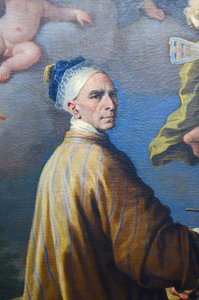
paolo di matteis
1662 - 1727
Osnovne informacije
- Artistic Movement Or Style: Baroque & Rocaille
- Artists Or Movements Influenced By This Artist: ['Rocaille']
- Artists Who Influenced This Artist: ['Luca Giordano']
- Date Of Birth: 1662
- Date Of Death: 1728
- Full Name: Paolo de Matteis
- Nationality: Italian
- Notable Artworks:
- Apollo and Daphne
- Love And The Vices Disarm Judgement
- Painting of Our Lady of Sorrows
- Place Of Birth: Piano Vetrale, Salerno, Italy

