

 Pregledaj u prostoru
 Pošalji
 Podeli
 Detalji o delu

 Преузми
 Slični predmeti
 Rendgenski snimak
 Slajdovi
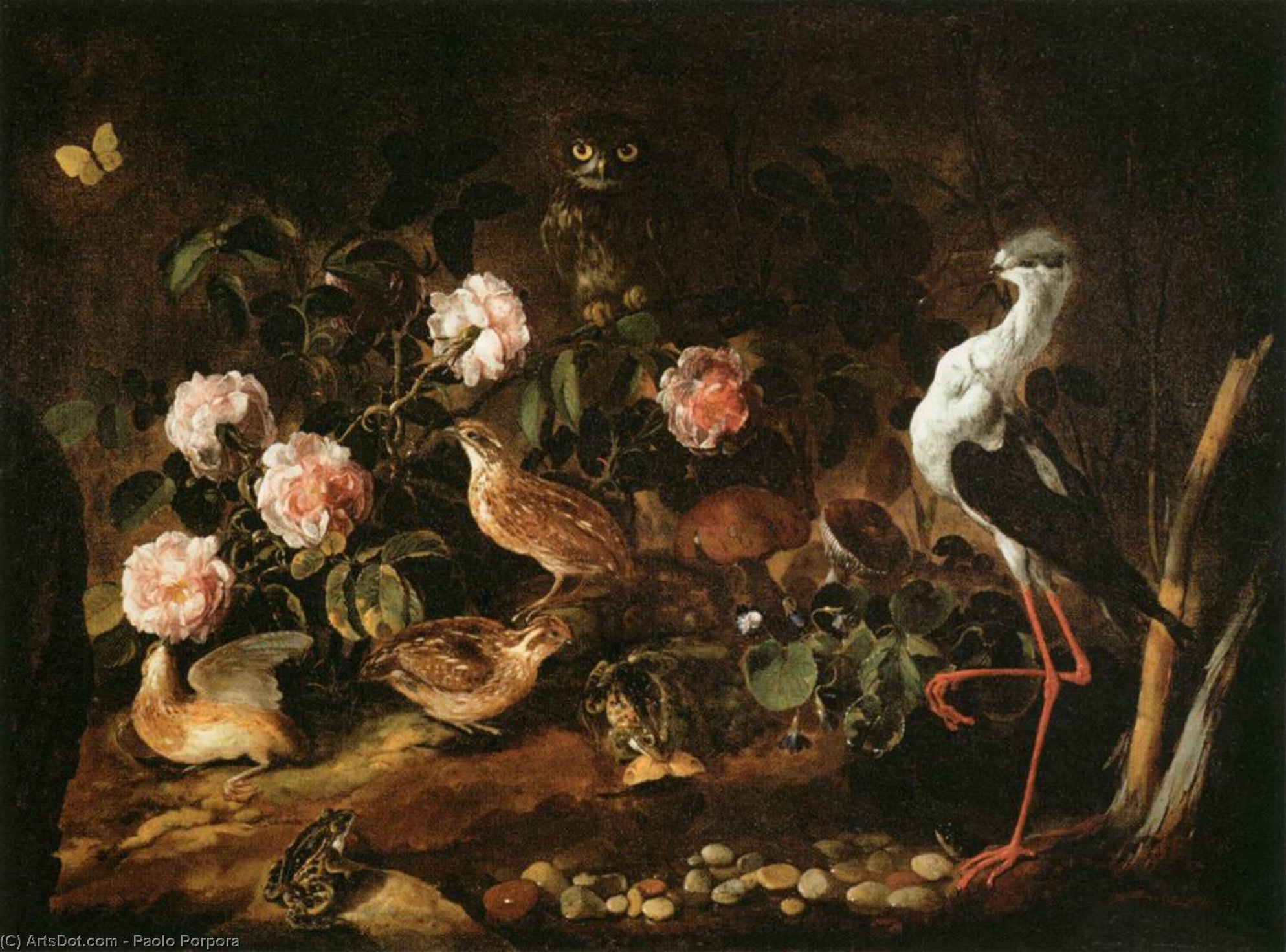
Still-Life with an Owl and an Ibis
 Oil On Canvas
- WallArt
- Baroque Still Life
 1684
1684- Early Modern
 74.0 x 98.0 cm
 Louvre
 Pročitaj više
Kupite digitalnu sliku visoke rezolucije i poboljšanog kvaliteta, koja je znatno superiornija od onoga što vidite u online prikazu.
Svaka datoteka je pedantno pripremljena od strane naših stručnjaka koristeći napredne alate i profesionalnu ručnu retušu. Osiguravamo da svaka slika ima izuzetnu oštrinu, preciznu reprodukciju boja i fine detalje.
Konačna datoteka se dostavlja putem e-pošte u roku od 72 sata, optimizovana za neposrednu upotrebu u profesionalnim, izdavačkim i štamparskim okruženjima. To je isti kvalitet kojem veruju vrhunski studiji dizajna, izdavači i galerije.
Digitalna slika
Preuzmite datoteku visoke rezolucije za ličnu upotrebu, štampanje i kreativne projekte. ( Kupi print Kupi ručno naslikanu sliku)
Uključeno uz svaku porudžbinu digitalne slike
Profesionalna digitalna isporuka, zagarantovana
Kada odaberete ArtsDot.com, ne dobijate samo sliku – vi primate profesionalno unapređeno digitalno umetničko delo, izrađeno sa najvećom preciznošću i uz garanciju zadovoljstva. Evo svega što automatski dolazi uz vašu porudžbinu:

Brza dostava putem e-pošte
Vaša digitalna slika visoke rezolucije biće vam poslata putem e-pošte u roku od 72 sata od poručivanja – spremna za trenutnu upotrebu.

Digitalna datoteka unapređena veštačkom inteligencijom
Vaše umetničko delo je profesionalno optimizovano korišćenjem naprednih AI alata i ručne obrade, čime se osiguravaju maksimalni detalji, oštrina i preciznost boja.

Besplatna ponovna isporuka doživotno
Slučajno ste obrisali ili izgubili svoju datoteku? Ne brinite – poslaćemo vam je ponovo u bilo kom trenutku, potpuno besplatno.

Bez troškova uvoza – zauvek
Uživajte u svojim umetničkim delima trenutno, bez carine, dažbina ili troškova dostave – digitalni download je uvek bez poreza.

Garancija vernosti boja
Uz pomoć profesionalnih alata i upravljanja bojama, osiguravamo da vaša digitalna slika što vernije odražava originalne boje.

Garancija zadovoljstva u roku od 60 dana
Ako niste zadovoljni svojom digitalnom slikom, revidirat ćemo je ili vratiti 100% novca u roku od 60 dana – bez ikakvih pitanja.

100% garancija povrata novca
Niste zadovoljni? Obezbedite pun povrat novca u roku od 60 dana od trenutka kada ste primili svoju digitalnu datoteku – bez suvišnih pitanja.

Popusti na velike porudžbine
Kupite 3 slike, uštedite 10% - Kupite 5 slika, uštedite 15% - Kupite 10+ slika, uštedite 20%. Odlično za kreativne projekte, galerije i agencije.
A Serene Assemblage of Nature's Bounty
Gazing upon this exquisite still life, one is immediately enveloped in an atmosphere of profound tranquility. Paolo Porpora’s composition, Still-Life with an Owl and an Ibis, is not merely a collection of beautiful objects; it is a carefully orchestrated meditation on the harmony found within the natural world. The arrangement draws the eye across a tapestry woven from vibrant pink blossoms, the soft plumage of various birds, and the watchful presence of an owl. From the delicate scattering of flowers in the upper left to the more clustered blooms near the right edge, every petal seems placed with deliberate grace, suggesting a moment captured just as life paused for breath.
Mastery of Baroque Still Life Technique
Painted around 1684, this work stands as a testament to Paolo Porpora’s masterful hand. As a Neapolitan master, Porpora blended the rich traditions of Italian painting with subtle nods toward the meticulous detail favored by Northern European floral artists. His technique allows for an almost hyper-realistic rendering of textures—the velvety softness of feathers contrasting beautifully with the smooth curve of petals and the varied tones of the avian subjects. The composition itself is a lesson in balance; the placement of the three distinct birds, along with the central owl perched near the left, guides the viewer's gaze through the entire narrative space, creating depth on the flat plane.
Symbolism Woven into Feathers and Blooms
In the language of art, nothing is accidental. The inclusion of specific fauna often carried deep symbolic weight in seventeenth-century still life painting. The owl, traditionally associated with wisdom and nocturnal mystery, lends an intellectual gravity to the scene. Meanwhile, the ibis, often linked to mythology and divine messages, adds an element of exotic contemplation. These natural elements, juxtaposed against the ephemeral beauty of the pink flowers, invite deeper reflection—a quiet dialogue between enduring knowledge, fleeting beauty, and life's cyclical nature.
Bringing Baroque Serenity Home
For the discerning collector or interior designer, this piece offers more than mere decoration; it offers an emotional anchor. Reproducing Porpora’s vision allows one to infuse a space with the sophisticated calm of the late Baroque period. Imagine this scene gracing a drawing-room wall, its gentle narrative whispering tales of Italian artistry and natural perfection. It is a focal point that speaks volumes about an appreciation for skilled craftsmanship and timeless, serene beauty.
Srodna umetnička dela






Biografija umetnika
Paolo Porpora: The Neapolitan Master of Floral Still Life
Paolo Porpora (1617-1673) stands as a pivotal figure in the late Baroque art scene of Naples, renowned for his exquisite and meticulously rendered floral still lifes. His work offers a captivating glimpse into the vibrant artistic landscape of 17th-century Italy, blending Italian tradition with subtle influences from Northern Europe – particularly the Dutch masters of flower painting. Porpora’s legacy lies not just in the beauty of his compositions but also in his role as an influential teacher, shaping the style of subsequent generations of Neapolitan artists.
Born in Naples in 1617, Porpora's artistic journey began under the tutelage of Giacomo Recco, a prominent figure in the city’s painting scene. Recco, known for his dramatic and theatrical compositions, instilled in Porpora a foundational understanding of perspective and form. Crucially, Porpora followed Recco into specializing in still life – a genre that was gaining increasing prominence during this period. He further honed his skills under Aniello Falcone, a workshop master who provided him with practical experience and exposure to the techniques of the time. This early training laid the groundwork for Porpora’s distinctive style.
In 1656, Porpora joined the prestigious Roman Accademia di San Luca, a renowned artistic institution that attracted leading artists from across Italy and beyond. This move proved transformative, exposing him to the innovative techniques and stylistic trends of Northern Europe, specifically those practiced by Netherlandish flower painters like Otto Marseus van Schrieck and Mathias Withoos. These artists, who had established studios in Rome during the mid-17th century, were masters of capturing the delicate details of flowers and fruits with remarkable precision and scientific observation. Porpora absorbed these influences, incorporating them into his own work to create a unique synthesis of Italian and Northern European styles.
The Influence of Netherlandish Art
Porpora’s engagement with Dutch still life painting is evident in several key aspects of his oeuvre. Unlike the predominantly dark and dramatic backgrounds favored by some of his contemporaries, Porpora often employed lighter, more luminous palettes, reflecting the Northern European emphasis on capturing natural light and color. His compositions are characterized by a meticulous attention to detail – he painstakingly rendered every petal, leaf, and stem with astonishing accuracy. Furthermore, the inclusion of elements like insects (butterflies, beetles) and small objects (crystals, goblets) within his still lifes demonstrates a fascination with the intricacies of nature, mirroring a trend that was gaining popularity in Dutch flower painting.
However, it’s important to note that Porpora didn't simply imitate Northern European styles. He skillfully integrated these influences into a distinctly Neapolitan aesthetic, retaining a sense of drama and theatricality characteristic of Italian Baroque art. His works often feature rich textures, vibrant colors, and a dynamic arrangement of objects – creating visually arresting compositions that command attention.
Notable Works and Pupils
Among Porpora’s most celebrated paintings are several large-scale floral still lifes depicting arrangements of fruit, flowers, and other natural elements. These works showcase his technical mastery and artistic vision. The “Woodland Scene with Flamingo” (Louvre Museum), for example, exemplifies his ability to combine meticulous detail with a sense of atmospheric depth and drama. His paintings are often found in the collections of the Capodimonte Museum in Naples and the Banco di Napoli.
Porpora’s influence extended beyond his own artistic practice. He served as a teacher to several promising young painters, including Giovan Battista Ruoppolo – another significant Neapolitan still-life master – and Onofrio Loth. Through his instruction, Porpora helped to disseminate the techniques and stylistic principles of Northern European flower painting within the Neapolitan art community, ensuring its continued development and evolution.
Historical Significance and Legacy
Paolo Porpora’s contribution to the history of Italian Baroque art is considerable. He represents a crucial link between the traditional styles of Naples and the innovative trends emerging from Northern Europe. His meticulous attention to detail, his skillful integration of diverse influences, and his role as an influential teacher cemented his place as one of the most important painters of his time.
Today, Porpora’s works are treasured for their beauty, technical skill, and historical significance. They offer a valuable insight into the artistic landscape of 17th-century Naples and serve as a testament to the enduring appeal of floral still life painting. His legacy continues to inspire artists and art lovers alike, reminding us of the power of observation, technique, and creative vision.
Paolo Porpora
1617 - 1673 , Italy
Kratke činjenice
- Artistic Movement Or Style: Late Baroque, Floral still lifes
- Artists Or Movements Influenced By This Artist:
- Giovan Battista Ruoppolo
- Baroque Naples
- Artists Who Influenced This Artist:
- Giacomo Recco
- Aniello Falcone
- Netherlandish painters
- Date Of Birth: 1617, Naples, Italy
- Date Of Death: 1673, Rome
- Full Name: Paolo Porpora
- Nationality: Italian
- Notable Artworks:
- Flowers with a Crystal Goblet
- Woodland Scene with Flamingo
- Place Of Birth: Naples, Italy

