 Pregledaj u prostoru
 Pošalji
 Podeli
 Detalji o delu

 Преузми
 Slični predmeti
 Rendgenski snimak
 Slajdovi
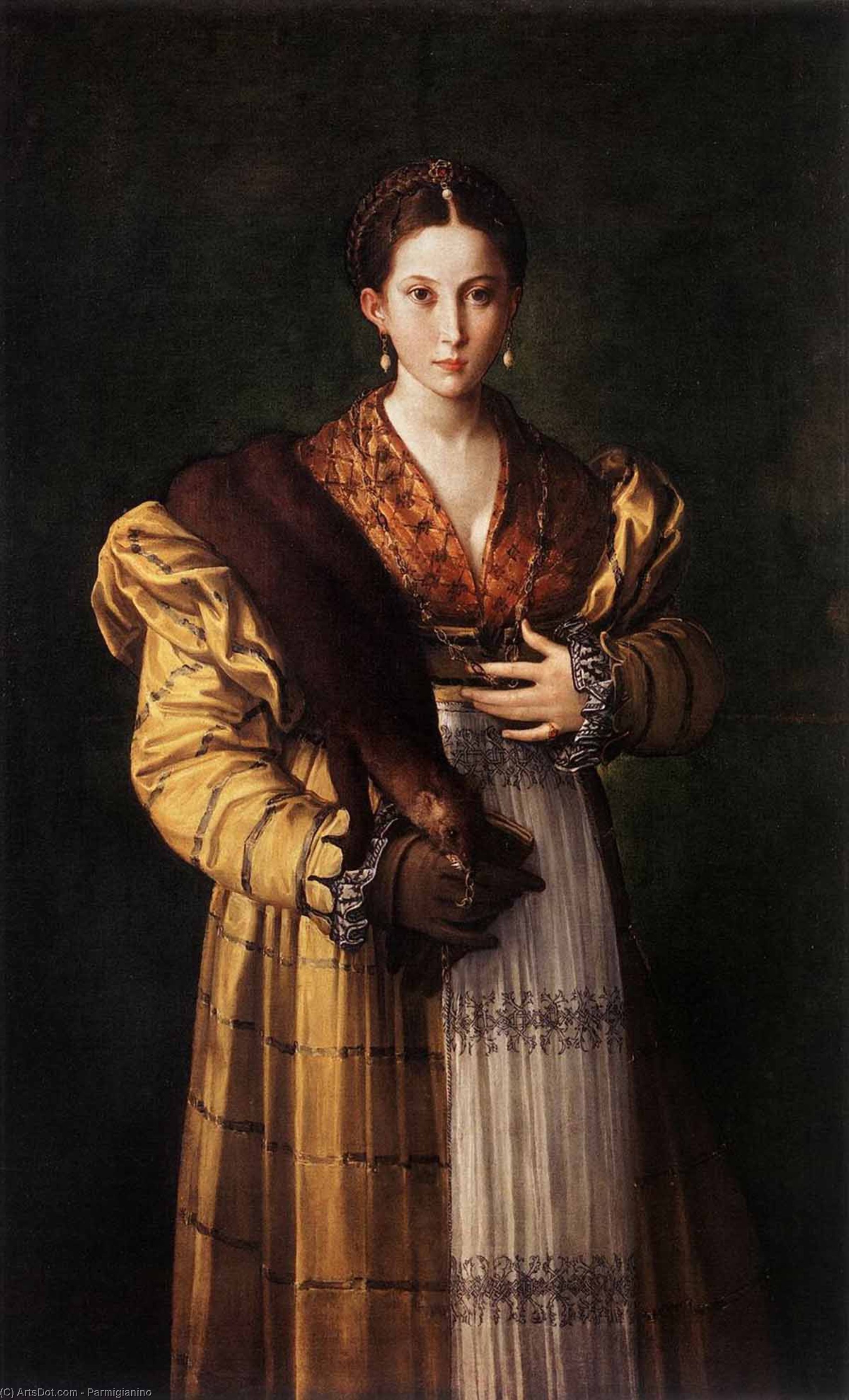
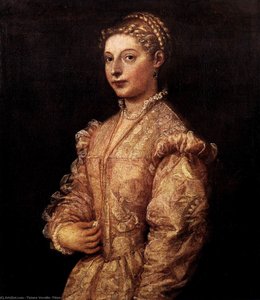
Portrait of a Young Lady
 Oil On Canvas
- WallArt
- Mannerism
 1535
1535 139.0 x 88.0 cm
 Museo Nazionale di Capodimonte
 Pročitaj više
Giclee štampa / Umetnički otisak
Giclée štampa ili print na platnu muzejskog kvaliteta uz brzu proizvodnju i fleksibilne opcije završne obrade. ( Kupi ručno naslikanu sliku Kupi digitalnu sliku)




P118B $10

P118H $10

P118W $10

P438Z $10

P508JH $12

P508YH $12

P805H $10

P805Z $10

P919BZ $10

P919G $10

P919XJ $10

P959ZH $10

P968JZ $12

W106C $8

W218G $10

W218JH $8

W218Y $10

W307PJ $10

W316G $10

W316PJ $8

W316Y $10

W398PJ $8

W4111J $10

W500HY $15

W500JH $15

W692G $12

W849H $8

W940BG $15

W953PJ $8




Izaberite jednu od naših unapred definisanih veličina koje odgovaraju originalnim proporcijama umetničkog dela.

Možete uneti sopstvene dimenzije kako biste umetničko delo prilagodili specifičnom okviru ili prostoru. Ako odabrani format ne odgovara proporcijama originalne slike, mi ćemo ili iscrtati deo dela ili proširiti sliku pomoću ogledane ivice ili jednobojnog popunjavanja. Digitalni prikaz će vam biti poslat na odobrenje pre početka proizvodnje.
Imajte na umu da pregled na ekranu ne odražava stvarno iscrtavanje ili proširivanje. Samo će prikaz (mockup) precizno pokazati finalnu kompoziciju.
Iako su prilagođene dimenzije dostupne, preporučujemo da odaberete dimenziju sa unapred definisane liste kako biste očuvali originalne proporcije.
Dostava širom sveta () za 2 nedelje umesto uobičajenih 4/5 nedelja. (23 август)

Besplatna ekspresna dostava širom sveta

Visokokvalitetno laneno platno

Kompletno osiguranje transporta

Garancija povraćaja carine i uvoznih dažbina

Garancija vernosti boja

Politika povrata u roku od 60 dana (samo u slučaju nedostataka)

Garancija povrata novca od 100%

Popust pri grupnoj kupovini
 Opcija sa staklom dostupna je samo za dimenzije manje od 110 cm

Portrait of a Young Lady
Giclee štampa / Umetnički otisak
Dimenzije reprodukcije
-


Konačna cena
$ 62
Opis predmeta
Portrait of a Young Lady – A Renaissance Enigma
The year is 1537, and within the walls of a modest Parma studio, Parmigianino, already a name whispered with both admiration and intrigue, meticulously captures the essence of a young woman. This isn’t merely a portrait; it's a carefully constructed tableau vivant, a window into the burgeoning world of Mannerism – an artistic movement that prized elegance, refinement, and a subtle distortion of reality over the straightforward realism of the High Renaissance. “Portrait of a Young Lady,” often referred to as “Antea” after a Roman courtesan who has become inextricably linked with the painting’s identity (though this connection remains debated by scholars), is a study in controlled beauty and veiled emotion, demanding close observation and inviting endless interpretation.
The composition immediately draws the eye. The subject, positioned in a three-quarter pose – a revolutionary departure from the prevalent profile views of the time – exudes an almost unnerving serenity. Her gaze, direct and unwavering, establishes an immediate connection with the viewer, while her delicately arched eyebrows and subtly parted lips hint at a quiet intelligence and perhaps even a touch of melancholy. The lighting is masterfully employed; a dramatic chiaroscuro effect sculpts her features, emphasizing the delicate curve of her cheekbone, the gentle slope of her nose, and the luminous quality of her eyes. The dark background serves not as mere absence, but as a deliberate device to heighten the subject’s presence, creating an aura of intimacy and drawing attention solely to her captivating form.
A Dance of Fabrics and Forms – The Language of Mannerism
Parmigianino's skill lies not just in his ability to capture likeness, but in his masterful manipulation of texture and form. The painting is a testament to the meticulous techniques characteristic of Renaissance oil painting. He employs layering and glazing to achieve an astonishing level of detail – from the intricate folds of the golden robe, shimmering with reflected light, to the delicate lace adorning her underdress. The fabric itself seems to flow and drape with an almost impossible grace, demonstrating his deep understanding of anatomy and drapery. Notice how he uses subtle shifts in tone and value to create a sense of volume and depth, giving each garment a tangible weight and texture.
Crucially, this is not a portrait rooted in strict realism. Parmigianino’s signature Mannerist style manifests through elongated proportions – the subject's neck appears unusually slender, her fingers are delicately attenuated – and a subtle distortion of perspective. These deliberate deviations from convention create an atmosphere of heightened elegance and psychological complexity. The overall effect is one of refined sensuality, a hallmark of the period that sought to explore the inner lives and emotions of its subjects rather than simply documenting their outward appearance.
Symbolism and Intrigue – Unraveling the Layers
Beyond the immediate beauty of the portrait lies a rich tapestry of symbolism. The golden robe, with its puffed sleeves and intricate detailing, speaks to wealth and status, reflecting the subject’s noble lineage. The presence of the small dog nestled at her feet is another significant detail – a symbol of loyalty, fidelity, and aristocratic privilege in Renaissance Italy. However, the true meaning behind the painting remains shrouded in mystery. The identification with Antea, the Roman courtesan, has fueled speculation for centuries, but definitive proof remains elusive.
Some scholars suggest that the subject may have been a young bride-to-be, represented by the white apron (the zinale) worn over her dress – a traditional garment signifying purity and innocence. Others propose she was a servant or even Parmigianino’s own daughter, adding another layer of intrigue to this enigmatic portrait. Regardless of her true identity, “Portrait of a Young Lady” stands as a powerful testament to the artist's skill and his ability to imbue a single image with layers of meaning and emotional resonance.
A Timeless Masterpiece – Reproduction and Beyond
“Portrait of a Young Lady” is more than just a painting; it’s an enduring symbol of Renaissance beauty, elegance, and artistic innovation. Reproductions offer a remarkable opportunity to bring this captivating work into your home or office, allowing you to appreciate its intricate details and profound emotional depth. When selecting a reproduction, consider the quality of materials and printing techniques – a faithful rendering will capture the subtle nuances of light, shadow, and texture that define Parmigianino’s masterpiece. Whether displayed as a statement piece in a grand salon or a quiet focal point in a smaller space, this portrait continues to captivate and inspire, reminding us of the enduring power of art to transcend time and connect with our deepest emotions.
Srodna umetnička dela


Biografija umetnika
Рафинисана Осетљивост: Живот и Уметност Пармиђанина
Ђироламо Франческо Марија Мацола, познат у историји као Пармиђанино – “мали из Парме” – појавио се током Високе ренесансе, али је брзо постао дефинитивна фигура растајућег стила мањеризма. Рођен у Парми 11. јануара 1503. године, његов рани живот обележио је породични губитак; његов отац, Филипо Мацола, умро је када је Ђироламо имао само две године. Одрастајући уз своје ујаке, Микелеа и Пјера Иларија, обојицу скромно вештих уметника, млади Пармиђанино добио је прву уметничку обуку у овом породичном кругу. Тај темељ, међутим, показао се као само одскочна даска за изузетан таленат који ће ускоро надмашити чак и његове менторе. Већ са запањујућих осамнаест година завршио је Барди олтар, дело које демонстрира зрелост и софистицираност далеко изнад његових година, сигнализирајући долазак заиста изузетног уметника.Флоренца, Рим и обликовање манеристичке визије
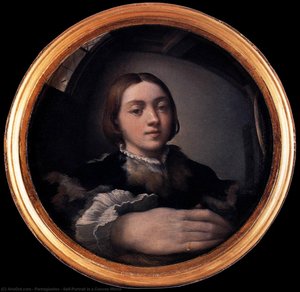
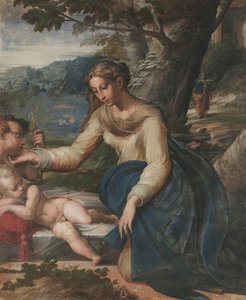
Уметнички пут Пармиђанина довео га је око 1524. године у Флоренцу, где је апсорбовао утицај мајстора као што су Рафаел и Леонардо да Винчи, али је брзо почео да кова свој посебан пут. Папи Клименту VII представио је три слике, укључујући запањујући самопортрет у конвексном огледалу – сведочанство његове техничке вештине и растуће самосвести. Овај чин му је обезбедио наруџбине у Риму, али је градска уметничка сцена ускоро била узбуркана турбулентним Пљачком 1527. године. Приморан да побегне, Пармиђанино се склонио у Болоњи, где је насликао једно од својих најславнијих дела, *Света породица*. Управо током овог периода његов препознатљив стил заиста кристализује: издужени облици, грациозне позе и рафинисана сензуалност постале су обележја његове уметности. Он није само приказивао стварност; он је пресликавао кроз призму елеганције и идеализоване лепоте. Ово одступање од ренесансног нагласка на натурализму означило га је као кључног иноватора манеризма, уметничког покрета карактерисаног вештачком природом, софистицираношћу и намерном изобличењу класичних форми.Ремек-дела продужења и грације
Пармиђаниново наслеђе лежи на релативно малој, али дубоко утицајној збирци дела. *Мадона са дугим вратом* (1534) остаје можда његово најпознатије стварање. Његов узнемирујући и опет очаравајући композиција, који садржи фигуре са издуженим вртовима и удовима, изазива конвенционалне увиде лепоте и пропорције. Ово намерно искривљење није само стилско; оно преноси осећај духовне жедње и ванземаљске грације. Слично томе, *Визија светог Јеронима* (1527), завршена за време његовог боравка у Риму, демонстрира његову мајсторску анатомију и перспективу, док истовремено прихвата манеристичку склоност драматичним композицијама и емоционалном интензитету. Осим ових славних слика, Пармиђанинови цртежи откривају изузетан ниво вештине и осетљивости. Његове студије фигура, драперија и архитектонских елемената демонстрирају педантну пажњу на детаље и дубоко разумевање форме. Чак и његова мање позната дела, као што је *Лук-стрелачки Амор*, показују исту рафинисану осетљивост и техничку виртуозност која дефинише његов опус.Наслеђе прекинуто: Пармиђанинове последње године
Трагично, обећавајућа каријера Пармиђанина је била прекинута његовом превременом смрћу у Казалмађореу 1540. године у доби од тридесет седам година. Околности око његове смрти остају донекле мистериозне; неки извори сугеришу да је подлегао грозници, док други указују на компликације изазвану падом. Упркос кратком животу, Пармиђанино је оставио неизбрисив траг у италијанској ренесансној уметности. Он стоји као један од најважнијих представника манеризма, утичући на генерације уметника својим елегантним стилом и иновативним приступом форми и композицији. Његов рад и даље очарава гледаоце данас, нудећи увид у свет где се лепота не само посматра већ активно ствара – сведочанство трајне моћи уметничке визије. Фреске које је оставио незавршене у Парми и Фонтанелату служе као елоквентни подсетници на то шта би могло бити, али чак и у свом недовршеном стању откривају сјај мајстора чије наслеђе наставља да одјекује кроз векове.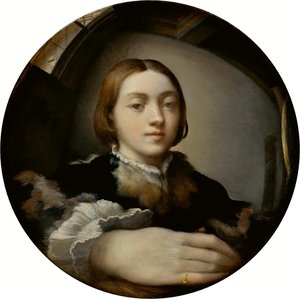
Пармиђанино
1503 - 1540 , Italija
Osnovne informacije
- Artistic Movement Or Style: Мањеризам
- Artists Or Movements Influenced By This Artist: ['Италијанска ренесанса']
- Artists Who Influenced This Artist:
- Коређо
- Рафаел
- Date Of Birth: 11. јануар 1503.
- Date Of Death: 1540.
- Full Name: Ђироламо Франческо Марија Мацола
- Nationality: Италијан
- Notable Artworks:
- Мадона са дугим вратом
- Визија светог Јеронима
- Самопортрет у конвексном огледалу
- Place Of Birth (City And Country): Парма, Италија
Povezani članci

The Enduring Legacy of Oil on Canvas: Technique, History & Aesthetic Impact
Explore the rich history & techniques of oil painting – from Renaissance masters to Impressionism. Discover pigments, layering methods, and why this timeless medium endures. Expert insights for artists & art enthusiasts.

Oil on Canvas: A Historical & Technical Exploration of a Timeless Artistic Medium
Explore the rich history & enduring techniques of oil painting on canvas. Discover the science behind its longevity, conservation practices, and contemporary relevance. Expert insights for art enthusiasts.

The Enduring Power of Painting: A Historical & Contemporary Exploration of Form and Emotion
Explore the rich history & enduring techniques of oil painting with ArtsDot. Discover masterpieces, learn about art collecting, and find authentic handmade reproductions crafted by skilled artists.

Trajnu Ostavština Uljanih Boja na Platnu: Tehnika, Istorija i Savremena Praksa
Istražite bogatu istoriju i savremene tehnike uljanog slikarstva. Saveti stručnjaka, analiza radova velikih majstora i vodiči za biranje kvalitetnih materijala. Otkrijte tajne očuvanja umetničkih dela!
Prodajte Digitalnu Sliku kao Uljuenu Reprodukciju – Automatski Izračunajte Cenu, Postavite Maržu i Zaradite na Svakoj Prodaji za NFT Kolekcionare
Umetnost na dohvat ruke: prodajte digitalnu sliku kao uljenu reprodukciju uz automatski izračun cene, postavljanje marže i pouzdanu ArtsDot garanciju. Ekspertizna podrška, transparentni proces i vrednost za NFT kolekcionare.