 Pregledaj u prostoru
 Pošalji
 Podeli
 Detalji o delu

 Преузми
 Slični predmeti
 Rendgenski snimak
 Slajdovi
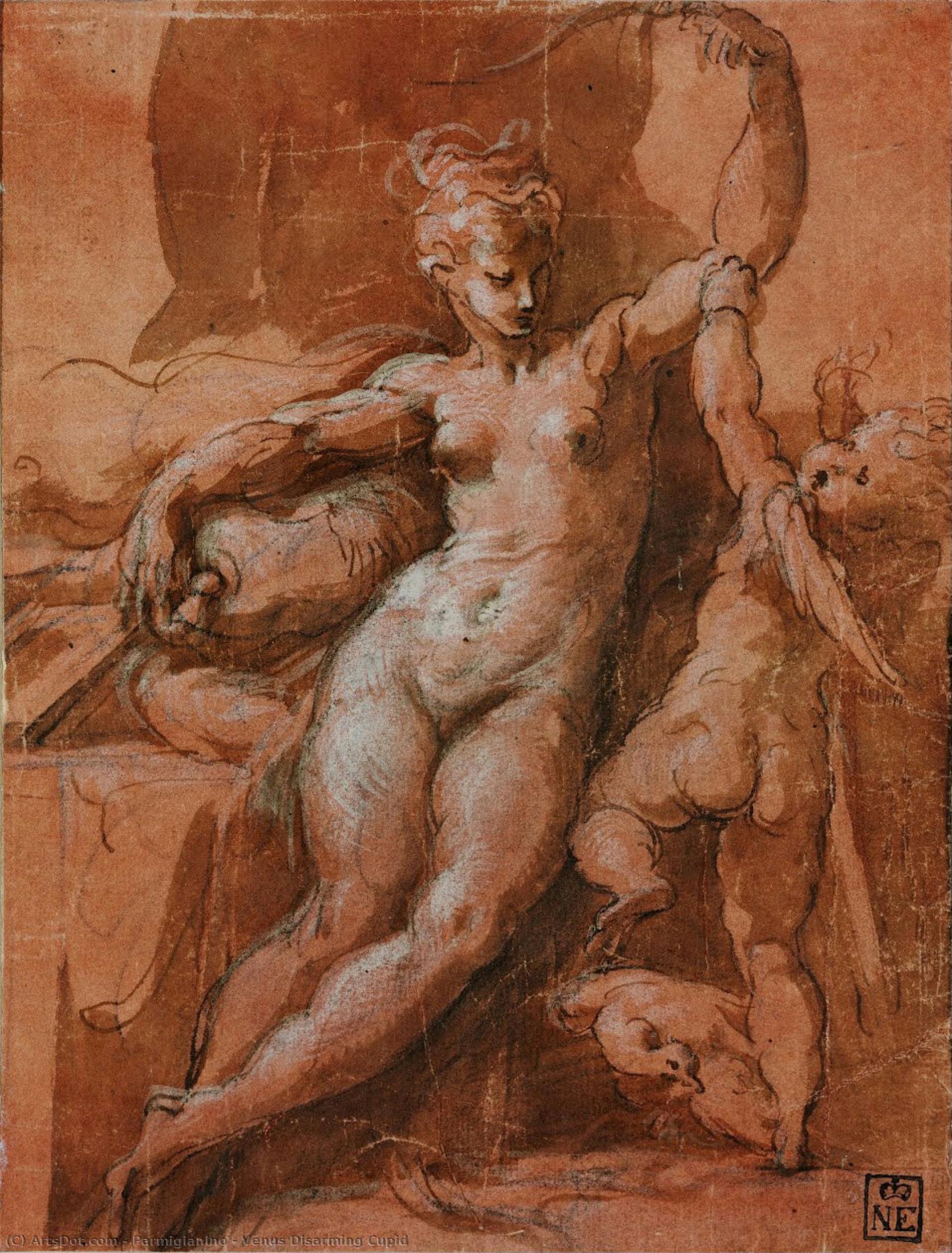
Venus Disarming Cupid
 Oil On Canvas
- WallArt
- Mannerist
 1530
1530 18.0 x 14.0 cm
 Музеј личних уметности Будимпешта
 Pročitaj više
Ručno rađena uljana reprodukcija
Ručno oslikano uljanim bojama na platnu u dimenzijama i okviru po vašem izboru, izrađeno po porudžbini od strane naših umetnika. ( Kupi print Kupi digitalnu sliku)




P118B $10

P118H $10

P118W $10

P438Z $10

P508JH $12

P508YH $12

P805H $10

P805Z $10

P919BZ $10

P919G $10

P919XJ $10

P959ZH $10

P968JZ $12

W106C $8

W218G $10

W218JH $8

W218Y $10

W307PJ $10

W316G $10

W316PJ $8

W316Y $10

W398PJ $8

W4111J $10

W500HY $15

W500JH $15

W692G $12

W849H $8

W940BG $15

W953PJ $8




Izaberite jednu od naših unapred definisanih veličina koje odgovaraju originalnim proporcijama umetničkog dela.

Можете унети сопствене димензије како бисте прилагодили дело одређеном оквиру или простору. Ако одабрана величина не одговара пропорцијама оригинала, слика ће бити исечена или проширена додатним елементима који се ручно насликавају. Дигитални prikaz ће вам бити послат на одобрење пре почетка производње.
Имајте на уму да преглед на екрану не одражава стварно исецање или проширење. Само приказ (mockup) ће тачно приказати коначну композицију.
Иако су доступне прилагођене величине, препоручујемо да одаберете димензију из дефинисане листе како бисте сачували оригиналне пропорције.
Nakon narudžbine, tim ArtsDot.com će klijentu putem e-pošte poslati uputstva i dostaviti prikaz predloženog rešenja
Isporuka širom sveta () za 3/4 nedelje umesto uobičajenih 5 nedelja. (7 септембар). Bez kompromisa po pitanju kvaliteta.

Besplatna ekspresna dostava širom sveta

Visokokvalitetno laneno platno

Kompletno osiguranje transporta

Garancija povraćaja carine i uvoznih dažbina

Garancija vernosti boja

Politika povraćaja u roku od 100 dana (isključivo u slučaju nedostataka)

Garancija povrata novca od 100%

Popust pri grupnoj kupovini
 Opcija sa staklom dostupna je samo za dimenzije manje od 110 cm

Venus Disarming Cupid
Tehnika reprodukcije
Dimenzije reprodukcije
-


Konačna cena
$ 263
The Enigmatic Dance of Desire: Parmigianino’s Venus Disarming Cupid
Parmigianino's "Venus Disarming Cupid," a drawing executed between 1527 and 1530, isn’t merely a depiction of a mythological scene; it’s a profound meditation on love, power, and the very nature of desire. Created during his formative years in Florence and Rome, this work encapsulates the burgeoning Mannerist style – a deliberate departure from the idealized harmony of the High Renaissance, favoring instead an exquisite tension, a heightened drama, and a captivating sense of ambiguity. The sheet itself, a pale pink prepared paper reminiscent of a chiaroscuro woodcut, immediately establishes a mood of restrained elegance, hinting at the intricate layers of meaning concealed within the composition.
At its heart lies Venus, rendered with an almost unsettling sensuality. She’s not the serene goddess of classical sculpture; instead, she's caught in a moment of fierce, volatile emotion. Her pose – a masterful example of the *figura serpentinata*, that sinuous, twisting form so beloved by Mannerist artists – is both arresting and subtly unsettling. The exaggerated curve of her spine, the languid drape of her gown, all contribute to an image brimming with contained energy. Her hand, poised mid-gesture, holds the bow and arrow, a symbol of Cupid’s destructive power, yet she wields it not with aggression, but with a deliberate, almost playful control.
- The Myth Unveiled: The scene draws directly from Ovid's *Metamorphoses*, recounting the moment when Venus, wounded by Cupid’s arrow, retaliates by disarming her son. This isn’t a tale of simple maternal affection; it’s a complex narrative of reciprocal pain and fury – a testament to the consuming nature of love itself.
- A Study in Movement: Parmigianino meticulously explored various poses for Venus's arm, evident in the numerous preparatory sketches that accompanied this drawing. Each iteration reveals his painstaking process of achieving the perfect balance between dynamism and grace, capturing the fleeting quality of emotion.
- The Woodcutter’s Influence: The Budapest sheet’s origin is intriguing; it was likely intended for woodcuts, a technique favored by Parmigianino during his time working with Antonio da Trento. This suggests an awareness of the limitations of drawing as a medium and a desire to translate the image into a more widely accessible format.
Mannerist Sensibilities: A Departure from Tradition
“Venus Disarming Cupid” is a quintessential example of Mannerism’s distinctive aesthetic. Unlike the balanced compositions and harmonious colors of the High Renaissance, Parmigianino embraces distortion, exaggeration, and an unsettling sense of artificiality. The figures are elongated, their proportions subtly skewed, creating a visual tension that mirrors the emotional turmoil depicted. The use of pale pink as a dominant color further contributes to this atmosphere of restrained intensity – it’s not a vibrant, celebratory hue, but rather one imbued with a subtle melancholy.
This departure from classical ideals wasn't simply stylistic; it reflected a broader cultural shift. The Sack of Rome in 1527 had profoundly impacted the Italian Renaissance, shattering the confidence and stability that had characterized the era. Mannerism emerged as a response to this upheaval – a style characterized by uncertainty, anxiety, and a fascination with the grotesque. Parmigianino’s drawing embodies these anxieties, capturing the sense of disorientation and emotional instability that permeated the period.
Symbolic Layers: Beyond the Myth
Beyond its mythological narrative, “Venus Disarming Cupid” is rich in symbolic meaning. The bow and arrow represent not just Cupid's destructive power but also the vulnerability inherent in love – a force capable of inflicting both pleasure and pain. Venus’s act of disarming her son can be interpreted as a rejection of passive acceptance, a declaration of agency in the face of overwhelming emotion. The two Cupids flanking her are themselves symbolic: one appears subdued, perhaps representing the wounded innocence of youth, while the other seems to mirror Venus's defiant stance.
Furthermore, the drawing’s preparatory nature—the numerous sketches and studies—suggest a deeper exploration of the theme. It’s not simply a finished artwork but a testament to Parmigianino’s intellectual engagement with the subject matter, reflecting his meticulous approach to artistic creation.
A Legacy of Grace: Reproduction and Interpretation
Reproductions of “Venus Disarming Cupid” offer a remarkable opportunity to appreciate the nuances of Parmigianino's artistry. The delicate washes, the subtle gradations of tone, and the masterful rendering of form are all best appreciated through high-quality reproductions. This drawing remains a powerful testament to the enduring appeal of Mannerist art – a style that continues to captivate viewers with its exquisite beauty, unsettling intensity, and profound exploration of human emotion. It’s a work that invites contemplation, prompting us to consider the complexities of love, desire, and the ever-shifting boundaries between power and vulnerability.
Srodna umetnička dela
Biografija umetnika
Рафинисана Осетљивост: Живот и Уметност Пармиђанина
Ђироламо Франческо Марија Мацола, познат у историји као Пармиђанино – “мали из Парме” – појавио се током Високе ренесансе, али је брзо постао дефинитивна фигура растајућег стила мањеризма. Рођен у Парми 11. јануара 1503. године, његов рани живот обележио је породични губитак; његов отац, Филипо Мацола, умро је када је Ђироламо имао само две године. Одрастајући уз своје ујаке, Микелеа и Пјера Иларија, обојицу скромно вештих уметника, млади Пармиђанино добио је прву уметничку обуку у овом породичном кругу. Тај темељ, међутим, показао се као само одскочна даска за изузетан таленат који ће ускоро надмашити чак и његове менторе. Већ са запањујућих осамнаест година завршио је Барди олтар, дело које демонстрира зрелост и софистицираност далеко изнад његових година, сигнализирајући долазак заиста изузетног уметника.Флоренца, Рим и обликовање манеристичке визије
Уметнички пут Пармиђанина довео га је око 1524. године у Флоренцу, где је апсорбовао утицај мајстора као што су Рафаел и Леонардо да Винчи, али је брзо почео да кова свој посебан пут. Папи Клименту VII представио је три слике, укључујући запањујући самопортрет у конвексном огледалу – сведочанство његове техничке вештине и растуће самосвести. Овај чин му је обезбедио наруџбине у Риму, али је градска уметничка сцена ускоро била узбуркана турбулентним Пљачком 1527. године. Приморан да побегне, Пармиђанино се склонио у Болоњи, где је насликао једно од својих најславнијих дела, *Света породица*. Управо током овог периода његов препознатљив стил заиста кристализује: издужени облици, грациозне позе и рафинисана сензуалност постале су обележја његове уметности. Он није само приказивао стварност; он је пресликавао кроз призму елеганције и идеализоване лепоте. Ово одступање од ренесансног нагласка на натурализму означило га је као кључног иноватора манеризма, уметничког покрета карактерисаног вештачком природом, софистицираношћу и намерном изобличењу класичних форми.Ремек-дела продужења и грације
Пармиђаниново наслеђе лежи на релативно малој, али дубоко утицајној збирци дела. *Мадона са дугим вратом* (1534) остаје можда његово најпознатије стварање. Његов узнемирујући и опет очаравајући композиција, који садржи фигуре са издуженим вртовима и удовима, изазива конвенционалне увиде лепоте и пропорције. Ово намерно искривљење није само стилско; оно преноси осећај духовне жедње и ванземаљске грације. Слично томе, *Визија светог Јеронима* (1527), завршена за време његовог боравка у Риму, демонстрира његову мајсторску анатомију и перспективу, док истовремено прихвата манеристичку склоност драматичним композицијама и емоционалном интензитету. Осим ових славних слика, Пармиђанинови цртежи откривају изузетан ниво вештине и осетљивости. Његове студије фигура, драперија и архитектонских елемената демонстрирају педантну пажњу на детаље и дубоко разумевање форме. Чак и његова мање позната дела, као што је *Лук-стрелачки Амор*, показују исту рафинисану осетљивост и техничку виртуозност која дефинише његов опус.Наслеђе прекинуто: Пармиђанинове последње године
Трагично, обећавајућа каријера Пармиђанина је била прекинута његовом превременом смрћу у Казалмађореу 1540. године у доби од тридесет седам година. Околности око његове смрти остају донекле мистериозне; неки извори сугеришу да је подлегао грозници, док други указују на компликације изазвану падом. Упркос кратком животу, Пармиђанино је оставио неизбрисив траг у италијанској ренесансној уметности. Он стоји као један од најважнијих представника манеризма, утичући на генерације уметника својим елегантним стилом и иновативним приступом форми и композицији. Његов рад и даље очарава гледаоце данас, нудећи увид у свет где се лепота не само посматра већ активно ствара – сведочанство трајне моћи уметничке визије. Фреске које је оставио незавршене у Парми и Фонтанелату служе као елоквентни подсетници на то шта би могло бити, али чак и у свом недовршеном стању откривају сјај мајстора чије наслеђе наставља да одјекује кроз векове.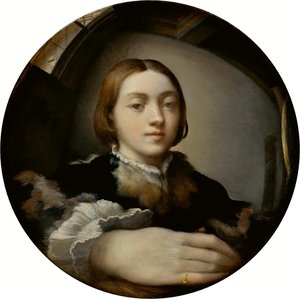
Пармиђанино
1503 - 1540 , Italija
Osnovne informacije
- Artistic Movement Or Style: Мањеризам
- Artists Or Movements Influenced By This Artist: ['Италијанска ренесанса']
- Artists Who Influenced This Artist:
- Коређо
- Рафаел
- Date Of Birth: 11. јануар 1503.
- Date Of Death: 1540.
- Full Name: Ђироламо Франческо Марија Мацола
- Nationality: Италијан
- Notable Artworks:
- Мадона са дугим вратом
- Визија светог Јеронима
- Самопортрет у конвексном огледалу
- Place Of Birth (City And Country): Парма, Италија
Povezani članci
The Nuances of Graphite: Exploring Emotional Depth & Technical Mastery in Pencil Drawing
Explore the captivating world of graphite drawing! Discover its rich history, master essential techniques like chiaroscuro, and learn how artists evoke emotion through this timeless medium. Expert insights for art enthusiasts.
Mannerism's Masters: 10 Artworks That Redefined Renaissance Style | ArtsDot
Explore 10 defining Mannerism masterpieces – from Pontormo to El Greco. Discover the stories behind these Renaissance paintings, their unique style & symbolism. Find museum-quality art reproductions at ArtsDot.com and elevate your home decor.
Sandro Botticelli: 25 Remek-dela Renesansnog Majstora za Vaš Dom | ArtsDot
Uronite u svet Sandro Botticellija! Otkrijte 25 remek-dela renesansnog majstora – od Venere do Primavera. Istorija umetnosti, tehnike i inspiracija za dekoraciju enterijera. Kvalitetne reprodukcije slika na ArtsDot.com.
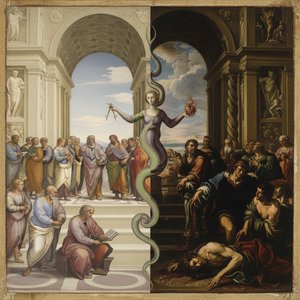
Mannerism: Bridging Renaissance Harmony & Baroque Drama – A Study of Style & Affectation
Explore the fascinating world of Mannerism! Discover its key characteristics, pioneering artists like Pontormo & Bronzino, and its pivotal role in bridging Renaissance harmony to Baroque drama. A comprehensive guide for art enthusiasts.

The Enduring Power of Line: Exploring Themes & Techniques in Drawing Across Art History
Explore the rich history of drawing! Discover key techniques like linear perspective & iconic artists from the Renaissance to modern times. Enhance your art appreciation with ArtsDot.