

 Pošalji
 Podeli
 Detalji o delu

 Преузми
 Slični predmeti
 Slajdovi
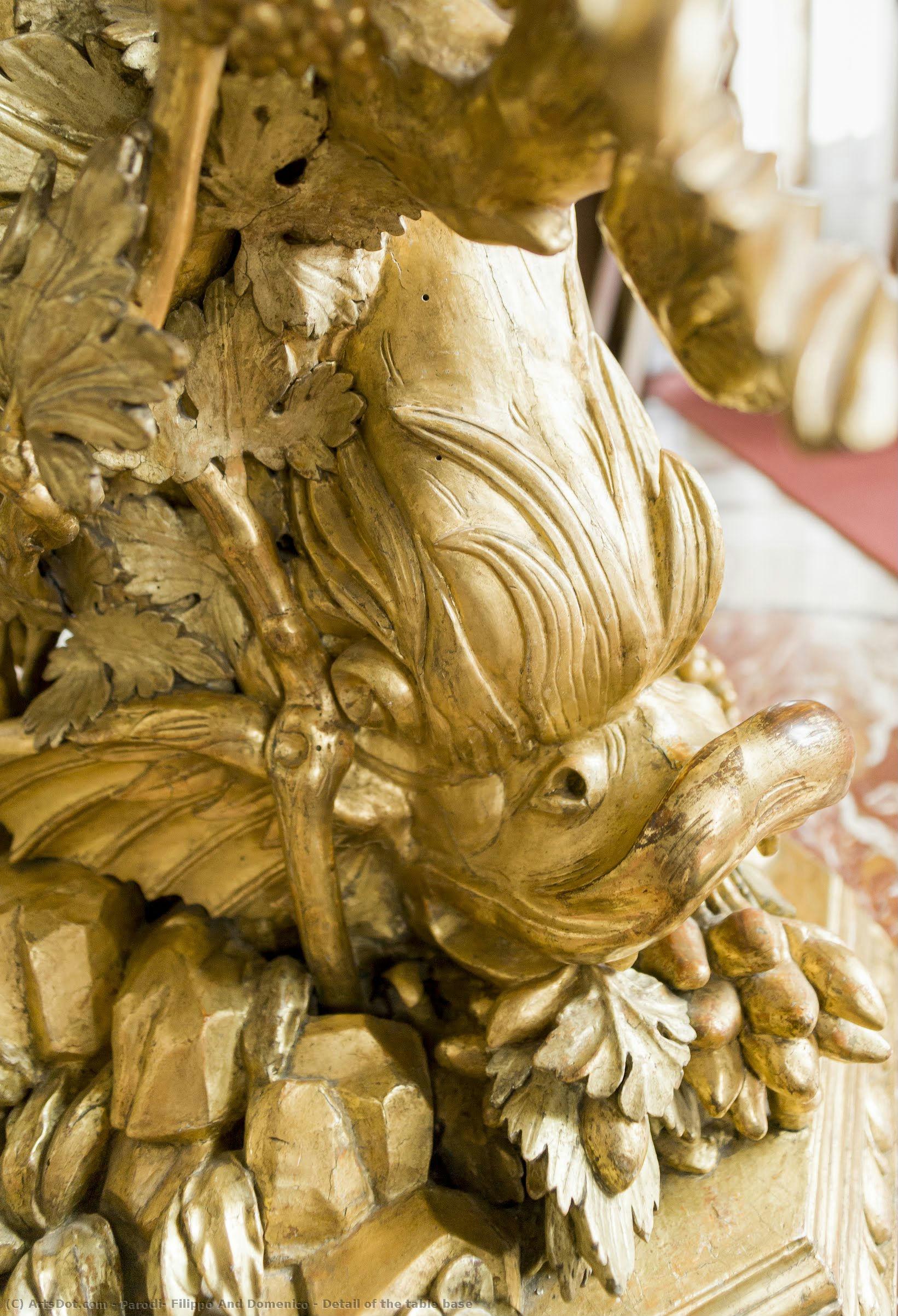
Detail of the table base


 Pročitaj više
Giclee štampa / Umetnički otisak
Giclée štampa ili print na platnu muzejskog kvaliteta uz brzu proizvodnju i fleksibilne opcije završne obrade. ( Kupi ručno naslikanu sliku Kupi digitalnu sliku)




































Izaberite jednu od naših unapred definisanih veličina koje odgovaraju originalnim proporcijama umetničkog dela.

Možete uneti sopstvene dimenzije kako biste umetničko delo prilagodili specifičnom okviru ili prostoru. Ako odabrani format ne odgovara proporcijama originalne slike, mi ćemo ili iscrtati deo dela ili proširiti sliku pomoću ogledane ivice ili jednobojnog popunjavanja. Digitalni prikaz će vam biti poslat na odobrenje pre početka proizvodnje.
Imajte na umu da pregled na ekranu ne odražava stvarno iscrtavanje ili proširivanje. Samo će prikaz (mockup) precizno pokazati finalnu kompoziciju.
Iako su prilagođene dimenzije dostupne, preporučujemo da odaberete dimenziju sa unapred definisane liste kako biste očuvali originalne proporcije.
Dostava širom sveta () za 2 nedelje umesto uobičajenih 4/5 nedelja. (1 септембар)

Besplatna ekspresna dostava širom sveta

Visokokvalitetno laneno platno

Kompletno osiguranje transporta

Garancija povraćaja carine i uvoznih dažbina

Garancija vernosti boja

Politika povrata u roku od 60 dana (samo u slučaju nedostataka)

Garancija povrata novca od 100%

Popust pri grupnoj kupovini
 Opcija sa staklom dostupna je samo za dimenzije manje od 110 cm

Detail of the table base
Giclee štampa / Umetnički otisak
Dimenzije reprodukcije
-


Konačna cena
$ 62
The Opulence of Myth: A Glimpse into Baroque Grandeur
To gaze upon this detail is to be transported directly into the heart of Baroque excess and divine craftsmanship. This exquisite close-up captures not merely a piece of furniture, but a narrative frozen in time—a testament to the unparalleled skill of Italian artisans like Parodi and Domenico. The subject matter itself is intoxicating: an intricate entanglement where mythology meets the lush bounty of nature. Dominating the composition is the magnificent form of a fantastical creature, perhaps a dragon or some serpentine beast, whose gilded scales seem to writhe with captured sunlight. It is a vision of power rendered delicate by the surrounding artistry.
Mastery in Gilding and Subtractive Carving
Technically speaking, this piece speaks volumes about the dedication required for high-end decorative arts of the late Seventeenth Century. The primary medium is wood, elevated to near-precious status through meticulous gilding. One can almost feel the cool weight of the hardwood beneath the shimmering layer of gold leaf. The technique employed is subtractive carving; every curve, every overlapping vein of foliage, and every scale on the creature has been painstakingly removed from a solid block until only the perfect form remained. This level of detail suggests hours, perhaps days, spent under the focused gaze of master craftsmen. The interplay between the deep shadows cast by the overhanging leaves and the brilliant highlights catching the gold creates an almost palpable sense of three-dimensionality.
Symbolism Woven into the Wood
Art from this period rarely exists without layers of meaning, and this base is no exception. The presence of a mythical dragon traditionally symbolizes immense power, majesty, and sometimes even primal energy—a force both awe-inspiring and untamable. Juxtaposed against this formidable creature are the curling vines and ripe fruit, classic symbols of abundance, fertility, and the cyclical nature of life itself. This confluence suggests a harmonious balance: the wild, powerful spirit (the dragon) existing within the ordered beauty of creation (the foliage). It is a visual allegory of enduring strength tempered by natural grace.
An Echo of Grandeur for Modern Spaces
For the contemporary collector or designer, this detail offers an unparalleled opportunity to infuse a space with historical gravitas and undeniable luxury. While its origins are rooted in the opulent courts of 1680 Genoa, its enduring appeal lies in its sheer artistry. Imagine this piece anchoring a console table or serving as a dramatic accent on a grand mantelpiece. Reproducing such work allows one to bring home not just an object, but a curated fragment of Baroque storytelling—a touch of timeless, gilded magic that whispers tales of Italian genius across the centuries.
Srodna umetnička dela



Biografija umetnika
Rembrandt Harmenszoon van Rijn: A Life Illuminated
Rembrandt, a name synonymous with profound emotion and masterful technique, stands as one of the towering figures in Western art history. Born in Leiden on July 15, 1606, into a family of modest means – his father was a draper and later an innkeeper – Rembrandt’s journey to artistic greatness was marked by both struggle and unparalleled achievement. His early life offered little indication of the brilliance that would emerge; he apprenticed as a pigment grinder before dedicating himself fully to painting around 1625, initially producing genre scenes and portraits for a local clientele. The bustling city of Leiden provided an initial training ground, exposing him to the prevailing artistic trends of the time, including the influence of Peter Paul Rubens’ dramatic compositions and Caravaggio's revolutionary use of light and shadow. However, it was in Amsterdam, beginning around 1631, that Rembrandt truly found his voice, establishing himself as a leading artist within the city’s thriving art market.Early Works and the Development of Style
Rembrandt's early career was characterized by a diligent exploration of various genres – portraits, biblical scenes, mythological subjects, and genre paintings depicting everyday life. His *Storming of the City of Dansevuur* (1639), a dramatic depiction of a naval battle, showcases his burgeoning skill in composition and use of light, foreshadowing the intensity that would define much of his later work. During this period, he was heavily influenced by the Baroque style prevalent in the Netherlands, particularly the works of Rubens and Frans Hals. However, Rembrandt quickly distinguished himself through his innovative approach to chiaroscuro – the dramatic contrast between light and dark – a technique borrowed from Caravaggio but developed with a uniquely personal intensity. He wasn’t merely employing darkness for effect; he used it to sculpt form, to evoke mood, and to draw the viewer into the emotional core of his subjects. His portraits, in particular, began to reveal a remarkable ability to capture not just physical likenesses but also the inner lives and personalities of his sitters.The Golden Age of Rembrandt
The 1640s and 50s represent the apex of Rembrandt’s artistic career. During this period, he produced some of his most celebrated works, including *The Night Watch* (1642), a monumental group portrait of Amsterdam civic militia that revolutionized the genre with its dynamic composition, dramatic lighting, and psychological depth. He also painted iconic biblical scenes such as *The Return of the Prodigal Son* (1669) and *The Descent from the Cross* (c. 1653), imbued with profound emotional resonance and a masterful understanding of human suffering and redemption. Rembrandt’s exploration of light became increasingly sophisticated, utilizing subtle gradations of tone to create an almost palpable sense of atmosphere and depth. His use of impasto – applying paint thickly to the canvas – added texture and physicality to his works, further enhancing their expressive power.Later Years and Artistic Innovation
As Rembrandt entered his later years, he continued to experiment with new techniques and approaches. He increasingly focused on self-portraits, offering a poignant reflection of his aging face and evolving artistic vision. These late self-portraits are not merely depictions of physical appearance; they are profound meditations on time, mortality, and the artist’s own creative process. He also explored etching with renewed vigor, producing a vast body of prints that demonstrated his remarkable technical skill and his willingness to push the boundaries of the medium. Despite facing financial difficulties in his final years – exacerbated by extravagant spending and a large family – Rembrandt remained committed to his art until his death on October 4, 1669. His later works, often characterized by a darker palette and a more introspective mood, are nonetheless considered masterpieces of profound emotional depth and artistic integrity.Legacy and Historical Significance
Rembrandt’s influence on the course of Western art is immeasurable. He is revered as one of the greatest painters in history, admired for his unparalleled mastery of light and shadow, his psychological insight, and his ability to capture the essence of human experience. His innovations in portraiture, biblical painting, and etching paved the way for future generations of artists. His work continues to resonate with audiences today, offering a timeless exploration of themes such as faith, suffering, redemption, and the complexities of the human condition. Rembrandt’s legacy extends beyond his individual works; he established a new standard for artistic expression, demonstrating that art could be both technically brilliant and profoundly emotionally moving. He remains an enduring symbol of artistic genius and a testament to the power of the human spirit.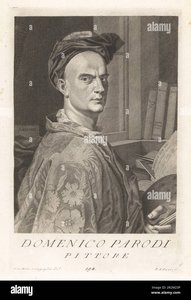
parodi, filippo and domenico
1630 - 1702 , Italy
Osnovne informacije
- Artistic Movement Or Style: Baroque/Early Modern
- Artists Or Movements Influenced By This Artist:
- Romanticism
- Realism
- Artists Who Influenced This Artist:
- Jacob Jordaens
- Peter Paul Rubens
- Date Of Birth: 1630
- Date Of Death: 1702
- Full Name: Rembrandt Harmenszoon van Rijn
- Nationality: Dutch
- Notable Artworks:
- The Night Watch
- The Anatomy Lesson
- Self-Portrait with Saskia
- Place Of Birth: Leiden, Netherlands
Povezani članci

Bronze Sculptures That Defined Art History | ArtsDot
Journey through art history with our Top 10 bronze sculptures! Explore masterpieces by Rodin, Michelangelo & more. Discover stories behind iconic statues and find museum-quality reproductions for your home decor at ArtsDot.com.

The Enduring Form: Exploring Themes & Techniques in Sculpture Across Historical Periods
Explore the rich history of sculpture from ancient masterpieces to contemporary innovations. Discover key techniques, influential artists & investment potential for discerning art collectors.

The Enduring Form: Sculpture Across History, Technique & Emotional Resonance
Explore the rich history of sculpture with ArtsDot. Discover key techniques, influential artists & investment potential for discerning collectors. Expert insights into valuing and collecting timeless masterpieces.

Bronze Age to Modern Masters: 10 Sculptures That Redefined Art | ArtsDot
Journey through art history with 10 legendary bronze sculptures – from Michelangelo's David to Rodin’s Thinker. Explore the stories, techniques & timeless beauty of these masterpieces. Find museum-quality reproductions & elevate your home decor on ArtsDot.com.
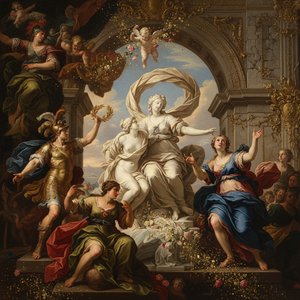
Theatricality & Triumph: Baroque Drama in Painting & Sculpture
Explore the dramatic world of Baroque art! Discover its history, defining characteristics, & lasting influence on painting & sculpture. Expert insights into Caravaggio, Zurbarán, and Bernini – plus high-quality reproductions at ArtsDot.

