

 Pregledaj u prostoru
 Pošalji
 Podeli
 Detalji o delu

 Преузми
 Slični predmeti
 Rendgenski snimak
 Slajdovi
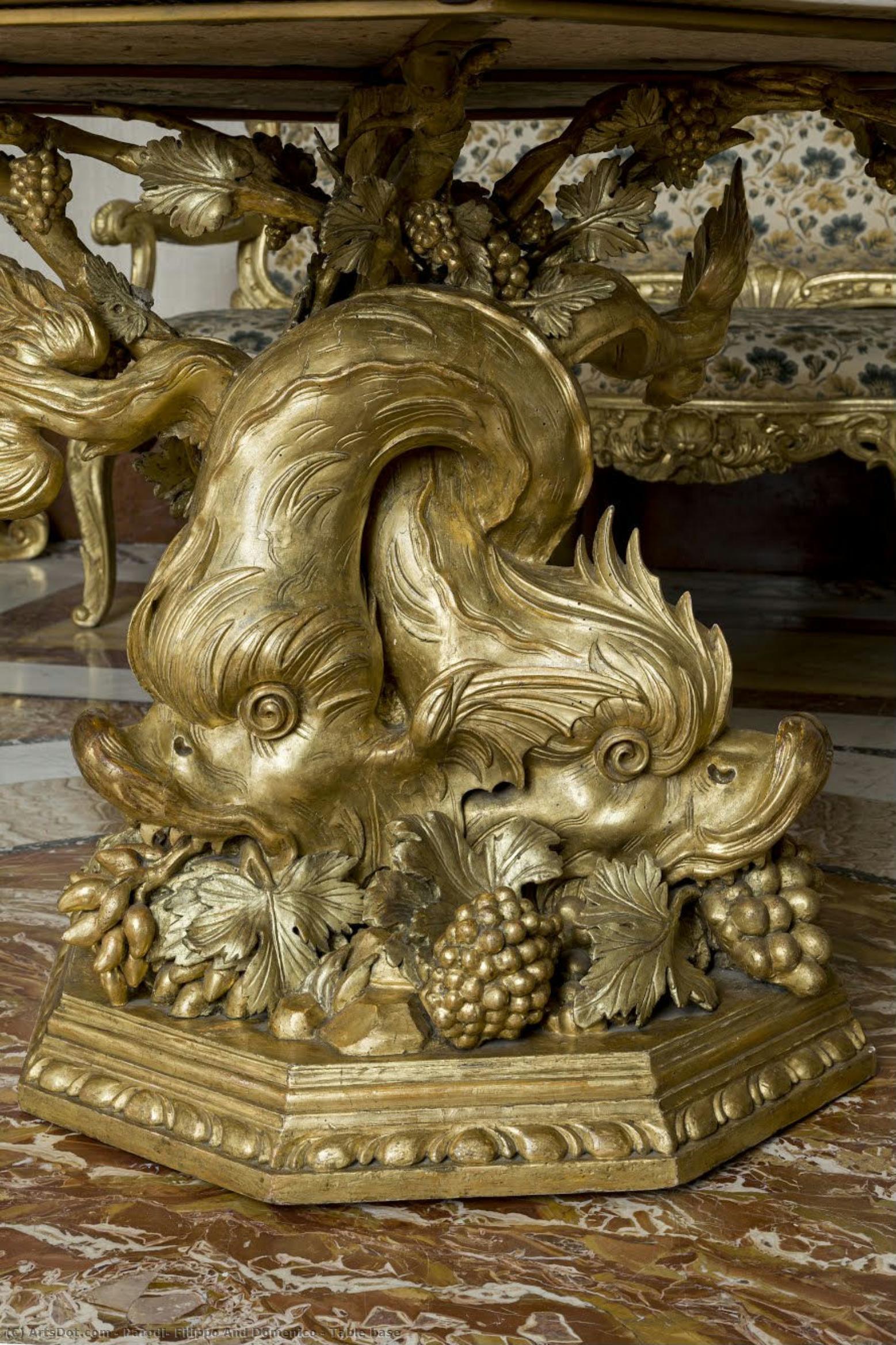
Table base


 Pročitaj više
Kupite digitalnu sliku visoke rezolucije i poboljšanog kvaliteta, koja je znatno superiornija od onoga što vidite u online prikazu.
Svaka datoteka je pedantno pripremljena od strane naših stručnjaka koristeći napredne alate i profesionalnu ručnu retušu. Osiguravamo da svaka slika ima izuzetnu oštrinu, preciznu reprodukciju boja i fine detalje.
Konačna datoteka se dostavlja putem e-pošte u roku od 72 sata, optimizovana za neposrednu upotrebu u profesionalnim, izdavačkim i štamparskim okruženjima. To je isti kvalitet kojem veruju vrhunski studiji dizajna, izdavači i galerije.
Digitalna slika
Preuzmite datoteku visoke rezolucije za ličnu upotrebu, štampanje i kreativne projekte. ( Kupi print Kupi ručno naslikanu sliku)
Uključeno uz svaku porudžbinu digitalne slike
Profesionalna digitalna isporuka, zagarantovana
Kada odaberete ArtsDot.com, ne dobijate samo sliku – vi primate profesionalno unapređeno digitalno umetničko delo, izrađeno sa najvećom preciznošću i uz garanciju zadovoljstva. Evo svega što automatski dolazi uz vašu porudžbinu:

Brza dostava putem e-pošte
Vaša digitalna slika visoke rezolucije biće vam poslata putem e-pošte u roku od 72 sata od poručivanja – spremna za trenutnu upotrebu.

Digitalna datoteka unapređena veštačkom inteligencijom
Vaše umetničko delo je profesionalno optimizovano korišćenjem naprednih AI alata i ručne obrade, čime se osiguravaju maksimalni detalji, oštrina i preciznost boja.

Besplatna ponovna isporuka doživotno
Slučajno ste obrisali ili izgubili svoju datoteku? Ne brinite – poslaćemo vam je ponovo u bilo kom trenutku, potpuno besplatno.

Bez troškova uvoza – zauvek
Uživajte u svojim umetničkim delima trenutno, bez carine, dažbina ili troškova dostave – digitalni download je uvek bez poreza.

Garancija vernosti boja
Uz pomoć profesionalnih alata i upravljanja bojama, osiguravamo da vaša digitalna slika što vernije odražava originalne boje.

Garancija zadovoljstva u roku od 60 dana
Ako niste zadovoljni svojom digitalnom slikom, revidirat ćemo je ili vratiti 100% novca u roku od 60 dana – bez ikakvih pitanja.

100% garancija povrata novca
Niste zadovoljni? Obezbedite pun povrat novca u roku od 60 dana od trenutka kada ste primili svoju digitalnu datoteku – bez suvišnih pitanja.

Popusti na velike porudžbine
Kupite 3 slike, uštedite 10% - Kupite 5 slika, uštedite 15% - Kupite 10+ slika, uštedite 20%. Odlično za kreativne projekte, galerije i agencije.
Srodna umetnička dela




Biografija umetnika
Rembrandt Harmenszoon van Rijn: A Life Illuminated
Rembrandt, a name synonymous with profound emotion and masterful technique, stands as one of the towering figures in Western art history. Born in Leiden on July 15, 1606, into a family of modest means – his father was a draper and later an innkeeper – Rembrandt’s journey to artistic greatness was marked by both struggle and unparalleled achievement. His early life offered little indication of the brilliance that would emerge; he apprenticed as a pigment grinder before dedicating himself fully to painting around 1625, initially producing genre scenes and portraits for a local clientele. The bustling city of Leiden provided an initial training ground, exposing him to the prevailing artistic trends of the time, including the influence of Peter Paul Rubens’ dramatic compositions and Caravaggio's revolutionary use of light and shadow. However, it was in Amsterdam, beginning around 1631, that Rembrandt truly found his voice, establishing himself as a leading artist within the city’s thriving art market.Early Works and the Development of Style
Rembrandt's early career was characterized by a diligent exploration of various genres – portraits, biblical scenes, mythological subjects, and genre paintings depicting everyday life. His *Storming of the City of Dansevuur* (1639), a dramatic depiction of a naval battle, showcases his burgeoning skill in composition and use of light, foreshadowing the intensity that would define much of his later work. During this period, he was heavily influenced by the Baroque style prevalent in the Netherlands, particularly the works of Rubens and Frans Hals. However, Rembrandt quickly distinguished himself through his innovative approach to chiaroscuro – the dramatic contrast between light and dark – a technique borrowed from Caravaggio but developed with a uniquely personal intensity. He wasn’t merely employing darkness for effect; he used it to sculpt form, to evoke mood, and to draw the viewer into the emotional core of his subjects. His portraits, in particular, began to reveal a remarkable ability to capture not just physical likenesses but also the inner lives and personalities of his sitters.The Golden Age of Rembrandt
The 1640s and 50s represent the apex of Rembrandt’s artistic career. During this period, he produced some of his most celebrated works, including *The Night Watch* (1642), a monumental group portrait of Amsterdam civic militia that revolutionized the genre with its dynamic composition, dramatic lighting, and psychological depth. He also painted iconic biblical scenes such as *The Return of the Prodigal Son* (1669) and *The Descent from the Cross* (c. 1653), imbued with profound emotional resonance and a masterful understanding of human suffering and redemption. Rembrandt’s exploration of light became increasingly sophisticated, utilizing subtle gradations of tone to create an almost palpable sense of atmosphere and depth. His use of impasto – applying paint thickly to the canvas – added texture and physicality to his works, further enhancing their expressive power.Later Years and Artistic Innovation
As Rembrandt entered his later years, he continued to experiment with new techniques and approaches. He increasingly focused on self-portraits, offering a poignant reflection of his aging face and evolving artistic vision. These late self-portraits are not merely depictions of physical appearance; they are profound meditations on time, mortality, and the artist’s own creative process. He also explored etching with renewed vigor, producing a vast body of prints that demonstrated his remarkable technical skill and his willingness to push the boundaries of the medium. Despite facing financial difficulties in his final years – exacerbated by extravagant spending and a large family – Rembrandt remained committed to his art until his death on October 4, 1669. His later works, often characterized by a darker palette and a more introspective mood, are nonetheless considered masterpieces of profound emotional depth and artistic integrity.Legacy and Historical Significance
Rembrandt’s influence on the course of Western art is immeasurable. He is revered as one of the greatest painters in history, admired for his unparalleled mastery of light and shadow, his psychological insight, and his ability to capture the essence of human experience. His innovations in portraiture, biblical painting, and etching paved the way for future generations of artists. His work continues to resonate with audiences today, offering a timeless exploration of themes such as faith, suffering, redemption, and the complexities of the human condition. Rembrandt’s legacy extends beyond his individual works; he established a new standard for artistic expression, demonstrating that art could be both technically brilliant and profoundly emotionally moving. He remains an enduring symbol of artistic genius and a testament to the power of the human spirit.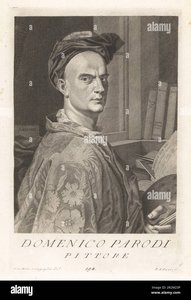
parodi, filippo and domenico
1630 - 1702 , Italy
Kratke činjenice
- Artistic Movement Or Style: Baroque/Early Modern
- Artists Or Movements Influenced By This Artist:
- Romanticism
- Realism
- Artists Who Influenced This Artist:
- Jacob Jordaens
- Peter Paul Rubens
- Date Of Birth: 1630
- Date Of Death: 1702
- Full Name: Rembrandt Harmenszoon van Rijn
- Nationality: Dutch
- Notable Artworks:
- The Night Watch
- The Anatomy Lesson
- Self-Portrait with Saskia
- Place Of Birth: Leiden, Netherlands

