

 Pregledaj u prostoru
 Pošalji
 Podeli
 Detalji o delu

 Преузми
 Slični predmeti
 Rendgenski snimak
 Slajdovi
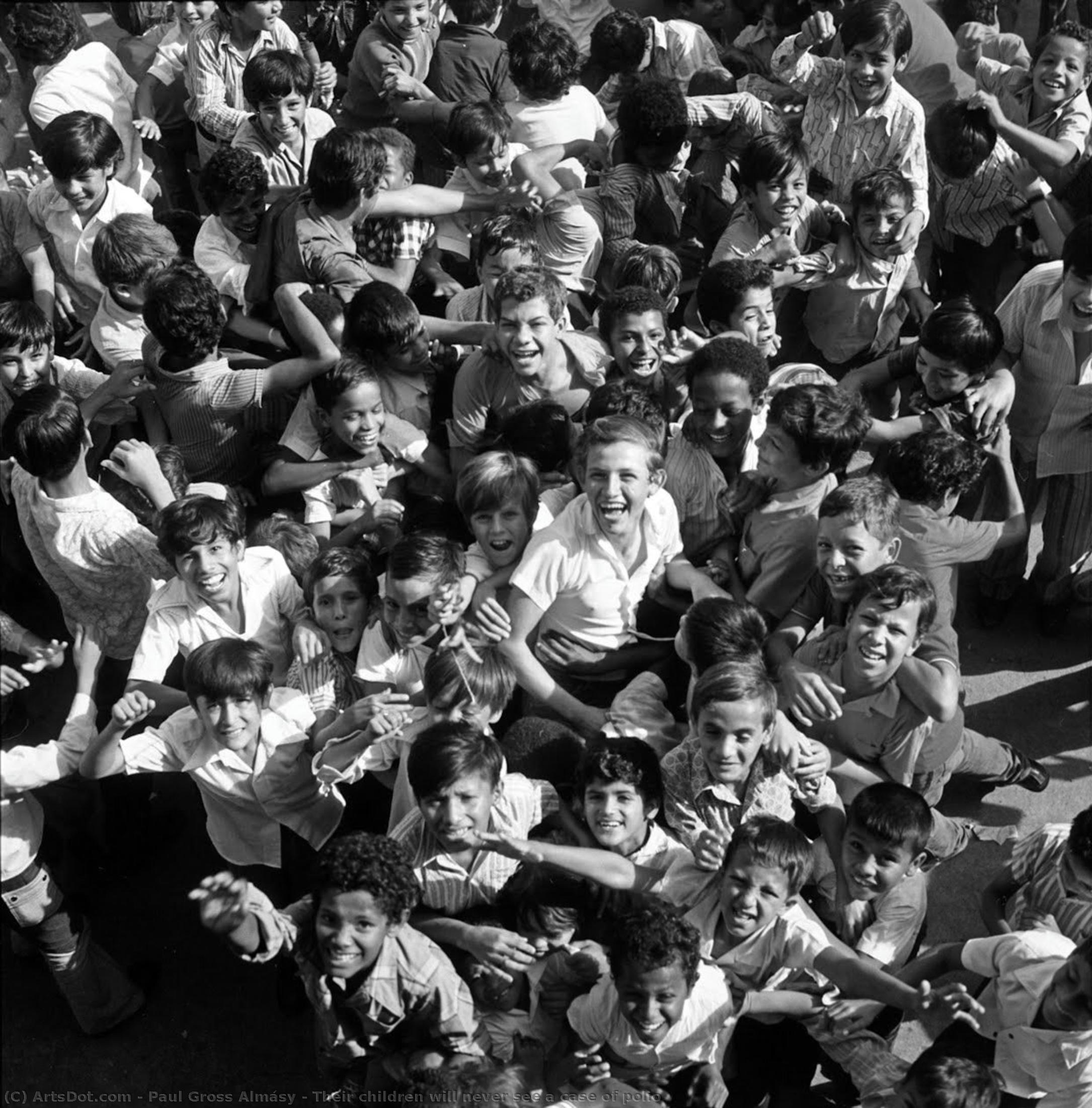
Their children will never see a case of polio


 Pročitaj više
Ručno rađena uljana reprodukcija
Ručno oslikano uljanim bojama na platnu u dimenzijama i okviru po vašem izboru, izrađeno po porudžbini od strane naših umetnika. ( Kupi print Kupi digitalnu sliku)




P118B $10

P118H $10

P118W $10

P438Z $10

P508JH $12

P508YH $12

P805H $10

P805Z $10

P919BZ $10

P919G $10

P919XJ $10

P959ZH $10

P968JZ $12

W106C $8

W218G $10

W218JH $8

W218Y $10

W307PJ $10

W316G $10

W316PJ $8

W316Y $10

W398PJ $8

W4111J $10

W500HY $15

W500JH $15

W692G $12

W849H $8

W940BG $15

W953PJ $8




Izaberite jednu od naših unapred definisanih veličina koje odgovaraju originalnim proporcijama umetničkog dela.

Можете унети сопствене димензије како бисте прилагодили дело одређеном оквиру или простору. Ако одабрана величина не одговара пропорцијама оригинала, слика ће бити исечена или проширена додатним елементима који се ручно насликавају. Дигитални prikaz ће вам бити послат на одобрење пре почетка производње.
Имајте на уму да преглед на екрану не одражава стварно исецање или проширење. Само приказ (mockup) ће тачно приказати коначну композицију.
Иако су доступне прилагођене величине, препоручујемо да одаберете димензију из дефинисане листе како бисте сачували оригиналне пропорције.
Nakon narudžbine, tim ArtsDot.com će klijentu putem e-pošte poslati uputstva i dostaviti prikaz predloženog rešenja
Isporuka širom sveta () za 3/4 nedelje umesto uobičajenih 5 nedelja. (23 август). Bez kompromisa po pitanju kvaliteta.

Besplatna ekspresna dostava širom sveta

Visokokvalitetno laneno platno

Kompletno osiguranje transporta

Garancija povraćaja carine i uvoznih dažbina

Garancija vernosti boja

Politika povrata u roku od 60 dana (samo u slučaju nedostataka)

Garancija povrata novca od 100%

Popust pri grupnoj kupovini
 Opcija sa staklom dostupna je samo za dimenzije manje od 110 cm

Their children will never see a case of polio
Tehnika reprodukcije
Dimenzije reprodukcije
-


Konačna cena
$ 738
Opis umetničkog dela
A Moment Frozen in Time: Paul Almásy’s “Their Children Will Never See a Case of Polio”
Paul Gross Almásy, a name often whispered among aficionados of documentary photography, possessed an extraordinary ability to capture the fleeting essence of human experience. His work transcends mere documentation; it's imbued with empathy and a profound understanding of social history. “Their Children Will Never See a Case of Polio,” created in 1990, stands as a poignant testament to this skill, offering a glimpse into a pivotal moment of public health triumph – the eradication of polio – viewed through the lens of collective joy and hopeful anticipation.
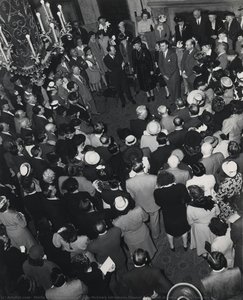
The photograph depicts a densely packed crowd of children and young adults, overwhelmingly African American, gathered together in what appears to be a community celebration. The composition is remarkably dynamic, eschewing a single focal point in favor of a multitude of faces peering out from the mass, creating an immersive experience for the viewer. Almásy’s masterful use of perspective draws us directly into this vibrant scene, conveying a palpable sense of unity and shared optimism. The image isn't staged; it feels genuinely spontaneous, capturing a moment of genuine community spirit.
Technical Mastery and Documentary Precision
Executed in black and white, the photograph’s stark contrasts heighten its emotional impact. Almásy skillfully employs light and shadow to sculpt the figures within the crowd, creating a sense of depth and texture that is both tactile and visually arresting. The grainy quality inherent to the medium adds a layer of authenticity, reminiscent of classic photojournalism from the mid-20th century. The composition itself—a close-up perspective—forces us to confront the faces of these individuals, inviting us to connect with their stories and experiences.
Almásy’s technical approach is remarkably straightforward, prioritizing clarity of image and emotional resonance over elaborate post-processing. The focus remains firmly on capturing the raw energy of the scene – the laughter, the smiles, the shared sense of relief. The photograph's simplicity underscores its power; it’s a testament to Almásy’s ability to tell a compelling story with minimal embellishment.
Symbolism and Historical Context
The title itself—“Their Children Will Never See a Case of Polio”—immediately anchors the image within a specific historical context. The photograph emerged during a time when polio was a terrifying scourge, particularly affecting children. The eradication campaign, spearheaded by Jonas Salk’s vaccine, represented a monumental victory for public health and a beacon of hope for families across the globe. Almásy's image captures this feeling—the anticipation that future generations would be spared the suffering caused by this debilitating disease.
Furthermore, the predominantly African American subject matter is significant. Polio disproportionately affected marginalized communities, highlighting systemic inequalities in healthcare access and outcomes. By centering this group within the frame, Almásy subtly acknowledges the historical injustices faced by these families while simultaneously celebrating their resilience and collective joy. The image becomes a powerful symbol of progress and social justice.
A Legacy of Human Connection
“Their Children Will Never See a Case of Polio” is more than just a photograph; it’s a window into the past, a celebration of human connection, and a reminder of the transformative power of public health initiatives. Paul Almásy's ability to capture such profound emotion with such technical precision solidifies his place as one of the most important documentary photographers of the 20th century. Reproductions of this iconic image offer a valuable opportunity to connect with a pivotal moment in history and appreciate the enduring legacy of hope and resilience.
Srodna umetnička dela

Biografija umetnika
Paul Almásy: A Pioneer of Documentary Photography
Paul Almásy (29 May 1906 in Budapest – 23 September 2003 in Jouars-Pontchartrain) stands as a monumental figure in the history of twentieth-century photography, recognized primarily for his groundbreaking contributions to documentary and portraiture. Born into an artistic family—his father a painter and his mother a writer—Almásy’s formative years instilled within him a profound appreciation for visual storytelling and observation. This early exposure would prove instrumental in shaping his distinctive artistic vision.- Early Years & Artistic Influences: Almásy's upbringing nurtured by the vibrant Hungarian Art Nouveau movement profoundly impacted his aesthetic sensibilities. He absorbed the stylistic principles championed by artists like Gustav Klimt and Alphonse Mucha, recognizing the power of decorative art to convey emotion and narrative complexity.
- Formal Training & Initial Career: Following his studies in Vienna, Munich and Heidelberg, Almásy embarked on a diplomatic career but swiftly abandoned it for journalism—a path that would ultimately prove more rewarding for his artistic pursuits. He honed his skills as a photojournalist, capturing pivotal moments of the era with unwavering dedication.
Documentary Journalism & The Spanish Civil War
Almásy’s journalistic endeavors propelled him to the forefront of visual documentation during turbulent times. His assignments took him across Europe, documenting the unfolding drama of the Spanish Civil War (1936-1939). Armed with his Leica camera—a revolutionary instrument for its time—he tirelessly pursued compelling images that conveyed the human cost of conflict. These photographs weren’t merely records; they were visceral testimonies to suffering and resilience, capturing the faces of ordinary people caught in extraordinary circumstances. His work during this period established him as a fearless chronicler of history.- World War II & Artistic Exploration: As World War II raged across Europe, Almásy continued his photographic explorations, documenting the hardships endured by civilians under Nazi occupation. Simultaneously, he cultivated his artistic interests, experimenting with landscapes and travel photography—a practice that allowed him to synthesize observation and creative expression.
- Portraiture & Artistic Collaborations: Beyond journalistic endeavors, Almásy distinguished himself as a portrait photographer, capturing the essence of influential figures in art, literature and intellectual circles. He collaborated closely with luminaries such as Pablo Picasso, Salvador Dalí, Jean-Paul Sartre, and Albert Camus—artists whose visions he sought to portray authentically.
Swiss Citizenship & Legacy
In 1956, Almásy embraced Swiss citizenship, marking a significant chapter in his personal life. He remained active as a photographer until his death in 2003, continuing to refine his craft and explore new artistic horizons. His photographs—characterized by meticulous composition and evocative tonal palettes—are held in prestigious museums worldwide, cementing his place among the most respected photographers of the twentieth century. Almásy’s enduring legacy resides not only in his stunning images but also in his unwavering commitment to capturing the human experience with sensitivity and integrity.- Notable Achievements: Almásy's photographic work garnered international acclaim, earning him recognition as a pioneer of documentary photography and establishing him as one of Switzerland’s foremost visual artists. His images continue to inspire admiration for their artistic merit and historical significance.
Influences & Artistic Style
Almásy's photographic style was deeply rooted in the principles of Impressionism and Expressionism, reflecting his fascination with capturing fleeting moments of emotion and atmosphere. He skillfully employed natural light—often favoring overcast conditions—to illuminate his subjects with a soft, diffused glow. His compositions were carefully crafted to guide the viewer’s gaze and convey a sense of immediacy, mirroring the spirit of journalistic observation.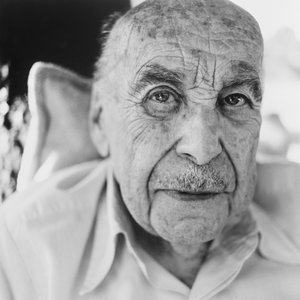
paul gross almásy
1906 - 2003 , Hungary
Osnovne informacije
- Artistic Movement Or Style: Documentary photography
- Artists Or Movements Influenced By This Artist: ['']
- Artists Who Influenced This Artist:
- Pablo Picasso
- Salvador Dali
- Jean-Paul Sartre
- Albert Camus
- Date Of Birth: May 29, 1906
- Full Name: Paul Gross Almásy
- Nationality: Hungarian-Swiss
- Notable Artworks:
- People like you and me
- Tour Eiffel
- Paris
- Place Of Birth: Budapest, Hungary
Povezani članci

Monochrome Visions: Exploring the Aesthetic & Historical Significance of Black & White Photography
Explore the rich history & artistic power of black and white photography. From early techniques to iconic masters like Ansel Adams, discover why monochrome continues to captivate art lovers today. Expert insights for collectors.

White on Canvas: 10 Masterpieces & Timeless Elegance for Your Home Decor
Explore 10 iconic white paintings by Monet, Whistler & Rothko! Discover the stories behind these serene masterpieces and their impact on art history. Find museum-quality reproductions for your home decor at .
Paul Klee: 25 Remek-dela za Ljubitelje Umetnosti i Inspirisan Dekor Doma
Istražite 25 remek-dela Paula Klea! Otkrijte priče iza ikoničnih slika, apstraktnog ekspresionizma i bogate palete boja. Inspiracija za dekoraciju enterijera & reprodukcije vrhunskog kvaliteta na ArtsDot.com.

Beyond the Lens: Photography's Enduring Influence on Modern & Contemporary Art
Explore photography's pivotal role in shaping modern & contemporary art. Discover key movements, influential artists like Stieglitz, and expert collecting advice from ArtsDot.

Timeless & Chic: Elevating Your New Home with the Sophistication of Black and White Photography
Transform your new home with the timeless allure of black and white photography. ArtsDot.com specializes in elegant monochrome decor and custom hand-painted wedding portraits that turn cherished milestones into lasting, soulful masterpieces. Elevate your space with ease.

