

 Pregledaj u prostoru
 Pošalji
 Podeli
 Detalji o delu

 Преузми
 Slični predmeti
 Rendgenski snimak
 Slajdovi
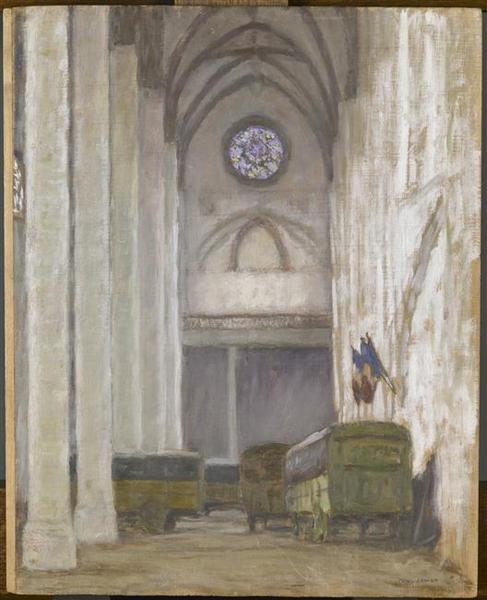
VUE INTERIEURE DE L'EGLISE DES JACOBINS DE TOULOUSE EN 1916


 Pročitaj više
Ručno rađena uljana reprodukcija
Ručno oslikano uljanim bojama na platnu u dimenzijama i okviru po vašem izboru, izrađeno po porudžbini od strane naših umetnika. ( Kupi print Kupi digitalnu sliku)




P118B $10

P118H $10

P118W $10

P438Z $10

P508JH $12

P508YH $12

P805H $10

P805Z $10

P919BZ $10

P919G $10

P919XJ $10

P959ZH $10

P968JZ $12

W106C $8

W218G $10

W218JH $8

W218Y $10

W307PJ $10

W316G $10

W316PJ $8

W316Y $10

W398PJ $8

W4111J $10

W500HY $15

W500JH $15

W692G $12

W849H $8

W940BG $15

W953PJ $8




Izaberite jednu od naših unapred definisanih veličina koje odgovaraju originalnim proporcijama umetničkog dela.

Можете унети сопствене димензије како бисте прилагодили дело одређеном оквиру или простору. Ако одабрана величина не одговара пропорцијама оригинала, слика ће бити исечена или проширена додатним елементима који се ручно насликавају. Дигитални prikaz ће вам бити послат на одобрење пре почетка производње.
Имајте на уму да преглед на екрану не одражава стварно исецање или проширење. Само приказ (mockup) ће тачно приказати коначну композицију.
Иако су доступне прилагођене величине, препоручујемо да одаберете димензију из дефинисане листе како бисте сачували оригиналне пропорције.
Nakon narudžbine, tim ArtsDot.com će klijentu putem e-pošte poslati uputstva i dostaviti prikaz predloženog rešenja
Isporuka širom sveta () za 3/4 nedelje umesto uobičajenih 5 nedelja. (26 август). Bez kompromisa po pitanju kvaliteta.

Besplatna ekspresna dostava širom sveta

Visokokvalitetno laneno platno

Kompletno osiguranje transporta

Garancija povraćaja carine i uvoznih dažbina

Garancija vernosti boja

Politika povrata u roku od 60 dana (samo u slučaju nedostataka)

Garancija povrata novca od 100%

Popust pri grupnoj kupovini
 Opcija sa staklom dostupna je samo za dimenzije manje od 110 cm

VUE INTERIEURE DE L'EGLISE DES JACOBINS DE TOULOUSE EN 1916
Tehnika reprodukcije
Dimenzije reprodukcije
-


Konačna cena
$ 263
Opis umetničkog dela
Vue intérieure de l'église des Jacobins de Toulouse en 1916: A Symphony of Light and Silence
Paul Jamot’s “VUE INTERIEURE DE L'EGLISE DES JACOBINS DE TOULOUSE EN 1916” transcends mere representation; it embodies a profound meditation on spirituality and the passage of time. Painted in February 1916, during the tumultuous years of World War I, this monumental canvas captures an interior view of Toulouse’s Jacobins Church—a space rendered with meticulous detail yet imbued with an ethereal quality that speaks to Munchian sensibilities. The artwork immediately draws the eye upwards towards a towering vaulted ceiling dominated by a magnificent stained-glass window depicting biblical figures bathed in radiant light. This central element serves as a focal point, symbolizing faith and divine illumination amidst the anxieties of the era. The perspective skillfully guides the viewer’s gaze along the vertical columns—massive structures that anchor the composition and contribute to an overwhelming sense of grandeur. These columns are rendered with subtle gradations of grey and beige, reflecting the muted palette characteristic of Impressionism and hinting at the solemn atmosphere within the church. Jamot's technique is masterful – employing oil paint on canvas with a deliberate layering process. Brushstrokes are loose yet purposeful, capturing not just the physical contours of the architecture but also the diffused light filtering through the stained glass. This blending creates an illusion of depth and texture, mirroring the way Munch explored psychological landscapes in his paintings. The artist’s aim wasn't to achieve photographic accuracy; rather, he sought to convey the emotional resonance of the scene—a quiet contemplation punctuated by flashes of color from the window.- Style: Impressionism
- Medium: Oil Paint on Canvas
- Historical Context: World War I – Reflecting a desire for solace and spiritual reflection amidst conflict
- Paul Jamot’s “VUE INTERIEURE” captures a textured, impressionistic church interior in Toulouse (1918). Gothic arches & earthy tones evoke grandeur. Explore this unique artwork!
- Paul Jamot’s “VUE INTERIEURE” captures a textured, impressionistic church interior in Toulouse (1918). Gothic arches & earthy tones evoke grandeur. Explore this unique artwork!
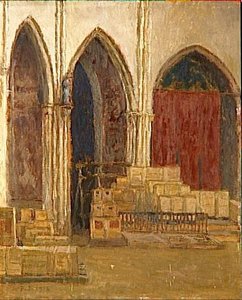
- Paul Jamot’s “L'église des Jacobins de Toulouse au printemps” – A serene depiction of Toulouse’s iconic church.
Srodna umetnička dela


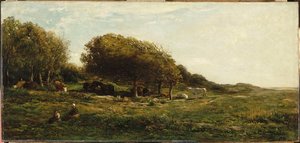
Biografija umetnika
A Polymath of the Arts: The Life and Legacy of Paul Jamot
Born in Paris on December 22, 1863, Paul Jamot was a man whose life was defined by an extraordinary intersection of artistic creation, scholarly rigor, and cultural stewardship. While many remember him as a painter, his influence extended far beyond the canvas, reaching into the very foundations of French museum curation and archaeological discovery. An alumnus of the prestigious École normale supérieure, Jamot possessed a rare intellectual versatility that allowed him to navigate the delicate realms of both fine art and classical history with equal grace. His early years were marked by an adventurous spirit, exemplified by his membership in the French School at Athens in 1887, where he embarked on profound explorations of the Greek landscape, specifically the valley of the Spercheios and the ancient sites of Argos.
The scholarly pursuits of Jamot were as much about preservation as they were about discovery. Between 1888 and 1891, he led significant excavations in the valley of the Muses in Thespies, a period that cemented his reputation as a meticulous researcher. His dedication to antiquity resulted in the collection of vital inscriptions, including the famed stele of Hesiod, and culminated in the publication of his evocative travelogue, En Grèce avec Charalambos Eugénidis. This deep connection to the classical past provided a structural and historical weight to his artistic sensibilities, informing a worldview that saw the beauty of the ancient world reflected in the contemporary light of his own era.
The Impressionist Vision and Architectural Grandeur
As an artist, Jamot found himself deeply immersed in the evolving language of Impressionism. His work often sought to capture the ephemeral qualities of light and atmosphere, moving away from rigid academicism toward a more sensory experience of space. One of his most poignant achievements can be seen in his depictions of sacred architecture, such as his masterful views of the Église des Jacobins de Toulouse. In these works, painted during the transformative years of the First World War, Jamot utilized visible brushstrokes and a rich, earthy palette of ochre and umber to breathe life into Gothic arches and stone interiors.
His technique was not merely about recording a scene but about evoking a mood—a symphony of light and silence. In his 1916 and 1918 canvases of the Toulouse cathedral, he captured the structural majesty of the space while subtly hinting at the resilience of France during a period of immense national upheaval. Through the use of diffused lighting and textured surfaces, Jamot transformed architectural studies into profound meditations on spirituality and the passage of time, proving that the Impressionist method could convey both the physical weight of history and the lightness of a passing moment.
A Legacy of Stewardship and Cultural Enrichment
Beyond his personal creative output, Paul Jamot’s most enduring contribution to the art world may lie in his role as a guardian of cultural heritage. As a distinguished curator and museum director, he held significant positions that shaped the collections of France's most beloved institutions. His career saw him serving as an honorary curator of the Louvre and as the director of the Reims museum from 1927 until his death in 1939. His expertise was recognized with the highest honors, including being named a commandeur of the Legion of Honour and becoming a member of the Institute of France.
Jamot’s devotion to art was ultimately selfless; he bequeathed to the city of Reims a magnificent collection of paintings that serves as a testament to his discerning eye. This collection, featuring masters such as Corot, Courbet, and Delacroix, ensures that his passion for beauty continues to inspire generations of viewers. Through his dual identity as a painter who captured the light of the present and a curator who preserved the shadows of the past, Paul Jamot remains a vital figure in the narrative of French cultural history.
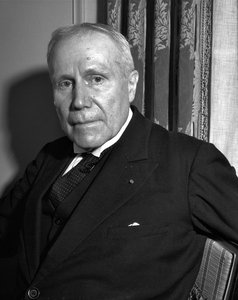
paul jamot
1863 - 1939
Osnovne informacije
- Artistic Movement Or Style: Expressionism, Symbolism
- Artists Or Movements Influenced By This Artist: ['German Expressionism']
- Artists Who Influenced This Artist:
- Vincent van Gogh
- Paul Gauguin
- Date Of Birth: December 12, 1863
- Date Of Death: January 23, 1944
- Full Name: Edvard Munch
- Nationality: Norwegian
- Notable Artworks:
- The Scream
- Madonna
- Death
- Place Of Birth: Løten, Norway
Povezani članci

Paul Cézanne: 25 Remek-dela Revolucionarnog Umjetnika | ArtsDot
Istražite 25 remek-dela Paula Cézanna, revolucionarnog slikara impresionizma i postimpresionizma. Otkrijte priče iza ikoničnih pejzaža, portreta i mrtve prirode. Kupite luksuzne reprodukcije slika na ArtsDot.com!
Paul Klee: 25 Remek-dela za Ljubitelje Umetnosti i Inspirisan Dekor Doma
Istražite 25 remek-dela Paula Klea! Otkrijte priče iza ikoničnih slika, apstraktnog ekspresionizma i bogate palete boja. Inspiracija za dekoraciju enterijera & reprodukcije vrhunskog kvaliteta na ArtsDot.com.
Impressionism's Masterpieces: 10 Paintings That Defined a Movement | ArtsDot
Journey through Impressionism's heart with 10 iconic paintings by Monet, Renoir & Degas. Explore light, color & the stories behind these masterpieces. Find museum-quality art reproductions and elevate your home decor on ArtsDot.com.
Intimate Interiors: Domestic Life & Artistic Representation from Renaissance to Impressionism
Explore the evolution of domestic life in Western art from the Renaissance to Impressionism. Discover symbolism, realism & artistic techniques shaping intimate interior scenes. Learn more with ArtsDot.
Paul Huet: Capturing the Essence of French Romanticism Through Light and Landscape
Explore the captivating world of Paul Huet (1803-1869), a master of French Romantic landscape painting. Discover his influence on Barbizon & Impressionism, and browse high-quality reproductions at ArtsDot.


