

 Pregledaj u prostoru
 Pošalji
 Podeli
 Detalji o delu

 Преузми
 Slični predmeti
 Rendgenski snimak
 Slajdovi
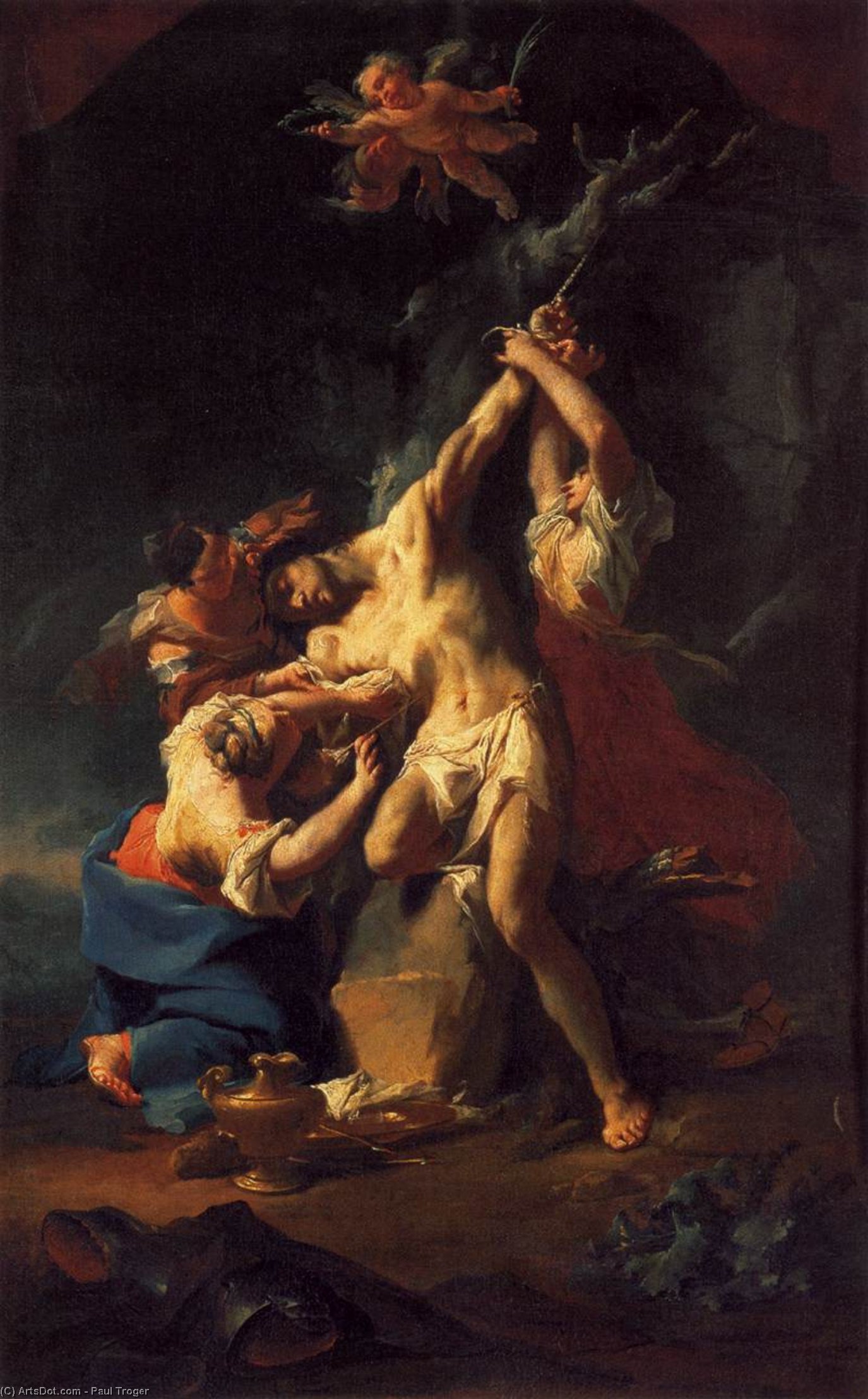
St Sebastian and the Women
 Oil On Canvas
- WallArt
- Baroque Illusionism
 1746
1746- Early Modern
 60.0 x 37.0 cm
 Austrian Gallery Belvedere
 Pročitaj više
Kupite digitalnu sliku visoke rezolucije i poboljšanog kvaliteta, koja je znatno superiornija od onoga što vidite u online prikazu.
Svaka datoteka je pedantno pripremljena od strane naših stručnjaka koristeći napredne alate i profesionalnu ručnu retušu. Osiguravamo da svaka slika ima izuzetnu oštrinu, preciznu reprodukciju boja i fine detalje.
Konačna datoteka se dostavlja putem e-pošte u roku od 72 sata, optimizovana za neposrednu upotrebu u profesionalnim, izdavačkim i štamparskim okruženjima. To je isti kvalitet kojem veruju vrhunski studiji dizajna, izdavači i galerije.
Digitalna slika
Preuzmite datoteku visoke rezolucije za ličnu upotrebu, štampanje i kreativne projekte. ( Kupi print Kupi ručno naslikanu sliku)
Uključeno uz svaku porudžbinu digitalne slike
Profesionalna digitalna isporuka, zagarantovana
Kada odaberete ArtsDot.com, ne dobijate samo sliku – vi primate profesionalno unapređeno digitalno umetničko delo, izrađeno sa najvećom preciznošću i uz garanciju zadovoljstva. Evo svega što automatski dolazi uz vašu porudžbinu:

Brza dostava putem e-pošte
Vaša digitalna slika visoke rezolucije biće vam poslata putem e-pošte u roku od 72 sata od poručivanja – spremna za trenutnu upotrebu.

Digitalna datoteka unapređena veštačkom inteligencijom
Vaše umetničko delo je profesionalno optimizovano korišćenjem naprednih AI alata i ručne obrade, čime se osiguravaju maksimalni detalji, oštrina i preciznost boja.

Besplatna ponovna isporuka doživotno
Slučajno ste obrisali ili izgubili svoju datoteku? Ne brinite – poslaćemo vam je ponovo u bilo kom trenutku, potpuno besplatno.

Bez troškova uvoza – zauvek
Uživajte u svojim umetničkim delima trenutno, bez carine, dažbina ili troškova dostave – digitalni download je uvek bez poreza.

Garancija vernosti boja
Uz pomoć profesionalnih alata i upravljanja bojama, osiguravamo da vaša digitalna slika što vernije odražava originalne boje.

Garancija zadovoljstva u roku od 100 dana
Ako niste zadovoljni svojom digitalnom slikom, revidirat ćemo je ili vratiti 100% novca u roku od 100 dana – bez ikakvih pitanja.

100% garancija povrata novca
Niste zadovoljni? Obezbedite pun povrat novca u roku od 100 dana od trenutka kada ste primili svoju digitalnu datoteku – bez suvišnih pitanja.

Popusti na velike porudžbine
Kupite 3 slike, uštedite 10% - Kupite 5 slika, uštedite 15% - Kupite 10+ slika, uštedite 20%. Odlično za kreativne projekte, galerije i agencije.
A Window Into Baroque Drama: Paul Troger’s St Sebastian and the Women
Paul Troger (1698-1762) stands as a pivotal figure in the history of Austrian art, a master whose dramatic frescoes and meticulously crafted drawings profoundly shaped the visual landscape of his era. Born in Welsberg, a small village nestled within the Tyrolean Alps, Troger’s artistic journey began amidst the traditions of Alpine craftsmanship, yet he rapidly embraced and transformed the burgeoning Baroque style, ultimately pioneering a distinctive approach characterized by vibrant color, dynamic movement, and an unprecedented sense of illusionism. His legacy extends far beyond his individual works; he served as a crucial bridge between the weighty darkness of early 18th-century painting and the lighter, more playful aesthetics of the Rococo, profoundly influencing generations of Austrian artists. Troger’s formative years were spent under the patronage of the influential von Firmian family in Fiume (present-day Rijeka, Croatia). This early exposure to aristocratic taste instilled in him a meticulous attention to detail and an understanding of how art could serve as a vehicle for conveying complex narratives and emotions—qualities that would define his artistic output throughout his career. He quickly ascended the ranks of Viennese artistic circles, establishing himself as a respected teacher and securing commissions from prominent patrons eager to adorn their residences with masterpieces reflecting the grandeur of Habsburg rule.- Subject Matter: The painting depicts St Sebastian, a saint revered for his martyrdom during Diocletian’s persecution of Christians—a subject rife with religious symbolism and representing themes of suffering, faith, and divine compassion.
- Style & Technique: Troger's work exemplifies the Baroque style, prioritizing theatricality and emotional intensity. He employed a masterful technique known as *trompe l'oeil*, creating an illusionistic depth that draws viewers into the scene, blurring the boundaries between reality and representation. The artist skillfully utilized chiaroscuro—the dramatic interplay of light and shadow—to heighten the sense of drama and emphasize St Sebastian’s vulnerability.
Srodna umetnička dela


Biografija umetnika
Paul Troger: Architect of Austrian Light
Paul Troger (1698-1762) stands as a pivotal figure in the history of Austrian art, a master whose dramatic frescoes and meticulously crafted drawings profoundly shaped the visual landscape of his era. Born in Welsberg, a small village nestled within the Tyrolean Alps, Troger’s artistic journey began amidst the traditions of Alpine craftsmanship, yet he rapidly embraced and transformed the burgeoning Baroque style, ultimately pioneering a distinctive approach characterized by vibrant color, dynamic movement, and an unprecedented sense of illusionism. His legacy extends far beyond his individual works; he served as a crucial bridge between the weighty darkness of early 18th-century painting and the lighter, more playful aesthetics of the Rococo, profoundly influencing generations of Austrian artists.
Troger’s formative years were spent under the patronage of the influential von Firmian family in Fiume (present-day Rijeka, Croatia). This early exposure to artistic refinement led him to study with Giuseppe Alberti, a renowned humanist scholar and artist. However, it was his subsequent sojourn in Venice that truly ignited his creative spirit. Immersed in the vibrant art scene of the Venetian Republic, Troger encountered the works of Giovanni Battista Piazzetta and Giovanni Battista Pittoni – masters of color and composition who instilled within him a deep appreciation for theatricality and visual drama. Crucially, he also benefited from the rigorous training offered by Sebastiano Ricci, absorbing the techniques of Roman painting and developing his own distinctive style.
Returning to Austria, Troger initially worked in Salzburg, honing his skills before establishing himself permanently in Vienna. It was here that he truly ascended to prominence, becoming the favored fresco painter for numerous monasteries throughout Lower Austria. His commissions were not merely decorative; they represented significant investments in religious and architectural grandeur. The Abbey of Melk, with its magnificent Marble Hall and Library, stands as a testament to Troger’s skill – his frescoes there depicting the Apotheosis of Charles VI as Apollo are particularly celebrated for their scale, dynamism, and masterful use of light. Similarly, his work at Göttweig Abbey, featuring an equally impressive depiction of the Apotheosis, showcases his ability to create immersive environments that transport viewers into realms of divine splendor.
Troger’s artistic philosophy was rooted in a deliberate rejection of the prevailing dark palette favored by earlier Baroque painters. He championed a brighter, more luminous style – a characteristic often referred to as the *leichte Manier* (light manner) – that reflected the emerging Rococo aesthetic and offered a refreshing contrast to the somber tones of the past. This shift was not merely superficial; it represented a fundamental change in how artists approached space, light, and color. Troger’s frescoes are characterized by an astonishing sense of depth and perspective, achieved through subtle gradations of tone and the strategic placement of figures within complex compositions. His ability to create the illusion of three-dimensional space on a flat surface was truly remarkable, earning him widespread acclaim and establishing him as a leading innovator in his field.
The Maestro’s Classroom: Influence and Legacy
Beyond his own prolific output, Paul Troger exerted a profound influence on a generation of Austrian artists. He served as professor at the Imperial Academy of Fine Arts in Vienna, where he mentored numerous students who went on to achieve considerable success. Franz Anton Maulbertsch, arguably his most gifted pupil, inherited Troger’s dramatic style and continued to develop it along independent lines. Other notable students included Franz Karl Palko and Josef Siegmund Keller, each carrying forward elements of Troger's innovative approach.
Troger’s impact extended beyond the immediate circle of his pupils. His work served as a crucial bridge between the weighty traditions of the late Baroque and the lighter, more playful sensibilities of the Rococo. He demonstrated how to effectively utilize color and light to create dynamic compositions that engaged the viewer's imagination. His emphasis on illusionism paved the way for later developments in Austrian painting, influencing artists who sought to capture the fleeting beauty of nature and the emotional intensity of human experience.
Key Works: A Showcase of Artistic Mastery
- Frescoes of the Church of the Englische Fräulein in St. Pölten (1729/1730): This work exemplifies Troger’s ability to create dramatic narratives within a confined space, utilizing vibrant colors and dynamic figures to convey religious themes.
- The Apotheosis of Charles VI as Apollo at Göttweig Abbey (1739): A monumental fresco that showcases Troger's mastery of scale, composition, and illusionistic technique. The depiction of the Habsburg emperor as Apollo is particularly striking in its grandeur and theatricality.
- Frescoes in the Marble Hall and Library of Melk Abbey (1732-1733): These frescoes are renowned for their intricate detail, luminous colors, and masterful use of perspective. They represent a pinnacle of Troger’s artistic achievement.
- Vision of St. Ulrich at the Battle of Lechfeld, St Ulrich, Vienna (1752): A powerful depiction of a pivotal moment in Austrian history, showcasing Troger's ability to combine religious symbolism with historical narrative.
A Lasting Impression: Historical Significance
Paul Troger’s legacy extends far beyond the confines of his individual works. He played a crucial role in shaping the artistic identity of Austria during the late Baroque and early Rococo periods. His innovative approach to fresco painting – characterized by its vibrant colors, dynamic movement, and unprecedented sense of illusionism – profoundly influenced subsequent generations of Austrian artists. Troger’s work continues to be admired for its beauty, drama, and technical brilliance, solidifying his place as one of the most important figures in the history of Austrian art.
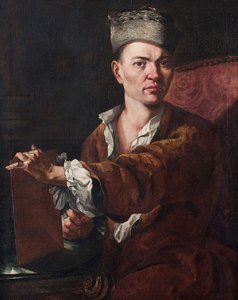
Paul Troger
1698 - 1762