

 Pregledaj u prostoru
 Pošalji
 Podeli
 Detalji o delu

 Преузми
 Slični predmeti
 Rendgenski snimak
 Slajdovi
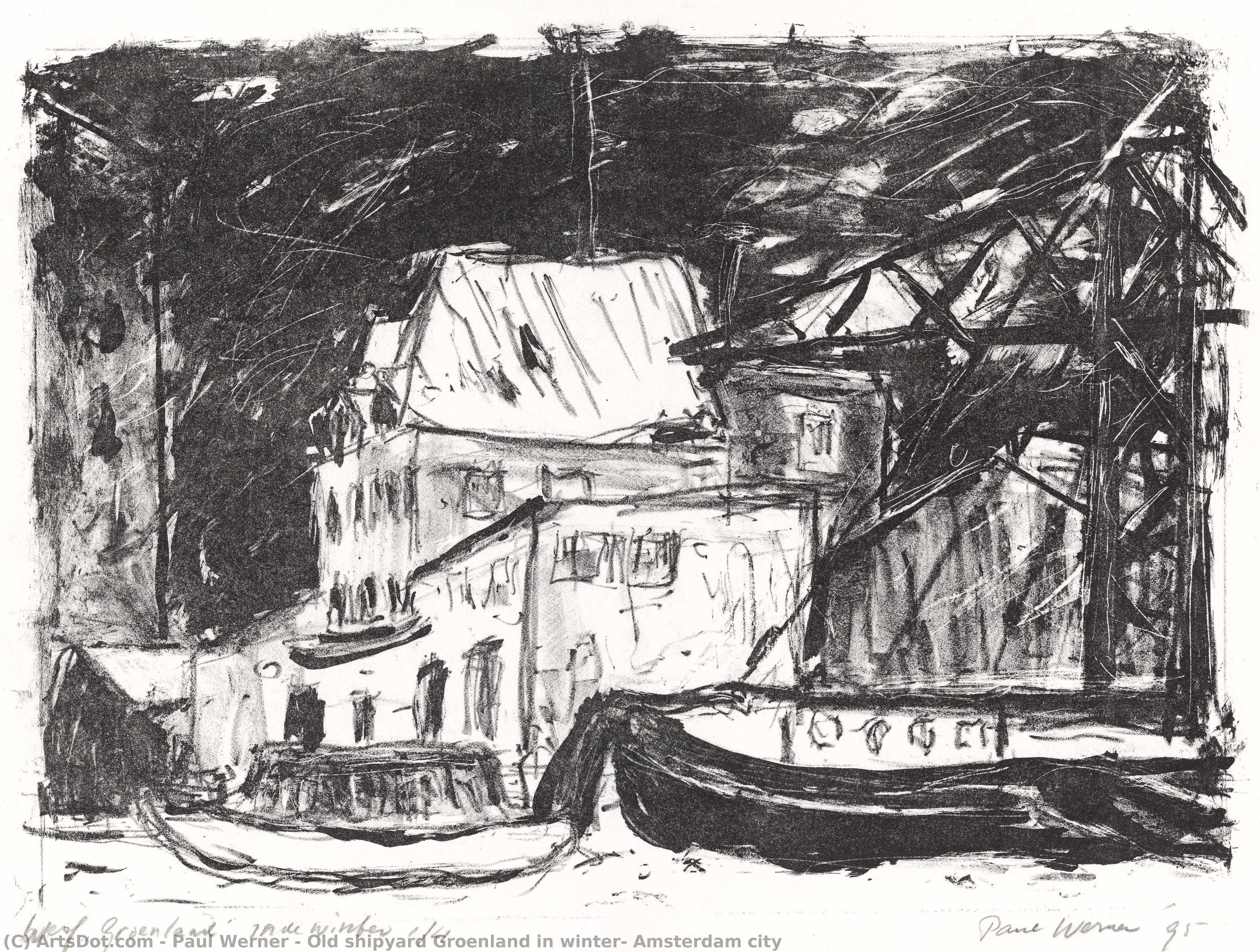
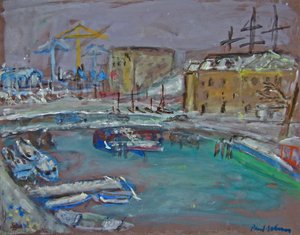
Old shipyard Groenland in winter, Amsterdam city
 Expressionism
 1995
1995 26.0 x 35.0 cm
 Pročitaj više
Ručno rađena uljana reprodukcija
Ručno oslikano uljanim bojama na platnu u dimenzijama i okviru po vašem izboru, izrađeno po porudžbini od strane naših umetnika. ( Kupi print Kupi digitalnu sliku)




































Izaberite jednu od naših unapred definisanih veličina koje odgovaraju originalnim proporcijama umetničkog dela.

Можете унети сопствене димензије како бисте прилагодили дело одређеном оквиру или простору. Ако одабрана величина не одговара пропорцијама оригинала, слика ће бити исечена или проширена додатним елементима који се ручно насликавају. Дигитални prikaz ће вам бити послат на одобрење пре почетка производње.
Имајте на уму да преглед на екрану не одражава стварно исецање или проширење. Само приказ (mockup) ће тачно приказати коначну композицију.
Иако су доступне прилагођене величине, препоручујемо да одаберете димензију из дефинисане листе како бисте сачували оригиналне пропорције.
Nakon narudžbine, tim ArtsDot.com će klijentu putem e-pošte poslati uputstva i dostaviti prikaz predloženog rešenja
Isporuka širom sveta () za 3/4 nedelje umesto uobičajenih 5 nedelja. (25 август). Bez kompromisa po pitanju kvaliteta.

Besplatna ekspresna dostava širom sveta

Visokokvalitetno laneno platno

Kompletno osiguranje transporta

Garancija povraćaja carine i uvoznih dažbina

Garancija vernosti boja

Politika povrata u roku od 60 dana (samo u slučaju nedostataka)

Garancija povrata novca od 100%

Popust pri grupnoj kupovini
 Opcija sa staklom dostupna je samo za dimenzije manje od 110 cm

Old shipyard Groenland in winter, Amsterdam city
Tehnika reprodukcije
Dimenzije reprodukcije
-


Konačna cena
$ 263
Srodna umetnička dela
Biografija umetnika
A Life Immersed in Expression: The World of Paul Werner
Paul Werner, a Dutch artist born in Arnhem in 1930 and passing away in 2013, dedicated his life to capturing the emotional resonance of the world around him. His artistic journey unfolded primarily through the lens of figurative expressionism, a style he embraced with unwavering commitment for over half a century, from 1959 until his death. Werner wasn’t merely depicting scenes; he was translating feelings—the weight of urban change, the quiet dignity of nature, and the complexities of the human condition—onto canvas and paper. His roots in Arnhem, a city bordering Germany along the Rhine River, perhaps instilled an early sensitivity to both beauty and the undercurrents of history that would later inform his work. Though biographical details remain somewhat sparse, the sheer volume and consistency of his output speak volumes about a life deeply intertwined with artistic exploration.The Amsterdam Years: A Focus on Urban Landscapes
Werner’s most significant period of activity centered around the vibrant art scene of Amsterdam. It was here that he truly honed his distinctive style, becoming known for paintings and drawings that often featured the city's evolving landscape. He wasn’t interested in pristine representations; instead, his work reflects a dynamic engagement with urban encroachment—the relentless march of development juxtaposed against the enduring resilience of nature. Paintings like “Tree Transport in Amsterdam” exemplify this tension, utilizing bold colors and an impasto texture to evoke a sense of movement and perhaps even unease. The city became his laboratory, a place where he could explore themes of change, memory, and the delicate balance between the man-made and the natural world. He wasn’t simply documenting Amsterdam; he was interpreting its soul, revealing layers of emotion beneath the surface of everyday life.Technique and Influences: A Blend of Observation and Intuition
Werner's preferred medium was gouache on paper, a choice that allowed for both vibrant color and textural depth. He often worked *en plein air*, directly observing his subjects—the coasts and cliffs of Brittany and Normandy in France, the flat Dutch countryside, Amsterdam’s harbors—and translating those observations into expressive compositions. However, his work wasn't about strict realism. Werner embraced a degree of abstraction, allowing colors to emerge from his experience and intuition rather than adhering to naturalistic palettes. This pursuit of *rhythmical compositions* led him to create works that are both visually striking and emotionally evocative. While specific artistic influences aren’t widely documented, the spirit of Expressionism—with its emphasis on subjective experience and emotional intensity—is clearly evident in his brushwork and color choices. His work also reveals a deep appreciation for light and shadow, reminiscent of earlier Dutch masters but filtered through a distinctly modern sensibility.Beyond Painting: Graphic Art and Political Commentary
Werner’s artistic output extended beyond painting to encompass graphic art, particularly lithography. He created both individual pieces and collections organized around common themes. These thematic series included homages to Vincent van Gogh, explorations of Federico García Lorca's poetry, and interpretations of the medieval romance *Guigemar* by Marie de France—demonstrating a broad intellectual curiosity alongside his visual artistry. Notably, Werner also used lithography as a vehicle for political commentary, addressing issues such as American policies in Vietnam and Iraq. This willingness to engage with contemporary social concerns adds another layer of depth to his artistic profile, revealing an artist who was not only sensitive to the emotional landscape but also acutely aware of the world’s injustices.Legacy and Historical Significance: Capturing a Moment in Time
Paul Werner's work offers a compelling glimpse into the Dutch Expressionist movement and the evolving urban environment of Amsterdam during the latter half of the 20th century. While perhaps not as widely recognized as some of his contemporaries, his paintings and drawings possess a unique power—a raw emotional honesty that resonates with viewers today. His ability to capture both the beauty and the fragility of the world around him, combined with his willingness to explore complex themes through bold artistic expression, solidifies his place as an important figure in Dutch art history. His legacy lies not just in the artworks themselves but also in the way he invited viewers to see—and feel—the world anew. Werner’s paintings are a testament to the enduring power of observation, intuition, and the unwavering pursuit of artistic truth.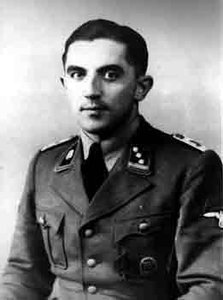
paul werner
1930 - 2013 , Netherlands
Osnovne informacije
- Artistic Movement Or Style: Expressionism
- Date Of Birth: 1930
- Date Of Death: 2013
- Full Name: Paul Werner
- Nationality: Dutch
- Notable Artworks:
- Tree Transport in Amsterdam city
- Seven Sisters
- Old shipyard Groenland in winter
- Place Of Birth: Arnhem, Netherlands
Povezani članci
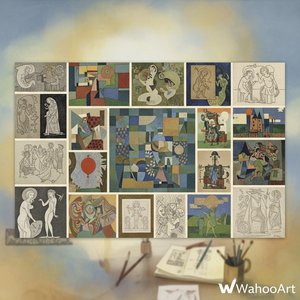
Paul Klee: 25 Remek-dela za Ljubitelje Umetnosti i Inspirisan Dekor Doma
Istražite 25 remek-dela Paula Klea! Otkrijte priče iza ikoničnih slika, apstraktnog ekspresionizma i bogate palete boja. Inspiracija za dekoraciju enterijera & reprodukcije vrhunskog kvaliteta na ArtsDot.com.

Paul Cézanne: 25 Remek-dela Revolucionarnog Umjetnika | ArtsDot
Istražite 25 remek-dela Paula Cézanna, revolucionarnog slikara impresionizma i postimpresionizma. Otkrijte priče iza ikoničnih pejzaža, portreta i mrtve prirode. Kupite luksuzne reprodukcije slika na ArtsDot.com!
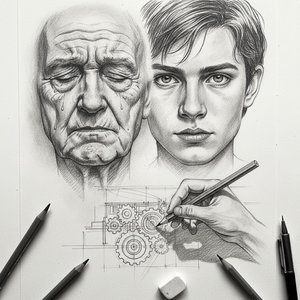
The Nuances of Graphite: Exploring Emotional Depth & Technical Mastery in Pencil Drawing
Explore the captivating world of graphite drawing! Discover its rich history, master essential techniques like chiaroscuro, and learn how artists evoke emotion through this timeless medium. Expert insights for art enthusiasts.
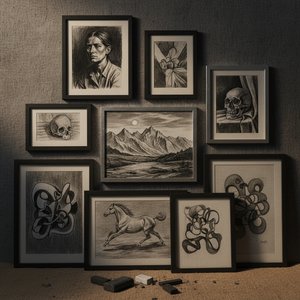
Charcoal & Canvas: 10 Masterpieces of Shadow & Light |
Explore 10 iconic paintings dominated by charcoal tones – from Rembrandt's dramatic chiaroscuro to Goya’s expressive portraits. Discover the stories behind these masterpieces & find museum-quality art reproductions for your home at .
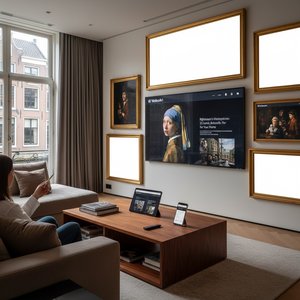
25 Remek-dela Rijksmuseuma: Umetnička Baština za Vaš Dom | ArtsDot
Otkrijte 25 remek-dela Rijksmuseuma u Amsterdamu! Istražite priče Rembranta, Vermera i holandskih majstora. Reprodukcije slika vrhunskog kvaliteta za dekoraciju enterijera. Inspiracija & kupovina na ArtsDot.com

