

 Pošalji
 Podeli
 Detalji o delu

 Преузми
 Slični predmeti
 Slajdovi
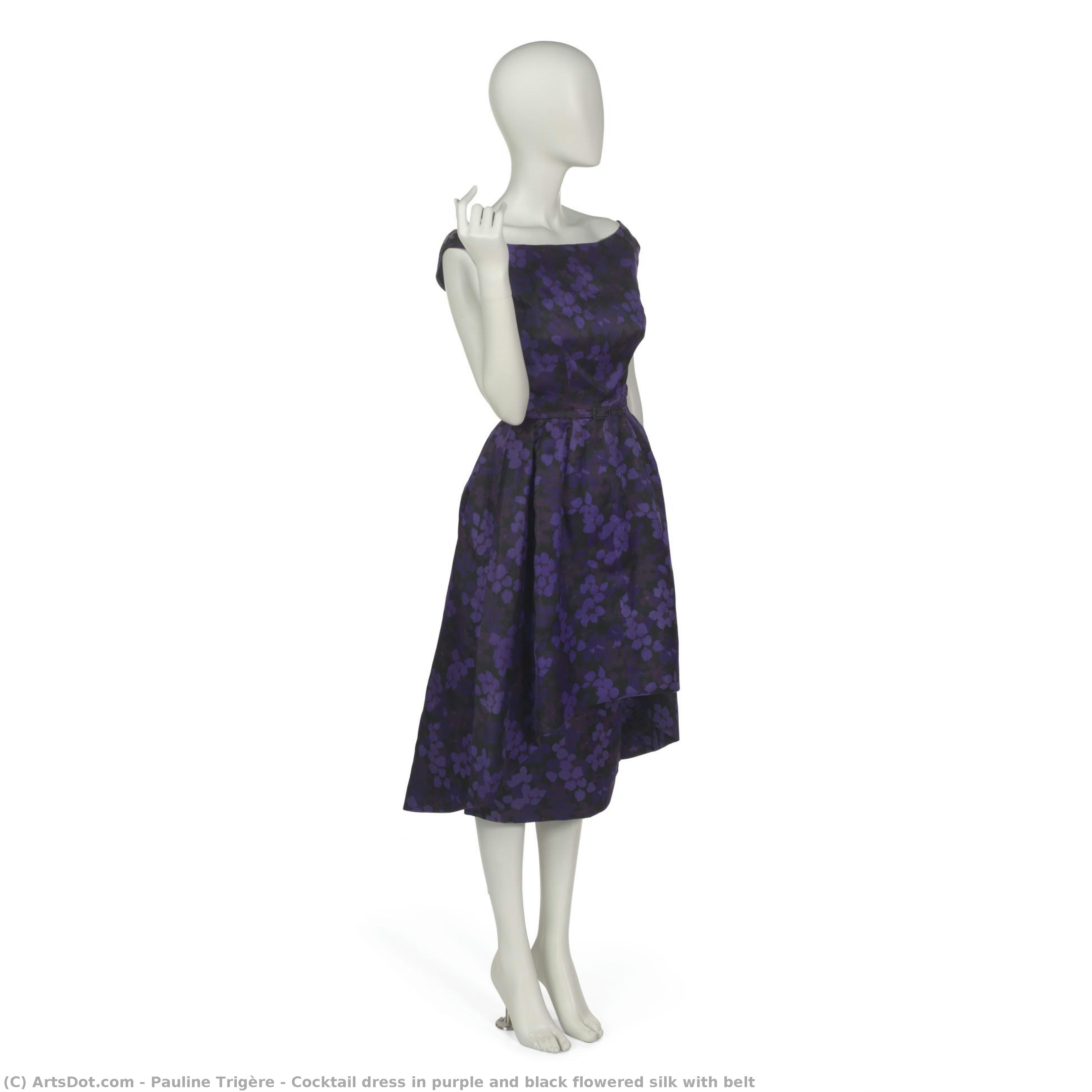
Cocktail dress in purple and black flowered silk with belt


 Pročitaj više
Giclee štampa / Umetnički otisak
Giclée štampa ili print na platnu muzejskog kvaliteta uz brzu proizvodnju i fleksibilne opcije završne obrade. ( Kupi ručno naslikanu sliku Kupi digitalnu sliku)




































Izaberite jednu od naših unapred definisanih veličina koje odgovaraju originalnim proporcijama umetničkog dela.

Možete uneti sopstvene dimenzije kako biste umetničko delo prilagodili specifičnom okviru ili prostoru. Ako odabrani format ne odgovara proporcijama originalne slike, mi ćemo ili iscrtati deo dela ili proširiti sliku pomoću ogledane ivice ili jednobojnog popunjavanja. Digitalni prikaz će vam biti poslat na odobrenje pre početka proizvodnje.
Imajte na umu da pregled na ekranu ne odražava stvarno iscrtavanje ili proširivanje. Samo će prikaz (mockup) precizno pokazati finalnu kompoziciju.
Iako su prilagođene dimenzije dostupne, preporučujemo da odaberete dimenziju sa unapred definisane liste kako biste očuvali originalne proporcije.
Dostava širom sveta () za 2 nedelje umesto uobičajenih 4/5 nedelja. (31 август)

Besplatna ekspresna dostava širom sveta

Visokokvalitetno laneno platno

Kompletno osiguranje transporta

Garancija povraćaja carine i uvoznih dažbina

Garancija vernosti boja

Politika povrata u roku od 60 dana (samo u slučaju nedostataka)

Garancija povrata novca od 100%

Popust pri grupnoj kupovini
 Opcija sa staklom dostupna je samo za dimenzije manje od 110 cm

Cocktail dress in purple and black flowered silk with belt
Giclee štampa / Umetnički otisak
Dimenzije reprodukcije
-


Konačna cena
$ 62
A Mid-Century Masterpiece: Pauline Trigère's Floral Embrace
The photograph before us isn’t merely a depiction of a dress; it’s a portal to the vibrant, unapologetically modern aesthetic that defined mid-20th century American fashion. This exquisite cocktail dress, rendered in a sumptuous silk printed with a captivating purple floral design against a stark black ground, is a testament to Pauline Trigère's singular vision – a blend of Parisian elegance and bold, innovative design. Created in 1957, it embodies the spirit of a generation embracing new freedoms and expressing themselves through style, reflecting a shift away from the rigid formality of previous decades.
Trigère, born in Paris in 1908, was a revolutionary figure who shattered conventions. Initially trained as a tailor’s assistant, she possessed an innate understanding of construction and a fierce determination to forge her own path. Her early years working for established houses like Martial et Armand instilled a meticulousness that would later inform her designs, while her time with Travis Banton at Hattie Carnegie provided invaluable experience in the burgeoning ready-to-wear market. It was this combination – technical skill and entrepreneurial spirit – that allowed her to establish herself as one of America’s leading couturiers during a period when women were increasingly seeking stylish, independent clothing.
Deconstructing the Design: Form, Fabric, and Function
The dress itself is a marvel of construction. The fitted bodice, accentuated by an off-the-shoulder neckline – a daring choice for its time – gracefully flows into a bell skirt constructed from both a built-in crinoline and a straight skirt panel, creating a dynamic interplay of volume and structure. The asymmetrical hemline adds a touch of playful rebellion, hinting at the dress’s intended use as an evening statement piece. The meticulous detailing is evident in the hook-and-eye closure, the black silk taffeta lining, and the carefully crafted belt – a narrow band embossed with “Trigere,” a subtle yet powerful branding element.
The choice of silk is crucial to the dress’s allure. Its luxurious sheen catches the light beautifully, while the floral print—a riot of purple blossoms against a deep black backdrop—evokes a sense of opulent glamour. The color palette speaks to both sophistication and sensuality, aligning perfectly with the prevailing trends of the era. The use of bias-cut fabric contributes to the dress’s fluidity and drape, enhancing its movement and creating an ethereal quality.
Symbolism and Context: A Reflection of a Changing World
More than just a beautiful garment, this dress is deeply rooted in the social and cultural context of the 1950s. The post-war era witnessed a surge in consumerism and a growing desire for self-expression. Women were gaining greater economic independence and challenging traditional gender roles. Trigère’s designs reflected these shifts, offering women stylish, comfortable clothing that empowered them to embrace their newfound freedoms. The dress's bold silhouette and vibrant colors signaled a departure from the conservative styles of previous decades.
Furthermore, the inclusion of the belt – a relatively new element in evening wear at the time – suggests an emphasis on defining the waistline, reflecting a renewed interest in feminine silhouettes. The embossed “Trigere” logo subtly asserts the designer’s brand identity, solidifying her position as a leading figure in American fashion.
A Timeless Legacy: Reproduction and Inspiration
Today, Pauline Trigère's work continues to inspire designers and collectors alike. This cocktail dress exemplifies her mastery of form, fabric, and detail – qualities that have ensured its enduring appeal. High-quality reproductions capture the essence of this iconic piece, allowing contemporary audiences to appreciate the artistry and innovation of a true fashion visionary. Whether adorning a vintage-inspired event or serving as a statement piece in a curated collection, Trigère’s dress remains a potent symbol of mid-century glamour and American style.
Srodna umetnička dela
Biografija umetnika
Pauline Trigère: Architect of Modern American Style
Born in the heart of Paris’s vibrant Pigalle district in 1908, Pauline Trigère emerged from a lineage steeped in fashion – her father, Alexandre, was a tailor, and her mother, Cecile, a skilled dressmaker. This early immersion in the craft laid the foundation for a career that would revolutionize American couture, blending European elegance with an unapologetically modern sensibility. From humble beginnings assisting at Martial et Armand, a prestigious Parisian atelier, Trigère’s journey to becoming a celebrated designer was one of relentless innovation and unwavering self-belief.
Trigère's early life was marked by both artistic ambition and familial constraints. While she initially dreamed of pursuing medicine, her father’s reservations steered her towards the world of fashion. This pragmatic beginning, however, didn’t diminish her innate creativity; instead, it fueled a determination to forge her own path within the industry. Her apprenticeship at Martial et Armand provided invaluable experience in cutting and draping techniques – skills she would later master with unparalleled precision. The marriage to Lazar Radley offered stability, but also ultimately led to separation, leaving Trigère to navigate the challenges of single motherhood while simultaneously building her burgeoning design empire.
The Rise of a New Silhouette
Trigère’s arrival in New York City in 1937 marked a pivotal moment not just for her career but also for American fashion. Initially seeking refuge from the looming threat of Nazi Germany, she quickly recognized an untapped potential within the burgeoning Manhattan market. Establishing Trigère, Inc. in 1942, she defied conventional wisdom by eschewing traditional sketching methods – instead, she directly translated her visions onto fabric, draping and shaping garments with a remarkable intuitive understanding. This hands-on approach allowed for immediate adjustments and ensured that each piece was uniquely tailored to the wearer.
Trigère’s designs were characterized by bold architectural silhouettes, innovative use of materials – notably incorporating cotton and wool into evening wear, a revolutionary concept at the time – and a fearless embrace of color and print. She is widely credited with popularizing the jumpsuit in the 1950s, transforming it from a utilitarian garment to a symbol of sophisticated style. Her reversible capes, embroidered sheer bodices, and pioneering sleeveless coats were not merely fashionable; they were statements of modernity, challenging established norms and redefining the female form.
Iconic Clients and Enduring Influence
Trigère’s designs quickly garnered attention from a select group of influential women – Grace Kelly, Jacqueline Kennedy Onassis, Elizabeth Taylor, Kay Wiebrecht, and Evelyn Lauder among them. These loyal clients recognized in Trigère's work a reflection of their own discerning taste and an embodiment of effortless elegance. Her ability to seamlessly blend luxury with practicality cemented her reputation as a designer for the modern woman.
Beyond individual commissions, Trigère’s influence extended across various facets of the fashion industry. She was one of the first high-status fashion houses in America to employ an African American model, Beverly Valdes, demonstrating a commitment to inclusivity that was ahead of its time. Her designs appeared in McCall's New York Designer collection, bringing her aesthetic to a wider audience through home sewing patterns. Trigère’s legacy is further evidenced by her numerous awards – including three Coty Awards and recognition from the Council of Fashion Designers of America – solidifying her place as a true innovator and visionary.
A Lasting Legacy
Pauline Trigère passed away in New York City in 2002 at the age of 93, leaving behind a remarkable body of work that continues to inspire designers today. Her designs are celebrated for their impeccable tailoring, innovative silhouettes, and timeless elegance. More than just a fashion designer, Trigère was an architect of modern American style – a woman who dared to challenge conventions, embrace experimentation, and ultimately redefine the boundaries of couture.
Her influence can still be seen in contemporary fashion, particularly in the continued popularity of jumpsuits, reversible garments, and bold, architectural designs. Pauline Trigère’s story is a testament to the power of creativity, resilience, and an unwavering commitment to one's artistic vision – a legacy that will undoubtedly endure for generations to come.

pauline trigère
1908 - 2002 , France
Osnovne informacije
- Artistic Movement Or Style: Couture, Modern Design
- Date Of Birth: November 4, 1908
- Date Of Death: February 13, 2002
- Full Name: Pauline Trigère
- Nationality: French-American
- Notable Artworks:
- Evening ensemble...
- Pauline Trigère
- Place Of Birth: Paris, France
Povezani članci

Crimson Threads of Narrative: Exploring Symbolism & Representation in Artworks Featuring the Red Dress
Explore the rich symbolism of the red dress in art history! From ancient power displays to iconic portraits like Cézanne’s 'Madame Cezanne', discover the cultural and artistic significance behind this captivating color. Expert analysis & insights.

Echoes of Time: Nostalgia, Technique & Cultural Significance in Vintage Paintings
Explore the captivating world of vintage paintings! Discover key styles, cultural significance & collecting tips from art experts at ArtsDot. Find authentic reproductions and elevate your home décor.

Echoes of Time: Exploring the Enduring Appeal of Vintage Artwork
Explore the captivating world of vintage art! Discover its history, enduring appeal, & how to build your own collection. Expert advice, custom reproductions & museum-quality prints at ArtsDot.
Azure Visions: Exploring Representations of the Blue Dress in Western Art History
Explore the rich history of the blue dress in Western art! Discover its symbolism, from Renaissance masterpieces to modern interpretations by artists like Martin & Schiele. Uncover cultural meanings and artistic techniques.

Echoes of Time: Exploring the Enduring Appeal & Historical Context of Vintage Art Prints
Explore the captivating world of vintage art prints! Discover their history, collecting tips & enduring appeal. Expert insights on chromolithography and building a legacy collection with ArtsDot.

