

 Pregledaj u prostoru
 Pošalji
 Podeli
 Detalji o delu

 Преузми
 Slični predmeti
 Rendgenski snimak
 Slajdovi
 Stats
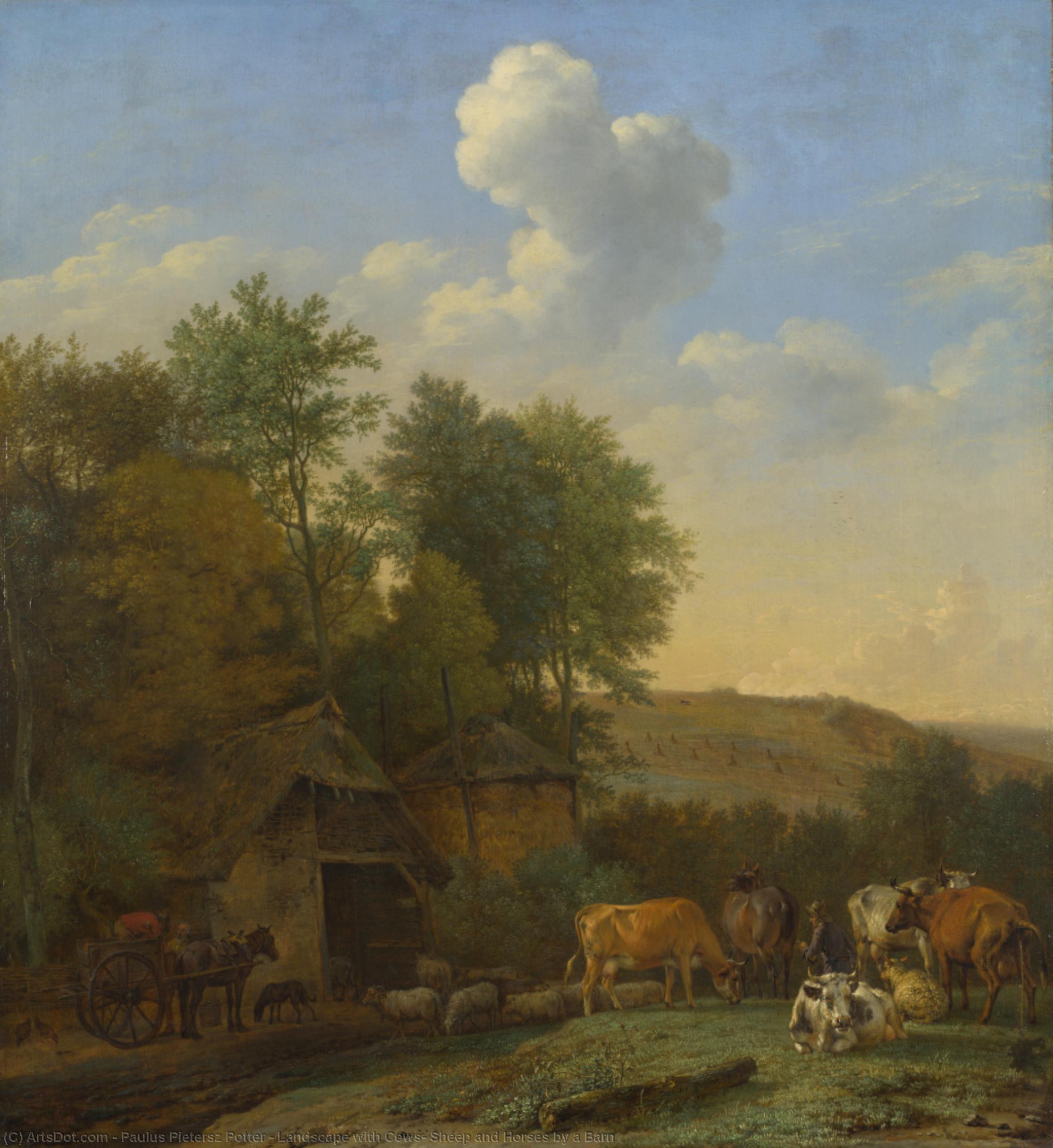
StatsLandscape with Cows, Sheep and Horses by a Barn

 Pročitaj više
Kupite digitalnu sliku visoke rezolucije i poboljšanog kvaliteta, koja je znatno superiornija od onoga što vidite u online prikazu.
Svaka datoteka je pedantno pripremljena od strane naših stručnjaka koristeći napredne alate i profesionalnu ručnu retušu. Osiguravamo da svaka slika ima izuzetnu oštrinu, preciznu reprodukciju boja i fine detalje.
Konačna datoteka se dostavlja putem e-pošte u roku od 72 sata, optimizovana za neposrednu upotrebu u profesionalnim, izdavačkim i štamparskim okruženjima. To je isti kvalitet kojem veruju vrhunski studiji dizajna, izdavači i galerije.
Digitalna slika
Preuzmite datoteku visoke rezolucije za ličnu upotrebu, štampanje i kreativne projekte. ( Switch to Print Kupi ručno naslikanu sliku)
Uključeno uz svaku porudžbinu digitalne slike
Profesionalna digitalna isporuka, zagarantovana
Kada odaberete ArtsDot.com, ne dobijate samo sliku – vi primate profesionalno unapređeno digitalno umetničko delo, izrađeno sa najvećom preciznošću i uz garanciju zadovoljstva. Evo svega što automatski dolazi uz vašu porudžbinu:

Brza dostava putem e-pošte
Vaša digitalna slika visoke rezolucije biće vam poslata putem e-pošte u roku od 72 sata od poručivanja – spremna za trenutnu upotrebu.

Digitalna datoteka unapređena veštačkom inteligencijom
Vaše umetničko delo je profesionalno optimizovano korišćenjem naprednih AI alata i ručne obrade, čime se osiguravaju maksimalni detalji, oštrina i preciznost boja.

Besplatna ponovna isporuka doživotno
Slučajno ste obrisali ili izgubili svoju datoteku? Ne brinite – poslaćemo vam je ponovo u bilo kom trenutku, potpuno besplatno.

Bez troškova uvoza – zauvek
Uživajte u svojim umetničkim delima trenutno, bez carine, dažbina ili troškova dostave – digitalni download je uvek bez poreza.

Garancija vernosti boja
Uz pomoć profesionalnih alata i upravljanja bojama, osiguravamo da vaša digitalna slika što vernije odražava originalne boje.

Garancija zadovoljstva od 100 dana
Ako niste zadovoljni svojom digitalnom slikom, izvršićemo reviziju ili ćemo vam vratiti 100% novca u roku od 100 dana – bez ikakvih pitanja.

100% garancija povrata novca
Niste zadovoljni? Dobijte puni povraćaj novca u roku od 100 dana od prijema digitalne datoteke – bez suvišnih pitanja.

Popusti na velike porudžbine
Kupite 3 slike, uštedite 10% - Kupite 5 slika, uštedite 15% - Kupite 10+ slika, uštedite 20%. Odlično za kreativne projekte, galerije i agencije.
Srodna umetnička dela








Biografija umetnika
Rembrandt: A Life Painted in Light and Shadow
Rembrandt Harmenszoon van Rijn, a name synonymous with artistic genius, remains one of the most profoundly influential figures in Western art history. Born in Leiden on July 15, 1606, into a family of modest means – his father a miller, his mother a baker – Rembrandt’s journey from humble beginnings to international acclaim is a testament to his extraordinary talent and relentless pursuit of artistic mastery. His life, tragically marked by financial hardship and personal loss, ultimately shaped the intensely emotional and psychologically astute works that continue to captivate audiences centuries later. He died in Amsterdam on October 4, 1669, leaving behind an unparalleled legacy of paintings, etchings, and drawings.
Rembrandt’s early artistic training was a blend of formal instruction and informal apprenticeship. He began his studies with Jacob van Swanenburgh, a painter who had recently returned from Italy, absorbing the techniques and stylistic influences of the Italian Renaissance. This initial period laid the groundwork for his later development, introducing him to perspective, anatomy, and the use of light and shadow – elements that would become hallmarks of his distinctive style. He then spent time with Pieter Lastman, a more established history painter, further refining his skills in composition and narrative storytelling. However, it was Rembrandt’s independent experimentation and willingness to break from convention that truly set him apart.
Rembrandt's artistic development during the 1620s and early 30s saw him move beyond simple commissions and begin exploring a wider range of subjects. His early works, such as *Stone Operation (Allegory of Touch)* and *Three Musicians*, demonstrate his burgeoning talent for capturing human emotion and creating dynamic compositions. These pieces, often allegorical in nature, reveal an interest in symbolism and philosophical themes – a characteristic that would become increasingly prominent throughout his career. Crucially, this period also marked the beginning of Rembrandt’s exploration of printmaking, a medium he embraced with remarkable skill and innovation. His etchings, characterized by their intricate detail and dramatic contrasts of light and dark, quickly gained recognition and established him as a master of the technique.
The Golden Age and Artistic Innovation
By the mid-1630s, Rembrandt had firmly established himself as one of the leading artists in Amsterdam. He began to receive increasingly prestigious commissions, including portraits for wealthy merchants and civic officials. His portraiture is particularly noteworthy for its psychological depth and ability to capture not just physical likeness but also the inner lives of his subjects. Works like *The Night Watch* (1642) and *The Return of the Prodigal Son* (1669) exemplify this talent, offering profound insights into human nature and emotion. These paintings are not merely representations; they are explorations of morality, faith, and redemption.
Rembrandt’s artistic style evolved significantly over his career. Initially influenced by Italian masters like Caravaggio, he developed a unique approach characterized by the masterful manipulation of light and shadow – what he termed *chiaroscuro*. This technique created dramatic contrasts, emphasizing key elements within the composition and imbuing his paintings with an intense emotional atmosphere. He also pioneered new methods of etching, experimenting with different plates and techniques to achieve unprecedented levels of detail and tonal variation. His use of color was equally innovative, employing a rich palette of earthy tones and subtle gradations to create a sense of realism and depth.
Personal Struggles and Artistic Resilience
Despite his artistic success, Rembrandt’s life was punctuated by periods of financial hardship and personal tragedy. He struggled with debt throughout much of his career, exacerbated by extravagant spending habits and the fluctuating demands of the art market. The loss of his first wife, Saskia van Uylen, in 1642, and the subsequent death of their son Titus in 1650 plunged him into deep grief, profoundly impacting his artistic output. These difficult times led to a period of relative obscurity, during which he moved to a smaller studio and faced increasing financial difficulties.
However, Rembrandt’s resilience as an artist never faltered. During this challenging period, he continued to produce some of his most profound and emotionally resonant works, including *Bathsheba at Her Bath* (1662) and *The Night Watch*. These paintings demonstrate a remarkable ability to transcend personal suffering and create art that is both deeply moving and universally relevant. His later years were marked by a renewed sense of purpose and a commitment to exploring the complexities of human experience.
Legacy and Enduring Influence
Rembrandt’s influence on subsequent generations of artists is immeasurable. His innovative techniques in painting and printmaking revolutionized the art world, paving the way for new approaches to composition, color, and light. His psychological realism and emotional depth set a new standard for portraiture, inspiring countless artists to delve into the inner lives of their subjects.
Today, Rembrandt’s works are celebrated in museums around the world, attracting millions of visitors each year. His paintings continue to resonate with audiences due to their timeless beauty, profound emotional power, and enduring relevance. Rembrandt remains a towering figure in art history – a master of light, shadow, and human emotion whose legacy continues to inspire awe and admiration.
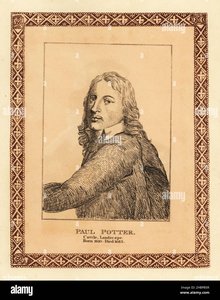
paulus pietersz potter
1625 - 1654 , Netherlands
Kratke činjenice
- Artistic Movement Or Style: Baroque, Dutch Golden Age
- Artists Or Movements Influenced By This Artist:
- Jan Steen
- Rembrandt School
- Artists Who Influenced This Artist:
- Titian
- Michelangelo
- Date Of Birth: July 15, 1606
- Date Of Death: October 4, 1669
- Full Name: Rembrandt Harmenszoon van Rijn
- Nationality: Dutch
- Notable Artworks:
- The Night Watch
- Belshazzar's Feast
- The Anatomy Lesson
- Place Of Birth: Leiden, Netherlands