

 Pregledaj u prostoru
 Pošalji
 Podeli
 Detalji o delu

 Преузми
 Slični predmeti
 Rendgenski snimak
 Slajdovi
 Stats
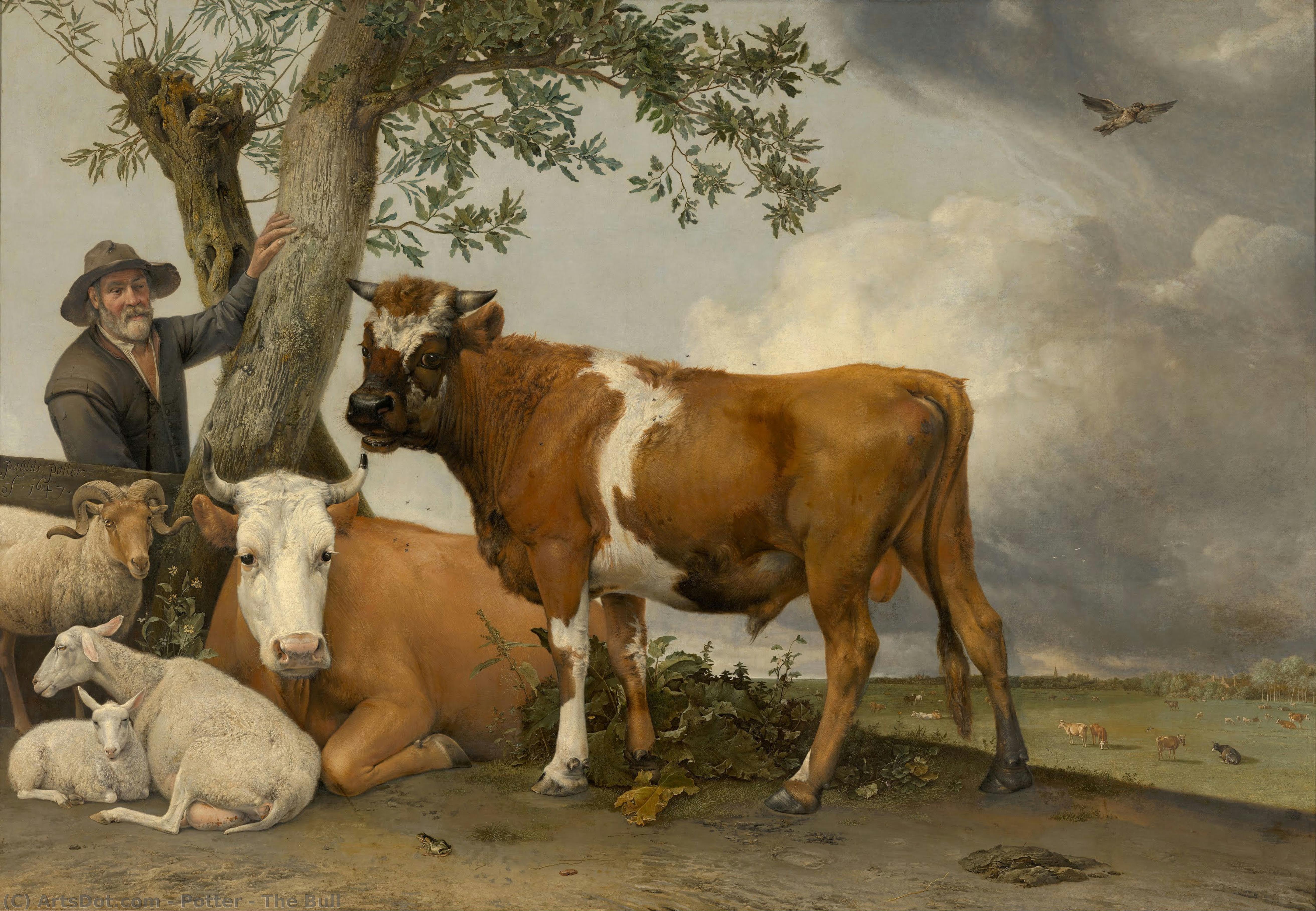
StatsThe Bull
 Oil On Panel
- Dutch Golden Age
 1647
1647- Early Modern
 235.0 x 339.0 cm
 Мауритшhuis
 Pročitaj više
Giclee štampa / Umetnički otisak
Giclée štampa ili print na platnu muzejskog kvaliteta uz brzu proizvodnju i fleksibilne opcije završne obrade. ( Kupi ručno naslikanu sliku Switch to Digital Image)




P118B $10

P118H $10

P118W $10

P438Z $10

P508JH $12

P508YH $12

P805H $10

P805Z $10

P919BZ $10

P919G $10

P919XJ $10

P959ZH $10

P968JZ $12

W106C $8

W218G $10

W218JH $8

W218Y $10

W307PJ $10

W316G $10

W316PJ $8

W316Y $10

W398PJ $8

W4111J $10

W500HY $15

W500JH $15

W692G $12

W849H $8

W940BG $15

W953PJ $8




Izaberite jednu od naših unapred definisanih veličina koje odgovaraju originalnim proporcijama umetničkog dela.

Možete uneti sopstvene dimenzije kako biste umetničko delo prilagodili specifičnom okviru ili prostoru. Ako odabrani format ne odgovara proporcijama originalne slike, mi ćemo ili iscrtati deo dela ili proširiti sliku pomoću ogledane ivice ili jednobojnog popunjavanja. Digitalni prikaz će vam biti poslat na odobrenje pre početka proizvodnje.
Imajte na umu da pregled na ekranu ne odražava stvarno iscrtavanje ili proširivanje. Samo će prikaz (mockup) precizno pokazati finalnu kompoziciju.
Iako su prilagođene dimenzije dostupne, preporučujemo da odaberete dimenziju sa unapred definisane liste kako biste očuvali originalne proporcije.
Dostava širom sveta () za 2 nedelje umesto uobičajenih 4/5 nedelja. (8 септембар)

Besplatna ekspresna dostava širom sveta

Visokokvalitetno laneno platno

Kompletno osiguranje transporta

Garancija povraćaja carine i uvoznih dažbina

Garancija vernosti boja

Politika povraćaja u roku od 100 dana (isključivo u slučaju nedostataka)

Garancija povrata novca od 100%

Popust pri grupnoj kupovini
 Opcija sa staklom dostupna je samo za dimenzije manje od 110 cm

The Bull
Giclee štampa / Umetnički otisak
Dimenzije reprodukcije
-


Konačna cena
$ 62
A Pastoral Masterpiece of the Dutch Golden Age
In the heart of the seventeenth century, during the zenith of the Dutch Golden Age, Paulus Pietersz. Potter captured a moment of profound stillness and rustic vitality in his 1647 masterpiece, The Bull. This expansive oil on panel work serves as more than just a depiction of livestock; it is a window into the soul of a nation defined by its relationship with the land. The painting presents a meticulously composed pastoral scene where the heavy, muscular presence of a bull takes center stage, surrounded by the quiet rhythms of rural life. Through his masterful command of naturalism, Potter invites the viewer to step into a weathered, atmospheric landscape where the boundaries between man, animal, and earth seem to dissolve into a singular, harmonious existence.
The technical brilliance of Potter is immediately evident in the way he manipulates light and texture to breathe life into his subjects. Utilizing a palette dominated by earthy ochres, deep browns, and muted greens, the artist creates a sense of organic unity that feels both grounded and eternal. One can almost feel the coarse grain of the wooden panel beneath the layers of pigment, mirrored by the tactile rendering of the bull’s thick fur and the rough, trampled earth underfoot. The lighting is soft and diffused, as if filtered through a heavy North Sea mist, casting gentle shadows that define the anatomy of the animals with anatomical precision. This subtle use of light avoids dramatic chiaroscuro in favor of a quiet, atmospheric realism that emphasizes the true textures of the Dutch countryside.
Symbolism and the Spirit of the Land
Beyond its surface beauty, The Bull carries deep symbolic weight, reflecting the economic and social foundations of the Netherlands in the mid-1600s. During this era, agriculture and livestock were not merely means of survival but were the very pillars of Dutch prosperity and identity. The bull, a symbol of strength and fertility, stands as a testament to the industrious spirit of the peasantry. By placing a farmer in direct interaction with these powerful creatures, Potter elevates the mundane tasks of agricultural life to a level of dignity and importance. There is an inherent nobility in the depiction of this labor, suggesting that the prosperity of the Dutch Republic was rooted in the careful stewardship of the natural world.
For the discerning collector or interior designer, this painting offers a profound emotional resonance. It possesses a grounding quality that can transform a space, bringing a sense of historical depth and tranquil permanence to any room. The sheer scale of the original work—a commanding 235 x 339 cm—suggests an immersive experience, making a high-quality reproduction an ideal focal point for grand halls or sophisticated studies. Whether one is drawn to its meticulous detail, its celebration of pastoral heritage, or its ability to evoke the quiet dignity of the past, The Bull remains an enduring icon of realism, offering a timeless connection to the beauty of the natural and human experience.
Srodna umetnička dela



Biografija umetnika
Rembrandt: A Life Painted in Light and Shadow
Rembrandt Harmenszoon van Rijn, a name synonymous with artistic genius, remains one of the most profoundly influential figures in Western art history. Born in Leiden on July 15, 1606, into a family of modest means – his father a miller, his mother a baker – Rembrandt’s journey from humble beginnings to international acclaim is a testament to his extraordinary talent and relentless pursuit of artistic mastery. His life, tragically marked by financial hardship and personal loss, ultimately shaped the intensely emotional and psychologically astute works that continue to captivate audiences centuries later. He died in Amsterdam on October 4, 1669, leaving behind an unparalleled legacy of paintings, etchings, and drawings.
Rembrandt’s early artistic training was a blend of formal instruction and informal apprenticeship. He began his studies with Jacob van Swanenburgh, a painter who had recently returned from Italy, absorbing the techniques and stylistic influences of the Italian Renaissance. This initial period laid the groundwork for his later development, introducing him to perspective, anatomy, and the use of light and shadow – elements that would become hallmarks of his distinctive style. He then spent time with Pieter Lastman, a more established history painter, further refining his skills in composition and narrative storytelling. However, it was Rembrandt’s independent experimentation and willingness to break from convention that truly set him apart.
Rembrandt's artistic development during the 1620s and early 30s saw him move beyond simple commissions and begin exploring a wider range of subjects. His early works, such as *Stone Operation (Allegory of Touch)* and *Three Musicians*, demonstrate his burgeoning talent for capturing human emotion and creating dynamic compositions. These pieces, often allegorical in nature, reveal an interest in symbolism and philosophical themes – a characteristic that would become increasingly prominent throughout his career. Crucially, this period also marked the beginning of Rembrandt’s exploration of printmaking, a medium he embraced with remarkable skill and innovation. His etchings, characterized by their intricate detail and dramatic contrasts of light and dark, quickly gained recognition and established him as a master of the technique.
The Golden Age and Artistic Innovation
By the mid-1630s, Rembrandt had firmly established himself as one of the leading artists in Amsterdam. He began to receive increasingly prestigious commissions, including portraits for wealthy merchants and civic officials. His portraiture is particularly noteworthy for its psychological depth and ability to capture not just physical likeness but also the inner lives of his subjects. Works like *The Night Watch* (1642) and *The Return of the Prodigal Son* (1669) exemplify this talent, offering profound insights into human nature and emotion. These paintings are not merely representations; they are explorations of morality, faith, and redemption.
Rembrandt’s artistic style evolved significantly over his career. Initially influenced by Italian masters like Caravaggio, he developed a unique approach characterized by the masterful manipulation of light and shadow – what he termed *chiaroscuro*. This technique created dramatic contrasts, emphasizing key elements within the composition and imbuing his paintings with an intense emotional atmosphere. He also pioneered new methods of etching, experimenting with different plates and techniques to achieve unprecedented levels of detail and tonal variation. His use of color was equally innovative, employing a rich palette of earthy tones and subtle gradations to create a sense of realism and depth.
Personal Struggles and Artistic Resilience
Despite his artistic success, Rembrandt’s life was punctuated by periods of financial hardship and personal tragedy. He struggled with debt throughout much of his career, exacerbated by extravagant spending habits and the fluctuating demands of the art market. The loss of his first wife, Saskia van Uylen, in 1642, and the subsequent death of their son Titus in 1650 plunged him into deep grief, profoundly impacting his artistic output. These difficult times led to a period of relative obscurity, during which he moved to a smaller studio and faced increasing financial difficulties.
However, Rembrandt’s resilience as an artist never faltered. During this challenging period, he continued to produce some of his most profound and emotionally resonant works, including *Bathsheba at Her Bath* (1662) and *The Night Watch*. These paintings demonstrate a remarkable ability to transcend personal suffering and create art that is both deeply moving and universally relevant. His later years were marked by a renewed sense of purpose and a commitment to exploring the complexities of human experience.
Legacy and Enduring Influence
Rembrandt’s influence on subsequent generations of artists is immeasurable. His innovative techniques in painting and printmaking revolutionized the art world, paving the way for new approaches to composition, color, and light. His psychological realism and emotional depth set a new standard for portraiture, inspiring countless artists to delve into the inner lives of their subjects.
Today, Rembrandt’s works are celebrated in museums around the world, attracting millions of visitors each year. His paintings continue to resonate with audiences due to their timeless beauty, profound emotional power, and enduring relevance. Rembrandt remains a towering figure in art history – a master of light, shadow, and human emotion whose legacy continues to inspire awe and admiration.
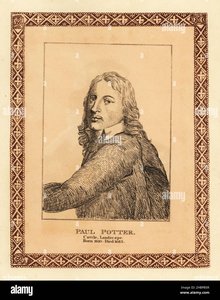
paulus pietersz potter
1625 - 1654 , Netherlands
Osnovne informacije
- Artistic Movement Or Style: Baroque, Dutch Golden Age
- Artists Or Movements Influenced By This Artist:
- Jan Steen
- Rembrandt School
- Artists Who Influenced This Artist:
- Titian
- Michelangelo
- Date Of Birth: July 15, 1606
- Date Of Death: October 4, 1669
- Full Name: Rembrandt Harmenszoon van Rijn
- Nationality: Dutch
- Notable Artworks:
- The Night Watch
- Belshazzar's Feast
- The Anatomy Lesson
- Place Of Birth: Leiden, Netherlands
Povezani članci

Golden Age Reflections: Dutch Baroque Painting & Cultural Innovation
Explore the Dutch Golden Age of painting! Discover key artists like Vermeer & ter Borch, their innovative techniques, and the rich cultural context behind these Baroque masterpieces. Learn about collecting & appreciating this iconic art period.

Zlatno doba Holandske umetnosti: Top 10 remek dela za vaš dom
Otkrijte remek dela Holandskog zlatnog doba! Uronite u svet Rembrandta, Vermeera i drugih majstora. 10 ikoničnih slika koje su definisale umetnost. Inspiracija za vaš dom i kolekciju - ekskluzivne reprodukcije na ArtsDot.com!
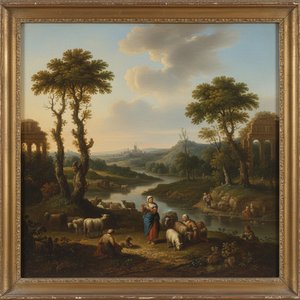
Nicolaes Berchem: Dutch Golden Age Pastoralism & the Evolution of Landscape Painting
Explore the captivating world of Nicolaes Berchem, a leading Dutch Golden Age painter. Discover his idyllic landscapes, masterful technique & lasting influence on art history. Learn more at ArtsDot.

Illuminating Innovation: Exploring the Dutch Golden Age of Painting
Explore the Dutch Golden Age of painting with ArtsDot. Discover Rembrandt, Vermeer & other Masters. Learn about key characteristics, iconic artworks, and lasting influence. Expert insights for collectors & enthusiasts.
Illuminating Realism: Exploring the Dutch Golden Age of Painting (1600-1700)
Explore the Dutch Golden Age of painting (1600-1700) with ArtsDot. Discover Rembrandt, Vermeer & other masters. Learn about techniques, history & find museum-quality reproductions.