

 Pregledaj u prostoru
 Pošalji
 Podeli
 Detalji o delu

 Преузми
 Slični predmeti
 Rendgenski snimak
 Slajdovi
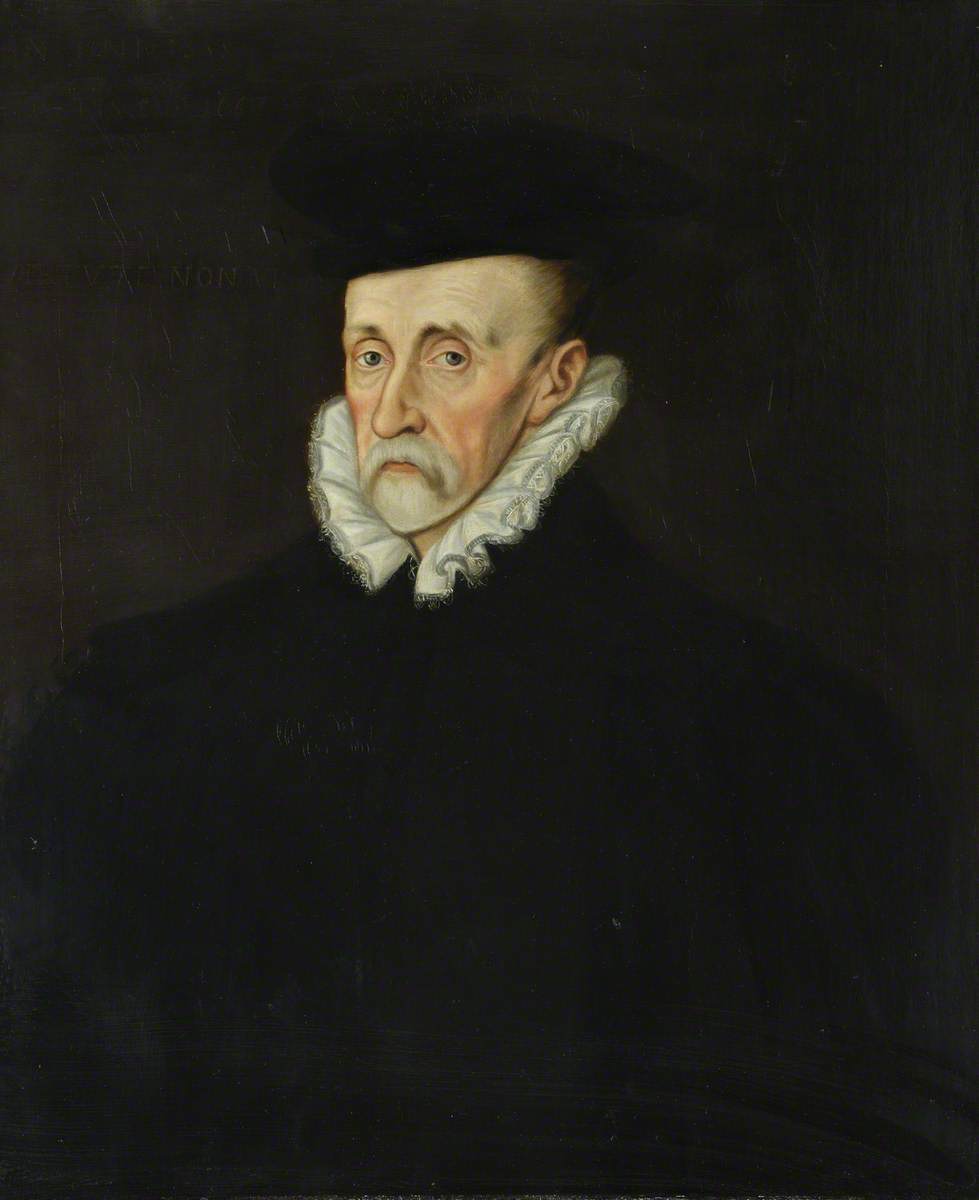
Sir Walter Mildmay (c.1522–1589), Fellow Commoner, Royal Servant, Chancellor of the Exchequer (1566–1589), Founder of Emmanuel College (1584)
 1904
1904 76.0 x 60.0 cm
 Christ's College
 Pročitaj više
Ručno rađena uljana reprodukcija
Ručno oslikano uljanim bojama na platnu u dimenzijama i okviru po vašem izboru, izrađeno po porudžbini od strane naših umetnika. ( Kupi print Kupi digitalnu sliku)




































Izaberite jednu od naših unapred definisanih veličina koje odgovaraju originalnim proporcijama umetničkog dela.

Можете унети сопствене димензије како бисте прилагодили дело одређеном оквиру или простору. Ако одабрана величина не одговара пропорцијама оригинала, слика ће бити исечена или проширена додатним елементима који се ручно насликавају. Дигитални prikaz ће вам бити послат на одобрење пре почетка производње.
Имајте на уму да преглед на екрану не одражава стварно исецање или проширење. Само приказ (mockup) ће тачно приказати коначну композицију.
Иако су доступне прилагођене величине, препоручујемо да одаберете димензију из дефинисане листе како бисте сачували оригиналне пропорције.
Nakon narudžbine, tim ArtsDot.com će klijentu putem e-pošte poslati uputstva i dostaviti prikaz predloženog rešenja
Isporuka širom sveta () za 3/4 nedelje umesto uobičajenih 5 nedelja. (26 август). Bez kompromisa po pitanju kvaliteta.

Besplatna ekspresna dostava širom sveta

Visokokvalitetno laneno platno

Kompletno osiguranje transporta

Garancija povraćaja carine i uvoznih dažbina

Garancija vernosti boja

Politika povrata u roku od 60 dana (samo u slučaju nedostataka)

Garancija povrata novca od 100%

Popust pri grupnoj kupovini
 Opcija sa staklom dostupna je samo za dimenzije manje od 110 cm

Sir Walter Mildmay (c.1522–1589), Fellow Commoner, Royal Servant, Chancellor of the Exchequer (1566–1589), Founder of Emmanuel College (1584)
Tehnika reprodukcije
Dimenzije reprodukcije
-


Konačna cena
$ 263
Srodna umetnička dela








Biografija umetnika
A Courtly Presence: The Life and Art of Paulus van Somer I
Paulus van Somer, a name that resonates softly within the annals of 17th-century portraiture, arrived in England from Antwerp around 1618, already possessing a maturity of style that quickly established him as a favored artist at the court of King James I. While biographical details remain somewhat elusive—a characteristic common to many artists of his era—van Somer’s impact on the visual landscape of the Jacobean period is undeniable. He wasn't merely a painter; he was a chronicler of an age, capturing the likenesses and aspirations of European nobility with a refined realism that set him apart. Born circa 1577 in Antwerp, van Somer emerged from a vibrant artistic tradition steeped in Flemish Renaissance techniques, yet his work displays a unique sensitivity and elegance tailored to the tastes of his new patrons. His brother, Barend van Someren, is noted as having travelled to Italy, though whether Paulus accompanied him remains uncertain; Karel van Mander’s writings suggest he was unmarried at this time. Before settling in London, van Somer spent time in Leiden between 1612 and 1614, residing with Steven de Gheyn, and a period in Brussels around 1616, experiences that undoubtedly shaped his artistic development before his ascent to prominence in England.The Royal Brush: Style and Technique
Van Somer’s success stemmed from his ability to portray not just the physical appearance of his sitters but also their status and character. His portraits are characterized by a meticulous attention to detail—the intricate lace collars, the rich fabrics of gowns, the subtle sheen of jewels—all rendered with remarkable precision. However, it was his skill in capturing likeness that truly distinguished him. He moved away from the more stylized conventions of earlier portraiture, embracing a naturalism that conveyed a sense of individual personality. His palette favored rich, warm tones, and he employed a soft, diffused lighting technique that lent his portraits an air of dignity and grace. He was adept at depicting textures, creating a tactile quality in his work that draws the viewer in. Van Somer’s influence can be seen as a bridge between the earlier formality of artists like Nicholas Hilliard and the more dynamic style of Daniel Mytens and Anthony van Dyck, who would later dominate the English court. He even paved the way for these successors by creating copies of his own royal portraits that they were then tasked with reproducing—a testament to the high regard in which his work was held.Patronage and Prominence: A Courtier’s Artist
The heart of van Somer's career lay within the orbit of King James I and Queen Anne of Denmark. He became one of their preferred portraitists, receiving numerous commissions for depictions of the royal couple and members of their court. His portraits weren’t simply representations; they were statements of power, wealth, and lineage. Figures like Ludovic Stewart, 2nd Duke of Lennox, Elizabeth Hastings, Countess of Huntingdon, and Lady Anne Clifford all sat before his easel, immortalized in canvases that reflected their social standing. Beyond the royal family, van Somer also attracted patronage from other prominent individuals, including Francis Manners, 6th Earl of Rutland, who commissioned portraits in both 1618 and 1619. Lady Anne Clifford’s diary entry recording a sitting on August 30, 1619, provides a rare personal glimpse into the artist's working life. His ability to cater to the tastes of diverse patrons solidified his position as a leading portraitist in England during this period.A Legacy of Likenesses: Major Works and Enduring Appeal
While a comprehensive catalogue raisonné of van Somer’s work remains elusive, several key portraits stand out as exemplars of his style and skill. His depictions of King James I and Queen Anne are particularly noteworthy for their regal bearing and psychological depth. The portrait of Elizabeth Drury, made famous by John Donne's elegies, is a fascinating example of his willingness to experiment with composition and symbolism—depicting the subject in a semi-recumbent pose unusual for portraits of the time, perhaps hinting at themes of melancholy or philosophical contemplation. His portraits of noble figures, such as Lady Elizabeth Grey, Countess of Kent, showcase his mastery of texture and detail, capturing the opulence and refinement of Jacobean court life. Today, van Somer’s works are held in prestigious collections around the world, including the Royal Collection, the National Portrait Gallery, and numerous museums across Europe and North America.Historical Significance: A Flemish Master in England
Paulus van Somer's contribution to English art extends beyond his technical skill and artistic talent. He represents a crucial link between the Flemish Renaissance tradition and the burgeoning portraiture styles of the 17th century. His arrival in England coincided with a period of significant cultural exchange, and he played a key role in introducing new techniques and aesthetic sensibilities to the courtly circles of London. He helped establish a standard for realistic portraiture that would influence generations of artists to come. While his life remains shrouded in some mystery, van Somer’s paintings offer a captivating window into the world of Jacobean England—a testament to the enduring power of art to capture not just likenesses but also the spirit of an age. He is remembered as a forerunner, paving the way for artists like Mytens and Van Dyck, and solidifying his place as a significant figure in the history of English portraiture.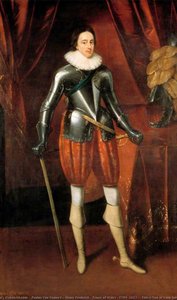
paulus van somer i
1577 - 1621
Osnovne informacije
- Artistic Movement Or Style: Baroque
- Artists Or Movements Influenced By This Artist: ['Renaissance Art']
- Artists Who Influenced This Artist: ['Francis Bacon']
- Date Of Death: 1621
- Full Name: Paulus van Somer I
- Nationality: Dutch
- Notable Artworks:
- Catherine Vaux, Lady Abergavenny
- James I
- Queen Anne
- Place Of Birth: Antwerp

