

 Pregledaj u prostoru
 Pošalji
 Podeli
 Detalji o delu

 Преузми
 Slični predmeti
 Rendgenski snimak
 Slajdovi
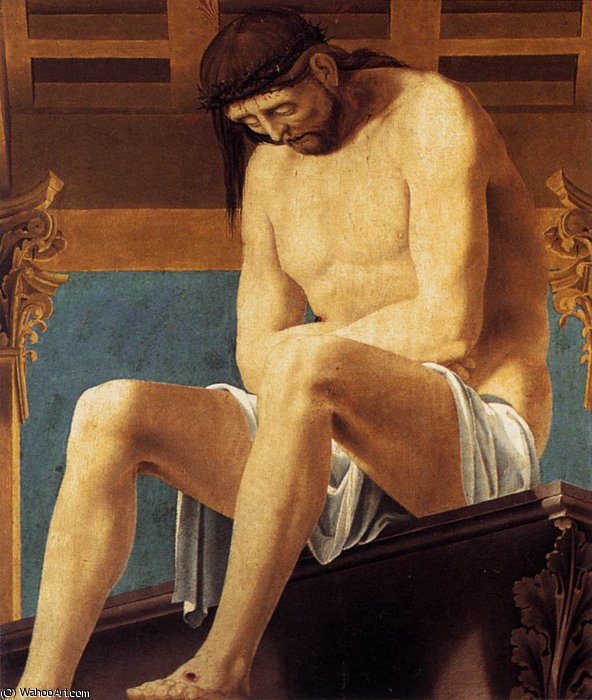
Christ suffering
 Pročitaj više
Giclee štampa / Umetnički otisak
Giclée štampa ili print na platnu muzejskog kvaliteta uz brzu proizvodnju i fleksibilne opcije završne obrade. ( Kupi ručno naslikanu sliku Kupi digitalnu sliku)




































Izaberite jednu od naših unapred definisanih veličina koje odgovaraju originalnim proporcijama umetničkog dela.

Možete uneti sopstvene dimenzije kako biste umetničko delo prilagodili specifičnom okviru ili prostoru. Ako odabrani format ne odgovara proporcijama originalne slike, mi ćemo ili iscrtati deo dela ili proširiti sliku pomoću ogledane ivice ili jednobojnog popunjavanja. Digitalni prikaz će vam biti poslat na odobrenje pre početka proizvodnje.
Imajte na umu da pregled na ekranu ne odražava stvarno iscrtavanje ili proširivanje. Samo će prikaz (mockup) precizno pokazati finalnu kompoziciju.
Iako su prilagođene dimenzije dostupne, preporučujemo da odaberete dimenziju sa unapred definisane liste kako biste očuvali originalne proporcije.
Dostava širom sveta () za 2 nedelje umesto uobičajenih 4/5 nedelja. (7 септембар)

Besplatna ekspresna dostava širom sveta

Visokokvalitetno laneno platno

Kompletno osiguranje transporta

Garancija povraćaja carine i uvoznih dažbina

Garancija vernosti boja

Politika povraćaja u roku od 100 dana (isključivo u slučaju nedostataka)

Garancija povrata novca od 100%

Popust pri grupnoj kupovini
 Opcija sa staklom dostupna je samo za dimenzije manje od 110 cm

Christ suffering
Giclee štampa / Umetnički otisak
Dimenzije reprodukcije
-


Konačna cena
$ 62
Srodna umetnička dela




Biografija umetnika
Kara Walker: Unearthing Histories Through Shadow and Silhouette
Kara Walker is a singular voice in contemporary art, a name synonymous with unsettling beauty, layered narratives, and the potent exploration of race, gender, and violence within American history. Born in November 1969, her work has rapidly ascended to prominence, challenging viewers to confront uncomfortable truths about the past while simultaneously demanding engagement with the complexities of the present. Walker’s distinctive medium – large-scale cut-paper silhouettes – creates immersive environments that are both visually arresting and profoundly thought-provoking. These aren't simply decorative images; they are portals into a world of Southern Gothic melodrama, plantation life, and the often brutal realities of slavery and its enduring legacy.Early Life and Artistic Beginnings
Walker’s artistic journey began in Atlanta, Georgia, where she was raised by her parents, Mac and Carolyn Walker. Her father, a prominent architect, instilled in her a deep appreciation for design and spatial relationships, while her mother, a textile artist, nurtured her interest in pattern and surface. This dual influence is evident throughout her work – the meticulous detail of her silhouettes echoes the precision of architectural drawings, while the rich textures and patterns reminiscent of textiles contribute to the overall sensory experience of her installations. She attended The Cooper Union for the Arts and Sciences in New York City, where she honed her skills in drawing and printmaking, laying the foundation for her signature technique. Early influences included artists like Romare Bearden, known for his collages depicting scenes from African American life, and Kara Beauchamp, whose work explored themes of identity and representation.The Rise of the Silhouette Installations
Walker’s breakthrough came in the late 1990s with her room-sized tableaux of black cut-paper silhouettes. These elaborate installations, often depicting scenes of antebellum Southern life – lavish balls, violent encounters, and intimate moments – immediately captivated audiences and critics alike. Works like *Darkytown Rebellion* (2003) and *No Place (Like Home)* (2005) are particularly striking for their scale, detail, and the unsettling juxtaposition of beauty and brutality. The silhouettes themselves are meticulously crafted, each line carefully drawn to convey a sense of movement, emotion, and narrative complexity. Crucially, Walker deliberately obscures the faces of her figures, forcing viewers to confront the stories without relying on immediate identification or empathy. This deliberate ambiguity compels us to consider the characters as archetypes – representations of broader social forces rather than individual personalities.Critical Acclaim and Artistic Recognition
Walker’s work has garnered widespread critical acclaim and numerous prestigious awards, solidifying her position as one of the most important artists working today. In 1997, at the age of 28, she received a MacArthur Fellowship – often referred to as a “genius grant” – recognizing her innovative approach to artmaking and her significant contribution to contemporary culture. This award propelled her into the international spotlight and provided crucial support for her artistic practice. She has held residencies at prestigious institutions such as the Studio Museum in Harlem, the Whitney Museum of American Art, and the Yerba Buena Center for Arts & Culture in San Francisco. Her work is currently exhibited extensively around the world, demonstrating its enduring relevance and appeal to diverse audiences.Themes and Legacy
At the heart of Walker’s art lies a complex engagement with the history of slavery and its ongoing impact on American society. She doesn't shy away from depicting violence, exploitation, and racial injustice, but she also seeks to explore the resilience, agency, and beauty within marginalized communities. Her work is not simply about documenting the past; it’s about prompting dialogue and challenging viewers to confront uncomfortable truths about power, identity, and representation. Walker’s use of the silhouette form – traditionally associated with mourning and remembrance – adds another layer of meaning to her work, suggesting a desire to both acknowledge and transcend the limitations of history. Her legacy extends beyond individual artworks; she has inspired countless artists to explore themes of race, gender, and social justice in their own creative practices. Kara Walker’s art remains a vital and urgent contribution to contemporary culture, demanding that we continue to grapple with the complexities of our shared past and present.
pedro fernandez (josé martin cuevas cobos)
1969 - , Mexico
Osnovne informacije
- Artistic Movement Or Style: Silhouettist, installation artist
- Artists Or Movements Influenced By This Artist: ['Fons Americanus']
- Artists Who Influenced This Artist: ['Augustus Saint-Gaudens']
- Date Of Birth: November 26, 1969
- Full Name: Kara Elizabeth Walker
- Nationality: American
- Notable Artworks:
- Darkytown Rebellion
- no place (like home)
- Place Of Birth: United States