 Pregledaj u prostoru
 Pošalji
 Podeli
 Detalji o delu

 Преузми
 Slični predmeti
 Rendgenski snimak
 Slajdovi
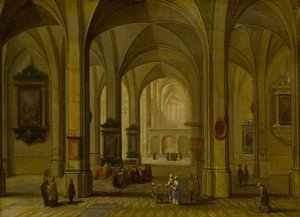
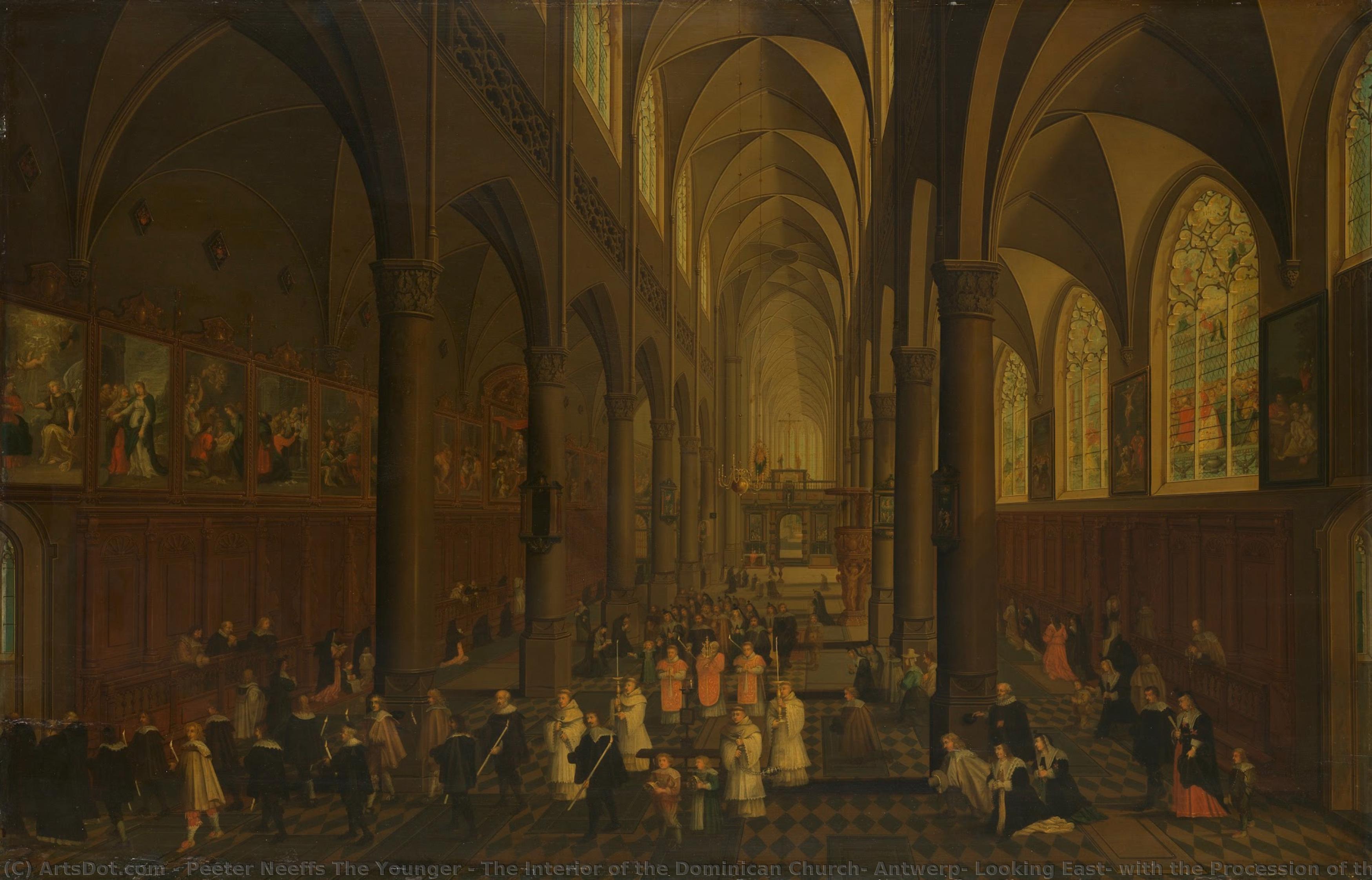
The Interior of the Dominican Church, Antwerp, Looking East, with the Procession of the Holy Sacrament, Peeter Neeffs (I), 1636
 1636
1636 68.0 x 105.0 cm
 Pročitaj više
Ručno rađena uljana reprodukcija
Ručno oslikano uljanim bojama na platnu u dimenzijama i okviru po vašem izboru, izrađeno po porudžbini od strane naših umetnika. ( Kupi print Kupi digitalnu sliku)




































Izaberite jednu od naših unapred definisanih veličina koje odgovaraju originalnim proporcijama umetničkog dela.

Можете унети сопствене димензије како бисте прилагодили дело одређеном оквиру или простору. Ако одабрана величина не одговара пропорцијама оригинала, слика ће бити исечена или проширена додатним елементима који се ручно насликавају. Дигитални prikaz ће вам бити послат на одобрење пре почетка производње.
Имајте на уму да преглед на екрану не одражава стварно исецање или проширење. Само приказ (mockup) ће тачно приказати коначну композицију.
Иако су доступне прилагођене величине, препоручујемо да одаберете димензију из дефинисане листе како бисте сачували оригиналне пропорције.
Nakon narudžbine, tim ArtsDot.com će klijentu putem e-pošte poslati uputstva i dostaviti prikaz predloženog rešenja
Isporuka širom sveta () za 3/4 nedelje umesto uobičajenih 5 nedelja. (30 август). Bez kompromisa po pitanju kvaliteta.

Besplatna ekspresna dostava širom sveta

Visokokvalitetno laneno platno

Kompletno osiguranje transporta

Garancija povraćaja carine i uvoznih dažbina

Garancija vernosti boja

Politika povrata u roku od 60 dana (samo u slučaju nedostataka)

Garancija povrata novca od 100%

Popust pri grupnoj kupovini
 Opcija sa staklom dostupna je samo za dimenzije manje od 110 cm

The Interior of the Dominican Church, Antwerp, Looking East, with the Procession of the Holy Sacrament, Peeter Neeffs (I), 1636
Tehnika reprodukcije
Dimenzije reprodukcije
-


Konačna cena
$ 263
Srodna umetnička dela




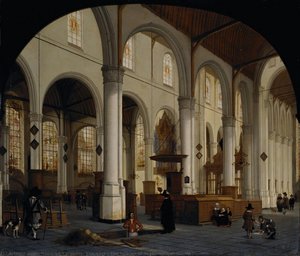
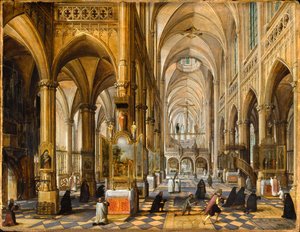

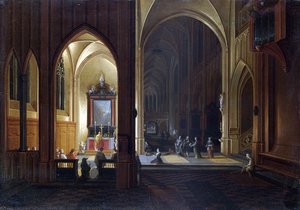
Biografija umetnika
Peeter the Younger Neeffs: A Flemish Master of Light and Shadow
Peeter the Younger Neeffs, a name perhaps less familiar than his contemporaries Rubens or Van Dyck, nevertheless stands as a significant figure in 17th-century Flemish art. Born in Antwerp in 1620 and tragically passing away around 1675, Neeffs carved out a distinctive niche for himself primarily through the captivating depiction of church interiors – spaces imbued with both grandeur and an intimate sense of spirituality. While biographical details remain somewhat sparse, his artwork speaks volumes about his skill, meticulousness, and profound understanding of light, composition, and the human experience within sacred settings.
Neeffs’ early life is shrouded in a degree of obscurity. He was the younger son of Pieter Neefs the Elder, a highly respected architectural painter already established in Antwerp. This familial connection undoubtedly played a crucial role in shaping his artistic trajectory, providing him with an apprenticeship within his father's workshop and exposure to a rich tradition of depicting religious spaces. Unlike his father, who often focused on grand, sweeping compositions, Neeffs developed a particular fascination with the subtle nuances of light and shadow within these interiors – a technique that would become the hallmark of his style.
The Art of the Interior: A Unique Vision
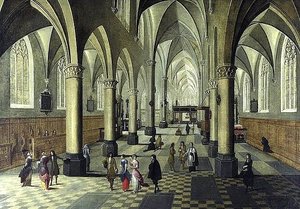
Neeffs’ primary subject matter revolved around the architectural interiors of churches, particularly those of Antwerp Cathedral. However, he didn't simply replicate existing structures; rather, he created imagined spaces—a blend of realism and artistic license—that captured a profound sense of atmosphere and emotion. These weren’t mere technical exercises in perspective; they were carefully constructed narratives, often depicting religious processions or ceremonies unfolding within the dimly lit nave. His compositions frequently feature a deep recession into space, achieved through masterful use of linear perspective, drawing the viewer's eye towards an unseen vanishing point.
A defining characteristic of Neeffs’ work is his manipulation of light. He expertly employed chiaroscuro – the dramatic contrast between light and dark – to create a sense of depth, volume, and drama. He frequently depicted interiors bathed in a soft, ethereal glow, sometimes emanating from unseen windows or stained glass, while other times utilizing stark contrasts to highlight specific figures or architectural details. This skillful use of light wasn’t merely decorative; it served to heighten the spiritual significance of the scene and evoke a sense of reverence.
Collaboration and Influences
Neeffs' artistic practice was deeply intertwined with collaboration. He frequently worked alongside other prominent Antwerp painters, notably his father, Pieter Neefs the Elder, as well as Frans Francken III, David Teniers the Younger, and Bonaventura Peeters the Elder. These collaborations allowed him to expand his repertoire and refine his technique. The close stylistic similarities between his work and that of his father have sometimes created challenges in attributing individual works definitively, highlighting the complexities of artistic lineages within the Neefs family.
While influenced by the architectural paintings of Hendrik van Steenwijck the Elder – particularly his nocturnal church interiors – Neeffs developed a unique style characterized by its meticulous detail and psychological depth. The influence of Dutch Golden Age painters is also evident in his use of color and composition, though he retained a distinctly Flemish sensibility.
Notable Works and Legacy
Among Neeffs’ most celebrated works are “Interior of a Church” (Victoria & Albert Museum), which exemplifies his mastery of light and perspective; "The Interior of the Dominican Church, Antwerp, Looking East, with the Procession of the Holy Sacrament" (Musée du Louvre), showcasing his ability to capture the dynamism of religious ceremony; and “Saint Eustace,” a powerful depiction of the saint’s encounter with the stag. These paintings demonstrate not only his technical skill but also his capacity to imbue these architectural settings with profound emotional resonance.
Today, Peeter the Younger Neeffs' works are treasured possessions within prestigious museums such as the Prado Museum in Madrid and the National Gallery in London. His legacy endures as a testament to the enduring appeal of depicting sacred spaces—a genre that continues to inspire artists and captivate viewers with its evocative beauty and spiritual depth.
For further information about Peeter the Younger Neeffs’ life and artwork, please visit https://ArtsDot.com/@/peeter the younger neeffs and explore examples of his paintings at /en/art/show/art-d3cl2x-en/.
peeter the younger neeffs
1620 - 1675 , Belgium
Osnovne informacije
- Artistic Movement Or Style: Baroque
- Artists Or Movements Influenced By This Artist: ['Jan van Huchtenburgh']
- Artists Who Influenced This Artist:
- Peter Paul Rubens
- Anthony van Dyck
- Date Of Birth: 1620 Antwerp, Belgium
- Date Of Death: 1675
- Full Name: Peeter the Younger Neeffs
- Nationality: Flemish
- Notable Artworks:
- Still life with flowers
- Portrait of a young woman
- The lute player
- Saint Eustace
- Place Of Birth: Antwerp, Belgium