

 Pregledaj u prostoru
 Pošalji
 Podeli
 Detalji o delu

 Преузми
 Slični predmeti
 Rendgenski snimak
 Slajdovi
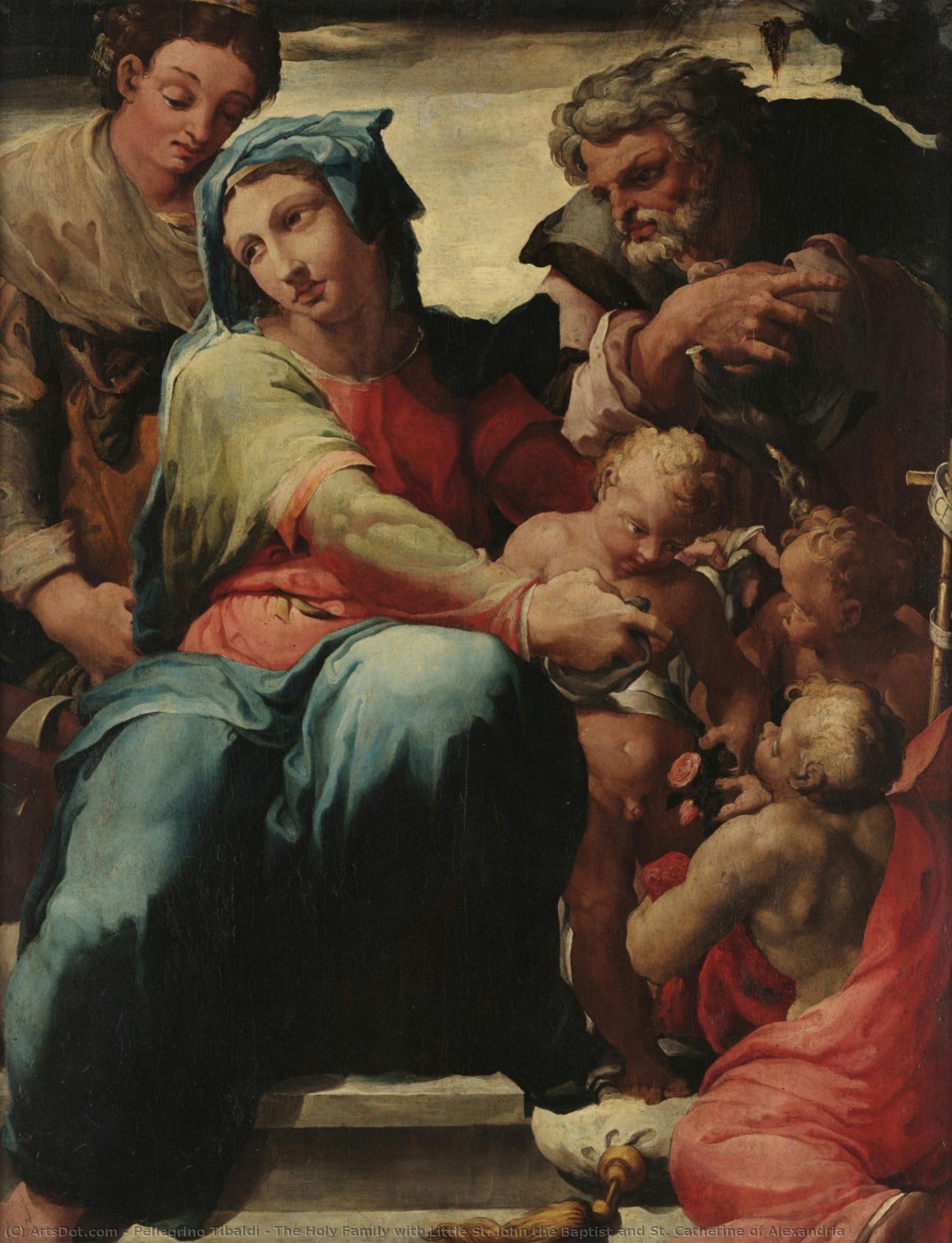
The Holy Family with Little St. John the Baptist and St. Catherine of Alexandria


 Pročitaj više
Ručno rađena uljana reprodukcija
Ručno oslikano uljanim bojama na platnu u dimenzijama i okviru po vašem izboru, izrađeno po porudžbini od strane naših umetnika. ( Kupi print Kupi digitalnu sliku)




P118B $10

P118H $10

P118W $10

P438Z $10

P508JH $12

P508YH $12

P805H $10

P805Z $10

P919BZ $10

P919G $10

P919XJ $10

P959ZH $10

P968JZ $12

W106C $8

W218G $10

W218JH $8

W218Y $10

W307PJ $10

W316G $10

W316PJ $8

W316Y $10

W398PJ $8

W4111J $10

W500HY $15

W500JH $15

W692G $12

W849H $8

W940BG $15

W953PJ $8




Izaberite jednu od naših unapred definisanih veličina koje odgovaraju originalnim proporcijama umetničkog dela.

Можете унети сопствене димензије како бисте прилагодили дело одређеном оквиру или простору. Ако одабрана величина не одговара пропорцијама оригинала, слика ће бити исечена или проширена додатним елементима који се ручно насликавају. Дигитални prikaz ће вам бити послат на одобрење пре почетка производње.
Имајте на уму да преглед на екрану не одражава стварно исецање или проширење. Само приказ (mockup) ће тачно приказати коначну композицију.
Иако су доступне прилагођене величине, препоручујемо да одаберете димензију из дефинисане листе како бисте сачували оригиналне пропорције.
Nakon narudžbine, tim ArtsDot.com će klijentu putem e-pošte poslati uputstva i dostaviti prikaz predloženog rešenja
Isporuka širom sveta () za 3/4 nedelje umesto uobičajenih 5 nedelja. (3 септембар). Bez kompromisa po pitanju kvaliteta.

Besplatna ekspresna dostava širom sveta

Visokokvalitetno laneno platno

Kompletno osiguranje transporta

Garancija povraćaja carine i uvoznih dažbina

Garancija vernosti boja

Politika povrata u roku od 60 dana (samo u slučaju nedostataka)

Garancija povrata novca od 100%

Popust pri grupnoj kupovini
 Opcija sa staklom dostupna je samo za dimenzije manje od 110 cm

The Holy Family with Little St. John the Baptist and St. Catherine of Alexandria
Tehnika reprodukcije
Dimenzije reprodukcije
-


Konačna cena
$ 263
A Vision of Divine Kinship: The Holy Family with Little St. John the Baptist and St. Catherine of Alexandria
To gaze upon this masterpiece by Pellegrino Tibaldi is to step directly into the charged atmosphere of the Italian High Renaissance, a moment when divine narrative met breathtaking humanism. This painting, executed around 1549, transcends a mere portrait; it is a complex theological tableau brimming with movement and profound connection. The central grouping—the Holy Family—is rendered not with placid serenity, but with an almost palpable energy. Observe the Virgin Mary, whose posture itself speaks of dramatic tension. She pivots her waist gracefully to the right while casting her gaze thoughtfully toward the left, creating a dynamic counterpoint that pulls the viewer's eye across the entire composition. Her outstretched arms do not merely hold; they seem to acknowledge, to guide, suggesting a relationship deeper than simple physical proximity.
Mastery in Mannerism: Tibaldi’s Imposing Figures
Pellegrino Tibaldi, an artist whose career bridged the late Mannerist flourish with the burgeoning Baroque drama, imbues every figure with monumental presence. His influence, clearly drawn from the towering achievements of Michelangelo and his circle, is evident in the stately, almost sculptural quality of the forms. The infant Christ, for instance, does not possess the delicate vulnerability one might expect; rather, he emerges as a powerful, kingly figure, lending an air of solemn majesty to the divine narrative. This technical prowess—the ability to render such imposing figures with grace and weight—marks Tibaldi as a master craftsman who commanded elite commissions across Bologna, Rome, and Spain.
Symbolism Woven into the Scene
The inclusion of Little St. John the Baptist and St. Catherine of Alexandria enriches the symbolic tapestry considerably. These flanking figures are not decorative additions; they participate in the sacred drama, each carrying their own weight of spiritual meaning. The overall setting, suggested by the visible outdoor environment and foreground elements like the bench, grounds this heavenly event within a relatable, earthly space. Furthermore, the subtle details—the presence of birds near the corners, or perhaps the depiction of one child feeding another from a bottle in the background—invite closer contemplation. These minute touches are the hallmarks of an artist who understood that symbolism resides not just in the main subjects, but in the very air surrounding them.
An Echo for the Modern Collector
For those seeking to bring the grandeur and intellectual depth of the Renaissance into a contemporary space, this work offers unparalleled resonance. The interplay between dramatic movement and carefully balanced composition ensures that the piece commands attention while inviting prolonged study. Owning a reproduction of this painting is not merely acquiring art; it is curating a focal point steeped in history, theological richness, and breathtaking artistic execution. It speaks to an appreciation for the period when art was at its most ambitious—a time when patrons demanded both divine narrative and impeccable human form.
Srodna umetnička dela








Biografija umetnika
The Versatile Visionary: The Life and Legacy of Pellegrino Tibaldi
In the vibrant, transformative era of late Mannerism and the dawn of the Baroque, few figures embodied the spirit of Renaissance polymathy as completely as Pellegrino Tibaldi. Born in 1527 in Puras, near Brescia, Tibaldi emerged from a lineage where art was woven into the very fabric of family life; his father, a skilled sculptor, provided the foundational understanding of form and volume that would later define Tibaldi’s unique approach to both canvas and stone. His early training under the renowned sculptor Giovanni Battista Falcone instilled in him a rigorous devotion to classical ideals and a meticulous attention to craftsmanship. This sculptural grounding became the hallmark of his painterly style, allowing him to imbue his figures with a monumental presence that seemed to transcend the flat surface of the fresco or oil painting.
As his career flourished, Tibaldi’s genius expanded far beyond the confines of the easel. He became a master of spatial harmony, bridging the gap between the two-dimensional world of painting and the three-dimensional reality of architecture. His architectural contributions reshaped the urban landscape of Milan, where he designed prestigious structures such as the Spinola Palace, the Erba Odescalchi Palace, and the Prospero Visconti Palace. In these works, Tibaldi demonstrated an exceptional ability to marry grandeur with geometric precision, creating environments that reflected the elegance and power of his patrons. Perhaps his most breathtaking achievement in this realm was his involvement with the Villa d'Este on Lake Como. Commissioned by Cardinal Tolomeo Gallio, Tibaldi oversaw a design that seamlessly integrated classical architectural elements with innovative landscaping, pushing the boundaries of how man-made structures could interact with the natural world.
A Master of Light, Drama, and Mannerist Elegance
Tibaldi’s painterly output is characterized by a captivating tension between the structured elegance of Mannerism and the burgeoning emotional intensity of the Baroque. His works often feature a sophisticated use of color and light to guide the viewer through complex, crowded compositions. In masterpieces such as The Adoration of the Christ Child (1568), one can witness his ability to blend classical grace with a new, more dramatic colorism. The way he depicts Mary and Jesus, surrounded by a celestial assembly of angels and sibyls, showcases a dynamic energy that was revolutionary for its time. This mastery of light is equally evident in his frescoes, such as the stunning depiction of the Raising of Lazarus, where dramatic lighting serves to heighten the spiritual gravity of the scene.
The artist's ability to manipulate texture and detail further distinguishes his oeuvre. Whether it is the intricate gold accents and delicate bird motifs found in his architectural details or the robust, muscular forms that echo his sculptural training, Tibaldi’s work invites deep contemplation. His compositions often utilize a sense of movement—a swirling, rhythmic quality that keeps the eye wandering through layers of symbolic meaning and anatomical precision. This stylistic fluidity allowed him to navigate the complex demands of various religious and noble patrons, moving effortlessly between the solemnity required for sacred altarpieces and the opulence necessary for palatial decorations.
Historical Significance and Artistic Endurance
The historical importance of Pellegrino Tibaldi lies in his role as a bridge between eras. He stood at the crossroads of the late Renaissance, carrying forward the refined traditions of his predecessors while simultaneously laying the groundwork for the theatricality and emotional depth of the Baroque period. His influence stretched across Europe, reaching into the royal courts of Spain and leaving an indelible mark on the artistic culture of Italy. Through his dual mastery of architecture and painting, he redefined the concept of the artist as a total creator of environments—one who does not merely decorate a space but fundamentally shapes its soul.
Today, Tibaldi’s legacy is preserved in some of the world's most prestigious collections and sacred sites. His works continue to inspire awe through their:
- Structural Integrity: A unique ability to bring sculptural weight and three-dimensional presence to two-dimensional surfaces.
- Architectural Innovation: The creation of lasting urban landmarks that balanced classical geometry with aesthetic splendor.
- Narrative Depth: The use of dramatic lighting and complex compositions to convey profound theological and mythological themes.

Pellegrino Tibaldi
1527 - 1596 , Italy
Osnovne informacije
- Artistic Movement Or Style: Mannerist Art
- Artists Or Movements Influenced By This Artist: ['Renaissance Painting']
- Artists Who Influenced This Artist: ['Federico Zuccaro']
- Date Of Birth: 1527
- Date Of Death: 1596
- Full Name: Pellegrino Tibaldi
- Nationality: Italian
- Notable Artworks:
- The Holy Family
- Pelleg
- Place Of Birth: Puras, Italy
Povezani članci
25 Remek-dela Hermitaža: Umotani u Lepotu i Istoriju | ArtsDot.com
Otkrijte 25 remek-dela Hermitaža u Sankt Peterburgu! Istražite priče Rembrandta, Leonarda i drugih majstora. Inspiracija za dekoraciju enterijera & reprodukcije slika vrhunskog kvaliteta na ArtsDot.com.
Marianne North's Masterpieces: 25 Botanical Paintings That Bloom With Adventure | ArtsDot
Journey through the vibrant world of Marianne North’s botanical paintings! Explore 25 iconic artworks from this Victorian artist, celebrating exotic flora & travel. Find museum-quality reproductions and curated decor ideas at ArtsDot.com.
25 Remek-dela Galerije Uffizi: Putovanje kroz renesansnu lepotu | ArtsDot.com
Istražite 25 remek-dela Galerije Uffizi u Firenci! Otkrijte priče iza slika Leonarda da Vinčija, Mikelanđela i Botticellija. Pronađite inspiraciju za dekoraciju enterijera i kupite reprodukcije vrhunske kvalitete na ArtsDot.com.

Gustav Klimt: 25 Remek-Dela Koje Očaravaju Svet – Reprodukcije za Vaš Dom
Uronite u svet Gustava Klimta! Otkrijte 25 remek-dela bečkog secesiona, od 'Poljupca' do portreta Adele Bloch-Bauer. Reprodukcije slika vrhunskog kvaliteta za luksuzni enterijer – inspiracija i dekoracija na ArtsDot.com.

Transforming Spaces: A Comprehensive Exploration of Wall Decor Through Art History & Contemporary Practice
Explore the art of transforming spaces with our comprehensive guide to wall decor. From historical movements to contemporary trends, discover how to curate impactful interiors and commission bespoke artwork for a truly personalized aesthetic.

