


 Pregledaj u prostoru
 Pošalji
 Podeli
 Detalji o delu

 Преузми
 Slični predmeti
 Rendgenski snimak
 Slajdovi
Izabela Lubomirska née Czartoryska

 Pročitaj više
Giclee štampa / Umetnički otisak
Giclée štampa ili print na platnu muzejskog kvaliteta uz brzu proizvodnju i fleksibilne opcije završne obrade. ( Kupi ručno naslikanu sliku Kupi digitalnu sliku)




































Izaberite jednu od naših unapred definisanih veličina koje odgovaraju originalnim proporcijama umetničkog dela.

Možete uneti sopstvene dimenzije kako biste umetničko delo prilagodili specifičnom okviru ili prostoru. Ako odabrani format ne odgovara proporcijama originalne slike, mi ćemo ili iscrtati deo dela ili proširiti sliku pomoću ogledane ivice ili jednobojnog popunjavanja. Digitalni prikaz će vam biti poslat na odobrenje pre početka proizvodnje.
Imajte na umu da pregled na ekranu ne odražava stvarno iscrtavanje ili proširivanje. Samo će prikaz (mockup) precizno pokazati finalnu kompoziciju.
Iako su prilagođene dimenzije dostupne, preporučujemo da odaberete dimenziju sa unapred definisane liste kako biste očuvali originalne proporcije.
Dostava širom sveta () za 2 nedelje umesto uobičajenih 4/5 nedelja. (3 септембар)

Besplatna ekspresna dostava širom sveta

Visokokvalitetno laneno platno

Kompletno osiguranje transporta

Garancija povraćaja carine i uvoznih dažbina

Garancija vernosti boja

Politika povrata u roku od 60 dana (samo u slučaju nedostataka)

Garancija povrata novca od 100%

Popust pri grupnoj kupovini
 Opcija sa staklom dostupna je samo za dimenzije manje od 110 cm

Izabela Lubomirska née Czartoryska
Giclee štampa / Umetnički otisak
Dimenzije reprodukcije
-


Konačna cena
$ 62
Srodna umetnička dela
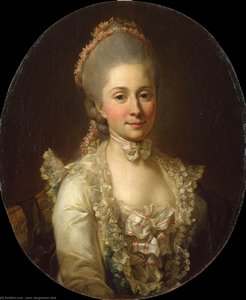

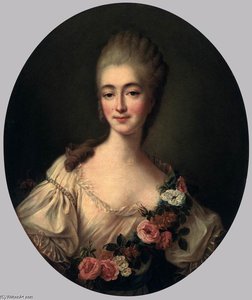

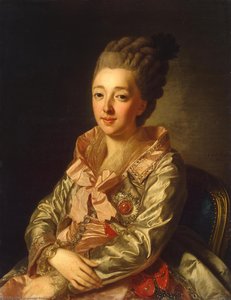

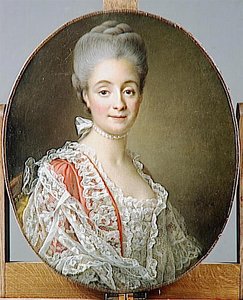
Biografija umetnika
Per the Elder Krafft: A Swedish Portraitist Embodied in Rococo Elegance
To step into the world of Per the Elder Krafft is to enter a realm of gilded salons and breathless elegance, where the light of the Enlightenment meets the delicate ornamentation of the Rococo. Born in 1724 in Arboga, Sweden, Krafft emerged as a pivotal figure in Swedish art history, a master whose brush captured not merely the physical likenesses of his era, and but the very soul of the eighteenth-century aristocratic elite. His life and work serve as a window into a period defined by a fascinating juxtaposition of grace and burgeoning neoclassical structure, reflecting a society caught between the playful whimsy of the past and the disciplined ideals of a new age.
Krafft’s artistic evolution was shaped by a lineage of profound influence. His early training began in Uppsala, where his interest in the arts first took root, but it was through his studies under established masters that his technical virtuosity truly blossomed. In Stockholm, he became a dedicated pupil of the court painter Johan Henrik Scheffel, whose influence is clearly visible in Krafft’s early self-portraits and intimate family depictions. This foundation of precision was further enriched when Krafft traveled to Copenhagen, where he encountered the works of Carl Gustaf Pilo. From these mentors, Krafft inherited a meticulous attention to detail and an unparalleled ability to manipulate light, learning how to use chiaroscuro to sculpt form and imbue his subjects with a palpable, breathing presence.
The Art of the Aristocratic Narrative
The essence of Krafft’s oeuvre lies in its ability to weave complex narratives through the medium of portraiture. His canvases were far more than simple records of identity; they were carefully constructed tapestries of status, lineage, and moral virtue. Utilizing the soft, pastel palettes characteristic of the Rococo movement, Krafft breathed life into shimmering fabrics, intricate lacework, and the subtle sheen of silk. He possessed a rare technical ability to render the ephemeral softness of human skin alongside the tangible weight of luxurious textiles, creating an illusion of depth that draws the viewer into a close, intimate encounter with the sitter.
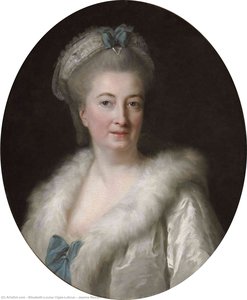
His subject matter often centered on the most prominent figures of European nobility, documenting the splendor of dynasties such as the Czartoryski. In his portrait of Izabela Lubomirska née Czartoryska, one can observe his mastery in conveying a sense of refined dignity and serene composure. Similarly, his depiction of the celebrated Russian ballerina, Natalia Alexandrovna Repnina, serves as a breathtaking testament to his skill. In this work, the artist captures an entire atmosphere of sophisticated leisure, where every fold of fabric and every glint of light whispers tales of wealth and societal expectation. Through these works, Krafft did not just paint people; he painted the very concept of nobility.
Legacy and Artistic Lineage
Beyond his individual achievements, Per the Elder Krafft’s historical significance is cemented by the artistic legacy he left within his own family. He was a patriarch of Swedish painting, father to artists who would continue to shape the nation's aesthetic landscape. His children, Per Krafft the Younger and the miniaturist Wilhelmina Krafft, both studied at the Royal Swedish Academy of Fine Arts, carrying forward the technical excellence and emotive depth instilled by their father. This familial continuity ensured that the refined sensibilities of his era would resonate well into the next century.
Ultimately, the work of Per the Elder Krafft remains a vital touchstone for understanding the cultural heartbeat of eighteenth-century Sweden. His ability to balance the playful asymmetry and organic curves of the Rococo with a profound psychological depth allows his portraits to transcend their historical moment. Even today, when we gaze upon his meticulously rendered subjects, we are reminded of a time when art was a grand celebration of beauty, grace, and the enduring allure of the human spirit.
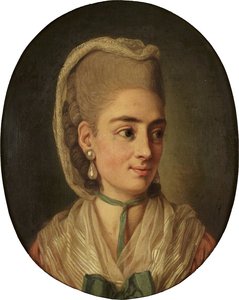
per the elder krafft
1724 - 1793 , Sweden
Osnovne informacije
- Artistic Movement Or Style: Rococo
- Date Of Birth: 1724
- Full Name: Per the Elder Krafft
- Nationality: Swedish
- Notable Artworks: ['Portrait of Natalia Repnina']
- Place Of Birth: Ärbo, Sweden

