

 Pregledaj u prostoru
 Pošalji
 Podeli
 Detalji o delu

 Преузми
 Slični predmeti
 Rendgenski snimak
 Slajdovi
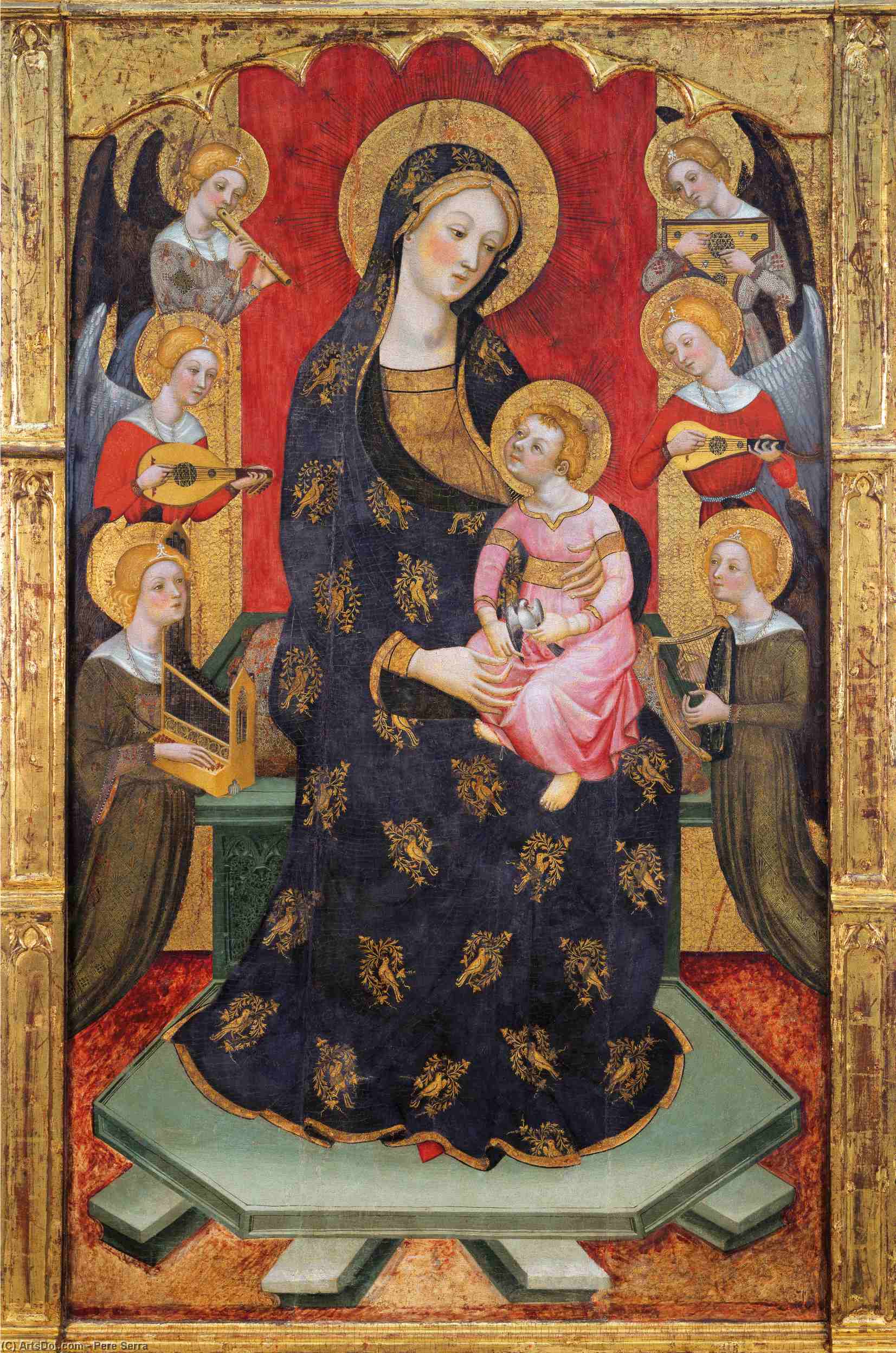
Madonna and Child with Angels Playing Music
 Tempera On Panel
- Gothic
 1390
1390- Late Medieval
 196.0 x 130.0 cm
 Museu Nacional d'Art de Catalunya
 Pročitaj više
Giclee štampa / Umetnički otisak
Giclée štampa ili print na platnu muzejskog kvaliteta uz brzu proizvodnju i fleksibilne opcije završne obrade. ( Kupi ručno naslikanu sliku Kupi digitalnu sliku)




P118B $10

P118H $10

P118W $10

P438Z $10

P508JH $12

P508YH $12

P805H $10

P805Z $10

P919BZ $10

P919G $10

P919XJ $10

P959ZH $10

P968JZ $12

W106C $8

W218G $10

W218JH $8

W218Y $10

W307PJ $10

W316G $10

W316PJ $8

W316Y $10

W398PJ $8

W4111J $10

W500HY $15

W500JH $15

W692G $12

W849H $8

W940BG $15

W953PJ $8




Izaberite jednu od naših unapred definisanih veličina koje odgovaraju originalnim proporcijama umetničkog dela.

Možete uneti sopstvene dimenzije kako biste umetničko delo prilagodili specifičnom okviru ili prostoru. Ako odabrani format ne odgovara proporcijama originalne slike, mi ćemo ili iscrtati deo dela ili proširiti sliku pomoću ogledane ivice ili jednobojnog popunjavanja. Digitalni prikaz će vam biti poslat na odobrenje pre početka proizvodnje.
Imajte na umu da pregled na ekranu ne odražava stvarno iscrtavanje ili proširivanje. Samo će prikaz (mockup) precizno pokazati finalnu kompoziciju.
Iako su prilagođene dimenzije dostupne, preporučujemo da odaberete dimenziju sa unapred definisane liste kako biste očuvali originalne proporcije.
Dostava širom sveta () za 2 nedelje umesto uobičajenih 4/5 nedelja. (26 август)

Besplatna ekspresna dostava širom sveta

Visokokvalitetno laneno platno

Kompletno osiguranje transporta

Garancija povraćaja carine i uvoznih dažbina

Garancija vernosti boja

Politika povrata u roku od 60 dana (samo u slučaju nedostataka)

Garancija povrata novca od 100%

Popust pri grupnoj kupovini
 Opcija sa staklom dostupna je samo za dimenzije manje od 110 cm

Madonna and Child with Angels Playing Music
Giclee štampa / Umetnički otisak
Dimenzije reprodukcije
-


Konačna cena
$ 62
Opis predmeta
A Celestial Symphony in Gold and Crimson
In the quiet halls of the Museu Nacional d'Art de Catalunya, there exists a window into a more spiritual age, a moment where the earthly and the divine converge through the brushstrokes of Pere Serra. His masterpiece, Madonna and Child with Angels Playing Music, is not merely a painting but a profound sensory experience that transcends the boundaries of the fourteenth century. As one gazes upon this tempera on wood marvel, the eye is immediately drawn to the central figures of the Virgin Mary and the infant Jesus, seated upon a throne that radiates a sense of royal sanctity. The composition is anchored by a breathtaking symmetry, where the warmth of deep reds and the opulence of gold leaf create an atmosphere of eternal grace. This is a scene of profound peace, yet it vibrates with a hidden energy, as if the very air around the Madonna is thick with the celestial melodies being performed by her angelic retinue.
The artistry of Pere Serra reveals a master at the height of the Italo-Gothic style, a period characterized by an exquisite tension between elegant ornamentation and spiritual depth. The technique of tempera on wood allows for a luminous clarity, where every detail—from the delicate folds of Mary’s richly textured garments to the intricate patterns of the architectural backdrop—is rendered with meticulous precision. One cannot help but be moved by the elongated, graceful silhouettes of the figures, a hallmark of Gothic aesthetics that directs the viewer's gaze upward toward the heavens. The background, featuring grand arches and a magnificent stained glass window, suggests a cathedral-like setting, grounding the divine event within a space of architectural splendor that mirrors the grandeur of the souls depicted.
The Harmony of Heaven and Earth
Beyond its visual splendor, the painting serves as a complex tapestry of religious symbolism and musical allegory. The presence of angels engaged in the playing of lutes, violins, flutists, and trumpeters transforms the canvas into a visual representation of the "Music of the Spheres." This concept, believed to be the underlying harmony of the universe, is captured here through the rhythmic arrangement of celestial beings surrounding the Madonna. Each instrument adds a layer of metaphorical sound, inviting the viewer to imagine a divine concert that celebrates the incarnation of Christ. Even the small, subtle inclusion of a bird on the periphery serves as a poignant reminder of the interconnectedness of all living things under the watchful eye of the Divine.
For the discerning collector or interior designer, this work offers more than just historical significance; it provides a focal point of unparalleled emotional resonance. A high-quality reproduction of this masterpiece brings a sense of timelessness and sophisticated heritage into any modern space. The palette of regal blues, vibrant reds, and shimmering golds possesses a unique ability to anchor a room, providing a sense of warmth and intellectual depth. Whether placed in a grand library or a serene contemporary living area, the Madonna and Child with Angels Playing Music acts as a silent storyteller, evoking a sense of wonder, tranquility, and a deep appreciation for the enduring legacy of Catalan Gothic art.
Srodna umetnička dela
Biografija umetnika
The Refined Vision of Pere Serra: A Catalan Master of the Late Gothic
Pere Serra, also known as Jaume Serra, stands as a compelling figure in the transition from the International Gothic style to the burgeoning Renaissance aesthetic within Catalonia. Born around 1357 and passing away in 1406, his life coincided with a period of significant artistic and cultural change across Europe, yet he maintained a distinctly Catalan sensibility throughout his career. While biographical details remain scarce – a common fate for artists working before widespread documentation – Serra’s surviving works speak volumes about his skill, refinement, and the patronage that supported his endeavors. He was deeply embedded in the artistic community surrounding Barcelona and, crucially, the influential monastery of Sant Cugat del Vallès, where much of his most important work can still be found today. His paintings weren't merely decorative; they were integral to religious devotion, designed to inspire contemplation and convey complex theological narratives to a largely illiterate populace.Early Influences and Artistic Development
Serra’s formative years likely saw him apprenticed within one of the numerous workshops flourishing in Barcelona during the 14th century. The city was a vibrant hub for trade and artistic exchange, exposed to influences from Italy, France, and Flanders. The International Gothic style, characterized by elegant figures, rich colors, lavish ornamentation, and meticulous detail, would have been dominant at this time. However, Serra’s work quickly distinguishes itself through a subtle yet profound shift in emphasis. While he embraced the decorative qualities of the Gothic tradition, he infused his compositions with a greater sense of naturalism and emotional depth than many of his contemporaries. The influence of Italian painting is often cited, particularly the works of artists like Simone Martini, though Serra adapted these influences to suit the Catalan context, creating a uniquely lyrical and expressive style. His early paintings demonstrate a mastery of tempera technique, employing layered glazes to achieve luminous colors and delicate modeling. He wasn’t simply copying existing styles; he was synthesizing them into something new – a distinctly Catalan Gothic voice.The Monestir de Sant Cugat: A Center for Serra's Art
The monastery of Sant Cugat del Vallès proved to be the defining artistic environment for Pere Serra. He received numerous commissions from the monastic community, undertaking extensive work on the altarpieces and devotional panels within the church. This long-term patronage allowed him to develop a cohesive visual language and explore complex iconographic programs. The ‘Virgem’ (Virgin Mary) series, in particular, showcases Serra's exceptional skill in depicting religious figures with grace, dignity, and profound emotional resonance. These panels weren’t isolated images; they were part of a larger devotional scheme intended to guide the faithful through their spiritual journey. His work at Sant Cugat also reveals his understanding of architectural space, as he carefully considered how his paintings would interact with the surrounding environment – the light filtering through stained glass windows, the arrangement of sculptural elements, and the overall atmosphere of the church. The altarpieces were not merely artworks; they were integral components of a sacred space designed to facilitate worship.Themes, Symbolism, and Technical Mastery
Serra’s paintings are deeply rooted in Christian iconography, but he imbued these traditional themes with a distinctly Catalan sensibility. He frequently depicted scenes from the life of the Virgin Mary, emphasizing her compassion, humility, and maternal role. The Annunciation, the Nativity, and the Crucifixion were common subjects, each rendered with meticulous detail and emotional intensity.- His use of gold leaf wasn’t merely decorative; it symbolized divine light and the heavenly realm.
- The vibrant colors – deep blues, rich reds, and luminous greens – evoked a sense of spiritual transcendence.
- Serra's figures are characterized by their elegant drapery, expressive gestures, and individualized features.
Legacy and Historical Significance
Pere Serra’s influence on Catalan painting is undeniable. He bridged the gap between the International Gothic style and the emerging Renaissance aesthetic, paving the way for a new generation of artists who would embrace more naturalistic forms and innovative techniques. While his work was not widely disseminated beyond Catalonia during his lifetime, it exerted a profound impact on local artistic traditions. His refined style, characterized by its elegance, emotional depth, and meticulous detail, became a hallmark of Catalan painting in the 15th century. Serra’s paintings continue to inspire awe and admiration today, offering a glimpse into the religious beliefs, artistic sensibilities, and cultural values of late medieval Catalonia. He represents a pivotal moment in Spanish art history – a master who skillfully blended tradition with innovation, creating a uniquely lyrical and expressive vision that continues to resonate centuries later.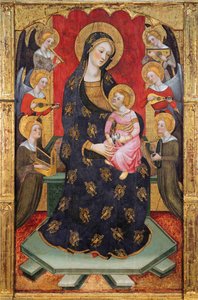
pere serra
1357 - 1406
Osnovne informacije
- Artistic Movement Or Style: Gothic-Italian
- Artists Or Movements Influenced By This Artist: ['Siena']
- Artists Who Influenced This Artist: ['Ramón Destorrents']
- Date Of Death: 1406
- Full Name: Pere Serra
- Nationality: Spanish
- Notable Artworks:
- Virgem
- Monestir de Sant Cugat
- Place Of Birth: Catalonia
Povezani članci
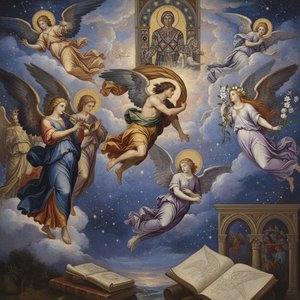
Celestial Messengers: Angels in Painting – A Historical & Artistic Exploration
Explore the captivating history of angels in painting! Discover symbolism, iconic Renaissance & Byzantine masterpieces, and renowned artists. Expert insights for art lovers & collectors at ArtsDot.
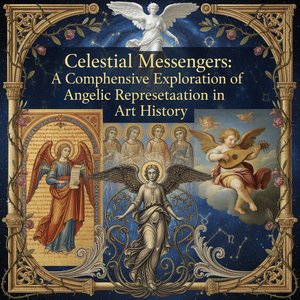
Celestial Messengers: A Comprehensive Exploration of Angelic Representation in Art History
Explore the captivating history of angels in art! Discover symbolism, iconic Renaissance masterpieces & renowned artists. Expert insights for art lovers & collectors at ArtsDot.
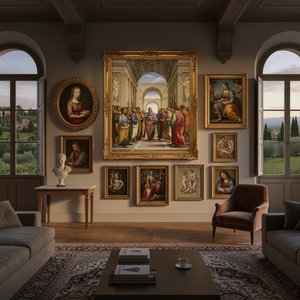
Rafaela Sanzio: 25 Remek-dela Renesansnog Majstora za Vaš Dom | ArtsDot
Uronite u svet Rafaela Sanzija! Otkrijte 25 remek-dela renesansnog umetnika, od Madona do fresaka Vatikana. Inspiracija za dekoraciju enterijera i kupovina reprodukcija slika visoke rezolucije na ArtsDot.com.
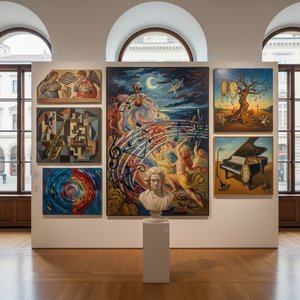
Harmonies on Canvas: Exploring the Visual Representation of Music in Art History
Explore the fascinating history of music's visual representation in art! From ancient symbolism to modern abstraction, discover how artists have captured sound and emotion on canvas. Expert insights & stunning examples.
25 Remek-dela Galerije Uffizi: Putovanje kroz renesansnu lepotu | ArtsDot.com
Istražite 25 remek-dela Galerije Uffizi u Firenci! Otkrijte priče iza slika Leonarda da Vinčija, Mikelanđela i Botticellija. Pronađite inspiraciju za dekoraciju enterijera i kupite reprodukcije vrhunske kvalitete na ArtsDot.com.

