 Pregledaj u prostoru
 Pošalji
 Podeli
 Detalji o delu

 Преузми
 Slični predmeti
 Rendgenski snimak
 Slajdovi
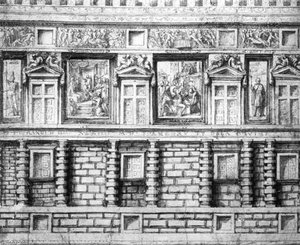
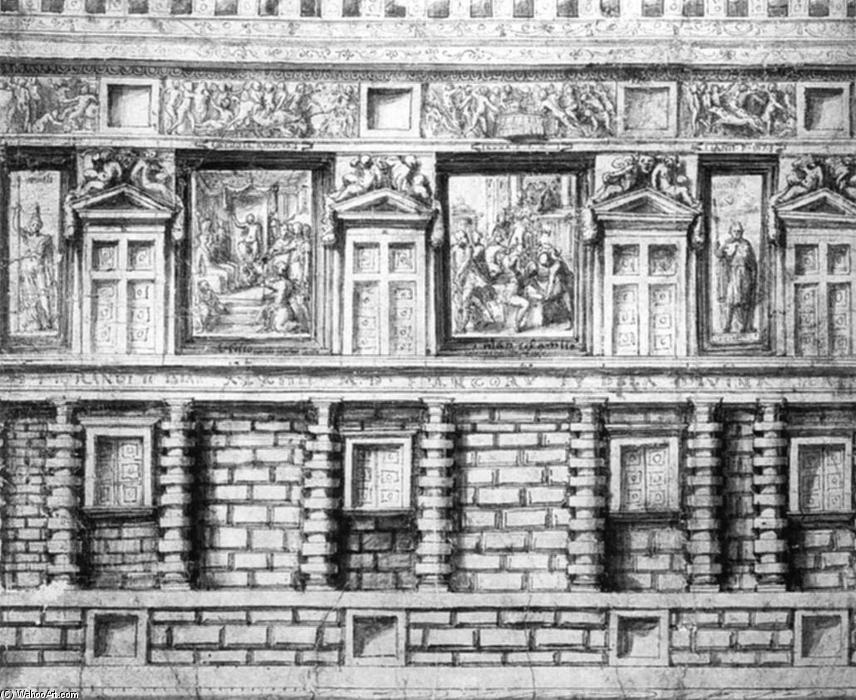
Северна фасада Вилле Дорија
 Akril na platnu
- Umetnost za zidove
- Mannerist Style
 1532
1532 294.0 x 362.0 cm
 Rijksmuseum
 Pročitaj više
Ručno rađena uljana reprodukcija
Ručno oslikano uljanim bojama na platnu u dimenzijama i okviru po vašem izboru, izrađeno po porudžbini od strane naših umetnika. ( Kupi print Kupi digitalnu sliku)




P118B $10

P118H $10

P118W $10

P438Z $10

P508JH $12

P508YH $12

P805H $10

P805Z $10

P919BZ $10

P919G $10

P919XJ $10

P959ZH $10

P968JZ $12

W106C $8

W218G $10

W218JH $8

W218Y $10

W307PJ $10

W316G $10

W316PJ $8

W316Y $10

W398PJ $8

W4111J $10

W500HY $15

W500JH $15

W692G $12

W849H $8

W940BG $15

W953PJ $8




Izaberite jednu od naših unapred definisanih veličina koje odgovaraju originalnim proporcijama umetničkog dela.

Можете унети сопствене димензије како бисте прилагодили дело одређеном оквиру или простору. Ако одабрана величина не одговара пропорцијама оригинала, слика ће бити исечена или проширена додатним елементима који се ручно насликавају. Дигитални prikaz ће вам бити послат на одобрење пре почетка производње.
Имајте на уму да преглед на екрану не одражава стварно исецање или проширење. Само приказ (mockup) ће тачно приказати коначну композицију.
Иако су доступне прилагођене величине, препоручујемо да одаберете димензију из дефинисане листе како бисте сачували оригиналне пропорције.
Nakon narudžbine, tim ArtsDot.com će klijentu putem e-pošte poslati uputstva i dostaviti prikaz predloženog rešenja
Isporuka širom sveta () za 3/4 nedelje umesto uobičajenih 5 nedelja. (3 септембар). Bez kompromisa po pitanju kvaliteta.

Besplatna ekspresna dostava širom sveta

Visokokvalitetno laneno platno

Kompletno osiguranje transporta

Garancija povraćaja carine i uvoznih dažbina

Garancija vernosti boja

Politika povrata u roku od 60 dana (samo u slučaju nedostataka)

Garancija povrata novca od 100%

Popust pri grupnoj kupovini
 Opcija sa staklom dostupna je samo za dimenzije manje od 110 cm

Северна фасада Вилле Дорија
Tehnika reprodukcije
Dimenzije reprodukcije
-


Konačna cena
$ 263
北ドリア宮殿のファサード:ペリノ・デル・ヴァガの傑作
ペリノ・デル・ヴァガは、イタリアのマニエリスム時代を代表する画家の一人であり、その作品は洗練された技巧と豊かな表現力で知られています。特に彼の描いた「北ドリア宮殿のファサード」は、当時の建築様式や芸術思想を反映した貴重な遺産として美術史に名を刻んでいます。この絵画は1532年にペリノ・デル・ヴァガがイタリアのジェーノヴァで制作し、現在ロイヤル博物館に収蔵されています。 この作品は、インクと紙に描かれたもので、寸法は高さ約362センチメートル、幅は約294センチメートルです。ペリノ・デル・ヴァガは、フィレンツェで生まれ、リドオルフォ・ギリランダイオの下で美術教育を受けました。彼の指導者は彼に卓越した技術と細部へのこだわりを instilled し、特にイタリアの画家「イル・ヴァガ」との出会いが彼の芸術的な道を大きく変えることになりました。「イル・ヴァガ」はペリノに洗練された技法と構図の表現を教え込みました。この指導により、ペリノはマニエリスムの特徴である誇張された形態や動きのある視覚効果を追求する能力を獲得しました。 「北ドリア宮殿のファサード」は、古典的な建築様式を基調とした絵画であり、柱やピエゾメントなどの要素が特徴です。窓には複雑なデザインが施され、人物が様々な活動を行っている様子が描かれています。また、建物に設置された彫像も多く、宮殿の壮麗さを増しています。ペリノは光と影の表現にも優れており、建物の立体的な形状を巧みに捉えています。絵画全体は少し高い位置から描かれ、ファサードのデザイン要素を網羅的に観察することができます。この絵画は、当時の建築家や芸術家に設計図として使用されたと考えられています。ペリノ・デル・ヴァガの署名が右下隅に記されており、彼の作品であることを証明しています。 この絵画は単なる建築物の描写にとどまらず、マニエリスムにおける理想美と技術革新を象徴しています。ペリノ・デル・ヴァガの卓越した技法は、当時の芸術家たちに大きな影響を与え、その後のイタリア美術に新たな潮流をもたらしました。「北ドリア宮殿のファサード」は、ロイヤル博物館で鑑賞できる貴重な芸術作品であり、マニエリスム時代の建築と芸術の融合を体験することができます。この絵画は、見る人に感動と驚きを与え、その美しいフォルムと繊細な色彩は、インテリアデザイナーや美術愛好家にとって特別な魅力を持っています。Srodna umetnička dela

Biografija umetnika
The Wandering Spirit of the Florentine Renaissance
Pietro Buonaccorsi, known to history through the evocative moniker Perino del Vaga, remains one of the most captivating figures of the transition from the High Renaissance to the intricate complexities of Mannerism. Born in Florence around 1501 into a lineage of artistic talent, his very name—Vaga, meaning wandering or idle—suggests a restless creative energy that would eventually carry him far beyond the borders of his native Tuscany. While his early years were rooted in the humanist traditions of Florence, his artistic soul was forged through a series of profound encounters and migrations that allowed him to weave together the disparate threads of Italian art into a singular, decorative brilliance.
His formative training began under the watchful eye of Ridolfo Ghirlandaio, where he mastered the foundational principles of Florentine clarity and anatomical precision. Yet, it was an encounter with a mysterious mentor, often referred to simply as il Vaga, that truly ignited his fascination with the theatrical and the illusionistic. This early mentorship instilled in him a lifelong devotion to the art of decoration, teaching him how to manipulate space and light to transform flat surfaces into windows of infinite depth. As he matured, Perino’s work began to reflect a sophisticated understanding of quadratura, the technique of using architectural perspective to deceive the eye, a skill that would later make him indispensable to the great patrons of Italy.
A Journey Through Power and Patronage
The trajectory of Perino’s career is a map of the most influential courts of the sixteenth century. His early successes in Florence, working on prestigious commissions for the Medici family, established him as a master of aristocratic grandeur. His ability to decorate the monumental spaces of the Palazzo Vecchio and design intricate tapestries demonstrated a versatility that caught the attention of the Roman elite. By approximately 1530, Perino had relocated to Rome, a move that would redefine his artistic destiny. In the shadow of the Vatican, he found a powerful protector in Cardinal Alessandro Farnese III, whose patronage allowed Perino to engage with the most ambitious architectural and decorative projects of the age.
During his Roman period, Perino became a vital contributor to the visual identity of the Papal court. His hand can be seen embellishing the magnificent Palazzo Farnese and contributing to the monumental task of decorating St. Peter’s Basilica. In these sacred and secular halls, he applied the principles of Mannerism—elongated forms, complex poses, and a vibrant, sometimes jarring color palette—to create environments that were as much about emotional impact as they were about religious devotion. His work during this era represents a bridge between the balanced harmony of the previous century and the expressive, often restless energy of the burgeoning Mannerist movement.
Legacy of the Master Decorator
Beyond the walls of Rome, Perino’s influence stretched into the maritime strength of Genoa and the historic centers of Pistoia. His frescoes in these cities serve as enduring testaments to his ability to command large-scale narratives. Whether depicting the celestial grace of a Madonna with Child or the dramatic tension found in works like The Fall of the Giants, Perino possessed a unique talent for blending the monumental with the delicate. His mastery of perspective, inspired by the architectural innovations of Andrea Palladio and the muscular dynamism of Michelangelo, allowed him to create spaces that felt both physically imposing and spiritually transcendent.
The historical significance of Perino del Vaga lies in his role as a primary architect of the Mannerist aesthetic. He did not merely paint figures; he designed atmospheres. His ability to integrate painting with architecture, creating seamless transitions between reality and illusion, left an indelible mark on the decorative arts of Europe. Though his life was cut short in 1547, the legacy of his wandering brush remains visible in the grand palaces and sacred basilicas of Italy, reminding us of a master who could turn stone and plaster into living, breathing drama.
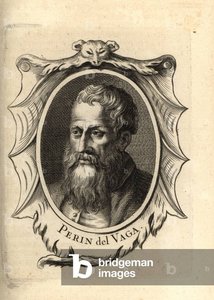
perino del vaga (piero buonaccorsi)
1501 - 1547 , Italy
Osnovne informacije
- Artistic Movement Or Style: Mannerist Painting
- Artists Who Influenced This Artist:
- Andrea Doria
- Ridolfo Ghirlandaio
- Date Of Birth: Florence, Italy (1501)
- Date Of Death: October 19, 1547
- Full Name: Piero Buonaccorsi
- Nationality: Italian
- Notable Artworks:
- Madonna with Child
- North Façade of the Villa Doria
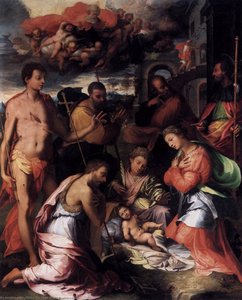
- Adoration of the Child
- Place Of Birth: Florence
Povezani članci
Andrea del Sarto: Florentine Grace, Technical Mastery & Artistic Ambition
Explore the life & art of Andrea del Sarto, a Florentine Renaissance master renowned for harmonious compositions & technical brilliance. Discover his frescoes, portraits, and lasting influence on art history.
Odjek Egejskog Obala: Strategije Izbora Umetnosti za Unutrašnje Prostore Mediteranskih Vila – Harmonizacija Prostora, Svetlosti i Nasleđa
Otkrijte tajne mediteranskog stila! Ekskluzivne strategije za izbor umetnosti i dizajn enterijera vila koje harmonizuju prostor, svetlost i nasleđe. Inspiracija & saveti stručnjaka.
Mannerism: Bridging Renaissance Harmony & Baroque Drama – A Study of Style & Affectation
Explore the fascinating world of Mannerism! Discover its key characteristics, pioneering artists like Pontormo & Bronzino, and its pivotal role in bridging Renaissance harmony to Baroque drama. A comprehensive guide for art enthusiasts.
The Art of Italian Living: Transform Your Home with Timeless Landscapes and Renaissance Masterpieces
Elevate your home with the timeless romance of Italy. Discover expert-curated, hand-painted Italian landscapes and Renaissance-inspired masterpieces. From bespoke oil reproductions to custom portraits from photos, transform your space with elegance and artistic passion.
Sebastiano del Piombo: Bridging Venetian Colorism & Roman Grand Manner Portraiture
Explore the captivating art of Sebastiano del Piombo, a Renaissance master bridging Venetian colorism & Roman grandeur. Discover his iconic portraits and lasting influence on art history. Learn more at ArtsDot.