 Pregledaj u prostoru
 Pošalji
 Podeli
 Detalji o delu

 Преузми
 Slični predmeti
 Rendgenski snimak
 Slajdovi
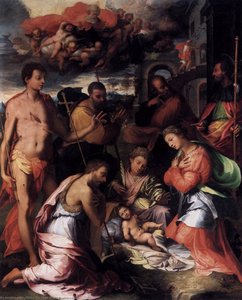
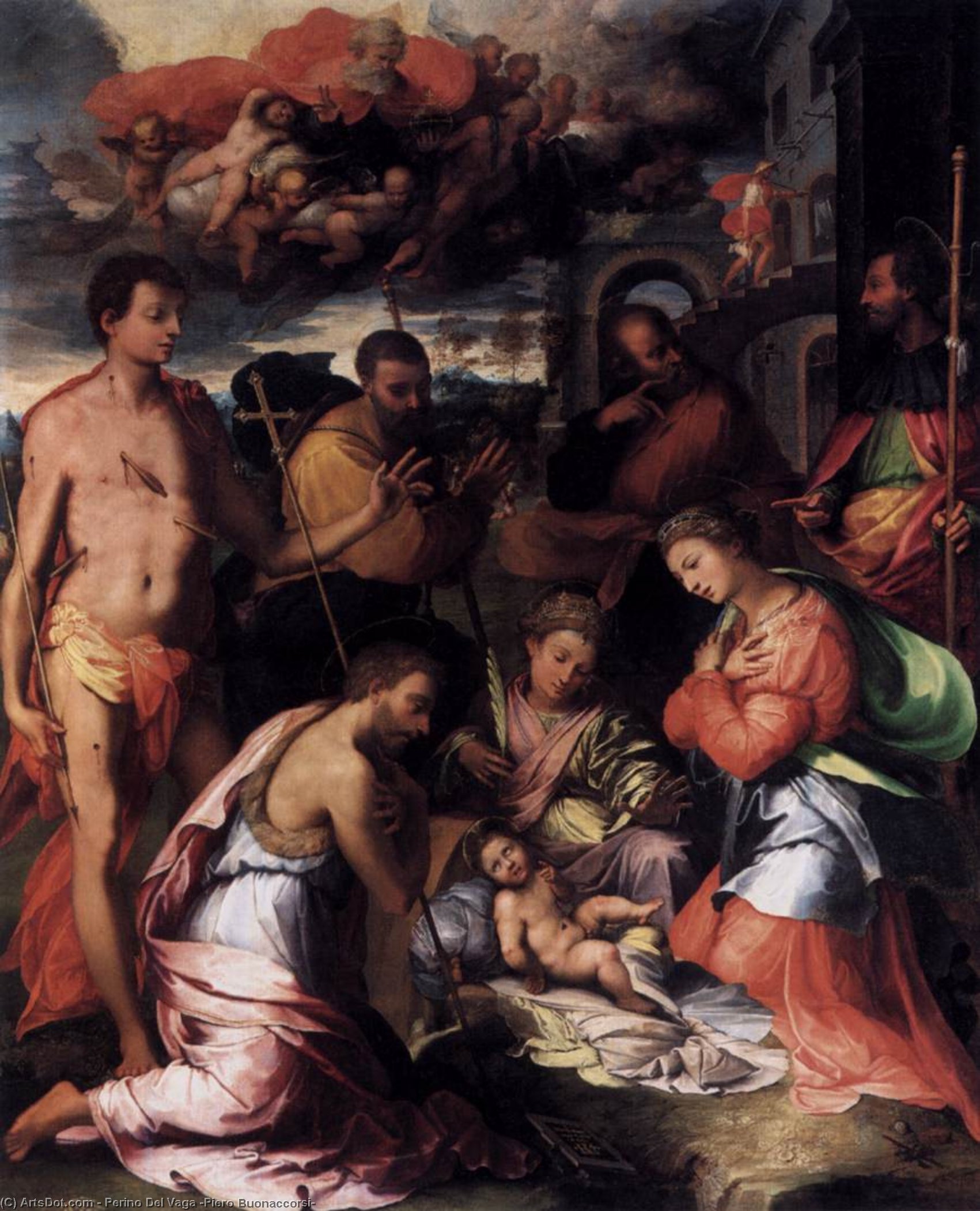
Ужаљење детета
 Akril na platnu
- Umetnost za zidove
- Italian Mannerism
 1534
1534 274.0 x 221.0 cm
 National Gallery of Art
 Pročitaj više
Giclee štampa / Umetnički otisak
Giclée štampa ili print na platnu muzejskog kvaliteta uz brzu proizvodnju i fleksibilne opcije završne obrade. ( Kupi ručno naslikanu sliku Kupi digitalnu sliku)




P118B $10

P118H $10

P118W $10

P438Z $10

P508JH $12

P508YH $12

P805H $10

P805Z $10

P919BZ $10

P919G $10

P919XJ $10

P959ZH $10

P968JZ $12

W106C $8

W218G $10

W218JH $8

W218Y $10

W307PJ $10

W316G $10

W316PJ $8

W316Y $10

W398PJ $8

W4111J $10

W500HY $15

W500JH $15

W692G $12

W849H $8

W940BG $15

W953PJ $8




Izaberite jednu od naših unapred definisanih veličina koje odgovaraju originalnim proporcijama umetničkog dela.

Možete uneti sopstvene dimenzije kako biste umetničko delo prilagodili specifičnom okviru ili prostoru. Ako odabrani format ne odgovara proporcijama originalne slike, mi ćemo ili iscrtati deo dela ili proširiti sliku pomoću ogledane ivice ili jednobojnog popunjavanja. Digitalni prikaz će vam biti poslat na odobrenje pre početka proizvodnje.
Imajte na umu da pregled na ekranu ne odražava stvarno iscrtavanje ili proširivanje. Samo će prikaz (mockup) precizno pokazati finalnu kompoziciju.
Iako su prilagođene dimenzije dostupne, preporučujemo da odaberete dimenziju sa unapred definisane liste kako biste očuvali originalne proporcije.
Dostava širom sveta () za 2 nedelje umesto uobičajenih 4/5 nedelja. (28 август)

Besplatna ekspresna dostava širom sveta

Visokokvalitetno laneno platno

Kompletno osiguranje transporta

Garancija povraćaja carine i uvoznih dažbina

Garancija vernosti boja

Politika povrata u roku od 60 dana (samo u slučaju nedostataka)

Garancija povrata novca od 100%

Popust pri grupnoj kupovini
 Opcija sa staklom dostupna je samo za dimenzije manje od 110 cm

Ужаљење детета
Giclee štampa / Umetnički otisak
Dimenzije reprodukcije
-


Konačna cena
$ 62
Adoration of the Child – A Masterpiece of Mannerist Elegance
Perino del Vaga, poznat kao Piero Buonaccorsi (1501 – Oktobar 19, 1547), predstavlja ključnu figuru poslednjih godina floreantskog Renesanse i sve većeg prihvatanja manierističke estetike. Iako postoje ograničene biografske informacije – „Vaga,“ što znači „wanderajući“ ili „nemalo aktivni,“ ukazuje na životnu energiju umetnika koja je promenila smer njegovog stvaralačkog puta. Često zaboravljeno ime, njegovo umeće i doprinos dekoraciji Italije ostaje nezaboravno zahvaljujući monumentalnim freskama koje je oslikao u Đenovu i Pistoji, potvrđujući tako mesto među najznačajnijim umetnicima svoje ere. Rođen u Firenci porodici umetnika, Buonaccorsi je početak umetničkog obrazovanja imao pod Ridolfom Ghirlandaijom, apsorbujući humanistske ideale koji su vladali tom vremenu. Međutim, upozorenje sa nekim mladim floreantskim slikarom – referenca samo kao „il Vaga“ – duboko je oblikovala njegov umetnički razvoj. Ovo vodstvo instiliralo mu je pažljivo tehničko pristalice i fascinaciju iluzijama koje su karakteristične za ovaj stil.Style and Technique: The Silent Master's Delicate Touch
Del Vaga je bio jedan od poslednjih velikih manierističkih umetnika, što znači da je njegov stil naglašavao sofisticovanost, simbolizam i emocionalnu intenzivnost više nego geometrijska čistina ili prirodna perspektiva koje su dominirale prethodnim vremenima. Poznat po svojoj izuzetnoj preciznosti i kontroli svetlosti i boje, Del Vaga je koristio tehniku koja je kombinovala detaljne linije sa složenim nijansama boja kako bi postavio impresivne slike koje su poznate po svojoj delikatnosti i sofisticovanosti. Freske koje je oslikao u Đenovu i Pistoji pokazuju njegov talent za stvaranje atmosfere koje su duboko emotivno učinkovite, što je potvrđeno velikom pažnjom koju je posvetio detaljima i korišćenju svetlosti kako bi dodatno pojačala efekat slike.Historical Context: A Farewell to Renaissance Idealism
Del Vaga je stvarao u posledњим годинама ренесансе, када су се идеалистичке врећине и радост за животом замењивале одликама које су обележиле крајњу фазу ренесансе. После великог успеха Ридолфа Гирланђаја и других великих umetnika iz vremena Renesanse, Del Vaga je nastavio да се бори са културним променама које су обележиле крајњу фазу ренесансе и да се прилагоди новом стилу који је био у моде. Ово је био период великог интереса за umetност и културу, али такође је био период сумњичења према традицијама и идеалима које су карактеристичне за prethodne ере.Symbolism and Emotion: Reverence for Innocence
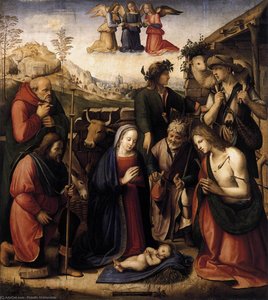
Kompozicija slike „Adoracija Deteta“ представља сцену религиозног појављивања у којој се група људи прилагођава околици и погледа на бебе које су централна фигура слике. Композиција је богата симболима који су карактеристични за manierističку umetност, укључујући употребу боје и света како би се постигла емоционална интензивност и створила атмосфера побожности и предивне лепоте. Слика говори о дубини човекове вери и појављивању младе женски личности која је утицајна на околицу и представља идеалан човек који је утицајно место у слици. Ово је емоционално захтевна работа која преноси осећање побожности и предивне лепоте, што је потврђено великом пажњом коју је umetnik посветио детаљима и употреби света како би појачала емоционални утицај слике.- Materijal: Fresko
- Dimenzije: 274 x 221 cm
- Datum: 1534
Srodna umetnička dela

Biografija umetnika
The Wandering Spirit of the Florentine Renaissance
Pietro Buonaccorsi, known to history through the evocative moniker Perino del Vaga, remains one of the most captivating figures of the transition from the High Renaissance to the intricate complexities of Mannerism. Born in Florence around 1501 into a lineage of artistic talent, his very name—Vaga, meaning wandering or idle—suggests a restless creative energy that would eventually carry him far beyond the borders of his native Tuscany. While his early years were rooted in the humanist traditions of Florence, his artistic soul was forged through a series of profound encounters and migrations that allowed him to weave together the disparate threads of Italian art into a singular, decorative brilliance.
His formative training began under the watchful eye of Ridolfo Ghirlandaio, where he mastered the foundational principles of Florentine clarity and anatomical precision. Yet, it was an encounter with a mysterious mentor, often referred to simply as il Vaga, that truly ignited his fascination with the theatrical and the illusionistic. This early mentorship instilled in him a lifelong devotion to the art of decoration, teaching him how to manipulate space and light to transform flat surfaces into windows of infinite depth. As he matured, Perino’s work began to reflect a sophisticated understanding of quadratura, the technique of using architectural perspective to deceive the eye, a skill that would later make him indispensable to the great patrons of Italy.
A Journey Through Power and Patronage
The trajectory of Perino’s career is a map of the most influential courts of the sixteenth century. His early successes in Florence, working on prestigious commissions for the Medici family, established him as a master of aristocratic grandeur. His ability to decorate the monumental spaces of the Palazzo Vecchio and design intricate tapestries demonstrated a versatility that caught the attention of the Roman elite. By approximately 1530, Perino had relocated to Rome, a move that would redefine his artistic destiny. In the shadow of the Vatican, he found a powerful protector in Cardinal Alessandro Farnese III, whose patronage allowed Perino to engage with the most ambitious architectural and decorative projects of the age.
During his Roman period, Perino became a vital contributor to the visual identity of the Papal court. His hand can be seen embellishing the magnificent Palazzo Farnese and contributing to the monumental task of decorating St. Peter’s Basilica. In these sacred and secular halls, he applied the principles of Mannerism—elongated forms, complex poses, and a vibrant, sometimes jarring color palette—to create environments that were as much about emotional impact as they were about religious devotion. His work during this era represents a bridge between the balanced harmony of the previous century and the expressive, often restless energy of the burgeoning Mannerist movement.
Legacy of the Master Decorator
Beyond the walls of Rome, Perino’s influence stretched into the maritime strength of Genoa and the historic centers of Pistoia. His frescoes in these cities serve as enduring testaments to his ability to command large-scale narratives. Whether depicting the celestial grace of a Madonna with Child or the dramatic tension found in works like The Fall of the Giants, Perino possessed a unique talent for blending the monumental with the delicate. His mastery of perspective, inspired by the architectural innovations of Andrea Palladio and the muscular dynamism of Michelangelo, allowed him to create spaces that felt both physically imposing and spiritually transcendent.
The historical significance of Perino del Vaga lies in his role as a primary architect of the Mannerist aesthetic. He did not merely paint figures; he designed atmospheres. His ability to integrate painting with architecture, creating seamless transitions between reality and illusion, left an indelible mark on the decorative arts of Europe. Though his life was cut short in 1547, the legacy of his wandering brush remains visible in the grand palaces and sacred basilicas of Italy, reminding us of a master who could turn stone and plaster into living, breathing drama.
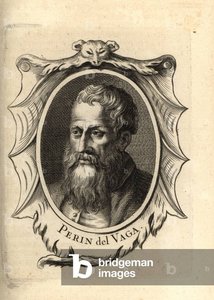
perino del vaga (piero buonaccorsi)
1501 - 1547 , Italy
Osnovne informacije
- Artistic Movement Or Style: Mannerist Painting
- Artists Who Influenced This Artist:
- Andrea Doria
- Ridolfo Ghirlandaio
- Date Of Birth: Florence, Italy (1501)
- Date Of Death: October 19, 1547
- Full Name: Piero Buonaccorsi
- Nationality: Italian
- Notable Artworks:
- Madonna with Child
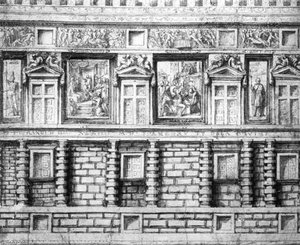
- North Façade of the Villa Doria
- Adoration of the Child
- Place Of Birth: Florence
Povezani članci

Porodična freska nasleđe: Očuvanje kulture i identiteta kroz zidno slikarstvo – Istorijski uvid za kolekcionare
Istražite bogatu istoriju zidnog slikarstva i njegov značaj za očuvanje kulture i porodičnog nasleđa. Ekskluzivni uvid za kolekcionare, restauratore i ljubitelje umetnosti. Saznajte više o tehnikama, vrednosti i budućnosti ove drevne veštine.

The Enduring Legacy of Fresco: Technique, History & Artistic Expression Across Cultures
Explore the rich history & enduring legacy of fresco painting! Discover ancient techniques, Giotto's masterpieces, and modern applications. Expert insights for art lovers & professionals.

The Enduring Legacy of Fresco Painting: Techniques, History & Contemporary Relevance
Explore the rich history & enduring artistry of fresco painting – from Giotto to Michelangelo! Discover techniques, conservation efforts, & modern applications. Learn how ArtsDot brings this timeless art form to your home.
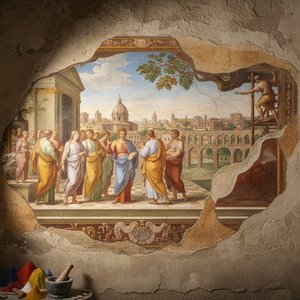
The Enduring Legacy of Fresco: Technique, History & Artistic Expression
Explore the rich history & enduring artistry of fresco painting. Discover techniques from Giotto to Michelangelo, conservation efforts, & modern applications. Learn how ArtsDot brings this timeless art form to your home.

Umetnička dela koja oživljavaju prostor: Emocionalna snaga personalizovane freske u enterijeru
Otkrijte emocionalnu snagu personalizovane freske! Ekskluzivni vodič o istoriji, tehnikama i primeni freski u luksuznom dizajnu enterijera. Kreirajte jedinstveno umetničko delo za vaš dom.