

 Pregledaj u prostoru
 Pošalji
 Podeli
 Detalji o delu

 Преузми
 Slični predmeti
 Rendgenski snimak
 Slajdovi
 Stats
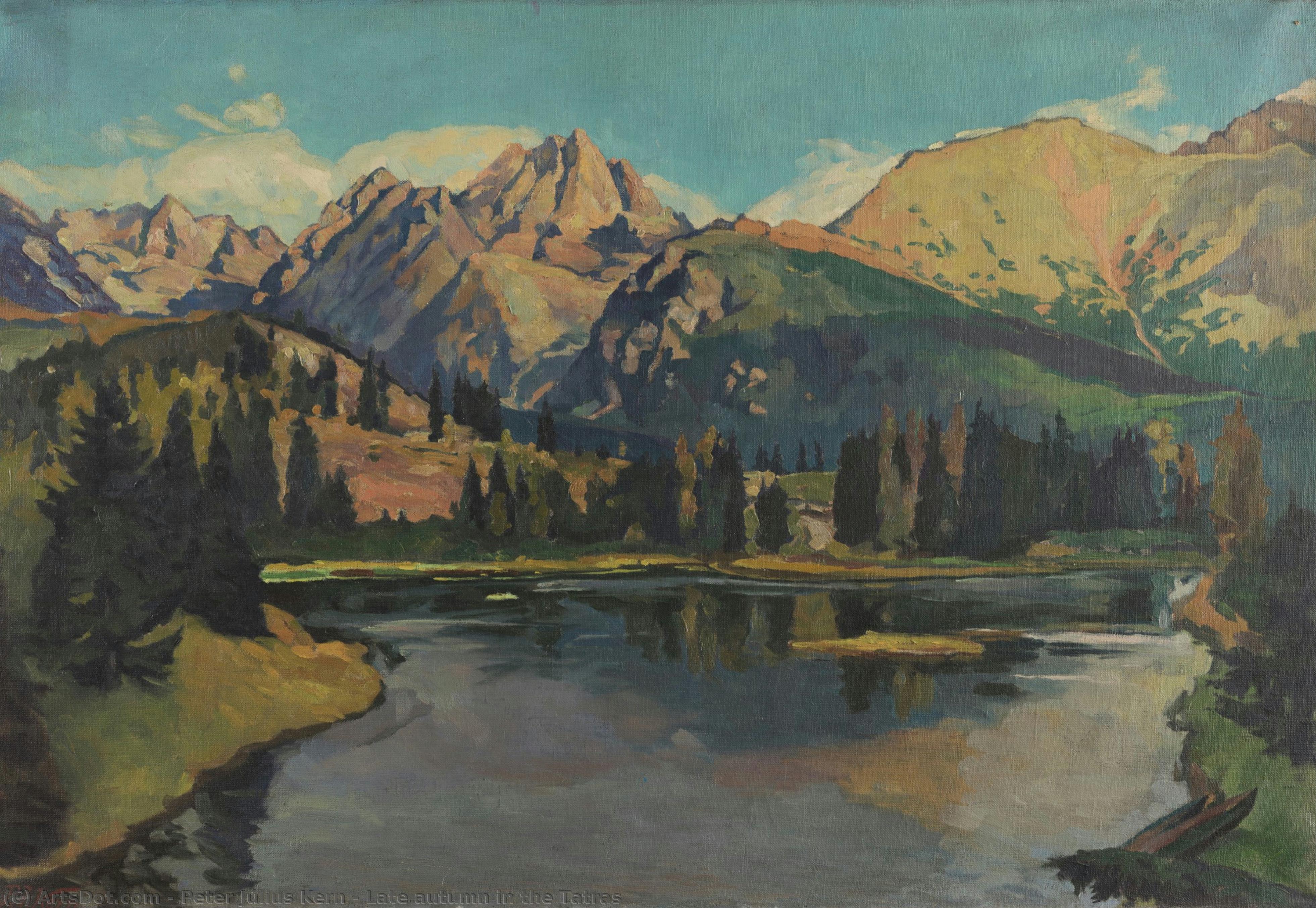
StatsLate autumn in the Tatras
 Other
Other 95.0 x 65.0 cm
 Tatra Gallery
 Pročitaj više
Ručno rađena uljana reprodukcija
Ručno oslikano uljanim bojama na platnu u dimenzijama i okviru po vašem izboru, izrađeno po porudžbini od strane naših umetnika. ( Switch to Print Switch to Digital Image)




P118B $10

P118H $10

P118W $10

P438Z $10

P508JH $12

P508YH $12

P805H $10

P805Z $10

P919BZ $10

P919G $10

P919XJ $10

P959ZH $10

P968JZ $12

W106C $8

W218G $10

W218JH $8

W218Y $10

W307PJ $10

W316G $10

W316PJ $8

W316Y $10

W398PJ $8

W4111J $10

W500HY $15

W500JH $15

W692G $12

W849H $8

W940BG $15

W953PJ $8




Izaberite jednu od naših unapred definisanih veličina koje odgovaraju originalnim proporcijama umetničkog dela.

Можете унети сопствене димензије како бисте прилагодили дело одређеном оквиру или простору. Ако одабрана величина не одговара пропорцијама оригинала, слика ће бити исечена или проширена додатним елементима који се ручно насликавају. Дигитални prikaz ће вам бити послат на одобрење пре почетка производње.
Имајте на уму да преглед на екрану не одражава стварно исецање или проширење. Само приказ (mockup) ће тачно приказати коначну композицију.
Иако су доступне прилагођене величине, препоручујемо да одаберете димензију из дефинисане листе како бисте сачували оригиналне пропорције.
Nakon narudžbine, tim ArtsDot.com će klijentu putem e-pošte poslati uputstva i dostaviti prikaz predloženog rešenja
Isporuka širom sveta () za 3/4 nedelje umesto uobičajenih 5 nedelja. (7 септембар). Bez kompromisa po pitanju kvaliteta.

Besplatna ekspresna dostava širom sveta

Visokokvalitetno laneno platno

Kompletno osiguranje transporta

Garancija povraćaja carine i uvoznih dažbina

Garancija vernosti boja

Politika povraćaja u roku od 100 dana (isključivo u slučaju nedostataka)

Garancija povrata novca od 100%

Popust pri grupnoj kupovini
 Opcija sa staklom dostupna je samo za dimenzije manje od 110 cm

Late autumn in the Tatras
Tehnika reprodukcije
Dimenzije reprodukcije
-


Konačna cena
$ 263
Srodna umetnička dela
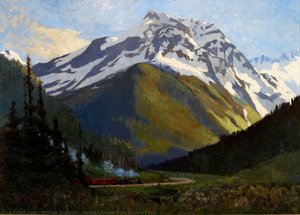
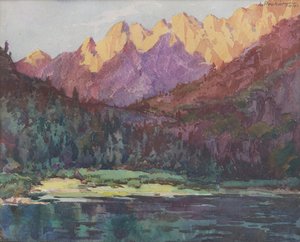
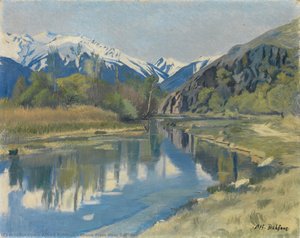
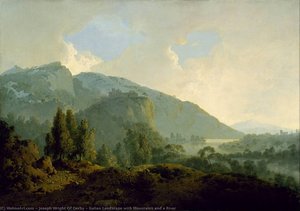
Biografija umetnika
Pablo Picasso: A Revolutionary Soul
Pablo Picasso, a name synonymous with artistic innovation and boundless creativity, remains one of the most recognizable and influential figures in the history of art. Born in Málaga, Spain, on October 25, 1881, into a family steeped in artistic tradition – his father, José Ruiz y Blasco, was a respected art teacher and curator – Picasso’s journey from a passionate young boy to a globally celebrated master is a testament to the power of relentless experimentation and an unwavering commitment to pushing the boundaries of visual expression. His life wasn't simply about painting; it was a vibrant tapestry woven with love, loss, political upheaval, and constant evolution, each thread contributing to the richness and complexity of his artistic legacy.
Early Years & Influences: A Foundation in Malaga
Picasso’s childhood in Málaga provided the fertile ground for his burgeoning talent. His father instilled in him a deep appreciation for art, exposing him to classical sculpture and fostering a love of drawing from an early age. The family’s frequent visits to the city's museum were formative experiences, introducing young Pablo to the works of masters like El Greco and Velázquez – artists whose dramatic use of color and dynamic compositions would subtly influence his own style. However, Picasso’s childhood was also marked by a profound sense of loss when he was nine years old; his sister Conchita succumbed to diphtheria, an event that profoundly affected him and is believed to have fueled a period of intense melancholy reflected in the “Blue Period” of his work. This early exposure to hardship and mortality would become a recurring theme throughout his oeuvre.
- The Influence of El Greco: Picasso was particularly drawn to the elongated figures and dramatic lighting of El Greco’s paintings, which he studied intently during his visits to the museum.
- Bullfighting & Spanish Culture: The spectacle of bullfighting captivated young Picasso, providing a rich source of inspiration for his early works depicting matadors and bullfighters.
The Rise of Cubism & Artistic Revolution
Following a period of study in Barcelona and Madrid, Picasso settled in Paris in 1904, immersing himself in the vibrant artistic community that thrived there. It was here, alongside Georges Braque, that he spearheaded the revolutionary movement known as Cubism. Rejecting traditional notions of perspective and representation, Cubism sought to depict objects from multiple viewpoints simultaneously, fracturing forms into geometric shapes and presenting them on a single plane. This radical departure shattered established conventions and opened up entirely new possibilities for artistic expression.
- Analytical Cubism (1908-1912): Characterized by monochromatic palettes and fragmented forms, this early phase of Cubism focused on dissecting objects into their essential components.
- Synthetic Cubism (1912-1914): Introducing brighter colors and incorporating elements like newspaper clippings and fabric – a technique known as collage – this stage built upon the foundations laid by Analytical Cubism, creating more complex and layered compositions.
Beyond Cubism: A Diverse Artistic Palette
While Cubism remains Picasso’s most celebrated contribution to art history, his artistic output spanned a remarkably diverse range of styles and subjects throughout his long career. He explored Neoclassicism, Surrealism, Expressionism, and numerous other movements, constantly reinventing himself and challenging the expectations of his audience. From poignant portraits of lovers and friends to powerful depictions of war and social injustice – most notably *Guernica* (1937), a searing indictment of the bombing of the Basque town during the Spanish Civil War – Picasso’s work consistently reflected his deep engagement with the world around him.
- Portraits: Picasso created countless portraits, capturing the essence of his subjects with remarkable insight and psychological depth.
- Mythological & Classical Themes: Inspired by ancient Greek and Roman art, he produced a series of paintings depicting mythological figures and scenes.
- Political Commentary: Throughout his life, Picasso used his art to address social and political issues, often taking a critical stance against injustice and oppression.
Legacy & Enduring Influence
Pablo Picasso died on April 8, 1973, in Mougins, France, leaving behind an unparalleled body of work that continues to captivate and inspire artists and audiences around the world. His innovative techniques, his fearless experimentation, and his unwavering commitment to artistic truth have cemented his place as one of the most important figures in modern art. Picasso’s influence can be seen not only in the works of countless subsequent artists but also in popular culture, where his iconic images – such as *Les Demoiselles d'Avignon* and *Guernica* – are instantly recognizable symbols of artistic genius and revolutionary spirit. His legacy extends far beyond the canvas, representing a profound shift in our understanding of art and its potential to challenge, provoke, and transform.
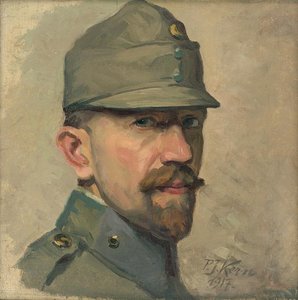
peter július kern
1881 - 1963 , Slovakia
Osnovne informacije
- Artistic Movement Or Style:
- Cubism
- Surrealism
- Artists Or Movements Influenced By This Artist:
- Braque
- Modernism
- Artists Who Influenced This Artist:
- Cézanne
- El Greco
- African art
- Date Of Birth: October 25, 1881
- Date Of Death: April 8, 1973
- Full Name: Pablo Diego José Francisco de Paula Juan Nepomuceno María de los Remedios Cipriano de la Santísima Trinidad Ruiz y Picasso
- Nationality: Spanish
- Notable Artworks:
- Guernica
- Les Demoiselles d’Avignon
- The Weeping Woman
- Place Of Birth: Málaga, Spain
Povezani članci

Glavna dela koja su definisala Romantični pejzaž: 10 remek-dela za vaš dom
Otkrijte 10 remek-dela romantičnog pejzažnog slikarstva! Uronite u svet Claude Lorraina, Caspara David Friedricha i Turnera. Ispričane priče umetnosti, inspiracija za dekoraciju doma. Kvalitetne reprodukcije na ArtsDot.com – istražite celu kolekciju online!

Evocations of Place: A Historical Journey Through Landscape Art
Explore the rich history of landscape art with ArtsDot. Discover renowned artists, movements like Impressionism & Romanticism, and expert guidance for collecting timeless pieces. Find your perfect serene escape today!
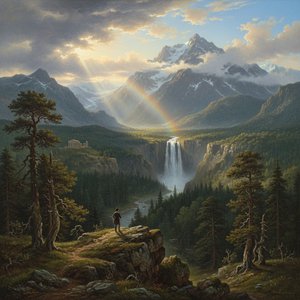
Evoking Nature's Sublime: A Comprehensive Exploration of 19th-Century Landscape Painting
Explore the captivating world of 19th-century landscape painting! Discover renowned artists like Friedrich & Monet, key movements, and find the perfect artwork to bring nature's serenity into your home. Expert insights at ArtsDot.
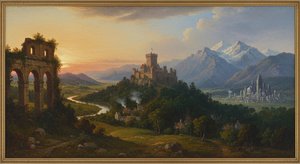
Evocations of Place: A Historical Journey Through Landscape Art
Explore the rich history of landscape art with ArtsDot. Discover renowned artists, movements like Impressionism & tonalism, and expert guidance for collecting timeless pieces. Find your perfect serene escape today!
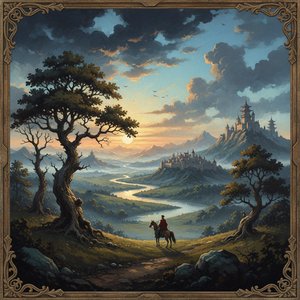
Evoking Atmosphere & Identity: A Journey Through Landscape Painting's History
Explore the rich history of landscape painting! Discover renowned artists, movements like Romanticism, & techniques such as atmospheric perspective. Find inspiration and quality reproductions at ArtsDot.