

 Pregledaj u prostoru
 Pošalji
 Podeli
 Detalji o delu

 Преузми
 Slični predmeti
 Rendgenski snimak
 Slajdovi
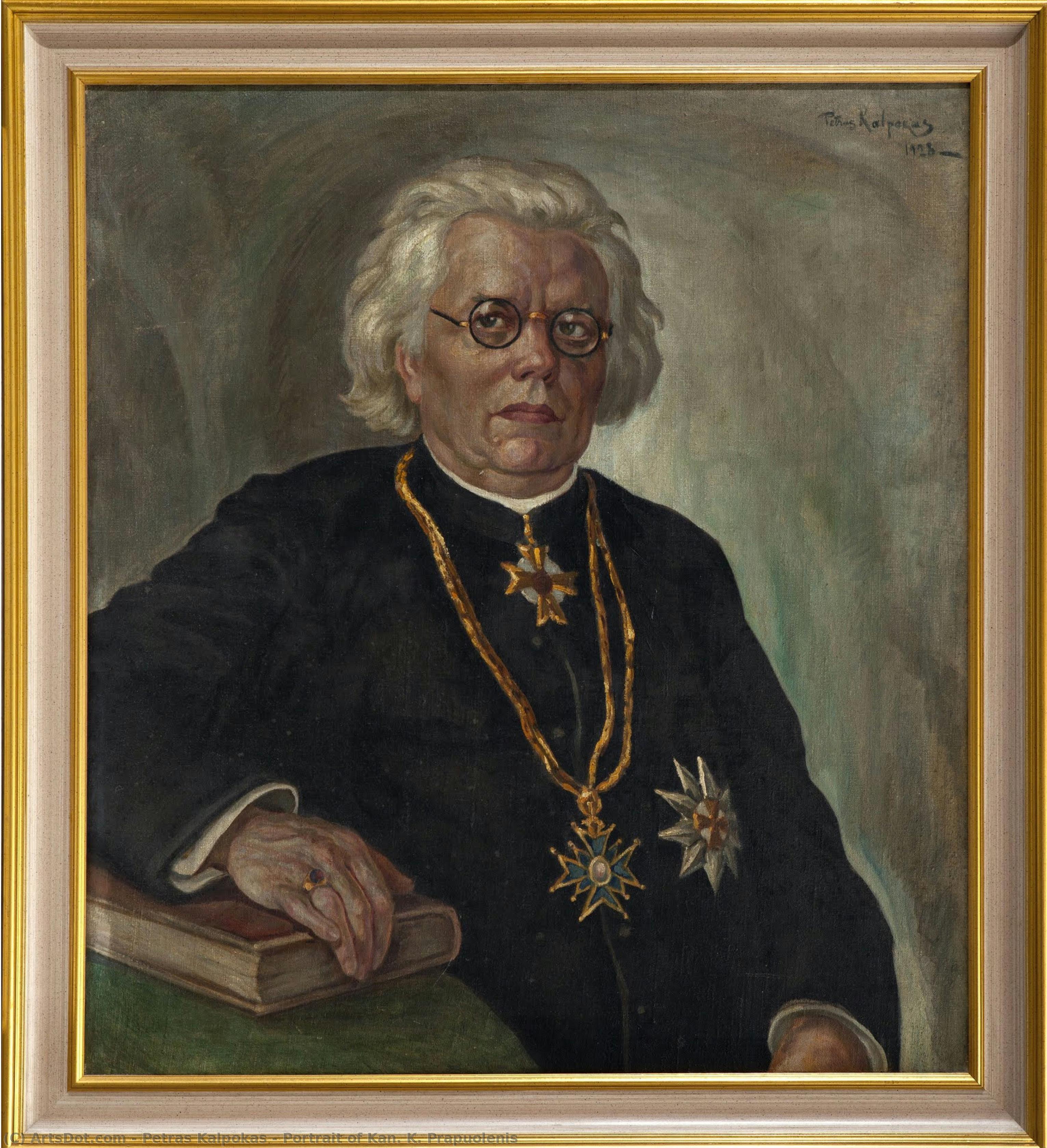
Portrait of Kan. K. Prapuolenis
 Oil On Canvas
- WallArt
- Realism
 1928
1928- Modern
 98.0 x 85.0 cm
 Lithuanian Art Fund
 Pročitaj više
Giclee štampa / Umetnički otisak
Giclée štampa ili print na platnu muzejskog kvaliteta uz brzu proizvodnju i fleksibilne opcije završne obrade. ( Kupi ručno naslikanu sliku Kupi digitalnu sliku)




P118B $10

P118H $10

P118W $10

P438Z $10

P508JH $12

P508YH $12

P805H $10

P805Z $10

P919BZ $10

P919G $10

P919XJ $10

P959ZH $10

P968JZ $12

W106C $8

W218G $10

W218JH $8

W218Y $10

W307PJ $10

W316G $10

W316PJ $8

W316Y $10

W398PJ $8

W4111J $10

W500HY $15

W500JH $15

W692G $12

W849H $8

W940BG $15

W953PJ $8




Izaberite jednu od naših unapred definisanih veličina koje odgovaraju originalnim proporcijama umetničkog dela.

Možete uneti sopstvene dimenzije kako biste umetničko delo prilagodili specifičnom okviru ili prostoru. Ako odabrani format ne odgovara proporcijama originalne slike, mi ćemo ili iscrtati deo dela ili proširiti sliku pomoću ogledane ivice ili jednobojnog popunjavanja. Digitalni prikaz će vam biti poslat na odobrenje pre početka proizvodnje.
Imajte na umu da pregled na ekranu ne odražava stvarno iscrtavanje ili proširivanje. Samo će prikaz (mockup) precizno pokazati finalnu kompoziciju.
Iako su prilagođene dimenzije dostupne, preporučujemo da odaberete dimenziju sa unapred definisane liste kako biste očuvali originalne proporcije.
Dostava širom sveta () za 2 nedelje umesto uobičajenih 4/5 nedelja. (1 септембар)

Besplatna ekspresna dostava širom sveta

Visokokvalitetno laneno platno

Kompletno osiguranje transporta

Garancija povraćaja carine i uvoznih dažbina

Garancija vernosti boja

Politika povrata u roku od 60 dana (samo u slučaju nedostataka)

Garancija povrata novca od 100%

Popust pri grupnoj kupovini
 Opcija sa staklom dostupna je samo za dimenzije manje od 110 cm

Portrait of Kan. K. Prapuolenis
Giclee štampa / Umetnički otisak
Dimenzije reprodukcije
-


Konačna cena
$ 62
A Vision of Dignity: The Portrait of Kan. K. Prapuolenis
In the quiet, commanding presence of Petras Kalpokas’ 1928 masterpiece, Portrait of Kan. K. Prapuolenis, one encounters more than just a likeness; one meets the very essence of Lithuanian intellectual and spiritual authority. Painted during a triumphant period in Kalpokas’ career—coinciding with his significant solo exhibition in Kaunas—this work serves as a profound study of character and status. The subject, Kazys Prapuolenis, was not merely a man of the cloth but a pivotal figure in Lithuania's national identity, serving as a researcher of history and a diplomat within the Vatican. Through Kalpokas’ brush, we see a man who embodies the weight of his responsibilities, captured with a level of detail that breathes life into every fold of his clerical attire.
The composition is masterfully structured to evoke an immediate sense of reverence. Prapuolenis is depicted in a formal, seated pose, his gaze directed slightly away from the viewer, suggesting a contemplative depth and a mind preoccupied with matters of state and soul. The artist utilizes a sophisticated interplay of light and shadow to accentuate the textures of the black cassock and the gleaming prestige of his decorations. The Cross of the Knight of the Order of the Lithuanian Grand Duke Gediminas and the Cross of Officer of the Order of Vytautas the Great are rendered with meticulous precision, their metallic luster providing a sharp, brilliant contrast against the somber tones of the subject's clothing. This careful attention to ornamentation does more than showcase wealth; it narrates a story of service, merit, and national pride.
Technically, the painting showcases Kalpokas’ ability to blend formal portraiture with an intimate psychological depth. The artist’s use of fine detail—from the subtle glint on the subject's spectacles to the heavy, dignified drape of the gold chain around his neck—creates a tactile reality that draws the viewer into the room. There is a palpable stillness in the work, an atmospheric gravity that commands attention. For the collector or the interior designer, this piece offers a profound sense of historical continuity and classical elegance. It is an artwork that does not merely decorate a space but anchors it, providing a focal point of intellectual sophistication and timeless grace that resonates within any curated collection.
To possess a reproduction of this caliber is to invite a piece of Lithuanian heritage into one's environment. The portrait remains a testament to a period of national awakening, capturing a moment when art and identity were inextricably linked. Whether placed in a private study, a formal library, or a grand hall, the Portrait of Kan. K. Prapuolenis serves as an enduring symbol of strength, wisdom, and the indelible spirit of a culture preserved through the mastery of fine art.
Srodna umetnička dela




Biografija umetnika
A Life Rooted in the Lithuanian Landscape
Petras Kalpokas, born in the small village of Miskiniu, Lithuania in 1880, was an artist whose life and work were inextricably linked to the land of his birth. The late 19th century in Lithuania was a period of national awakening, a burgeoning desire for cultural identity amidst political constraints under Tsarist Russia. This atmosphere profoundly shaped Kalpokas’ artistic vision. He wasn't merely depicting landscapes; he was capturing the soul of a nation, its quiet resilience and enduring beauty. His early life, spent immersed in the rural rhythms of Lithuania, instilled within him a deep appreciation for the natural world – the rolling hills, dense forests, and expansive skies that would become defining features of his oeuvre. While formal artistic training opportunities were limited in Lithuania at the time, Kalpokas pursued studies at the Kaunas Art School, laying the foundation for his technical skills and developing an understanding of established artistic principles. This early education proved crucial, providing him with the tools to translate his deeply felt connection to Lithuania into compelling visual narratives.From Realism to a Personal Vision
Kalpokas’ initial works demonstrate a strong grounding in realism, reflecting the prevailing artistic trends of the period. He meticulously rendered the details of Lithuanian life – peasant scenes, rural architecture, and portraits that captured the dignity and hardship of everyday people. However, he quickly moved beyond mere imitation, infusing his paintings with a subtle emotional depth and a growing sense of poetic interpretation. His palette, initially restrained, began to embrace richer tones, reflecting the changing seasons and the dramatic light of the Lithuanian countryside. He wasn’t interested in grand historical narratives or idealized depictions; instead, he focused on the intimate moments of life, finding beauty in the ordinary. This shift towards a more personal vision was also influenced by his role as a professor at the Kaunas Art School. Teaching allowed him to constantly refine his own understanding of art and encouraged experimentation with different techniques and approaches. He became a mentor to a generation of Lithuanian artists, fostering a sense of national pride and artistic innovation within the local community.Themes of Identity and Belonging
The recurring themes in Kalpokas’ work speak volumes about his commitment to portraying Lithuania's unique cultural identity. His landscapes are not simply picturesque views; they are imbued with symbolism, representing the nation’s history, folklore, and spiritual connection to the land. Portraits, too, were more than just likenesses. They served as a visual record of the Lithuanian people, preserving their traditions and celebrating their resilience in the face of adversity. He often depicted scenes of rural life – farmers working the fields, families gathered around the hearth – emphasizing the importance of community and the enduring strength of traditional values. During a period when Lithuania’s cultural expression was suppressed, Kalpokas' art became a powerful form of resistance, subtly asserting national identity through its celebration of local customs and landscapes. His paintings offered a glimpse into a world often overlooked or misrepresented, fostering a sense of pride and belonging among the Lithuanian people.Legacy and Historical Significance
Petras Kalpokas’ life was tragically cut short in 1945, leaving behind a significant body of work that continues to resonate with audiences today. Although his career spanned a period of immense political upheaval and social change, he remained steadfast in his commitment to portraying the beauty and dignity of Lithuania.- His paintings provide invaluable insights into the lives and traditions of the Lithuanian people during the late 19th and early 20th centuries.
- He played a crucial role in fostering a sense of national identity through his art, subtly resisting cultural suppression and celebrating Lithuania’s unique heritage.
- As a professor at the Kaunas Art School, he mentored a generation of Lithuanian artists, shaping the future direction of Lithuanian painting.
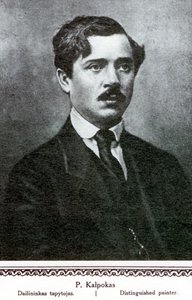
Petras Kalpokas
1880 - 1945 , Lithuania
Osnovne informacije
- Artistic Movement Or Style: Post-Impressionism
- Artists Or Movements Influenced By This Artist:
- Fauves
- Expressionism
- Artists Who Influenced This Artist:
- Jean-François Raffaëlli
- Anton Mauve
- Date Of Birth: March 30, 1853
- Date Of Death: July 29, 1890
- Full Name: Vincent Willem van Gogh
- Nationality: Dutch
- Notable Artworks:
- Sunflowers
- Bedroom in Arles
- Starry Night
- Wheatfield with Crows
- Place Of Birth: Netherlands
Povezani članci
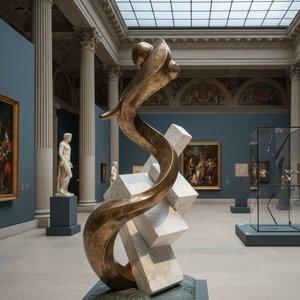
The Eloquence of Form: Aesthetic Principles & Conceptual Representations in Art History
Explore the rich history of aesthetic theory & formal analysis in art. Discover key movements, artists like Dali & Raphael, and learn to build a discerning collection with ArtsDot.
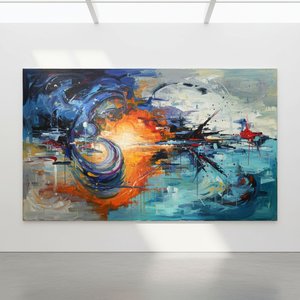
Beyond Representation: Emotional Resonance & Formal Innovation in Abstract Painting
Explore the profound emotional depth & formal innovations of abstract painting. Discover key artists like Rothko & Kandinsky, understand art collecting insights, and elevate your space with timeless masterpieces. Expert analysis for discerning collectors.
Beyond Representation: Exploring Emotional Resonance & Formal Innovation in Abstract Art
Explore the profound emotional depth & formal innovations of abstract painting. Discover key artists like Rothko & Kandinsky, understand art collecting insights, and elevate your space with timeless masterpieces. Expert analysis for discerning collectors.
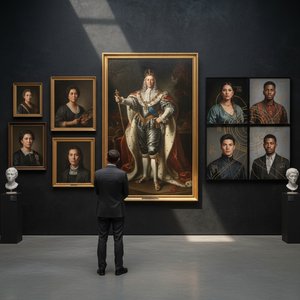
The Enduring Legacy of Formal Portraiture: Power, Identity & Artistic Exploration
Explore the rich history of formal portraiture & its enduring power to capture identity and shape perception. Discover investment-worthy artworks, expert appraisals, and custom reproduction services at ArtsDot.
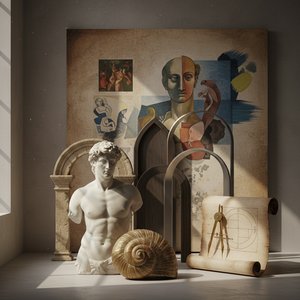
The Eloquence of Form: Exploring Aesthetic Principles & Historical Representations in Art
Explore the rich history of aesthetic principles in art! Discover formalism, abstract expressionism & color theory's impact on modern masterpieces. Expert insights for discerning collectors.

