

 Pregledaj u prostoru
 Pošalji
 Podeli
 Detalji o delu

 Преузми
 Slični predmeti
 Rendgenski snimak
 Slajdovi
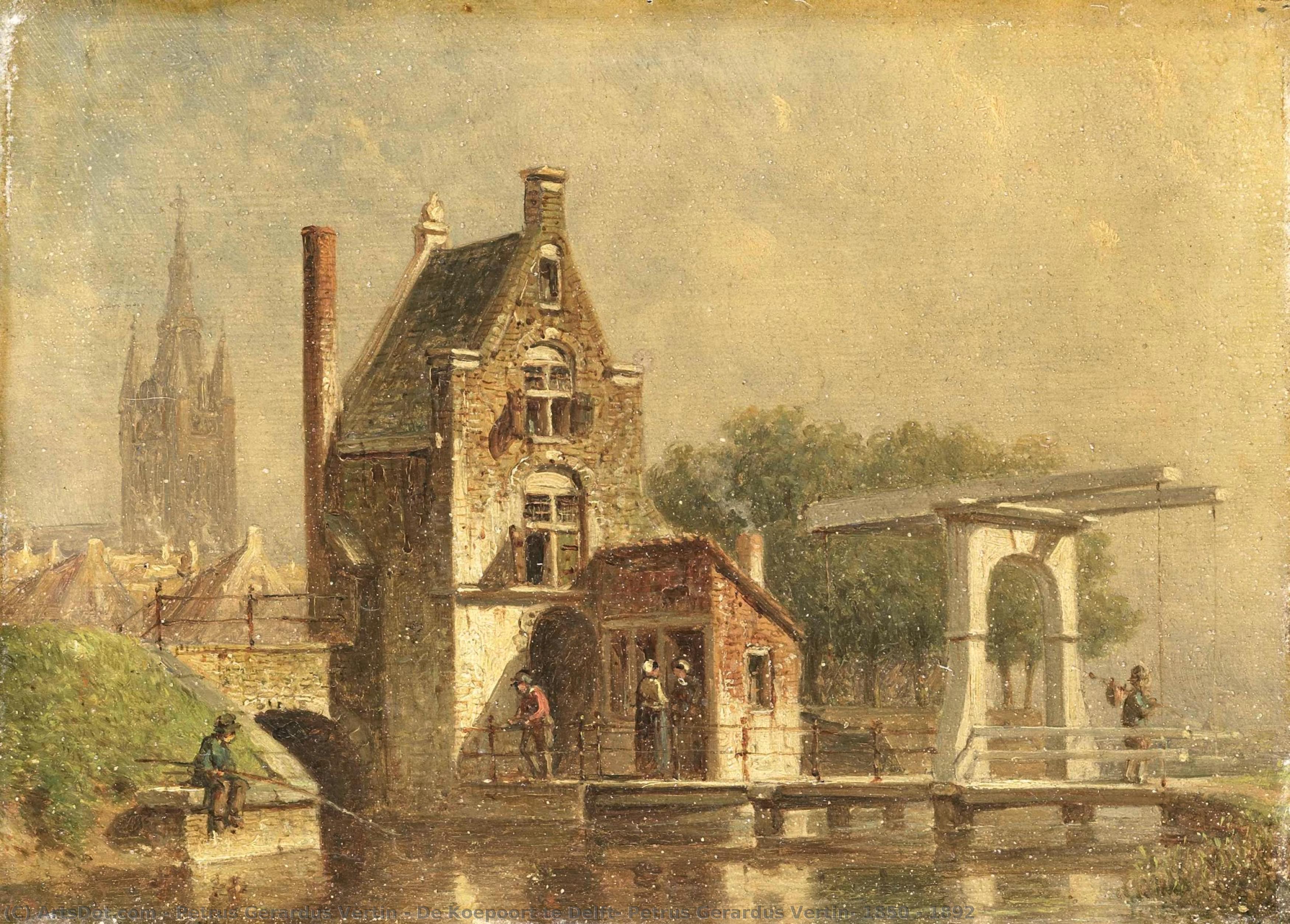
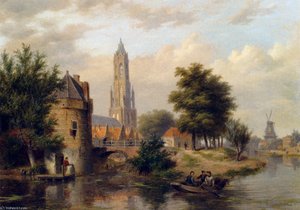
De Koepoort te Delft, Petrus Gerardus Vertin, 1850 - 1892
 Contemporary Realism
 1892
1892 16.0 x 22.0 cm
 Pročitaj više
Ručno rađena uljana reprodukcija
Ručno oslikano uljanim bojama na platnu u dimenzijama i okviru po vašem izboru, izrađeno po porudžbini od strane naših umetnika. ( Kupi print Kupi digitalnu sliku)




































Izaberite jednu od naših unapred definisanih veličina koje odgovaraju originalnim proporcijama umetničkog dela.

Можете унети сопствене димензије како бисте прилагодили дело одређеном оквиру или простору. Ако одабрана величина не одговара пропорцијама оригинала, слика ће бити исечена или проширена додатним елементима који се ручно насликавају. Дигитални prikaz ће вам бити послат на одобрење пре почетка производње.
Имајте на уму да преглед на екрану не одражава стварно исецање или проширење. Само приказ (mockup) ће тачно приказати коначну композицију.
Иако су доступне прилагођене величине, препоручујемо да одаберете димензију из дефинисане листе како бисте сачували оригиналне пропорције.
Nakon narudžbine, tim ArtsDot.com će klijentu putem e-pošte poslati uputstva i dostaviti prikaz predloženog rešenja
Isporuka širom sveta () za 3/4 nedelje umesto uobičajenih 5 nedelja. (23 август). Bez kompromisa po pitanju kvaliteta.

Besplatna ekspresna dostava širom sveta

Visokokvalitetno laneno platno

Kompletno osiguranje transporta

Garancija povraćaja carine i uvoznih dažbina

Garancija vernosti boja

Politika povrata u roku od 60 dana (samo u slučaju nedostataka)

Garancija povrata novca od 100%

Popust pri grupnoj kupovini
 Opcija sa staklom dostupna je samo za dimenzije manje od 110 cm

De Koepoort te Delft, Petrus Gerardus Vertin, 1850 - 1892
Tehnika reprodukcije
Dimenzije reprodukcije
-


Konačna cena
$ 313
Opis umetničkog dela
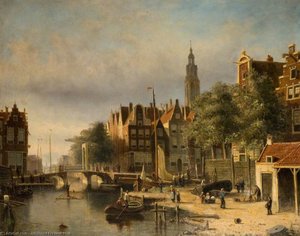
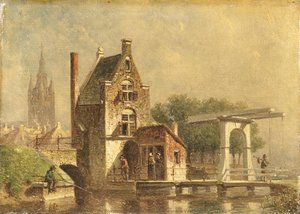
Srodna umetnička dela

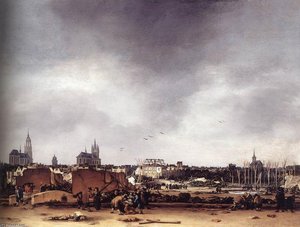
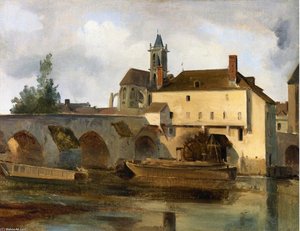
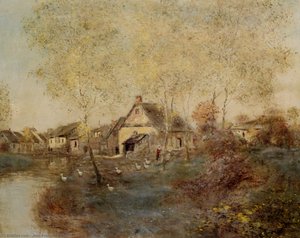
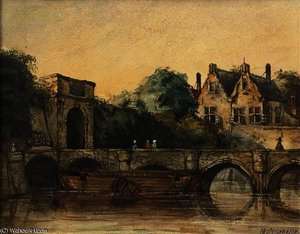
Biografija umetnika
The Soul of the Hague School: The Life and Legacy of Petrus Gerardus Vertin
In the quiet, mist-laden landscapes of the nineteenth-century Netherlands, few artists captured the ephemeral beauty of the Dutch atmosphere as tenderly as Petrus Gerardus Vertin. Born in 1819 in The Hague, Vertin emerged from an era defined by a profound shift in artistic consciousness. As a central figure within the Hague School, he moved away from the stiff, idealized romanticism of previous generations, choosing instead to embrace a realism that sought the truth in the subtle interplay of light, shadow, and moisture. His formative years in The Hague, a city steeped in intellectual curiosity and artistic tradition, provided him with the foundational tools to observe the world not just as a collection of objects, but as a series of fleeting, emotional moments.
Vertin’s formal training at the Academy of Visual Arts in The Hague was instrumental in shaping his technical precision. It was here that he honed his ability to translate the complex textures of the Dutch landscape onto paper and canvas. His education instilled in him a deep respect for meticulous detail, yet he never allowed technical accuracy to overshadow the emotional resonance of his work. This balance became the hallmark of his style, allowing him to bridge the gap between rigorous observation and poetic expression.
A Master of Light and Water
The true magic of Vertin’s oeuvre lies in his mastery of the watercolor medium. While many of his contemporaries sought the permanence of oil, Vertin found a unique language in the translucency of watercolor, which allowed him to replicate the luminous, often melancholic, quality of Dutch light. He was particularly captivated by the landscapes of Delft and its surrounding waterways, finding endless inspiration in the way winter light could transform a canal into a mirror of silver and grey.
His technique was characterized by an extraordinary ability to render texture—the dampness of a stone wall, the soft ripple of a canal, or the biting chill of a frost-covered landscape. In his iconic work, “De Koepoort te Delft,” Vertin invites the viewer into a tranquil scene where historic architecture meets the gentle movement of a water mill. Through his brush, the architecture feels grounded and permanent, yet the atmosphere remains fluid and ever-changing. This duality—the solid history of the Netherlands paired with the fleeting nature of weather—creates a sense of nostalgic sentimentality that continues to captivate collectors today.
The Teacher of Masters
Beyond his personal achievements as a painter, Vertin’s historical significance is cemented by his profound impact on the next generation of Dutch masters. As a respected instructor at the Academy of Visual Arts, he did not merely teach technique; he nurtured an artistic philosophy rooted in authenticity and emotional depth. His classroom served as a crucible for some of the most celebrated names in late nineteenth-century art.
Through his mentorship, Vertin’s influence flowed into the works of:
- Johannes Bosboom, who would become a master of church interiors and light.
- Jan Hendrik Weissenbruch, a titan of the Hague School known for his atmospheric landscapes.
By guiding these luminaries, Vertin ensured that the principles of the Hague School—realism, emotional honesty, and an intimate connection to the Dutch landscape—would endure well into the twentieth century. His legacy is not found only in the museums that house his breathtaking watercolors, but in the very DNA of Dutch landscape painting itself.
petrus gerardus vertin
1819 - 1893 , Netherlands
Osnovne informacije
- Artistic Movement Or Style: Hague School
- Artists Who Influenced This Artist:
- Johannes Bosboom
- Jan Hendrik Weissenbruch
- Date Of Birth: 1819
- Full Name: Petrus Gerardus Vertin
- Nationality: Dutch
- Notable Artworks: ['De Koepoort te Delft']
- Place Of Birth: The Hague, Netherlands
Povezani članci
Evoking Nature's Sublime: A Comprehensive Exploration of 19th-Century Landscape Painting
Explore the captivating world of 19th-century landscape painting! Discover renowned artists like Friedrich & Monet, key movements, and find the perfect artwork to bring nature's serenity into your home. Expert insights at ArtsDot.
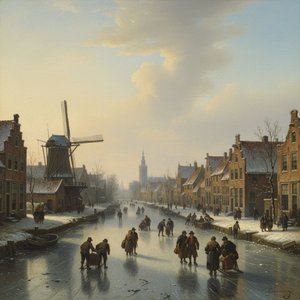
Charles Leickert: Capturing the Dutch Golden Age Light – A Comprehensive Study of Technique, Context, and Legacy
Explore the captivating winter landscapes of Charles Leickert, a master of Dutch Golden Age light & atmosphere. Discover his techniques, symbolism, and lasting legacy – a comprehensive study for art enthusiasts and collectors.

Glavna dela koja su definisala Romantični pejzaž: 10 remek-dela za vaš dom
Otkrijte 10 remek-dela romantičnog pejzažnog slikarstva! Uronite u svet Claude Lorraina, Caspara David Friedricha i Turnera. Ispričane priče umetnosti, inspiracija za dekoraciju doma. Kvalitetne reprodukcije na ArtsDot.com – istražite celu kolekciju online!
Golden Light & Dutch Skies: Bringing the Magic of Dutch Golden Age Landscapes into Your Home
Transform your home with the breathtaking light of Dutch Golden Age landscapes. Discover how hand-painted oil reproductions of masterworks like Ruisdael and Vermeer bring timeless elegance, atmosphere, and soulful texture to modern interiors. Elevate your space with museum-quality art.
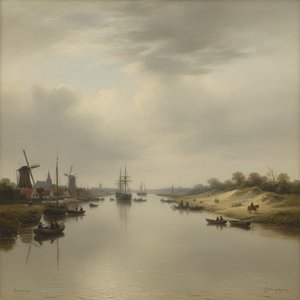
Jan van Goyen: Master of Dutch Landscape & Atmospheric Perspective
Discover Jan van Goyen, the master of Dutch landscape painting. Explore his subtle technique, atmospheric realism & lasting influence on art history. Learn about this 17th-century pioneer at ArtsDot.

