

 Pregledaj u prostoru
 Pošalji
 Podeli
 Detalji o delu

 Преузми
 Slični predmeti
 Rendgenski snimak
 Slajdovi
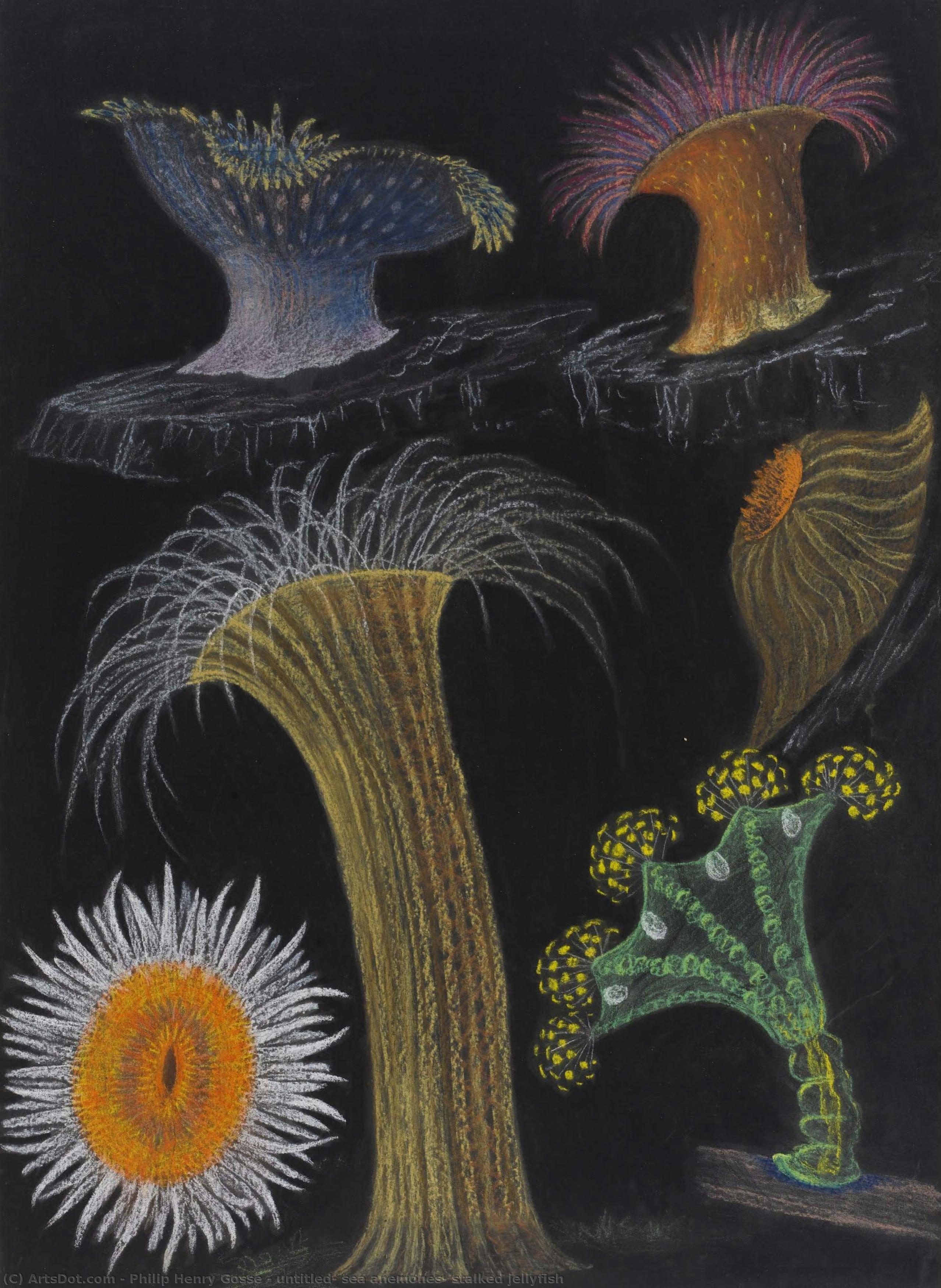
untitled: sea anemones: stalked jellyfish
 1880
1880 46.0 x 62.0 cm
 Royal Albert Memorial Museum - Art Gallery
 Pročitaj više
Ručno rađena uljana reprodukcija
Ručno oslikano uljanim bojama na platnu u dimenzijama i okviru po vašem izboru, izrađeno po porudžbini od strane naših umetnika. ( Kupi print Kupi digitalnu sliku)




































Izaberite jednu od naših unapred definisanih veličina koje odgovaraju originalnim proporcijama umetničkog dela.

Можете унети сопствене димензије како бисте прилагодили дело одређеном оквиру или простору. Ако одабрана величина не одговара пропорцијама оригинала, слика ће бити исечена или проширена додатним елементима који се ручно насликавају. Дигитални prikaz ће вам бити послат на одобрење пре почетка производње.
Имајте на уму да преглед на екрану не одражава стварно исецање или проширење. Само приказ (mockup) ће тачно приказати коначну композицију.
Иако су доступне прилагођене величине, препоручујемо да одаберете димензију из дефинисане листе како бисте сачували оригиналне пропорције.
Nakon narudžbine, tim ArtsDot.com će klijentu putem e-pošte poslati uputstva i dostaviti prikaz predloženog rešenja
Isporuka širom sveta () za 3/4 nedelje umesto uobičajenih 5 nedelja. (29 август). Bez kompromisa po pitanju kvaliteta.

Besplatna ekspresna dostava širom sveta

Visokokvalitetno laneno platno

Kompletno osiguranje transporta

Garancija povraćaja carine i uvoznih dažbina

Garancija vernosti boja

Politika povrata u roku od 60 dana (samo u slučaju nedostataka)

Garancija povrata novca od 100%

Popust pri grupnoj kupovini
 Opcija sa staklom dostupna je samo za dimenzije manje od 110 cm

untitled: sea anemones: stalked jellyfish
Tehnika reprodukcije
Dimenzije reprodukcije
-


Konačna cena
$ 263
Srodna umetnička dela




Biografija umetnika
The Architect of the Underwater World
In the heart of the Victorian era, a period defined by both rigorous scientific inquiry and profound spiritual searching, Philip Henry Gosse emerged as a figure of singular importance. Born in Worcester in 1810, Gosse was a man whose life was an intricate tapestry woven from the threads of natural history, religious devotion, and artistic precision. To look upon his work is to witness more than mere biological documentation; it is to experience the dawn of a new way of seeing the hidden depths of our planet. As a naturalist, author, and scientific illustrator, Gosse possessed the rare ability to translate the silent, rhythmic movements of marine life into a visual language that captivated the public imagination, effectively bridging the gap between the laboratory and the living room.
Gosse’s intellectual journey was deeply rooted in his upbringing within the Plymouth Brethren, a community that instilled in him a profound reverence for the natural world as a divine masterpiece. This spiritual foundation did not conflict with his scientific pursuits but rather fueled them, driving him to explore every crevice of the ocean to uncover the wonders of creation. His early training at Rugby School and medical studies at St Bartholomew’s Hospital provided him with the analytical rigor necessary for his later triumphs. While his initial fascinations lay in the study of birds, it was his descent into the mysteries of the sea that would ultimately secure his place in history, transforming him from a meticulous observer of ornithology into the "Father of the Aquarium."
A Revolution in Observation and Artistry
The mid-19th century witnessed a cultural phenomenon known as the aquarium craze, a movement that Gosse himself ignited. Before his innovations, the ocean was a distant, often terrifying frontier, understood only through vague accounts or preserved specimens. Gosse changed this paradigm by bringing the sea to the people. In 1853, he established the world's first public marine aquarium at the London Zoo, an achievement that revolutionized scientific education. By designing habitats that incorporated seawater circulation and specialized environments, he allowed the public to witness the delicate dance of anemones, the slow crawl of sea urchins, and the ethereal presence of jellyfish in real-time.
This scientific breakthrough was inseparable from his artistic contributions. Gosse’s illustrations were characterized by an extraordinary level of minuteness, accuracy, and beauty. His work on microscopic aquatic animals, specifically his three-volume study on Rotifera, remains a testament to his ability to render the nearly invisible with breathtaking clarity. In his art, one finds a seamless blend of scientific truth and aesthetic grace; he did not merely draw a specimen, he captured its essence—the translucency of a jellyfish's bell, the intricate textures of a sea anemone, and the structural complexity of marine invertebrates. His writings, most notably "The Aquarium: An Unveiling of the Wonders of the Deep Sea," served as both scientific treatises and evocative literature, guiding readers through a submerged landscape of wonder.
Legacy of a Visionary Naturalist
The historical significance of Philip Henry Gosse extends far beyond the glass walls of his early aquariums. He was a pioneer who helped establish marine biology as a distinct and vital field of study, influencing generations of naturalists to follow in his footsteps. His ability to communicate complex biological truths through accessible, beautiful imagery laid the groundwork for modern scientific illustration and nature documentary. Even as he navigated the difficult tensions between geological science and biblical literalism—most famously explored in his controversial work Omphalos—his dedication to the empirical observation of life remained unshakeable.
Today, we remember Gosse not just as a scientist, but as an artist of the deep. His legacy lives on in every aquarium that invites us to contemplate the wonders of the sea and in every scientific illustration that seeks to honor the intricate beauty of life. Through his eyes, the ocean was no longer a dark, unknowable void, but a vibrant, living gallery of extraordinary forms. His life remains a profound example of how curiosity, when paired with artistic devotion, can illuminate the darkest corners of our world and forever change our relationship with the natural environment.
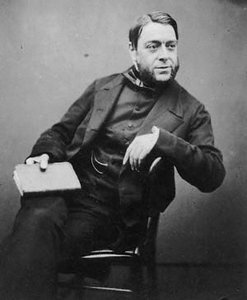
Philip Henry Gosse
1810 - 1888 , United Kingdom
Osnovne informacije
- Artistic Movement Or Style: Naturalism
- Artists Or Movements Influenced By This Artist: ['Victorian Era']
- Artists Who Influenced This Artist: ['Charles Lyell']
- Date Of Birth: April 6, 1810
- Date Of Death: August 23, 1888
- Full Name: Philip Henry Gosse
- Nationality: British
- Notable Artworks:
- Young sea urchin
- untitled: sea anemones
- Place Of Birth: Worcester, United Kingdom

