

 Pregledaj u prostoru
 Pošalji
 Podeli
 Detalji o delu

 Преузми
 Slični predmeti
 Rendgenski snimak
 Slajdovi
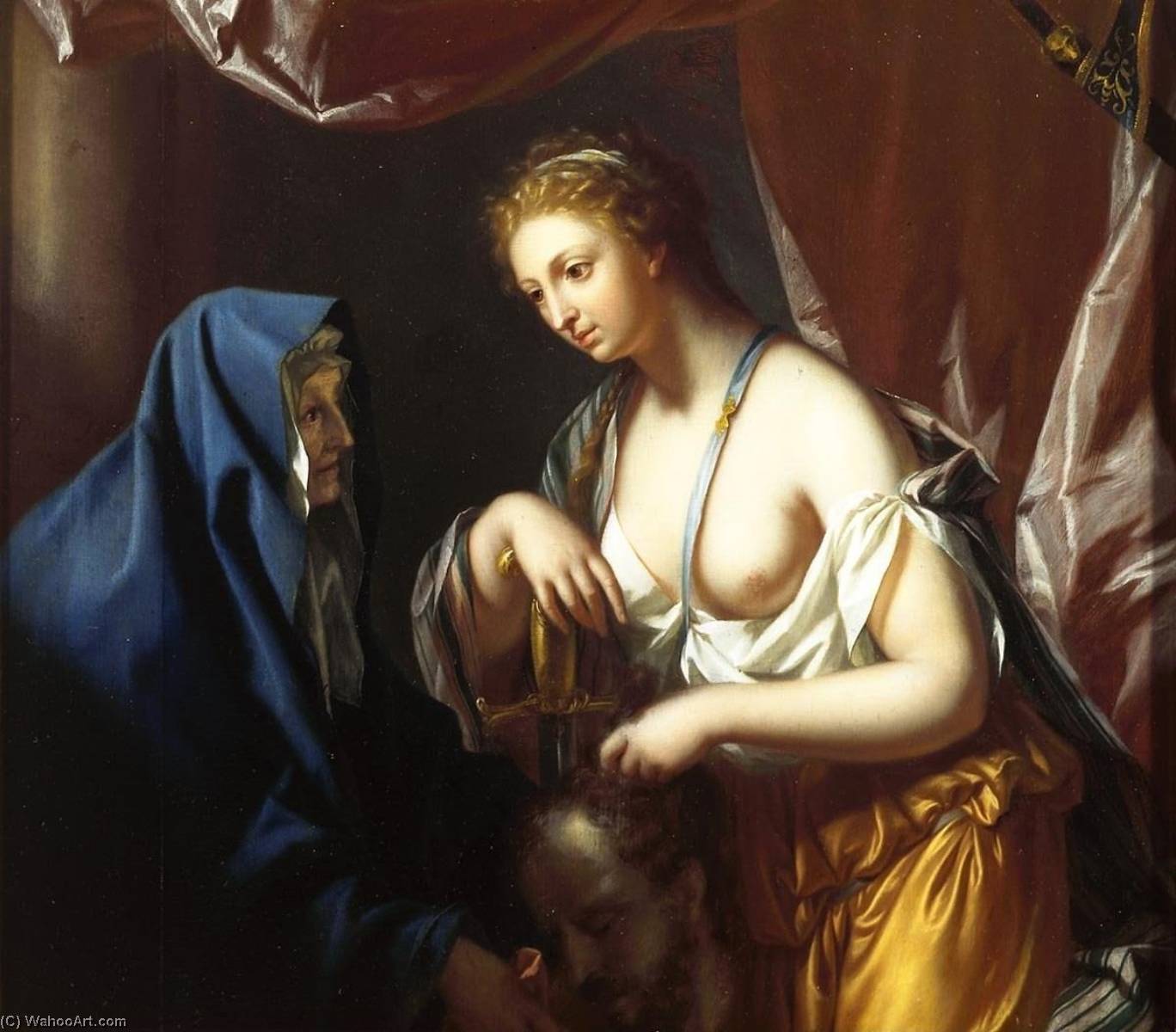
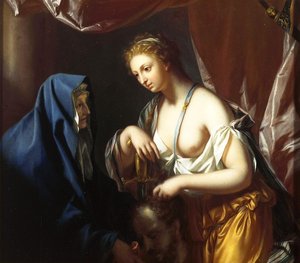
Judith with the head of Holofernes


 Pročitaj više
Ručno rađena uljana reprodukcija
Ručno oslikano uljanim bojama na platnu u dimenzijama i okviru po vašem izboru, izrađeno po porudžbini od strane naših umetnika. ( Kupi print Kupi digitalnu sliku)




































Izaberite jednu od naših unapred definisanih veličina koje odgovaraju originalnim proporcijama umetničkog dela.

Можете унети сопствене димензије како бисте прилагодили дело одређеном оквиру или простору. Ако одабрана величина не одговара пропорцијама оригинала, слика ће бити исечена или проширена додатним елементима који се ручно насликавају. Дигитални prikaz ће вам бити послат на одобрење пре почетка производње.
Имајте на уму да преглед на екрану не одражава стварно исецање или проширење. Само приказ (mockup) ће тачно приказати коначну композицију.
Иако су доступне прилагођене величине, препоручујемо да одаберете димензију из дефинисане листе како бисте сачували оригиналне пропорције.
Nakon narudžbine, tim ArtsDot.com će klijentu putem e-pošte poslati uputstva i dostaviti prikaz predloženog rešenja
Isporuka širom sveta () za 3/4 nedelje umesto uobičajenih 5 nedelja. (27 август). Bez kompromisa po pitanju kvaliteta.

Besplatna ekspresna dostava širom sveta

Visokokvalitetno laneno platno

Kompletno osiguranje transporta

Garancija povraćaja carine i uvoznih dažbina

Garancija vernosti boja

Politika povrata u roku od 60 dana (samo u slučaju nedostataka)

Garancija povrata novca od 100%

Popust pri grupnoj kupovini
 Opcija sa staklom dostupna je samo za dimenzije manje od 110 cm

Judith with the head of Holofernes
Tehnika reprodukcije
Dimenzije reprodukcije
-


Konačna cena
$ 263
The Story Behind the Painting
The story of Judith and Holofernes is a famous biblical tale that has been depicted by many artists throughout history. According to the story, Judith, a beautiful and brave woman, beheads the Assyrian general Holofernes to save her city from destruction. In Philip Van Dijk's version of the painting, Judith is shown holding the head of Holofernes, while her maid looks on in horror. The use of chiaroscuro in the painting creates a dramatic effect, with the light source coming from the left side of the composition. The colors used are muted, with a focus on earth tones and rich fabrics. The overall effect is one of drama and tension, as if the viewer has stumbled upon a private moment in time.Other Works by Philip Van Dijk
Philip Van Dijk was a prolific artist, and his works can be found in many museums and galleries around the world. Some of his other notable paintings include Lady attending to her toilet, which is also housed at the Mauritshuis Royal Picture Gallery. To learn more about Philip Van Dijk and his works, visit the ArtsDot.com website.- Judith with the Head of Holofernes is a prime example of Dutch Golden Age art
- The painting is housed at the Mauritshuis Royal Picture Gallery in The Hague, Netherlands
- Philip Van Dijk was a prolific artist with many notable works
To see more paintings by Philip Van Dijk, including Judith with the Head of Holofernes, visit the ArtsDot.com website. You can also learn more about the artist and his works on Wikipedia.
Srodna umetnička dela






Biografija umetnika
The Master of Light and Lineage: The Life of Philip van Dijk
In the grand tapestry of the Dutch Baroque, few threads are woven with as much elegance and courtly grace as those left by Philip van Dijk. Born in the vibrant artistic hub of Haarlem on January 10, 1683, Van Dijk emerged during an era when the Dutch Republic was transitioning from the rugged realism of the Golden Age into a more refined, sophisticated aesthetic. His journey was one of constant movement and prestigious associations, shaped by the shadows of masters and the bright lights of royal courts. From his early training under Arnold Boonen in Amsterdam to the transformative influence of Adriaen van der Werff in Rotterdam, Van Dijk developed a stylistic language that balanced meticulous precision with an evocative, psychological depth.
The artist’s development was deeply rooted in the rigorous traditions of the Dutch guilds. After marrying in 1708, he joined the prestigious Guild of St. Luke in Middelburg, a move that signaled his arrival as a professional of significant standing. His talent soon earned him membership in the Confrerie Pictura, where his reputation flourished among the artistic elite. This period of his life was marked by an increasing ability to capture not just the physical likeness of his subjects, and even their social status, but the very essence of their character through a delicate interplay of light and texture.
A Journey Through Royal Courts and Artistic Legacy
The true zenith of Van Dijk’s career was reached when his brush moved beyond the merchant classes of the Netherlands to serve the highest echelons of European nobility. In 1726, a decade-long departure from The Hague saw him travel to Kassel, where he assumed the prestigious role of court painter for William VIII, Landgrave of Hesse-Cassel. It was in this setting of aristocratic splendor that his mastery of portraiture truly blossomed. He captured the dignity of Landgravine Marie Louise of Hesse-Kassel and her family with a grandeur that solidified his place in the annals of Baroque history.
His influence and reach were not confined to Germany alone; by 1750, he had returned to The Hague to serve as court painter to William IV, Prince of Orange. This appointment to the House of Orange-Nassau cemented his legacy as a chronicler of royal lineage. His work remains a vital window into the social fabric of the 18th century, characterized by:
- Technical Precision: A profound ability to render the tactile qualities of silk, lace, and skin, inherited from the refined style of Adriaen van der Werff.
- Psychological Nuance: The capacity to imbue formal portraits with a sense of quiet introspection and human presence.
- Cultural Iconography: His ability to weave symbols of status—such as hunting dogs, fine linens, or classical architecture—into the narrative of his subjects.
Beyond the halls of power, Van Dijk’s impact resonated through the generations of artists he mentored at the drawing academy, including Jan Augustini and Hendrik Pothoven. Perhaps most charmingly, his artistic reach extended into the everyday lives of the Dutch people; his depiction of a Lute Player was so iconic that it served as the inspiration for the design of the Dutch 100 guilder banknote centuries later. When he passed away on February 2, 1753, he left behind a body of work that continues to resonate with the timeless beauty of the Baroque spirit.
Philip van Dijk
1683 - 1753
Osnovne informacije
- Artistic Movement Or Style: Baroque
- Artists Or Movements Influenced By This Artist: ['Dutch Baroque']
- Artists Who Influenced This Artist:
- Arnold Boonen
- Adriaen van der Werff
- Date Of Birth: 1683
- Date Of Death: 1753
- Full Name: Philip van Dijk
- Nationality: Dutch
- Notable Artworks:
- Judith with the head of Holofernes
- François Fagel III
- Place Of Birth: Netherlands

