

 Pošalji
 Podeli
 Detalji o delu

 Преузми
 Slični predmeti
 Slajdovi
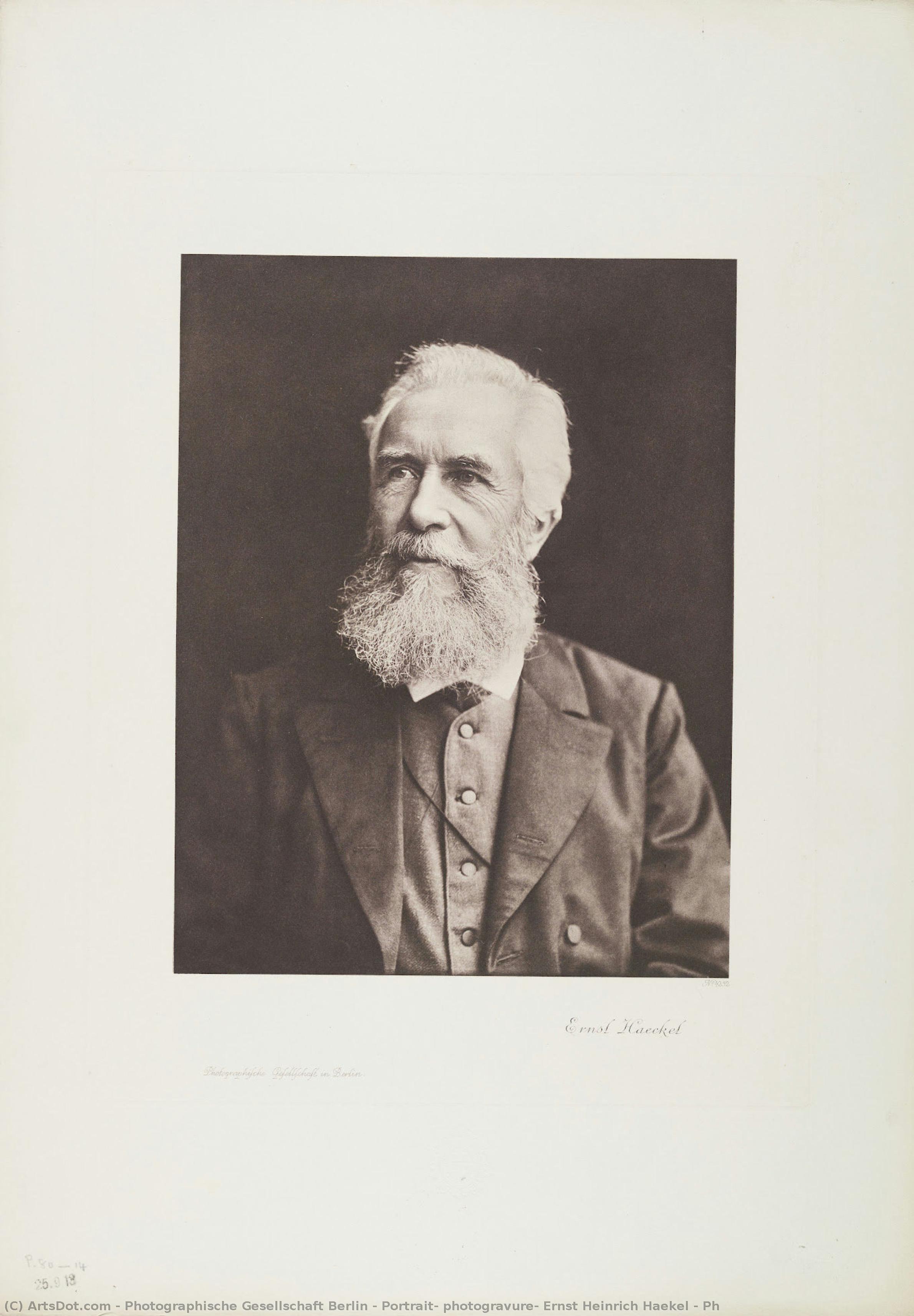
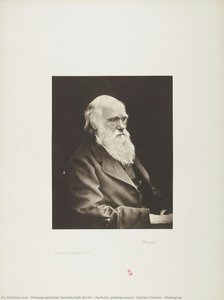
Portrait, photogravure, Ernst Heinrich Haekel / Ph


 Pročitaj više
Ručno rađena uljana reprodukcija
Ručno oslikano uljanim bojama na platnu u dimenzijama i okviru po vašem izboru, izrađeno po porudžbini od strane naših umetnika. ( Kupi print Kupi digitalnu sliku)




































Izaberite jednu od naših unapred definisanih veličina koje odgovaraju originalnim proporcijama umetničkog dela.

Можете унети сопствене димензије како бисте прилагодили дело одређеном оквиру или простору. Ако одабрана величина не одговара пропорцијама оригинала, слика ће бити исечена или проширена додатним елементима који се ручно насликавају. Дигитални prikaz ће вам бити послат на одобрење пре почетка производње.
Имајте на уму да преглед на екрану не одражава стварно исецање или проширење. Само приказ (mockup) ће тачно приказати коначну композицију.
Иако су доступне прилагођене величине, препоручујемо да одаберете димензију из дефинисане листе како бисте сачували оригиналне пропорције.
Nakon narudžbine, tim ArtsDot.com će klijentu putem e-pošte poslati uputstva i dostaviti prikaz predloženog rešenja
Isporuka širom sveta () za 3/4 nedelje umesto uobičajenih 5 nedelja. (31 август). Bez kompromisa po pitanju kvaliteta.

Besplatna ekspresna dostava širom sveta

Visokokvalitetno laneno platno

Kompletno osiguranje transporta

Garancija povraćaja carine i uvoznih dažbina

Garancija vernosti boja

Politika povrata u roku od 60 dana (samo u slučaju nedostataka)

Garancija povrata novca od 100%

Popust pri grupnoj kupovini
 Opcija sa staklom dostupna je samo za dimenzije manje od 110 cm

Portrait, photogravure, Ernst Heinrich Haekel / Ph
Tehnika reprodukcije
Dimenzije reprodukcije
-


Konačna cena
$ 263
A Portrait of Scientific Majesty: Ernst Heinrich Haeckel’s Photogravure
The image before you is more than just a portrait; it's a carefully constructed window into the mind of Ernst Heinrich Philipp August Haeckel, a titan of 19th-century biology and a master of visual communication. Executed in exquisite photogravure by the Photographische Gesellschaft Berlin around 1919, this remarkable image transcends mere likeness, offering a glimpse into the intellectual rigor and quiet authority that defined Haeckel’s life and work. The medium itself—photogravure—is crucial to understanding the piece's impact; it was a technique prized for its ability to capture subtle tonal variations and reproduce incredibly detailed images with a richness of color rarely achieved in earlier photographic processes. This wasn’t simply about documenting a man; it was about imbuing him with an aura of scientific gravitas, reflecting his profound influence on the burgeoning field of natural history.
The composition is deliberately formal and restrained. Haeckel sits squarely within the frame, his gaze direct and unwavering – a challenge to the viewer to meet his intellectual intensity. The background, rendered in soft focus, serves not as distraction but as a subtle amplification of the subject’s presence. The rectangular border, characteristic of the era, further emphasizes the portrait's status as a significant document, akin to a formal commission or official representation. Notice the meticulous attention to detail: the texture of his suit fabric, the carefully rendered lines of his beard and mustache – each element contributes to a sense of realism that belies the photographic nature of the image. The lighting is soft and diffused, casting gentle shadows that sculpt his features and hinting at an inner seriousness.
The Art of Photogravure: A Process of Refined Beauty
Photogravure was a complex and demanding process, requiring considerable skill and patience. It began with a photograph – often a carefully posed portrait – which was then used as the basis for creating a copper plate. This plate was meticulously grained, a process that introduced microscopic patterns to its surface, allowing ink to be absorbed unevenly during printing. The resulting image was then etched using acid, transferring the tonal values from the original photograph onto the metal. Finally, the plate was inked and pressed onto paper, producing a print of astonishing clarity and depth. Unlike simpler photographic processes, photogravure produced images with a velvety quality, rich in subtle gradations of tone – a testament to the skill of the printer and the inherent beauty of the medium.
The Photographische Gesellschaft Berlin was at the forefront of this innovation, pushing the boundaries of what was possible with photogravure. They weren’t simply reproducing photographs; they were elevating them to the status of fine art. Haeckel's portrait exemplifies their commitment to capturing not just a likeness but also the essence of the subject – his intellect, his dedication, and perhaps even a hint of his visionary spirit. The process itself speaks volumes about the era’s fascination with scientific advancement and its desire to visually represent complex ideas.
Symbolism and Scientific Legacy
Haeckel was far more than just a biologist; he was a prolific artist, illustrator, and popularizer of science. His detailed depictions of marine life, particularly his iconic woodcuts illustrating the “Embryology,” became immensely influential, shaping public understanding of evolution and natural history. This portrait subtly reflects that legacy – Haeckel’s serious expression and formal attire evoke an image of a man deeply engaged in intellectual pursuits, dedicated to unraveling the mysteries of the natural world. The very act of presenting him as a subject for artistic representation underscores his importance within the scientific community.
Furthermore, the photogravure medium itself carries symbolic weight. The meticulous process and the resulting image’s rich tonal range suggest a careful consideration of detail, mirroring Haeckel's own methodical approach to scientific inquiry. It is an image that speaks not only of a man but also of the power of observation, analysis, and artistic representation – qualities central to both his scientific work and the enduring appeal of this remarkable portrait.
A Timeless Masterpiece for Collectors and Designers
Reproductions of this extraordinary photogravure offer a unique opportunity to bring Haeckel’s intellectual presence into any setting. Its formal elegance and rich tonal range make it an ideal addition to libraries, study spaces, or galleries dedicated to science, art, or history. The image's inherent beauty and historical significance ensure that it will remain a captivating subject for years to come. Consider this portrait not merely as a depiction of a man, but as a testament to the enduring power of scientific curiosity and artistic vision – a timeless masterpiece worthy of admiration and preservation.
Srodna umetnička dela
Povezani članci
25 Remek-dela Maksa Ernsta: Surrealistička Vizija za Vaš Dom | ArtsDot
Istražite 25 remek-dela Maksa Ernsta, ikona surrealizma. Otkrijte priče iza apstraktnih slika, inovativnih tehnika i psiholoških vizija ovog nemačkog umetnika. Kupite reprodukcije vrhunskog kvaliteta za dekoraciju enterijera na ArtsDot.com!

Monochrome Visions: Exploring the Aesthetic & Historical Significance of Black & White Photography
Explore the rich history & artistic power of black and white photography. From early techniques to iconic masters like Ansel Adams, discover why monochrome continues to captivate art lovers today. Expert insights for collectors.
Beyond the Lens: Photography's Enduring Influence on Modern & Contemporary Art
Explore photography's pivotal role in shaping modern & contemporary art. Discover key movements, influential artists like Stieglitz, and expert collecting advice from ArtsDot.

Pictorialism: A Search for Artistic Photography's Soul – Aesthetics, Techniques & Legacy
Explore the captivating world of Pictorialism – a pivotal movement that transformed photography into fine art. Discover key artists like Stieglitz & Käsebier, techniques, and collecting tips from experts.
Witnessing History Through Lens & Light: Documentary Photography's Enduring Legacy
Explore the powerful history of documentary photography – from its origins to contemporary masters like Gordon Parks & W. Eugene Smith. Discover how this art form shapes our understanding of society and witness pivotal moments in time.

