

 Pregledaj u prostoru
 Pošalji
 Podeli
 Detalji o delu

 Преузми
 Slični predmeti
 Rendgenski snimak
 Slajdovi
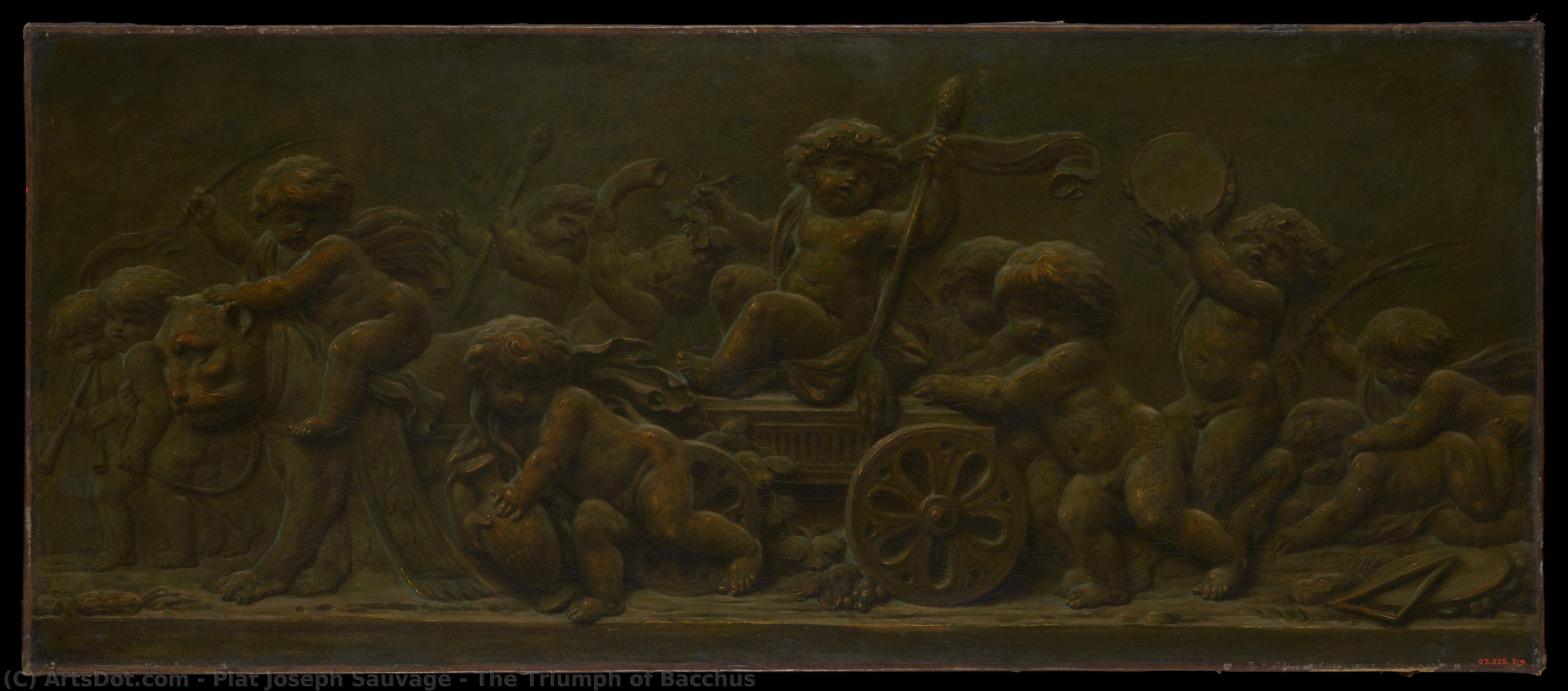
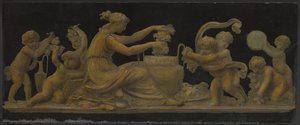
The Triumph of Bacchus
 1780
1780 36.0 x 84.0 cm
 Pročitaj više
Kupite digitalnu sliku visoke rezolucije i poboljšanog kvaliteta, koja je znatno superiornija od onoga što vidite u online prikazu.
Svaka datoteka je pedantno pripremljena od strane naših stručnjaka koristeći napredne alate i profesionalnu ručnu retušu. Osiguravamo da svaka slika ima izuzetnu oštrinu, preciznu reprodukciju boja i fine detalje.
Konačna datoteka se dostavlja putem e-pošte u roku od 72 sata, optimizovana za neposrednu upotrebu u profesionalnim, izdavačkim i štamparskim okruženjima. To je isti kvalitet kojem veruju vrhunski studiji dizajna, izdavači i galerije.
Digitalna slika
Preuzmite datoteku visoke rezolucije za ličnu upotrebu, štampanje i kreativne projekte. ( Kupi print Kupi ručno naslikanu sliku)
Uključeno uz svaku porudžbinu digitalne slike
Profesionalna digitalna isporuka, zagarantovana
Kada odaberete ArtsDot.com, ne dobijate samo sliku – vi primate profesionalno unapređeno digitalno umetničko delo, izrađeno sa najvećom preciznošću i uz garanciju zadovoljstva. Evo svega što automatski dolazi uz vašu porudžbinu:

Brza dostava putem e-pošte
Vaša digitalna slika visoke rezolucije biće vam poslata putem e-pošte u roku od 72 sata od poručivanja – spremna za trenutnu upotrebu.

Digitalna datoteka unapređena veštačkom inteligencijom
Vaše umetničko delo je profesionalno optimizovano korišćenjem naprednih AI alata i ručne obrade, čime se osiguravaju maksimalni detalji, oštrina i preciznost boja.

Besplatna ponovna isporuka doživotno
Slučajno ste obrisali ili izgubili svoju datoteku? Ne brinite – poslaćemo vam je ponovo u bilo kom trenutku, potpuno besplatno.

Bez troškova uvoza – zauvek
Uživajte u svojim umetničkim delima trenutno, bez carine, dažbina ili troškova dostave – digitalni download je uvek bez poreza.

Garancija vernosti boja
Uz pomoć profesionalnih alata i upravljanja bojama, osiguravamo da vaša digitalna slika što vernije odražava originalne boje.

Garancija zadovoljstva u roku od 60 dana
Ako niste zadovoljni svojom digitalnom slikom, revidirat ćemo je ili vratiti 100% novca u roku od 60 dana – bez ikakvih pitanja.

100% garancija povrata novca
Niste zadovoljni? Obezbedite pun povrat novca u roku od 60 dana od trenutka kada ste primili svoju digitalnu datoteku – bez suvišnih pitanja.

Popusti na velike porudžbine
Kupite 3 slike, uštedite 10% - Kupite 5 slika, uštedite 15% - Kupite 10+ slika, uštedite 20%. Odlično za kreativne projekte, galerije i agencije.
Opis kolekcionarskog dela
Srodna umetnička dela
Biografija umetnika
Joseph Parry: A Manchester Master of Everyday Life
Born in Liverpool in 1744, Joseph Parry’s artistic journey began not within the hallowed halls of a formal academy, but amidst the practicalities of apprenticeship. His father, a Welsh master pilot, instilled in him a deep appreciation for observation and detail – skills that would prove invaluable as he transitioned from ship painting to capturing the vibrant pulse of Manchester life. While initially apprenticed to a house painter, Parry’s true passion lay in art, fueling his dedication through diligent study and an unwavering commitment to portraying the world around him with remarkable accuracy and charm.
Parry's career truly blossomed in Manchester during the early 18th century, earning him the affectionate title of “Father of Art” within the city. He quickly established himself as a sought-after portraitist and, more significantly, as an artist dedicated to documenting the daily routines and social scenes of his adopted home. Unlike many artists of his time who focused on grand historical or mythological subjects, Parry chose to immortalize the commonplace – bustling markets, lively wakes, and the intricate details of urban life. His most celebrated work, ‘The Old Market and Shambles at Manchester,’ stands as a testament to this approach, offering an intimate glimpse into the heart of a burgeoning industrial city.
Further showcasing his meticulous eye for detail and ability to capture human interaction, Parry created 'Eccles Wake,' a monumental painting depicting 200 individual figures – each carefully rendered from direct observation. This ambitious undertaking demonstrates not only his technical skill but also his profound interest in the social fabric of Manchester society. Beyond portraiture and large-scale scenes, Parry’s artistic endeavors extended to etching, producing a striking self-portrait that was limited to just ten impressions, highlighting the rarity and value he placed on his own work.
The Parry Family Legacy
Joseph Parry's influence extended beyond himself. His son, David Henry Parry (1793-1826), followed in his father’s footsteps, inheriting a passion for art and establishing his own studio in Manchester. David honed his skills under his father’s tutelage, eventually marrying Elizabeth Smallwood and relocating to London before his untimely death at the age of 33. His artistic style mirrored that of his father, focusing on capturing scenes of everyday life with a keen eye for detail and a sensitivity to human emotion.
James Parry (died 1871), Joseph’s younger son, also embraced a career in art, excelling as an engraver. He skillfully reproduced works by himself, his brother, and other artists, particularly those depicting Lancashire landscapes. His dedication to engraving ensured that the visual narratives of Manchester were preserved and disseminated through meticulously crafted plates.
Adding another layer to this artistic lineage was Charles James Parry (1824-1894), David Henry’s youngest son. Despite a formal education in business, he pursued his passion for painting as an amateur, creating evocative landscapes that found a ready market among collectors. His family history underscores the enduring legacy of artistic talent within the Parry family.
Parry's Artistic Style and Influences
Joseph Parry’s distinctive style is characterized by its realism, meticulous detail, and focus on capturing the essence of ordinary life. He was deeply influenced by the Dutch Golden Age masters, particularly their ability to render light and shadow with remarkable precision. His work shares a similar commitment to direct observation and a rejection of idealized representations in favor of portraying the world as he saw it – warts and all.
Furthermore, Parry’s engagement with contemporary social trends is evident in his choice of subjects. He deliberately depicted scenes that reflected the changing landscape of Manchester during a period of rapid industrialization and urbanization. His paintings offer valuable insights into the lives of ordinary people, providing a rich tapestry of social history.
Historical Significance and Lasting Impact
Joseph Parry’s contribution to British art lies not in grand historical narratives but in his profound documentation of everyday life. He elevated the mundane to the level of artistic significance, capturing the spirit of Manchester during a pivotal period in its development. His paintings serve as invaluable visual records of a rapidly changing society, offering a unique perspective on the lives and experiences of ordinary people.
Parry’s legacy extends beyond his individual works; he is remembered as a pioneer who championed realism and social observation in British art. His influence can be seen in subsequent generations of artists who sought to capture the complexities of modern life with honesty and empathy. His work continues to resonate today, reminding us of the beauty and significance that can be found in the most ordinary moments.
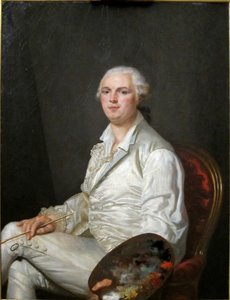
piat joseph sauvage
1744 - 1818

