

 Pošalji
 Podeli
 Detalji o delu

 Преузми
 Slični predmeti
 Slajdovi
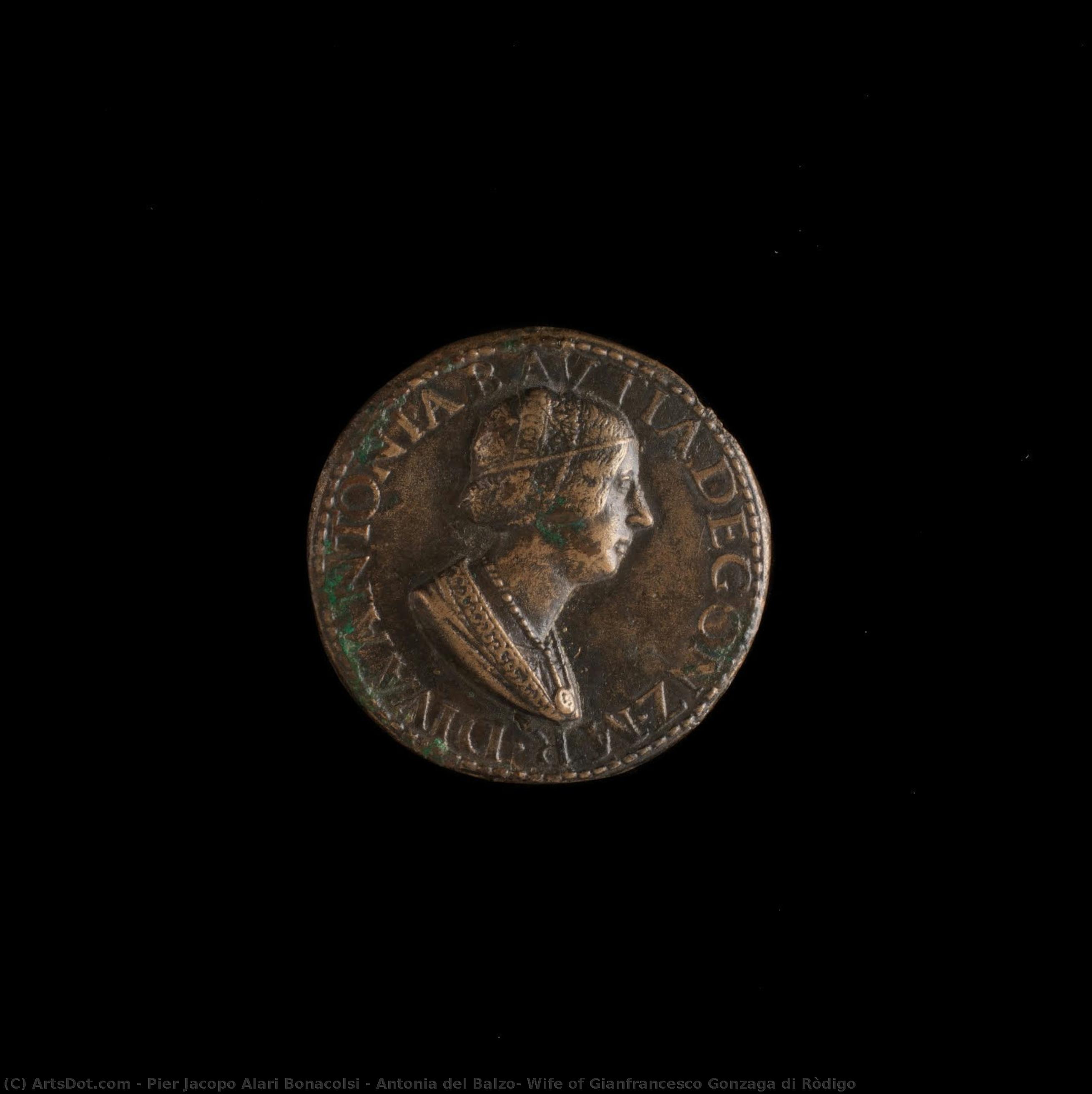
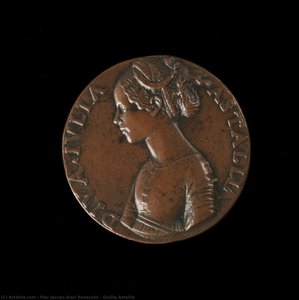
Antonia del Balzo, Wife of Gianfrancesco Gonzaga di Ròdigo


 Pročitaj više
Kupite digitalnu sliku visoke rezolucije i poboljšanog kvaliteta, koja je znatno superiornija od onoga što vidite u online prikazu.
Svaka datoteka je pedantno pripremljena od strane naših stručnjaka koristeći napredne alate i profesionalnu ručnu retušu. Osiguravamo da svaka slika ima izuzetnu oštrinu, preciznu reprodukciju boja i fine detalje.
Konačna datoteka se dostavlja putem e-pošte u roku od 72 sata, optimizovana za neposrednu upotrebu u profesionalnim, izdavačkim i štamparskim okruženjima. To je isti kvalitet kojem veruju vrhunski studiji dizajna, izdavači i galerije.
Digitalna slika
Preuzmite datoteku visoke rezolucije za ličnu upotrebu, štampanje i kreativne projekte. ( Kupi print Kupi ručno naslikanu sliku)
Uključeno uz svaku porudžbinu digitalne slike
Profesionalna digitalna isporuka, zagarantovana
Kada odaberete ArtsDot.com, ne dobijate samo sliku – vi primate profesionalno unapređeno digitalno umetničko delo, izrađeno sa najvećom preciznošću i uz garanciju zadovoljstva. Evo svega što automatski dolazi uz vašu porudžbinu:

Brza dostava putem e-pošte
Vaša digitalna slika visoke rezolucije biće vam poslata putem e-pošte u roku od 72 sata od poručivanja – spremna za trenutnu upotrebu.

Digitalna datoteka unapređena veštačkom inteligencijom
Vaše umetničko delo je profesionalno optimizovano korišćenjem naprednih AI alata i ručne obrade, čime se osiguravaju maksimalni detalji, oštrina i preciznost boja.

Besplatna ponovna isporuka doživotno
Slučajno ste obrisali ili izgubili svoju datoteku? Ne brinite – poslaćemo vam je ponovo u bilo kom trenutku, potpuno besplatno.

Bez troškova uvoza – zauvek
Uživajte u svojim umetničkim delima trenutno, bez carine, dažbina ili troškova dostave – digitalni download je uvek bez poreza.

Garancija vernosti boja
Uz pomoć profesionalnih alata i upravljanja bojama, osiguravamo da vaša digitalna slika što vernije odražava originalne boje.

Garancija zadovoljstva u roku od 100 dana
Ako niste zadovoljni svojom digitalnom slikom, revidirat ćemo je ili vratiti 100% novca u roku od 100 dana – bez ikakvih pitanja.

100% garancija povrata novca
Niste zadovoljni? Obezbedite pun povrat novca u roku od 100 dana od trenutka kada ste primili svoju digitalnu datoteku – bez suvišnih pitanja.

Popusti na velike porudžbine
Kupite 3 slike, uštedite 10% - Kupite 5 slika, uštedite 15% - Kupite 10+ slika, uštedite 20%. Odlično za kreativne projekte, galerije i agencije.
A Glimpse Through Time: The Portraiture of Antonia del Balzo
To gaze upon this depiction of Antonia del Balzo, Wife of Gianfrancesco Gonzaga di Ròdigo, is to hold a tangible fragment of the Italian Renaissance aristocracy in your hands. This piece, evocative of a historical bronze coin from 1480, transcends mere portraiture; it is an artifact imbued with the weight of lineage and the sheen of enduring power. The subject herself, crowned and regal, commands attention, suggesting a woman whose life was interwoven with the grand tapestry of courtly life in Mantua. The very medium—or rather, the reproduction of its appearance—lends an immediate sense of antiquity, inviting the viewer to participate in a scholarly moment of archaeological discovery.
The Craftsmanship and Material Echoes
The visual language here speaks directly to the mastery of metalwork. Although we admire this representation, one cannot help but feel the cool weight of the original bronze. The greenish patina, characteristic of aged verdigris on copper alloys, is meticulously captured, lending an air of authentic age and mystery. This technique highlights the intricate details of the portrait—the delicate rendering of the features beneath the crown, the crisp lettering identifying her name. It speaks to a period where art was not simply decoration, but a highly skilled craft, often merging the artistry of sculpture with the precision of numismatics.
Historical Resonance and Courtly Life
The context surrounding Antonia del Balzo places us firmly within the sphere of the Gonzaga family, patrons whose tastes were deeply informed by classical antiquity. The presence of such a portrait on coinage or commemorative medallions was not casual; it was a deliberate assertion of status, memory, and connection to noble history. For the collector or designer, this piece offers an unparalleled narrative anchor. It suggests an environment rich with patronage, where art served as both commemoration and political statement. To incorporate such a work is to infuse a space with the gravitas of Renaissance courtly splendor.
Symbolism of Power and Feminine Authority
The crown worn by Antonia del Balzo is perhaps the most potent symbol in the composition. It speaks not only to her marital status but suggests an elevated, almost sovereign role within her sphere. The portrait captures a moment of dignified permanence—a desire to freeze beauty and importance in time. This duality—the depiction of a powerful woman through the cold, hard medium of metal—creates a compelling emotional resonance. It whispers tales of duty, beauty, and the enduring legacy that art can bestow upon even the most prominent figures of history.
Integrating Antiquity into Modern Design
For those seeking to bring the romance of history into contemporary interiors, this reproduction serves as a magnificent focal point. Its rich patina and historical subject matter pair beautifully with deep jewel tones, dark woods, or minimalist modern settings that allow its antique character to shine unimpeded. It is an object that demands contemplation, inviting conversation about art history, metallurgy, and the enduring power of portraiture across the centuries.
Srodna umetnička dela
Biografija umetnika
A Renaissance Sculptor’s Echoes: Pier Jacopo Alari Bonacolsi (l'Antico)
The name Pier Jacopo Alari Bonacolsi, more commonly known as l'Antico – “the Ancient One” – resonates with a profound sense of artistic reverence. Born around 1460 in Mantua, Italy, during the height of the Italian Renaissance, he wasn’t merely a sculptor; he was a conduit to the past, a meticulous interpreter of classical forms, and a key figure in shaping the Gonzaga court's obsession with antiquity. His life unfolded within a world of burgeoning artistic patronage, political intrigue, and an almost obsessive desire to recapture the glories of Rome and Greece – a pursuit that profoundly influenced his distinctive style and enduring legacy.
Bonacolsi’s early years remain shrouded in relative obscurity, typical for artists of noble lineage during this period. However, it's believed he received training as a goldsmith, an invaluable skill that undoubtedly informed his later work with bronze. This background provided him with the technical mastery necessary to replicate and reinterpret classical forms with astonishing precision. His rise to prominence began within the opulent court of Gianfrancesco Gonzaga at Gazzuolo, a strategically important estate where the young marquis sought to establish a refined artistic environment. This early association with the Gonzaga family would prove pivotal, setting the stage for his subsequent career as their principal sculptor and establishing a deep connection between art and political power.
- Early Patronage: Gianfrancesco Gonzaga and Isabella d'Este
- Location of Work: Gazzuolo and Mantua
- Skillset: Goldsmithing, Bronze Casting, Restoration
The Language of Antiquity: Style and Technique
What truly distinguishes l’Antico’s work is his remarkably faithful adherence to the *all'antica* style – “in the manner of the ancients.” This wasn’t simply imitation; it was a deliberate attempt to recreate the idealized beauty, proportion, and technical skill of Greek and Roman sculpture. His bronzes are characterized by an almost unnerving realism, achieved through painstaking detail and a mastery of surface treatment. The cool, silvery patination – often enhanced with touches of gold and silver inlay – evokes the patina of age and lends his sculptures an air of timelessness.
Unlike many contemporary sculptors who focused on dramatic narratives or expressive gestures, l’Antico specialized in portraiture and studies of classical figures. He meticulously copied existing Roman statues, but he also developed a unique ability to imbue these reproductions with psychological depth. His portraits aren't merely representations of physical likeness; they capture the essence of character, conveying intelligence, serenity, or even subtle emotion. This was achieved through carefully calibrated details – the angle of the eyes, the curve of the lips, the tension in the shoulders – all rendered with exquisite precision.
His technique involved a complex process of wax modeling followed by casting in bronze. Crucially, he preserved his original wax models, allowing him to create multiple replicas of his works—a revolutionary practice at the time that ensured the longevity and dissemination of his art. This dedication to preserving the original forms was a testament to his respect for the classical tradition and his desire to share it with a wider audience.
The Gonzaga Court: A Crucible of Artistic Innovation
L’Antico's career flourished within the vibrant court of Isabella d'Este, one of the most influential patrons of the arts in Renaissance Italy. She recognized his exceptional talent and commissioned numerous works from him, including portraits of her husband, Francesco II Gonzaga, and various studies of classical figures. The Gonzaga court itself became a center for artistic innovation, attracting leading artists, scholars, and intellectuals – a veritable melting pot of ideas and influences.
The Gonzaga’s vast collection of Roman antiquities—sculptures, coins, mosaics, and frescoes—provided l'Antico with invaluable inspiration. He studied these artifacts firsthand, meticulously analyzing their forms, proportions, and techniques. This direct engagement with the classical past fueled his own artistic development and allowed him to create sculptures that were both faithful reproductions and subtle reinterpretations of ancient models.
- Key Patron: Isabella d'Este
- Court Environment: A hub for artists, scholars, and intellectuals
- Influence: Direct study of Roman antiquities
Legacy and Significance
Pier Jacopo Alari Bonacolsi’s contribution to the Renaissance is profound. He wasn't just a skilled sculptor; he was a key figure in reviving interest in classical antiquity, shaping artistic tastes, and establishing new standards of technical excellence. His sculptures served as models for subsequent generations of artists, influencing the development of portraiture and sculpture throughout Europe.
His work continues to be admired today for its exquisite detail, psychological depth, and faithful representation of classical forms. The fact that several of his original bronze models survive—including the striking portraits of Emperor Antoninus Pius and the captivating *Spinario* (a depiction of a young man with a basket)—testifies to the enduring quality of his art. L’Antico's legacy lies not only in the beauty of his sculptures but also in his role as a bridge between the past and the present, reminding us of the timeless power of classical ideals.
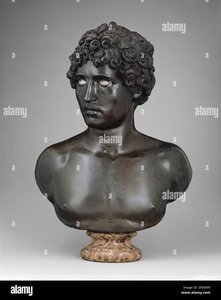
pier jacopo alari bonacolsi
1528 , Italy
Kratke činjenice
- Artistic Movement Or Style: Renaissance, all'antica
- Artists Or Movements Influenced By This Artist:
- Isabella d'Este
- Gonzaga Family
- Artists Who Influenced This Artist:
- Andrea Mantegna
- Roman Sculpture
- Date Of Birth: c. 1460
- Date Of Death: 1528
- Full Name: Pier Jacopo Alari Bonacolsi
- Nationality: Italian
- Notable Artworks:
- Antonin Pius Bust
- Medallions Gonzaga
- Hercules & Hydra
- Place Of Birth: Mantua, Italy