

 Pregledaj u prostoru
 Pošalji
 Podeli
 Detalji o delu

 Преузми
 Slični predmeti
 Rendgenski snimak
 Slajdovi
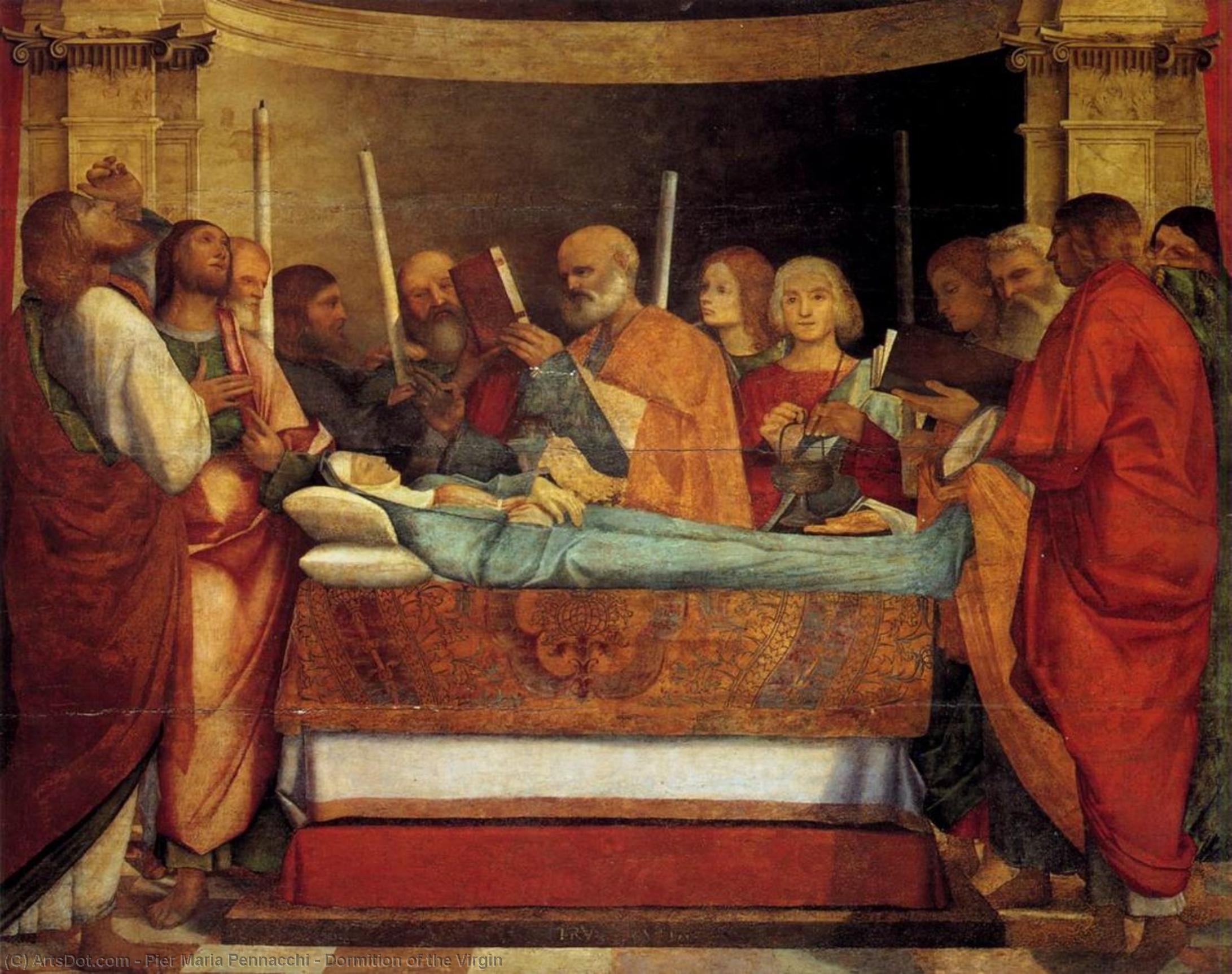
Dormition of the Virgin
 Oil On Canvas
- WallArt
- Renaissance
 1511
1511- Renaissance
 137.0 x 173.0 cm
 Galerije Akademija u Veneciji
 Pročitaj više
Ručno rađena uljana reprodukcija
Ručno oslikano uljanim bojama na platnu u dimenzijama i okviru po vašem izboru, izrađeno po porudžbini od strane naših umetnika. ( Kupi print Kupi digitalnu sliku)




P118B $10

P118H $10

P118W $10

P438Z $10

P508JH $12

P508YH $12

P805H $10

P805Z $10

P919BZ $10

P919G $10

P919XJ $10

P959ZH $10

P968JZ $12

W106C $8

W218G $10

W218JH $8

W218Y $10

W307PJ $10

W316G $10

W316PJ $8

W316Y $10

W398PJ $8

W4111J $10

W500HY $15

W500JH $15

W692G $12

W849H $8

W940BG $15

W953PJ $8




Izaberite jednu od naših unapred definisanih veličina koje odgovaraju originalnim proporcijama umetničkog dela.

Можете унети сопствене димензије како бисте прилагодили дело одређеном оквиру или простору. Ако одабрана величина не одговара пропорцијама оригинала, слика ће бити исечена или проширена додатним елементима који се ручно насликавају. Дигитални prikaz ће вам бити послат на одобрење пре почетка производње.
Имајте на уму да преглед на екрану не одражава стварно исецање или проширење. Само приказ (mockup) ће тачно приказати коначну композицију.
Иако су доступне прилагођене величине, препоручујемо да одаберете димензију из дефинисане листе како бисте сачували оригиналне пропорције.
Nakon narudžbine, tim ArtsDot.com će klijentu putem e-pošte poslati uputstva i dostaviti prikaz predloženog rešenja
Isporuka širom sveta () za 3/4 nedelje umesto uobičajenih 5 nedelja. (26 август). Bez kompromisa po pitanju kvaliteta.

Besplatna ekspresna dostava širom sveta

Visokokvalitetno laneno platno

Kompletno osiguranje transporta

Garancija povraćaja carine i uvoznih dažbina

Garancija vernosti boja

Politika povrata u roku od 60 dana (samo u slučaju nedostataka)

Garancija povrata novca od 100%

Popust pri grupnoj kupovini
 Opcija sa staklom dostupna je samo za dimenzije manje od 110 cm

Dormition of the Virgin
Tehnika reprodukcije
Dimenzije reprodukcije
-


Konačna cena
$ 263
Opis umetničkog dela
A Moment Suspended in Sacred Devotion
To gaze upon this depiction of the Dormition of the Virgin is to step across the threshold of time and into a profound moment of sacred repose. The scene unfolds with an almost palpable sense of hushed reverence, capturing the final earthly moments of Mary as she transitions from life to eternal slumber. The composition centers around the figure of the Virgin, laid out upon a bed draped in rich red fabric—a color that speaks both of earthly vitality and profound sacrifice. Surrounding her is a gathering of figures, men and women whose presence suggests a community united by devotion. Their varied postures, ranging from attentive vigil to gentle support, weave a complex tapestry of human emotion against the backdrop of divine mystery.
The Hand of Pier Maria Pennacchi: Renaissance Mastery
This work bears the unmistakable mark of Pier Maria Pennacchi, an artist whose skill anchored him firmly within the vibrant currents of the Italian Renaissance. Working in the early decades of the sixteenth century, Pennacchi was a master craftsman whose touch imbued his subjects with both classical dignity and intimate human warmth. While the historical record surrounding Renaissance masters can sometimes feel fragmented, this painting showcases his ability to populate a narrative scene with believable life. Observe the varied drapery and the nuanced gestures of the attendants; they are not mere placeholders but fully realized individuals caught in a moment of collective grief and awe. The depth achieved through their positioning suggests an understanding of perspective that draws the viewer deep into the painted chamber.
Symbolism and Spiritual Resonance
The Dormition itself is rich with theological symbolism. It represents more than just death; it is the peaceful passage to glory, a pivotal moment in Christian iconography. The surrounding figures embody humanity’s enduring connection to the divine—their presence acts as both witness and support. The use of color, particularly that deep red tablecloth, anchors the spiritual weight of the event while contrasting with the softer tones used for the skin and garments, guiding the eye toward the central mystery. For the collector or decorator, this piece offers not just decoration, but a focal point for contemplation—a visual meditation on life’s transitions.
Bringing Sacred Artistry Home
Owning a reproduction of this Dormition of the Virgin by Pennacchi allows one to integrate high Renaissance narrative art into contemporary living spaces. The scale, measuring approximately 137 x 173 cm, ensures it commands attention as a significant piece of wall art, suitable for a grand hall, a chapel-inspired drawing room, or a formal reception area. When considering a reproduction, one appreciates the original technique—the careful layering of paint that gives depth to every fold and face. It is an opportunity to possess a tangible echo of Renaissance devotion, transforming a mere wall into a portal of quiet, enduring beauty.
Srodna umetnička dela



Biografija umetnika
Pier Maria Pennacchi: A Treviso Master of the Renaissance
Pier Maria Pennacchi, a name often whispered within the annals of Italian Renaissance art, remains an intriguing figure—a painter whose legacy is pieced together from fragments of documented works and attributions across the vibrant artistic landscape of 15th and 16th-century Italy. Born in Treviso in 1464, Pennacchi’s life unfolded against a backdrop of burgeoning artistic innovation, as the ideals of humanism and classical antiquity began to reshape painting styles throughout the peninsula. While definitive biographical details are scarce—a testament to the challenges historians face when reconstructing the lives of lesser-known Renaissance artists—what emerges is a portrait of a skilled craftsman deeply embedded in the cultural fabric of his region, particularly Treviso and Venice. His career spanned several decades, with documented activity stretching from 1483 until before his death around 1515, suggesting a consistent presence within the artistic circles of these important cities.Early Influences and Artistic Development
Pennacchi’s formative years were undoubtedly shaped by the rich artistic environment of Treviso, a city that served as a crucial hub for cultural exchange between Venice and the mainland. The influence of Venetian masters like Giovanni Bellini is clearly discernible in Pennacchi's work—particularly in his graceful figures, delicate color palettes, and an overall sense of serene beauty. Furthermore, the impact of Antonello da Messina, whose groundbreaking use of oil paint revolutionized Italian art, can be observed in Pennacchi’s attention to detail and realistic rendering of textures. It is believed that Girolamo da Treviso, a painter who would later achieve some renown himself, was among Pennacchi's pupils, suggesting a dedication to transmitting artistic knowledge and fostering the next generation of painters within his sphere of influence. The early 16th century saw Pennacchi producing works such as the *Sacra Conversazione* (now housed in the Museo Civico Luigi Bailo, Treviso) and *Christ the Redeemer* at the Galleria Nazionale in Parma, demonstrating a developing mastery of composition and narrative storytelling through religious imagery.Key Works and Attributions: A Fragmented Legacy
The most securely documented work attributed to Pennacchi is a fresco of Christ within a chapel in the Treviso Cathedral—a poignant depiction that offers valuable insight into his artistic style. However, much of Pennacchi’s reputation rests on attributions, often debated among art historians, for works found primarily in Venice. The ceiling frescoes of Santa Maria dei Miracoli, with their ethereal quality and delicate ornamentation, are frequently credited to him, though definitive proof remains elusive. Similarly, the *Annunciation* frescoes within San Francesco della Vigna and a Madonna now residing in the sacristy of Santa Maria della Salute have long been associated with Pennacchi’s hand—though these attributions remain subjects of scholarly discussion. These works showcase his ability to create atmospheric depth and imbue religious scenes with a sense of quiet contemplation, reflecting the devotional sensibilities of the Venetian Renaissance. The *Madonna with Child between St. John the Baptist and St. Andrew*, housed in Treviso, exemplifies this style—a harmonious composition characterized by gentle expressions and flowing drapery.Historical Significance and Lasting Impact
While Pier Maria Pennacchi may not be a household name like Leonardo da Vinci or Michelangelo, his contribution to the Italian Renaissance should not be underestimated. He represents a vital link within the artistic chain connecting Venetian masters with subsequent generations of painters. His influence is most clearly seen in the work of Girolamo da Treviso, who carried forward aspects of Pennacchi’s style and contributed to the vibrant artistic scene of Venice. Pennacchi's ability to synthesize diverse influences—from Bellini’s grace to Antonello’s realism—resulted in a distinctive artistic voice that resonated within his region. Though much of his oeuvre remains shrouded in uncertainty, the works confidently attributed to him offer a compelling glimpse into the artistry and devotional spirit of Renaissance Treviso and Venice, solidifying his place as an important, if somewhat enigmatic, figure in Italian art history.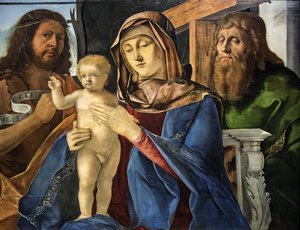
pier maria pennacchi
1464 - 1515 , Italy
Osnovne informacije
- Artistic Movement Or Style: Italian Renaissance
- Artists Or Movements Influenced By This Artist: ['Girolamo da Treviso']
- Artists Who Influenced This Artist:
- Bellini
- Antonello
- Girolamo
- Date Of Birth: 1464
- Date Of Death: 1515
- Full Name: Pier Maria Pennacchi
- Nationality: Italian
- Notable Artworks:
- Fresco of Christ (Treviso Cathedral)
- Ceiling of Santa Maria dei Miracoli
- Annunciation frescoes (San Francesco)
- Madonna (Santa Maria della Salute)
- Place Of Birth: Treviso, Italy
Povezani članci
Sacred Narratives Embodied: A Comprehensive Exploration of Religious Iconography in Art History
Explore the rich history of religious iconography in art! Discover symbolism, movements & masterpieces from Byzantine to Renaissance periods. Expert insights for collectors and enthusiasts at ArtsDot.

Fra Anđeo: 25 Remek-dela Renesansnog Duha za Vaš Dom | ArtsDot
Uronite u svet Fra Anđela – 25 remek-dela renesansnog slikara. Otkrijte priče iza njegovih čuvenih fresaka i oltarskih slika, inspiracija za enterijer i duhovni mir. Kupite reprodukcije vrhunskog kvaliteta na ArtsDot.com!
Sacred Narratives on Canvas: Exploring Religious Scenes & Their Enduring Influence
Explore the rich history of religious art from Giotto to the Renaissance masters with ArtsDot. Discover symbolism, techniques & enduring legacies. Museum-quality reproductions available.
Leonardo da Vinci: 25 Remek-dela Genija za Vaš Dom | ArtsDot
Istražite 25 remek-dela Leonarda da Vince, od Mona Lize do Poslednje večere. Otkrijte priče iza slika renesanse i inspiraciju za dekoraciju enterijera. Kvalitetne reprodukcije na ArtsDot.com!
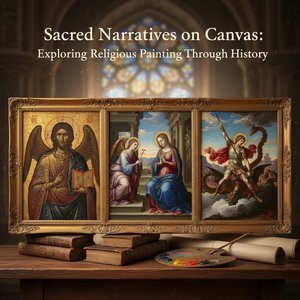
Sacred Narratives on Canvas: Exploring Religious Painting Through History
Explore the rich history of religious painting with ArtsDot.com! Discover iconic artworks, symbolism & techniques from antiquity to the Renaissance. Enhance your art appreciation today.

