

 Pregledaj u prostoru
 Pošalji
 Podeli
 Detalji o delu

 Преузми
 Slični predmeti
 Rendgenski snimak
 Slajdovi
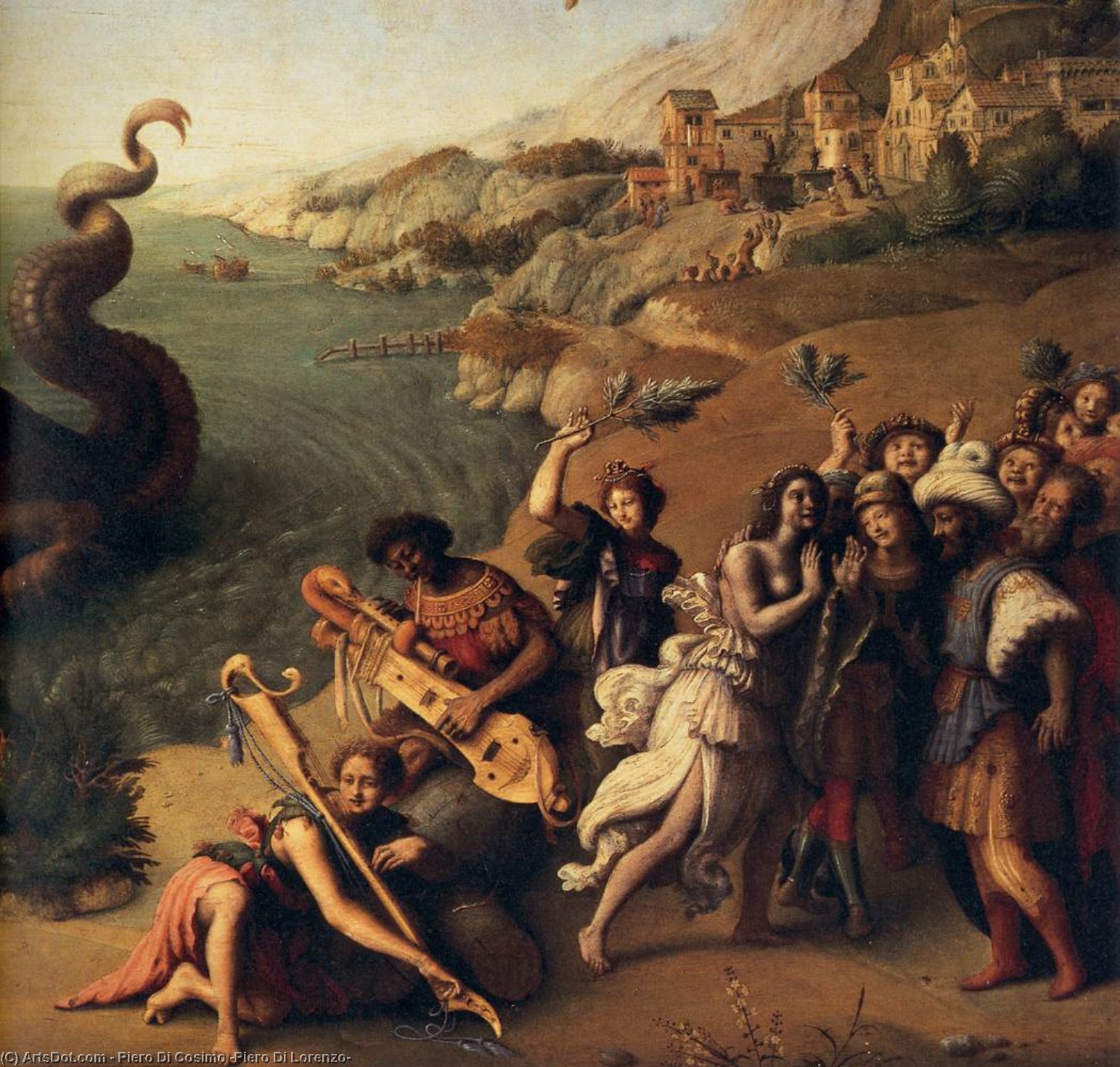
Perseus Frees Andromeda (detail) (10)


 Pročitaj više
Ručno rađena uljana reprodukcija
Ručno oslikano uljanim bojama na platnu u dimenzijama i okviru po vašem izboru, izrađeno po porudžbini od strane naših umetnika. ( Kupi print Kupi digitalnu sliku)




P118B $10

P118H $10

P118W $10

P438Z $10

P508JH $12

P508YH $12

P805H $10

P805Z $10

P919BZ $10

P919G $10

P919XJ $10

P959ZH $10

P968JZ $12

W106C $8

W218G $10

W218JH $8

W218Y $10

W307PJ $10

W316G $10

W316PJ $8

W316Y $10

W398PJ $8

W4111J $10

W500HY $15

W500JH $15

W692G $12

W849H $8

W940BG $15

W953PJ $8




Izaberite jednu od naših unapred definisanih veličina koje odgovaraju originalnim proporcijama umetničkog dela.

Можете унети сопствене димензије како бисте прилагодили дело одређеном оквиру или простору. Ако одабрана величина не одговара пропорцијама оригинала, слика ће бити исечена или проширена додатним елементима који се ручно насликавају. Дигитални prikaz ће вам бити послат на одобрење пре почетка производње.
Имајте на уму да преглед на екрану не одражава стварно исецање или проширење. Само приказ (mockup) ће тачно приказати коначну композицију.
Иако су доступне прилагођене величине, препоручујемо да одаберете димензију из дефинисане листе како бисте сачували оригиналне пропорције.
Nakon narudžbine, tim ArtsDot.com će klijentu putem e-pošte poslati uputstva i dostaviti prikaz predloženog rešenja
Isporuka širom sveta () za 3/4 nedelje umesto uobičajenih 5 nedelja. (31 август). Bez kompromisa po pitanju kvaliteta.

Besplatna ekspresna dostava širom sveta

Visokokvalitetno laneno platno

Kompletno osiguranje transporta

Garancija povraćaja carine i uvoznih dažbina

Garancija vernosti boja

Politika povrata u roku od 60 dana (samo u slučaju nedostataka)

Garancija povrata novca od 100%

Popust pri grupnoj kupovini
 Opcija sa staklom dostupna je samo za dimenzije manje od 110 cm

Perseus Frees Andromeda (detail) (10)
Tehnika reprodukcije
Dimenzije reprodukcije
-


Konačna cena
$ 263
The Mythic Dance of Hero and Fate
Piero di Cosimo’s “Perseus Frees Andromeda” isn't merely a depiction of a classical myth; it’s a vibrant, almost theatrical rendering of a timeless struggle between fate, heroism, and the enduring power of love. Painted in 1513, during the height of Florentine Renaissance artistic fervor, this work transcends its narrative roots to become a profound meditation on human agency within a world governed by divine forces. The scene unfolds with an arresting dynamism – Perseus, powerfully sculpted and radiating determination, wrestles with the monstrous Cetus, the sea monster sent as punishment for Cassiopeia’s vanity. The composition isn't static; it pulses with movement, conveyed through the swirling currents of the water, the straining muscles of the hero, and the terrified posture of Andromeda, her gaze fixed on a distant hope. Cosimo masterfully utilizes color – rich blues and greens dominate the turbulent sea, contrasting sharply with the warmer tones of Perseus’s armor and the earthy hues of the landscape – to heighten the drama and emphasize the pivotal moment.
Renaissance Vision: A Bridge Between Fantasy and Reality
Piero di Cosimo stands apart from his contemporaries not for adhering strictly to classical ideals, but for imbuing them with a distinctly imaginative spirit. He was a master of blending meticulous observation of nature – evident in the detailed rendering of the waves and the rugged coastline – with fantastical elements that were characteristic of Renaissance art. This is particularly striking in “Perseus Frees Andromeda.” The figures are rendered with an almost sculptural quality, reminiscent of Donatello’s bronze sculptures, yet they possess a heightened sense of emotion and drama. The background landscape, though idealized, feels grounded in reality, suggesting a connection to the natural world that was increasingly valued during this period. Cosimo's approach reflects the broader cultural shifts occurring in Florence – a burgeoning humanist thought combined with an artistic experimentation that sought to capture not just the appearance of things but also their underlying essence.
Symbolism and Narrative Depth
The painting is laden with symbolic meaning, extending far beyond the straightforward retelling of the myth. Andromeda represents vulnerability, beauty threatened by external forces – a potent symbol for women in Renaissance society. Her plight underscores the dangers of vanity and hubris, directly linked to Cassiopeia’s boastful claims of superior beauty. Perseus, conversely, embodies strength, courage, and divine intervention. His act of rescuing Andromeda isn't simply an heroic deed; it’s a triumph over fate itself. The presence of the severed head of Medusa, carried by Perseus, serves as a constant reminder of the monstrous forces he has overcome – a visual representation of the power of intellect and strategic thinking against brute force. The harp held by the figure in the foreground adds another layer of complexity, hinting at music’s role in soothing troubled souls and celebrating victory.
A Window into 16th-Century Florence
“Perseus Frees Andromeda” offers a fascinating glimpse into the artistic and cultural landscape of 16th-century Florence. Painted during a period of immense political and social change, it reflects the city’s growing confidence as a center of art and learning. The work's patronage likely stemmed from wealthy Florentine families who commissioned artwork to enhance their prestige and demonstrate their support for the arts. The painting’s meticulous detail and dramatic composition were hallmarks of Renaissance artistic style, reflecting a renewed interest in classical antiquity and a desire to capture the beauty and grandeur of the human experience. The work's inclusion within the Uffizi Gallery speaks volumes about its enduring value and significance as a masterpiece of Florentine art.
Recreating the Masterpiece: A High-Quality Reproduction
Today, reproductions of “Perseus Frees Andromeda” continue to captivate audiences with their dramatic intensity and artistic merit. When selecting a reproduction, consider the quality of materials used – archival inks on museum-quality canvas will ensure that the colors remain vibrant for generations to come. This artwork’s enduring appeal lies not only in its captivating narrative but also in its technical brilliance—a testament to Piero di Cosimo's skill as a painter and his profound understanding of human emotion and artistic expression.
Srodna umetnička dela
Biografija umetnika
Piero di Cosimo (1462-1522): Most između fantazije i realizma u slikarstvu florentinske renesanse
Piero di Cosimo, rođen kao Piero di Lorenzo Battista oko 1462. godine u Firenci, Italija, predstavlja jedinstvenu figuru unutar živopisnog tapiserije florentinske renesanse. Za razliku od mnogih svojih savremenika koji su se strogo pridržavali klasičnih ideala, Cosimo je posedovao imaginativnog duha koji je u njegovo umetničko delo utkao fantastične elemente uporedo sa pedantnim posmatranom prirode — autentičan spoj koji je učvrstio njegovu reputaciju kao jednog od najinovativnijih slikara tog doba. Njegovo umetničko putovanje odvijalo se u pozadini bujanja humanističkog mišljenja i umetničkih eksperimentacija, odražavajući šire kulturne transformacije koje su preoblikovale Evropu u ovom periodu.- Rano detinjstvo i obuka: Precizni biografski detalji koji se tiču Cosimovih formativnih godina ostaju neuhvatljivi, oslanjajući se prvenstveno na fragmentarne reference u Vasarijevim Životima umetnika. Bio je šegrt Andreje del Verrocchia, čuvenog vajara i slikara čija je radionica služila kao žarište umetničkih talenata. Ova asocijacija izložila je Cosima tehnikama fresko slikarstva i vajarstva, oblikujući njegove temeljnu veštine.
- Uticaji i umetnički stil: Na Cosimov stil duboko su uticali Boticeli i Jan van Eyck — umetnici koji su zastupali i lepotu i psihološku dubinu. Boticelijine graciozne linije i eterične figure ugradile su u Cosima sklonost ka eleganciji i idealizovanoj reprezentaciji, dok je Van Eyckovo majstorstvo u radu sa uljanim bojama podstaklo istraživanje nijansiranih tonalnih gradacija i teksturalne bogatosti. Ovi uticaji su se spojili kako bi proizveli umetnički jezik karakterisan luminoznim bojama, delikatnim potezima četkice i očaravajućom fuzijom mitoloških narativa sa realističnim pejzažima.
Značajna dela i umetnička dostignuća
Cosimovo delo obuhvata izuzetan kolekciju slika koje prikazuju njegov nesvakidašnji talenat i maštovitu viziju. Među njegovim najslavnijim kreacijama nalazi se „Vulkan i Ejol“, monumentalno kružno ulje na platnu koje prikazuje mitološki sukob Zevsovog sina i Posejdona — svedočanstvo Cosimove sposobnosti da prenese dramatičnu emociju unutar pažljivo konstruisane kompozicije. Slično tome, „Madonna i Spavajući Hristov Prvorodac sa Malim Svetim Jovanom Krstiteljem“ predstavlja primer njegove pedantne pažnje posvećene detaljima i dubokog razumevanja religijske ikonografije. Nadalje, „Adoracija Deteta“, još jedno kružno remek-delo, otelotvoruje spokojnu lepotu i duhovno promišljanje karakteristično za umetnost ranog renesansnog doba.Nasleđe i istorijski značaj
Doprinos Pieroa di Cosima florentinskom slikarstvu prevazilazi puku stilsku inovaciju; on predstavlja ključni trenutak u umetničkoj istoriji. Odbacivanjem ograničenja strogih akademskih konvencija i prihvatanjem maštovitog pripovedanja uporedo sa realističkim prikazom, Cosimo je otvorio put narednim generacijama umetnika — uključujući Rafaela i Mikelađela — da istraže nove izrazne mogućnosti. Njegovo delo nastavlja da inspiriše divljenje zbog svoje harmonične mešavine fantazije i realizma, osiguravajući mu mesto trajnog simbola renesansne kreativnosti i umetničkog genija. Pamćen je ne samo po svojim pojedinačnim remek-delima, već i po oblikovanju šire trajektorije evropske umetnosti.
Pjero Di Kozimo
1462 - 1522 , Italija
Osnovne informacije
- Artistic Movement Or Style: Renesansna umetnost
- Artists Who Influenced This Artist:
- Botticelli
- van der Goes
- Date Of Birth: 1462
- Full Name: Piero di Lorenzo
- Nationality: Italijan
- Notable Artworks:
- Vulcan i Aeolus
- Madonna i uspavano Hristovo dete sa bebom Svetim Jovanom Krstiteljem
- Obožavanje deteta
- Place Of Birth: Firenca, Italija
Povezani članci

Giotto di Bondone: 25 Remek-dela koji definišu renesansu | ArtsDot
Istražite 25 remek-dela Giotta di Bondonea i otkrijte renesansnu umetnost u punom sjaju. Freske, oltarske slike & istorija italijanske umetnosti na ArtsDot.com! Reprodukcije vrhunskog kvaliteta za vaš dom.
Echoes of Olympus: Mythological Narratives in Western Art Through the Ages
Explore the captivating history of mythological narratives in Western art! From ancient Greece to modern masterpieces, discover iconic artworks & symbolism. Expert analysis and high-quality reproductions at ArtsDot.
Top 25 dela sa Bijenala u Veneciji: Umetnička remekapela za vaš dom | ArtsDot.com
Istražite 25 remekapela sa Bijenala u Veneciji! Otkrijte priče iza poznatih slikara, stilova i tehnika. Reprodukcije slika vrhunskog kvaliteta za dekoraciju enterijera. Inspiracija & kupovina na ArtsDot.com
Piero della Francesca: Renaissance Perspective, Divine Proportion & the Pursuit of Ideal Form
Explore the revolutionary art of Piero della Francesca – master of perspective, divine proportion & Renaissance humanism. Discover his iconic paintings & lasting influence on art history.
Proto-Renaissance Masters: 10 Artworks That Changed History | ArtsDot
Journey back to the dawn of Renaissance art! Explore 10 iconic Proto-Renaissance masterpieces by Giotto, Cimabue & Duccio. Discover their stories, techniques & lasting impact. Find museum-quality reproductions for your home at ArtsDot.com

