 Pregledaj u prostoru
 Pošalji
 Podeli
 Detalji o delu

 Преузми
 Slični predmeti
 Rendgenski snimak
 Slajdovi
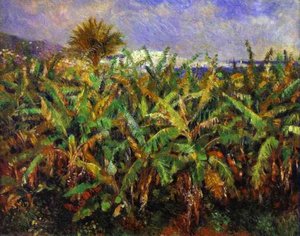
View of La Sayne


 Pročitaj više
Ručno rađena uljana reprodukcija
Ručno oslikano uljanim bojama na platnu u dimenzijama i okviru po vašem izboru, izrađeno po porudžbini od strane naših umetnika. ( Kupi print Kupi digitalnu sliku)




P118B $10

P118H $10

P118W $10

P438Z $10

P508JH $12

P508YH $12

P805H $10

P805Z $10

P919BZ $10

P919G $10

P919XJ $10

P959ZH $10

P968JZ $12

W106C $8

W218G $10

W218JH $8

W218Y $10

W307PJ $10

W316G $10

W316PJ $8

W316Y $10

W398PJ $8

W4111J $10

W500HY $15

W500JH $15

W692G $12

W849H $8

W940BG $15

W953PJ $8




Izaberite jednu od naših unapred definisanih veličina koje odgovaraju originalnim proporcijama umetničkog dela.

Можете унети сопствене димензије како бисте прилагодили дело одређеном оквиру или простору. Ако одабрана величина не одговара пропорцијама оригинала, слика ће бити исечена или проширена додатним елементима који се ручно насликавају. Дигитални prikaz ће вам бити послат на одобрење пре почетка производње.
Имајте на уму да преглед на екрану не одражава стварно исецање или проширење. Само приказ (mockup) ће тачно приказати коначну композицију.
Иако су доступне прилагођене величине, препоручујемо да одаберете димензију из дефинисане листе како бисте сачували оригиналне пропорције.
Nakon narudžbine, tim ArtsDot.com će klijentu putem e-pošte poslati uputstva i dostaviti prikaz predloženog rešenja
Isporuka širom sveta () za 3/4 nedelje umesto uobičajenih 5 nedelja. (31 август). Bez kompromisa po pitanju kvaliteta.

Besplatna ekspresna dostava širom sveta

Visokokvalitetno laneno platno

Kompletno osiguranje transporta

Garancija povraćaja carine i uvoznih dažbina

Garancija vernosti boja

Politika povrata u roku od 60 dana (samo u slučaju nedostataka)

Garancija povrata novca od 100%

Popust pri grupnoj kupovini
 Opcija sa staklom dostupna je samo za dimenzije manje od 110 cm

View of La Sayne
Tehnika reprodukcije
Dimenzije reprodukcije
-


Konačna cena
$ 263
A Moment Captured in Light: Pierre-Auguste Renoir’s “View of La Sayne”
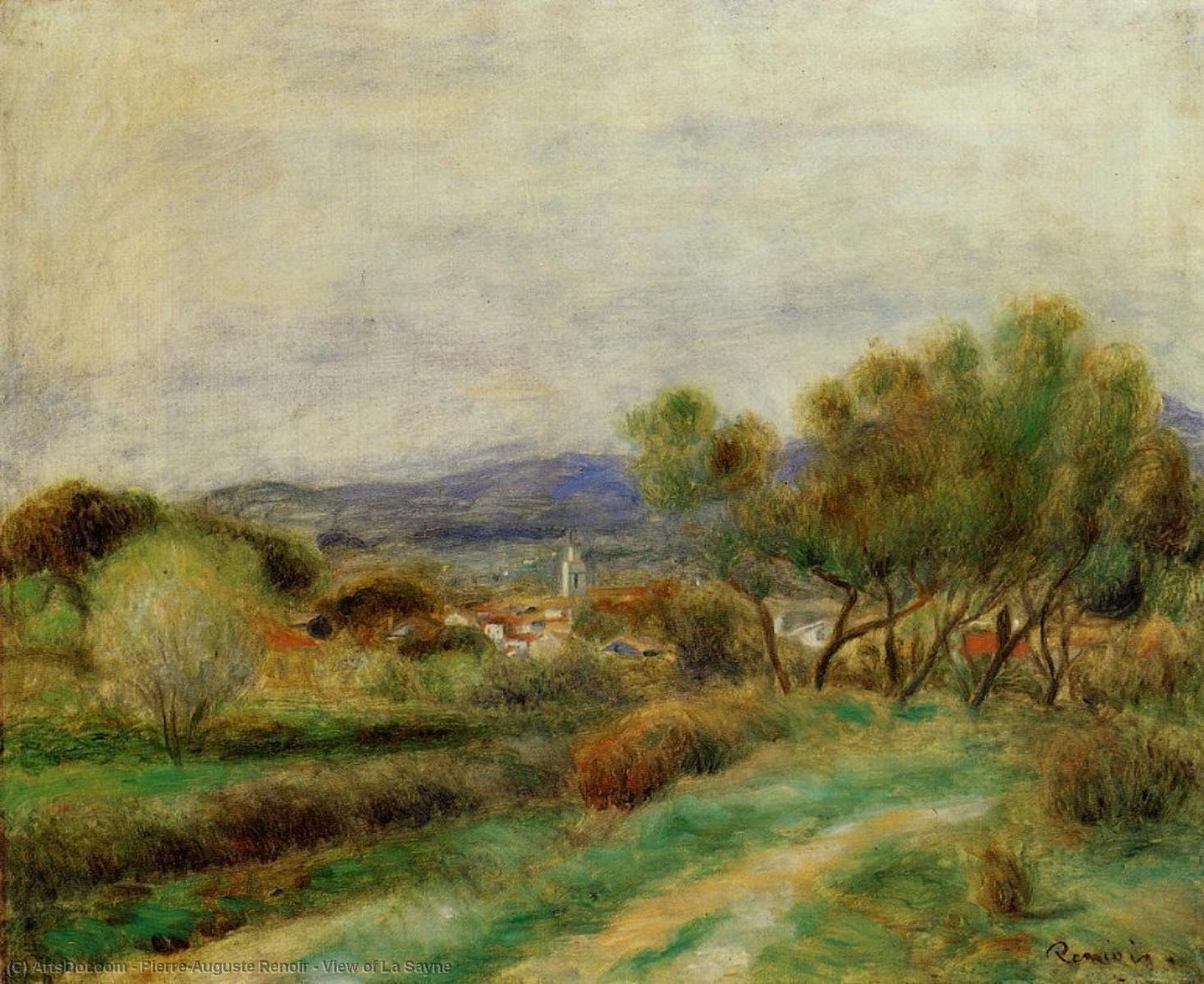
Pierre-Auguste Renoir's "View of La Sayne," painted circa 1890, isn’t merely a landscape; it’s an immersion into the heart of Impressionist sensibility. More than just depicting a picturesque Provençal village nestled amongst rolling hills, the painting is a carefully orchestrated study in light, color, and fleeting moments – a testament to Renoir's ability to capture not just what he saw, but how he *felt* about what he saw. The scene unfolds with an almost dreamlike quality, inviting the viewer into a tranquil afternoon where the air itself seems to shimmer with warmth and the promise of simple pleasures. It’s a work that speaks volumes through its quietude, offering a glimpse into a world both familiar and subtly transformed by Renoir's artistic vision.
The painting’s genesis lies in Renoir’s time spent in La Seyne-sur-Mer, on the French Riviera. This coastal town, with its vibrant harbor and surrounding countryside, provided an endless source of inspiration for the artist. However, “View of La Sayne” isn't a literal representation of the location; rather, it’s a distillation of Renoir’s memories and impressions, filtered through his distinctive artistic lens. He wasn’t striving for photographic accuracy but instead sought to convey the *essence* of the place – its atmosphere, its light, and the subtle interplay between man and nature.
The Language of Impressionism: Color and Light
Renoir was a master of capturing the ephemeral qualities of light. In “View of La Sayne,” he employs a technique characteristic of the Impressionist movement – broken brushstrokes applied in short, vibrant dabs of color. These strokes aren’t blended together to create smooth transitions; instead, they are deliberately left distinct, allowing the viewer's eye to mix them optically. This creates a shimmering effect, particularly noticeable in the reflections on the water and the dappled sunlight filtering through the trees. The palette is rich and luminous, dominated by warm yellows, oranges, and greens – colors that evoke the heat of the Provençal sun and the verdant hues of the landscape.
Notice how Renoir uses color to create a sense of depth and atmosphere. He employs lighter shades in the foreground to draw the viewer’s eye inward, while darker tones are used in the background to suggest distance. The subtle gradations of color – the delicate pinks and purples of the distant hills, the hazy blues of the sky – contribute to the painting's overall sense of atmosphere and tranquility.
A Composition of Human Presence
While the landscape dominates the composition, Renoir skillfully incorporates figures into the scene, adding a touch of human activity to the serene setting. A small group of people are scattered throughout the village, engaged in everyday tasks – perhaps tending to their gardens, strolling along the street, or simply enjoying the afternoon sun. These figures aren’t rendered with meticulous detail; instead, they are suggested through loose brushstrokes and subtle color variations. Their presence serves not as a focal point but rather as a gentle reminder of the vitality and dynamism of human life within this idyllic landscape.
Two horses, one near the center and another towards the right side, further animate the scene, adding to the sense of movement and interaction between man and nature. They are depicted with a similar loose brushstroke technique as the figures, blending seamlessly into the overall composition. The placement of these animals is deliberate, drawing the eye across the canvas and creating a visual rhythm.
Symbolism and Emotional Resonance
“View of La Sayne” transcends its purely representational qualities to evoke a profound sense of nostalgia and tranquility. It’s not simply a depiction of a village; it's an invitation to step into a moment of peaceful contemplation. The painting’s warm colors, soft light, and harmonious composition create a feeling of serenity and contentment – a reminder of the simple pleasures of life.
The scene itself can be interpreted as a celebration of rural beauty and the enduring connection between humanity and nature. Renoir's masterful use of color and light transforms a humble village into a realm of idyllic charm, inviting us to savor the beauty of the present moment. It’s a painting that speaks to our deepest desires for peace, tranquility, and connection – a timeless masterpiece that continues to resonate with viewers today.
Further Exploration: Connecting to Renoir's Wider Body of Work
To deepen your appreciation of “View of La Sayne,” consider comparing it to other works by Renoir, such as his portraits of Parisian women or his scenes from the Moulin de la Galette. You’ll notice a similar emphasis on capturing fleeting moments of beauty and emotion – a hallmark of his distinctive artistic style. For comparison, one might also examine Claude Monet's "Impression, soleil levant" (Impression, Sunrise), another seminal work of the Impressionist movement that similarly prioritized capturing the effects of light and atmosphere. Similarly, Jean-Baptiste Camille Corot’s landscapes, known for their atmospheric perspective and subtle color palettes, offer valuable insights into the artistic lineage leading to Renoir's approach.
For a more comprehensive understanding of Pierre-Auguste Renoir’s life and work, resources such as the Musée d’Orsay’s website (https://www.musee-orsay.fr/en/artists/pierre-auguste-renoir) provide valuable biographical information and detailed analyses of his paintings.
Srodna umetnička dela
Biografija umetnika
Pierre-Auguste Renoir: Svet obasjan svetlom i radosti
Rođen 1841. godine u Limogeu, malom gradu na jugu Francuske, Pierre-Auguste Renoir je krenuo put slavu iz neobičnih početaka – kao mladić koji je radio sa porcelanom. Ta skromna pozadina nije ga sprečila da postane jedan od najznačajnijih slikara impresionizma, čovek koji je proslavio jednostavne radosti života i ženske lepote svojim živopisnim kompozicijama. Preseljenje porodice u Pariz, potraga za boljim životom, otvorila su mladom Renoiru vrata sveta umetnosti. Ubrzo se našao u srcu grada koji pulsira kreativnošću, gde je upijao atmosferu i inspiraciju koja će ga definisati kao umetnika. Iako je prvobitno morao da zaradi za život oslikavajući porculan, njegova strast prema slikarstvu bila je neukaljiva. Posete Louvru postale su ritual, a studiranje majstora prošlosti – temelj njegovog budućeg stila. Učešće u radionicama Charlesa Gleyrea i susreti sa budućim impresionistima kao što su Monet, Sisley i Bazille bili su ključni za formiranje njegove umetničke vizije i pokretanja revolucionarnog talasa u slikarstvu.Od realizma do blistavih impresija: Evolucija stila
Renoir je svoju umetničku putanju započeo pod uticajem realista, divio se iskrenosti i direktnosti Gustavea Courbeta i Édouarda Maneta. Međutim, upravo su radovi Rubensa i Watteaua, sa njihovim sjajnim paletama i senzualnim formama, ostavili najdublji trag na njegovu umetnost. Te rane uticaje sjedinio je u sopstveni jedinstveni stil, karakterističan po živopisnim bojama, razbijenim potezima kista i fokusiranju na hvatanje prolaznih efekata svetlosti. Učešće na prvoj impresionističkoj izložbi 1874. godine predstavljalo je prekretnicu – hrabar korak u odbacivanju akademskih konvencija i prihvatanje novog umetničkog izraza, koji je nastojao da uhvati ne samo ono što oko vidi, već i kako se osećamo dok doživljavamo određeni trenutak. Slike poput Ples na Moolnu de la Galete (1876) savršeno ilustruju ovaj pristup, uranjajući gledaoca u živopisnu atmosferu pariškog noćnog života sa svojim razbijenim sunčanim zracima i veselim likovima.Hvatanje prolaznih trenutaka: Ključna dela i teme
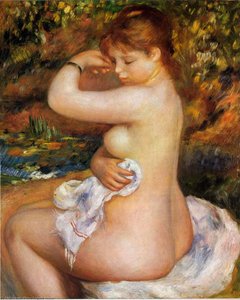
Renoir je posvetio svoj rad slavlju jednostavnih životnih zadovoljstava – intimnim susretima, obasjanih suncem pejzažima i zagonetnoj lepoti ljudskog tela. Ručak na čamcu (1880-81) predstavlja možda jednu od njegovih najpoznatijih slika, prikazujući veselu družinu koja uživa u opuštenom popodnevnom izletu na Seni. Slike je majstorski uhvaćena igra svetlosti i pokreta, a figure su obasjane toplim sunčanim zracima, a odrazi se prelamaju na vodi. Posle kupanja (1885-87) demonstrira Renoiru izuzetan talenat u portretisanju ženskog nagog tela, naglašavajući nežne tonove kože i graciozne poze. Njegove slike nisu samo reprezentacije stvarnosti; one su prožete toplinom, intimnošću i radošću koja duboko rezonuje sa posmatračima. On nije bio zainteresovan za grandiozne istorijske priče ili dramatične alegorije; umesto toga se fokusirao na lepota koja je prisutna u svakodnevnom životu, uzvišujući obične trenutke u dela umetnosti. Ples na Bougivalu, još jedno slavno delo, pokazuje njegovu sposobnost da uhvati prolazne utiske i atmosferske efekte, stvarajući osećaj pokreta i spontanosti.Promena prema formi i strukturi: Godine zrelosti i nasleđe
U 1890-im godinama Renoirjev stil doživeo je značajnu transformaciju. Iako nikada u potpunosti nije napustio svoje impresionističke korene, počeo je da teži ka skulpturalnijem i klasičnijem pristupu, pod uticajem putovanja u Italiju i obnovljenog interesovanja za formu i strukturu. Ta promena bila je delimično uslovljena fizičkim ograničenjima – artritis mu je postepeno smanjivao mobilnost, što ga je nateralo da prilagodi svoju tehniku. Uprkos tim izazovima, Renoir je nastavio da slika sa neumornom predanošću, stvarajući dela karakteristična za punije figure i topliju paletu boja. Njegove kasnija dela često odražavaju kontemplativnije raspoloženje, ali zadržavaju istu osnovnu proslavu lepote koja je definisala njegov raniji rad. Pored svojih umetničkih postignuća, Renoirovo nasleđe se proteže i na njegovu porodicu; njegov sin, Žan Renoir, postao je poznati filmski reditelj, nastavljajući kreativni duh kroz generacije. Pierre-Auguste Renoir preminuo je 1919. godine, ostavivši iza sebe trajno delo koje i dalje inspiriše i obraduje publiku širom sveta. Ostaje jedna od najomiljenijih figura u istoriji umetnosti, slavljen zbog svoje sposobnosti da uhvati radost života i lepotu ljudskog iskustva sa nezadržljivom osetljivošću i gracioznošću.Trajno uticaj
- Renoir’s influence on subsequent generations of artists is undeniable. His emphasis on light, color, and capturing fleeting moments paved the way for many modern artistic movements.
- His celebration of beauty and sensuality continues to resonate with audiences today, making his work universally appealing.
- He played a pivotal role in establishing Impressionism as a major force in art history, challenging traditional conventions and opening up new possibilities for artistic expression.
- The enduring popularity of his paintings – reproduced on countless posters, calendars, and other merchandise – testifies to the timeless quality of his work.
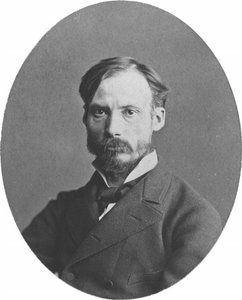
Pjer Ogist Renoar
1841 - 1919 , Francuska
Osnovne informacije
- Datum Rođenja: 25. februar 1841.
- Datum Smrti: 3. decembar 1919.
- Mesto Rođenja: Limoges, Francuska
- Nacionalnost: Francuski
- Pokreti/Umetnici Pod Uticajem: ['Impresionizam']
- Puno Ime: Pierre-Auguste Renoir
- Umetnički Pokret: Impresionizam
- Uticajni Umetnici:
- Rubens
- Watteau
- Courbet
- Manet
- Značajna Dela:
- Ples u Mölanu la Galet
- Ručak veslača
- Posle kupanja
- Ples u Bugivalu
Povezani članci

Pierre-Auguste Renoir: 25 Remek-Dela Impresionizma za Vaš Dom | ArtsDot
Uronite u svet Pierre-Auguste Renoara! Otkrijte 25 remek-dela impresionizma, priče iza slika i tehničke detalje. Reprodukcije vrhunskog kvaliteta za vaš dom dostupne na ArtsDot.com. Istražite celu kolekciju online!
Impressionistic Landscapes: 10 Masterpieces That Changed Art & Decor
Journey into the heart of Impressionism! Explore 10 masterpieces by Monet, Renoir & Degas that revolutionized landscape art. Discover their stories, techniques & find museum-quality reproductions to elevate your home decor on ArtsDot.com.

Evocations of Place: A Historical Journey Through Landscape Art
Explore the rich history of landscape art with ArtsDot. Discover renowned artists, movements like Impressionism & Romanticism, and expert guidance for collecting timeless pieces. Find your perfect serene escape today!
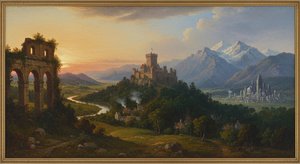
Evocations of Place: A Historical Journey Through Landscape Art
Explore the rich history of landscape art with ArtsDot. Discover renowned artists, movements like Impressionism & tonalism, and expert guidance for collecting timeless pieces. Find your perfect serene escape today!

Paul Cézanne: 25 Remek-dela Revolucionarnog Umjetnika | ArtsDot
Istražite 25 remek-dela Paula Cézanna, revolucionarnog slikara impresionizma i postimpresionizma. Otkrijte priče iza ikoničnih pejzaža, portreta i mrtve prirode. Kupite luksuzne reprodukcije slika na ArtsDot.com!