

 Pregledaj u prostoru
 Pošalji
 Podeli
 Detalji o delu

 Преузми
 Slični predmeti
 Rendgenski snimak
 Slajdovi
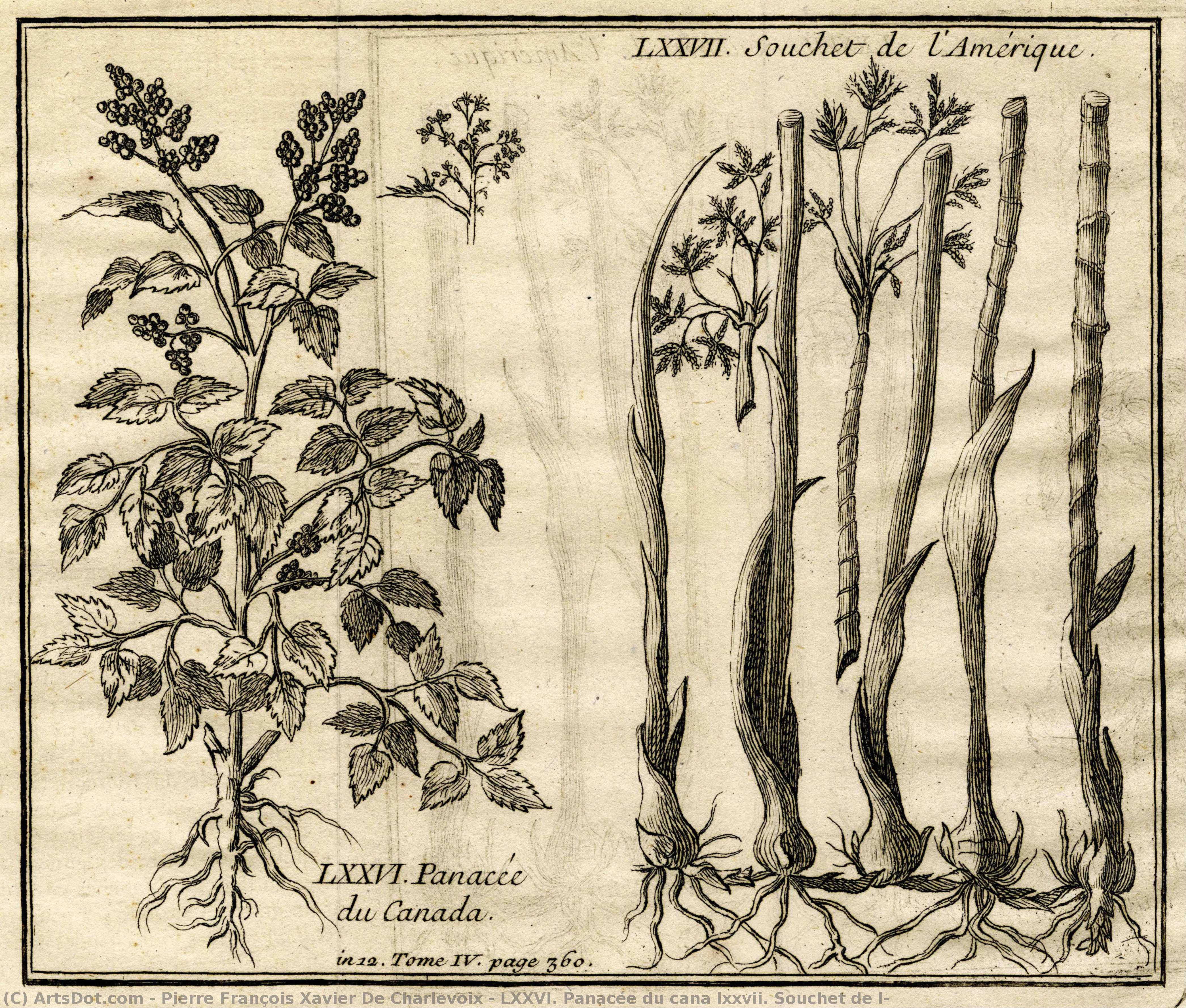
LXXVI. Panacée du cana lxxvii. Souchet de l
 Engraving
 1744
1744- Early Modern
 16.0 x 18.0 cm
 Kanadski muzej prirode
 Pročitaj više
Giclee štampa / Umetnički otisak
Giclée štampa ili print na platnu muzejskog kvaliteta uz brzu proizvodnju i fleksibilne opcije završne obrade. ( Kupi ručno naslikanu sliku Kupi digitalnu sliku)




































Izaberite jednu od naših unapred definisanih veličina koje odgovaraju originalnim proporcijama umetničkog dela.

Možete uneti sopstvene dimenzije kako biste umetničko delo prilagodili specifičnom okviru ili prostoru. Ako odabrani format ne odgovara proporcijama originalne slike, mi ćemo ili iscrtati deo dela ili proširiti sliku pomoću ogledane ivice ili jednobojnog popunjavanja. Digitalni prikaz će vam biti poslat na odobrenje pre početka proizvodnje.
Imajte na umu da pregled na ekranu ne odražava stvarno iscrtavanje ili proširivanje. Samo će prikaz (mockup) precizno pokazati finalnu kompoziciju.
Iako su prilagođene dimenzije dostupne, preporučujemo da odaberete dimenziju sa unapred definisane liste kako biste očuvali originalne proporcije.
Dostava širom sveta () za 2 nedelje umesto uobičajenih 4/5 nedelja. (31 август)

Besplatna ekspresna dostava širom sveta

Visokokvalitetno laneno platno

Kompletno osiguranje transporta

Garancija povraćaja carine i uvoznih dažbina

Garancija vernosti boja

Politika povrata u roku od 60 dana (samo u slučaju nedostataka)

Garancija povrata novca od 100%

Popust pri grupnoj kupovini
 Opcija sa staklom dostupna je samo za dimenzije manje od 110 cm

LXXVI. Panacée du cana lxxvii. Souchet de l
Giclee štampa / Umetnički otisak
Dimenzije reprodukcije
-


Konačna cena
$ 62
A Botanical Window into the Enlightenment
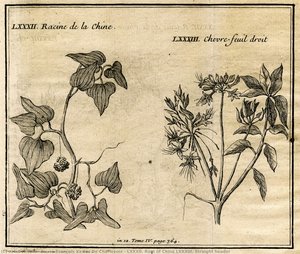
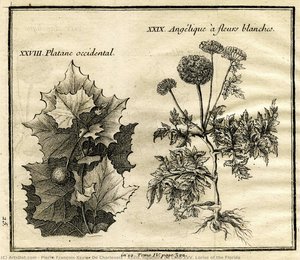
In the delicate dance of lines and shadows found within this exquisite 1744 engraving, we find much more than a mere scientific record; we encounter a profound moment in the history of human curiosity. Titled LXXVI. Panacée du cana lxxvii. Souchet de l, this masterful work by the French Jesuit priest and historian Pierre François Xavier de Charlevoiv captures the botanical elegance of the Canna lily with an intimacy that transcends its academic origins. The piece serves as a breathtaking window into the 18th-century Enlightenment, an era when the pursuit of knowledge was inextricably linked to the meticulous observation of the natural world. Through the medium of black and white engraving, the artist breathes life into the stems and foliage, inviting the viewer to pause and appreciate the intricate architecture of a single plant.
The technique employed here is nothing short of extraordinary, showcasing the precision required of an engraver during the mid-1700s. Each stroke of the burin creates a rhythmic texture that mimics the organic flow of the plant's growth. The varying weights of the lines allow for a sophisticated play of light and shadow, giving the leaves a palpable sense of volume and weight. As one observes the five distinct stems, each oriented with its own unique character, there is a sense of movement—a silent, slow-motion unfolding of life. This level of detail does not merely document; it celebrates the complexity of nature, making it an ideal centerpiece for those who appreciate the fine balance between scientific accuracy and artistic grace.
Beyond its technical brilliance, the artwork carries a deep historical resonance. Created by Charlevoix, a man whose life was dedicated to documenting the vast, unknown territories of New France, this engraving reflects the broader European obsession with cataloging the wonders of the earth. There is an inherent symbolism in the "Panacée" (panacea) mentioned in the title—a nod to the medicinal and transformative potential that early explorers believed resided within the flora they encountered. For the modern collector or interior designer, this piece offers a sophisticated layer of intellectual depth. It brings a sense of timelessness and scholarly prestige to any space, whether it is placed in a sunlit library or used as a subtle, textured accent in a contemporary minimalist gallery.
Integrating such a high-quality reproduction into a curated interior allows for a dialogue between the past and the present. The monochromatic palette provides a versatile foundation that complements both classical and modern decor, offering a quiet strength that does not overwhelm but rather enriches its surroundings. To possess this work is to hold a fragment of history—a piece of the 18th-century spirit that continues to inspire awe through its unwavering commitment to capturing the delicate, fleeting beauty of the natural world.
Srodna umetnička dela
Biografija umetnika
Rano detinjstvo i obrazovanje
Pierre François Xavier de Charlevoix, francuski jezuita, putnik i istoričar, rođen je u mestu Saint-Quentin u Francuskoj 1682. godine. Svoj životni put okončao je u La Flèche, u Francuskoj, 1761. godine, ostavivši za sobom neprocenjivo nasleđe kao prvi istoričar Nove Francuske.Doprinos umetnosti i istoriji
Charlevoix je najpoznatiji po svojim značajnim doprinosima proučavanju Nove Francuske, što uključuje njegovo remek-delo Histoire et description générale de la Nouvelle-France, objavljeno 1744. godine. Ovo delo ne samo da svedoči o njegovoj stručnosti kao istoričara, već pruža i dragocene uvide u rane dane istorije Nove Francuske.Umetnička dela
Neka od najznačajnijih umetničkih radova koje je Charlevoix ostavio za nas uključuju:- xxxiv. waux wedding routes xxxiv. waux wedding routes xxxv. apious de l (gravura, Kanadski muzej prirode, Ottawa, Kanada)
- Ostala umetnička dela, poput njegovih skica i slika, demonstriraju njegovu veštinu kao umetnika i sposobnost da dočara samu suštinu Nove Francuske.
Muzeji koji čuvaju Charlevoixova dela
Charlevoixova umetnička dela mogu se pronaći u različitim muzejima, među kojima su:- Kanadski muzej prirode, Ottawa, Kanada
- Musée Baron Gérard (Francuska), Bayeux, Francuska (koji prikazuje evropsku umetnost od prehistoricnog doba do 20. veka)
Značaj i uticaj
Delo Charlevoixa je priznato zbog svog istorijskog značaja, a njegov umetnički stil nastavlja da inspiriše umetnike i istoričare isto kao i istraživače prošlosti. Njegov doprinos proučavanju Nove Francuske učinio ga je pionirem kako u oblasti umetnosti, tako i u istoriji. Otkrijte više o Pierre François Xavier de Charlevoix na ArtsDot.com: [https://ArtsDot.com/@/pierre-francois-xavier-de-charlevoix](https://ArtsDot.com/@/pierre-francois-xavier-de-charlevoix) Istražite Musée Baron Gérard (Francuska) i njegova remek-dela na ArtsDot.com: [https://ArtsDot.com/@@/9avcev-ArtsDot-in-your-pocket](https://ArtsDot.com/@@/9avcev-ArtsDot-in-your-pocket)Reference
- Pierre François Xavier de Charlevoix, ArtsDot.com
- Musée Baron Gérard (Francuska), ArtsDot.com
- Wikipedia: Pierre François Xavier de Charlevoix, wikipedia.org
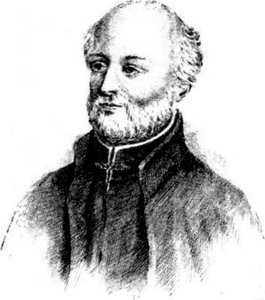
Pjer Fransis Zavier De Karlevo
1682 - 1761 , Francuska
Osnovne informacije
- Artistic Movement Or Style: Rokoko
- Date Of Birth: Saint-Quentin, Francuska (1682)
- Date Of Death: La Flèche, Francuska (1761)
- Full Name: Pierre François Xavier de Charlevoix
- Nationality: Francuski
- Notable Artworks:
- Iupatoire du cane
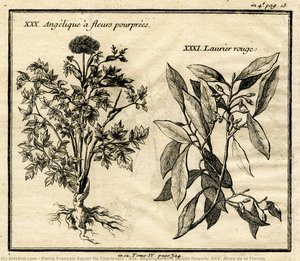
- Angélique sa ljubičastim cvetovima
- Alcea de la Florida
- Place Of Birth: Saint Quentin
Povezani članci
The Flourishing Canvas: A Historical & Artistic Exploration of Botanical Illustration
Explore the rich history of botanical illustration! Discover key artists like Havell & Barraband, learn about scientific accuracy & aesthetic beauty. Shop museum-quality reproductions at ArtsDot.
The Flourishing Canvas: A Historical Journey Through Botanical Illustration
Explore the captivating history of botanical illustration! Discover renowned artists like Robert Havell & Mary Walcott, learn about techniques, and find museum-quality art at ArtsDot.com.
The Flourishing Canvas: A Historical Journey Through Botanical Illustration
Explore the captivating history of botanical illustration! Discover renowned artists like Robert Havell & Mary Walcott, learn about techniques, and find museum-quality art at ArtsDot.com.
The Evocative Detail of Nature: A History of Naturalistic Illustration
Explore the rich history of botanical illustration! Discover pioneering artists like Maria Sibylla Merian & Marianne North. Learn about scientific precision, artistic expression, and find museum-quality reproductions at ArtsDot.
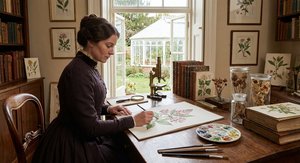
Victorian Botanical Painting: Science, Art & Aesthetic Sensibility
Explore the exquisite world of Victorian botanical art! Discover the science & artistry behind stunning floral illustrations by Gould, Muckley & more. Learn about collecting, value & investment at ArtsDot.

