

 Pregledaj u prostoru
 Pošalji
 Podeli
 Detalji o delu

 Преузми
 Slični predmeti
 Rendgenski snimak
 Slajdovi
 Stats
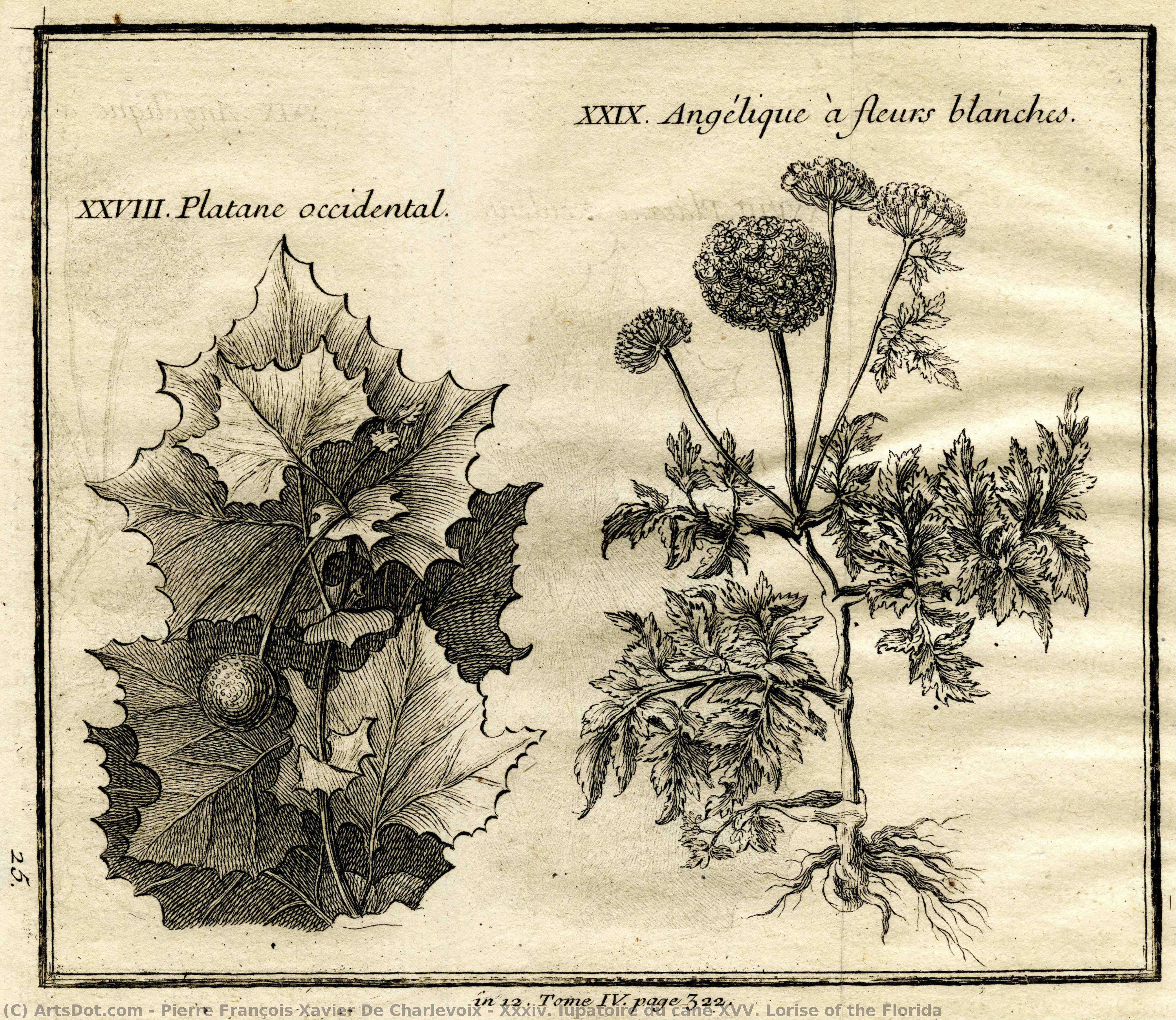
StatsXxxiv. Iupatoire du cane XVV. Lorise of the Florida
 Engraving
- Rococo
 1744
1744- Early Modern
 16.0 x 18.0 cm
 Kanadski muzej prirode
 Pročitaj više
Giclee štampa / Umetnički otisak
Giclée štampa ili print na platnu muzejskog kvaliteta uz brzu proizvodnju i fleksibilne opcije završne obrade. ( Kupi ručno naslikanu sliku Switch to Digital Image)




































Izaberite jednu od naših unapred definisanih veličina koje odgovaraju originalnim proporcijama umetničkog dela.

Možete uneti sopstvene dimenzije kako biste umetničko delo prilagodili specifičnom okviru ili prostoru. Ako odabrani format ne odgovara proporcijama originalne slike, mi ćemo ili iscrtati deo dela ili proširiti sliku pomoću ogledane ivice ili jednobojnog popunjavanja. Digitalni prikaz će vam biti poslat na odobrenje pre početka proizvodnje.
Imajte na umu da pregled na ekranu ne odražava stvarno iscrtavanje ili proširivanje. Samo će prikaz (mockup) precizno pokazati finalnu kompoziciju.
Iako su prilagođene dimenzije dostupne, preporučujemo da odaberete dimenziju sa unapred definisane liste kako biste očuvali originalne proporcije.
Dostava širom sveta () za 2 nedelje umesto uobičajenih 4/5 nedelja. (8 септембар)

Besplatna ekspresna dostava širom sveta

Visokokvalitetno laneno platno

Kompletno osiguranje transporta

Garancija povraćaja carine i uvoznih dažbina

Garancija vernosti boja

Politika povraćaja u roku od 100 dana (isključivo u slučaju nedostataka)

Garancija povrata novca od 100%

Popust pri grupnoj kupovini
 Opcija sa staklom dostupna je samo za dimenzije manje od 110 cm

Xxxiv. Iupatoire du cane XVV. Lorise of the Florida
Giclee štampa / Umetnički otisak
Dimenzije reprodukcije
-


Konačna cena
$ 62
A Window into the Botanical Wonders of New France
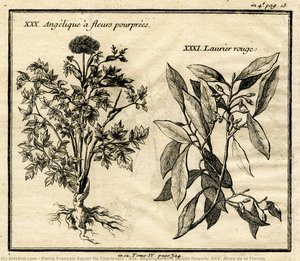
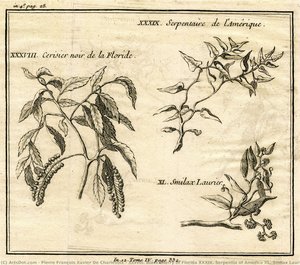
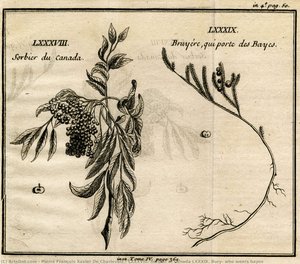
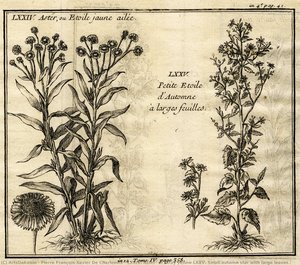
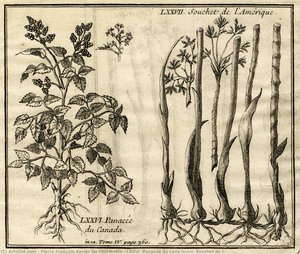
In the delicate dance of ink and paper, certain works of art possess the singular ability to transport the viewer across centuries and continents. Xxxiv. Iupatoire du cane XVV. Lorise of the Florida, an exquisite engraving dating back to 1744, serves as such a portal. Created by the renowned French Jesuit priest, traveler, and historian Pierre François Xavier de Charlevo , this piece is far more than a mere scientific record; it is a poetic encounter with the natural world of the eighteenth century. The illustration presents a meticulous study of botanical specimens—a large, detailed leaf and a cluster of ethereal white flowers—rendered with a precision that speaks to the era's profound reverence for discovery and the documentation of the unknown.
The artistry lies in the masterful use of the engraving technique, where every fine line serves a purpose. Utilizing a burin to etch intricate details into copper plates, the artist achieved a level of texture that breathes life into the organic forms. One can almost feel the rhythmic veins of the Platane occidentalis and the soft, clustered petals of the Angélique à fleurs blanches through the sophisticated use of hatching and varying line weights. The composition, rooted in the late Baroque and Rococo traditions, balances scientific accuracy with an ornamental elegance. Set against a muted, pale beige backdrop, the dark, sharply defined linework creates a striking contrast that commands attention, making each botanical element appear to emerge from the very parchment itself.
The Intersection of Science and Soul
Beyond its technical brilliance, this work carries a deep symbolic weight, representing the Enlightenment-era passion for scientific observation. During a time when the exploration of New France was reshaping the European understanding of the globe, Charlevoix’s work acted as a vital bridge between the rugged reality of the frontier and the refined salons of France. The piece embodies the spirit of the explorer—the desire to categorize, understand, and celebrate the intricate beauty of life. There is a quiet, meditative quality to the even, diffused lighting used in the illustration; it lacks dramatic shadows, opting instead for a clarity that invites the viewer into a state of focused, tranquil contemplation.
For the discerning collector or interior designer, this reproduction offers a timeless elegance that transcends fleeting trends. Its neutral palette and organic subject matter make it an incredibly versatile choice for sophisticated spaces, whether placed in a sun-drenched library, a minimalist modern study, or a classic gallery wall. It provides a sense of historical depth and intellectual curiosity, acting as a conversation piece that honors the legacy of natural history. To possess such a work is to hold a fragment of history—a beautifully preserved moment of human wonder at the complexity of the natural world.
Srodna umetnička dela
Biografija umetnika
Rano detinjstvo i obrazovanje
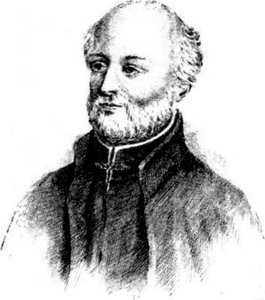
Pierre François Xavier de Charlevoix, francuski jezuita, putnik i istoričar, rođen je u mestu Saint-Quentin u Francuskoj 1682. godine. Svoj životni put okončao je u La Flèche, u Francuskoj, 1761. godine, ostavivši za sobom neprocenjivo nasleđe kao prvi istoričar Nove Francuske.Doprinos umetnosti i istoriji
Charlevoix je najpoznatiji po svojim značajnim doprinosima proučavanju Nove Francuske, što uključuje njegovo remek-delo Histoire et description générale de la Nouvelle-France, objavljeno 1744. godine. Ovo delo ne samo da svedoči o njegovoj stručnosti kao istoričara, već pruža i dragocene uvide u rane dane istorije Nove Francuske.Umetnička dela
Neka od najznačajnijih umetničkih radova koje je Charlevoix ostavio za nas uključuju:- xxxiv. waux wedding routes xxxiv. waux wedding routes xxxv. apious de l (gravura, Kanadski muzej prirode, Ottawa, Kanada)
- Ostala umetnička dela, poput njegovih skica i slika, demonstriraju njegovu veštinu kao umetnika i sposobnost da dočara samu suštinu Nove Francuske.
Muzeji koji čuvaju Charlevoixova dela
Charlevoixova umetnička dela mogu se pronaći u različitim muzejima, među kojima su:- Kanadski muzej prirode, Ottawa, Kanada
- Musée Baron Gérard (Francuska), Bayeux, Francuska (koji prikazuje evropsku umetnost od prehistoricnog doba do 20. veka)
Značaj i uticaj
Delo Charlevoixa je priznato zbog svog istorijskog značaja, a njegov umetnički stil nastavlja da inspiriše umetnike i istoričare isto kao i istraživače prošlosti. Njegov doprinos proučavanju Nove Francuske učinio ga je pionirem kako u oblasti umetnosti, tako i u istoriji. Otkrijte više o Pierre François Xavier de Charlevoix na ArtsDot.com: [https://ArtsDot.com/@/pierre-francois-xavier-de-charlevoix](https://ArtsDot.com/@/pierre-francois-xavier-de-charlevoix) Istražite Musée Baron Gérard (Francuska) i njegova remek-dela na ArtsDot.com: [https://ArtsDot.com/@@/9avcev-ArtsDot-in-your-pocket](https://ArtsDot.com/@@/9avcev-ArtsDot-in-your-pocket)Reference
- Pierre François Xavier de Charlevoix, ArtsDot.com
- Musée Baron Gérard (Francuska), ArtsDot.com
- Wikipedia: Pierre François Xavier de Charlevoix, wikipedia.org
Pjer Fransis Zavier De Karlevo
1682 - 1761 , Francuska
Osnovne informacije
- Artistic Movement Or Style: Rokoko
- Date Of Birth: Saint-Quentin, Francuska (1682)
- Date Of Death: La Flèche, Francuska (1761)
- Full Name: Pierre François Xavier de Charlevoix
- Nationality: Francuski
- Notable Artworks:
- Iupatoire du cane
- Angélique sa ljubičastim cvetovima
- Alcea de la Florida
- Place Of Birth: Saint Quentin
Povezani članci
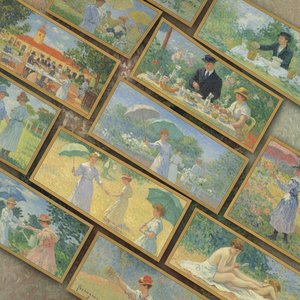
Pierre-Auguste Renoir: 25 Remek-Dela Impresionizma za Vaš Dom | ArtsDot
Uronite u svet Pierre-Auguste Renoara! Otkrijte 25 remek-dela impresionizma, priče iza slika i tehničke detalje. Reprodukcije vrhunskog kvaliteta za vaš dom dostupne na ArtsDot.com. Istražite celu kolekciju online!
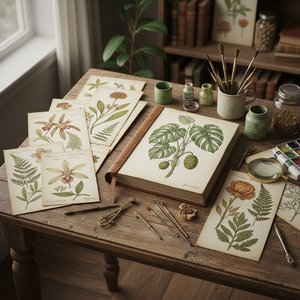
The Flourishing Canvas: A Historical & Artistic Exploration of Botanical Illustration
Explore the rich history of botanical illustration! Discover key artists like Havell & Barraband, learn about scientific accuracy & aesthetic beauty. Shop museum-quality reproductions at ArtsDot.
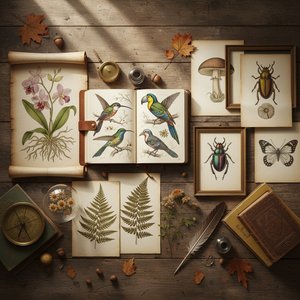
The Evocative Detail of Nature: A History of Naturalistic Illustration
Explore the rich history of botanical illustration! Discover pioneering artists like Maria Sibylla Merian & Marianne North. Learn about scientific precision, artistic expression, and find museum-quality reproductions at ArtsDot.
The Flourishing Canvas: A Historical Journey Through Botanical Illustration
Explore the captivating history of botanical illustration! Discover renowned artists like Robert Havell & Mary Walcott, learn about techniques, and find museum-quality art at ArtsDot.com.
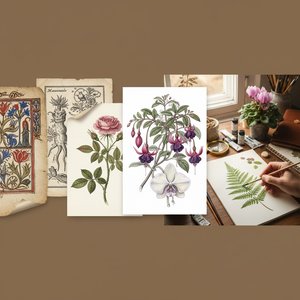
The Flourishing Canvas: A Historical Journey Through Botanical Illustration
Explore the captivating history of botanical illustration! Discover renowned artists like Robert Havell & Mary Walcott, learn about techniques, and find museum-quality art at ArtsDot.com.