

 Pregledaj u prostoru
 Pošalji
 Podeli
 Detalji o delu

 Преузми
 Slični predmeti
 Rendgenski snimak
 Slajdovi
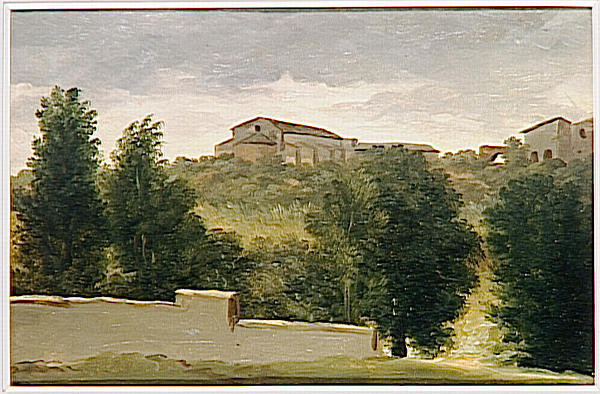
A LA VILLA FARNESE LE MUR


 Pročitaj više
Ručno rađena uljana reprodukcija
Ručno oslikano uljanim bojama na platnu u dimenzijama i okviru po vašem izboru, izrađeno po porudžbini od strane naših umetnika. ( Kupi print Kupi digitalnu sliku)




P118B $10

P118H $10

P118W $10

P438Z $10

P508JH $12

P508YH $12

P805H $10

P805Z $10

P919BZ $10

P919G $10

P919XJ $10

P959ZH $10

P968JZ $12

W106C $8

W218G $10

W218JH $8

W218Y $10

W307PJ $10

W316G $10

W316PJ $8

W316Y $10

W398PJ $8

W4111J $10

W500HY $15

W500JH $15

W692G $12

W849H $8

W940BG $15

W953PJ $8




Izaberite jednu od naših unapred definisanih veličina koje odgovaraju originalnim proporcijama umetničkog dela.

Можете унети сопствене димензије како бисте прилагодили дело одређеном оквиру или простору. Ако одабрана величина не одговара пропорцијама оригинала, слика ће бити исечена или проширена додатним елементима који се ручно насликавају. Дигитални prikaz ће вам бити послат на одобрење пре почетка производње.
Имајте на уму да преглед на екрану не одражава стварно исецање или проширење. Само приказ (mockup) ће тачно приказати коначну композицију.
Иако су доступне прилагођене величине, препоручујемо да одаберете димензију из дефинисане листе како бисте сачували оригиналне пропорције.
Nakon narudžbine, tim ArtsDot.com će klijentu putem e-pošte poslati uputstva i dostaviti prikaz predloženog rešenja
Isporuka širom sveta () za 3/4 nedelje umesto uobičajenih 5 nedelja. (24 август). Bez kompromisa po pitanju kvaliteta.

Besplatna ekspresna dostava širom sveta

Visokokvalitetno laneno platno

Kompletno osiguranje transporta

Garancija povraćaja carine i uvoznih dažbina

Garancija vernosti boja

Politika povrata u roku od 60 dana (samo u slučaju nedostataka)

Garancija povrata novca od 100%

Popust pri grupnoj kupovini
 Opcija sa staklom dostupna je samo za dimenzije manje od 110 cm

A LA VILLA FARNESE LE MUR
Tehnika reprodukcije
Dimenzije reprodukcije
-


Konačna cena
$ 263
Opis umetničkog dela
A Serene Vista of Italian Grandeur: Valenciennes’ “À la Villa Farnèse le Mur”
Pierre-Henri de Valenciennes' "À la Villa Farnèse le Mur" (circa 1782-1784) is more than just a landscape painting; it’s a carefully constructed evocation of the Italian countryside, imbued with the spirit of the late Enlightenment and the burgeoning Romantic movement. This captivating work, currently residing in the Louvre Museum's collection, offers a glimpse into a world of refined beauty and subtle observation – a testament to Valenciennes’ pioneering approach to landscape painting.
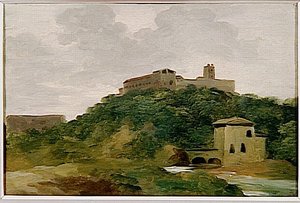
The scene unfolds within the Villa Farnese at Caprarola, a magnificent Renaissance villa nestled amidst rolling hills near Rome. The composition immediately draws the eye to the imposing structure, perched dramatically on a hilltop, its walls partially obscured by a dense tapestry of foliage. A low, weathered wall snakes across the foreground, acting as an anchor for the viewer and subtly hinting at the vastness of the surrounding landscape. Valenciennes masterfully employs atmospheric perspective – distant elements recede into a hazy blue, creating a convincing illusion of depth and drawing the eye towards the villa’s central prominence. The muted color palette—dominated by earthy greens, browns, and greys—evokes a sense of timeless tranquility, mirroring the classical ideals of harmony and balance that characterized much of 18th-century art.
The Dawn of “En Plein Air” – Valenciennes’ Revolutionary Technique
Valenciennes' contribution to the art world extends far beyond simply depicting a beautiful landscape. He was a key figure in establishing the revolutionary technique of "en plein air" painting, or working directly from nature. Prior to his influential treatise, “Reflections and Advice to a Student on Painting, Particularly on Landscape” (1800), artists typically worked from sketches created indoors. Valenciennes argued passionately for observing and capturing the fleeting effects of light and weather directly in the field. This approach demanded a new level of artistic skill and sensitivity, allowing painters to truly capture the essence of a scene – its subtle shifts in color, texture, and atmosphere.
"À la Villa Farnèse le Mur" exemplifies this revolutionary technique. The loose brushstrokes, blended tones, and lack of sharp outlines demonstrate Valenciennes’ commitment to representing the immediate impression of the landscape. He wasn't striving for photographic accuracy; instead, he sought to convey the *feeling* of being present in that particular place at that specific moment. The hazy atmosphere isn’t merely a stylistic choice; it reflects the artist’s deliberate attempt to capture the ephemeral qualities of light and shadow.
Symbolism and the Pursuit of Ideal Beauty
Beyond its technical brilliance, the painting is rich in symbolic meaning. The Villa Farnese itself represents the ideals of Roman grandeur and Renaissance humanism – a testament to wealth, power, and artistic achievement. However, Valenciennes doesn’t simply celebrate this opulence; he presents it within a broader landscape context, suggesting a harmonious relationship between man-made structures and the natural world. The wall in the foreground, partially obscured by vegetation, symbolizes the inevitable encroachment of nature upon even the most imposing monuments. It's a subtle reminder of the transient nature of human endeavors against the backdrop of enduring beauty.
Furthermore, the painting’s overall mood—serene, contemplative, and bathed in diffused light—reflects the philosophical currents of the Enlightenment, emphasizing reason, order, and the pursuit of ideal beauty. The scene invites the viewer to step into a world of quiet contemplation, mirroring the artistic ideals of balance, harmony, and proportion that were so central to the era.
A Timeless Masterpiece for Collectors and Designers
"À la Villa Farnèse le Mur" remains a captivating work of art, offering a glimpse into the artistic sensibilities of 18th-century Italy. Its masterful composition, innovative technique, and evocative symbolism continue to resonate with viewers today. Whether admired as a historical artifact or sought after for its aesthetic qualities, this painting represents a pivotal moment in the development of landscape painting – a testament to Valenciennes’ legacy as a pioneer of “en plein air” and a champion of capturing the fleeting beauty of the natural world. Reproductions of this stunning artwork offer an accessible way to bring a touch of Italian grandeur into any interior space, evoking a sense of timeless elegance and serene contemplation.
Srodna umetnička dela

Biografija umetnika
rani život i obuka
Pierre-Henri de Valenciennes, francuski slikar, rođen je 6. decembra 1750. godine. Iako dostupni zapisi ne navode precizno mesto njegovog rođenja, njegovi doprinosi svetu umetnosti ostali su detaljno dokumentovani. Rani period njegovog obrazovanja i obuke nije opširno zabeležen, ali je poznato da je boravio u Rimu od ente 1778. do 1782. godine, gde je stvarao brojne pejzažne studije direktno iz same prirode.doprinos slikarskom tehnikama na otvorenom
Valenciennes je odigrao ključnu ulogu u uzdizanje statusa en plein air (slikanja na otvorenom) tehnike. Njegovo iskustvo u Rimu postalo je temelj razvoja njegove teorije, koju je detaljno izložio u svom traktatu iz 1800. godine pod nazivom Refleksije i saveti učeniku o slikarstvu, posebno o pejzažu. Ovaj koncept je uveo revolucionarnu ideju „portreta pejzaža“, gde umetnik slika prirodu direktno dok joj posmatra, pokušavajući da uhvati njene najintimnije detalje. Ovakav pristup omogućio je Valenciennesu da na platnu ovekne prolazne promene pejzaža izazvane igrom svetlosti i vremenskim prilikama.istaknuti učenici i uticaj
Među njegovim značajnijim učenicima mogli su se naći Jean-Victor Bertin, Achille Etna Michallon, Louis Étienne Watelet, Louis-François Lejeune, kao i prvi francuski slikar panorama Pierre Prévost. Valenciennesov uticaj na ove umetnike i njegov doprinos razvoju tehnike slikanja na otvorenom ostavili su neizbrisiv trag u istoriji umetnosti.kasniji život i smrt
Valenciennes je preminuo u Parizu 16. februara 1819. godine. Sahranjen je na groblju Père Lachaise, čuvenom pariskom groblju poznatom po svojim istaknutim stanovnicima.- Pogledajte dela umetnika Pierre-Henri de Valenciennes na ArtsDot.com
- Istražite Musée des Beaux-Arts Valence, muzej koji čuva evropska slikarstva i skulpture, na ArtsDot.com
- Saznajte više o francuskoj umetnosti i njenoj istoriji na Wikipedia
nasleđe
Nasleđe koje je Pierre-Henri de Valenciennes ostavio svetu umetnosti je neosporno. Njegovo pionirsko delovanje u tehnici slikanja na otvorenom inspirisalo je generacije umetnika, a njegov uticaj se jasno primećuje i danas. Kroz svoj traktat i kroz rad svojih učenika, de Valenciennes je utisnuo neizbrisiv pečat u svetsku umetničku istoriju.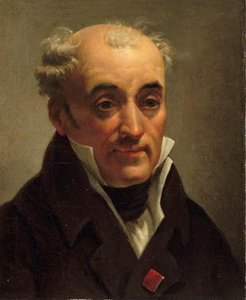
Pjer-Anri De Valenjen
1750 - 1819 , Francuska
Osnovne informacije
- Artistic Movement Or Style: Plein air slikarstvo
- Artists Or Movements Influenced By This Artist: ['Pierre Chauvin']
- Artists Who Influenced This Artist:
- Jean Victor Bertin
- Achille Etna Michallon
- Date Of Birth: 6. decembar 1750.
- Date Of Death: 16. februar 1819.
- Full Name: Pierre Henri de Valenciennes
- Nationality: Francusko
- Notable Artworks:
- Village de Nemi
- A LA Villa Borghese Chemin borde d'arbres
- Place Of Birth: Tuluz, Francuska
Povezani članci
Henri Matisse: 25 Remek-dela koji definišu boju i modernu umetnost | ArtsDot
Uronite u svet Henri Matissea! Istražite 25 remek-dela Fauvizma i moderne umetnosti. Otkrijte priče iza slika, tehnike i inspiraciju slavnog francuskog slikara. Reprodukcije vrhunskog kvaliteta dostupne na ArtsDot.com.
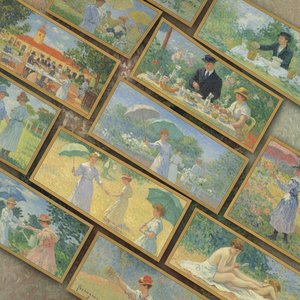
Pierre-Auguste Renoir: 25 Remek-Dela Impresionizma za Vaš Dom | ArtsDot
Uronite u svet Pierre-Auguste Renoara! Otkrijte 25 remek-dela impresionizma, priče iza slika i tehničke detalje. Reprodukcije vrhunskog kvaliteta za vaš dom dostupne na ArtsDot.com. Istražite celu kolekciju online!
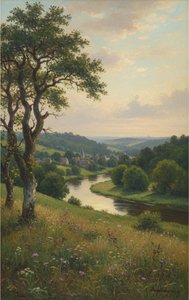
Henri-Joseph Harpignies: Capturing the Poetic Essence of the French Landscape
Explore the serene landscapes of Henri-Joseph Harpignies, a master of the Barbizon School. Discover his atmospheric paintings, recurring themes & enduring legacy in 19th-century French art. Learn more at ArtsDot.

Evocations of Place: A Historical Journey Through Landscape Art
Explore the rich history of landscape art with ArtsDot. Discover renowned artists, movements like Impressionism & Romanticism, and expert guidance for collecting timeless pieces. Find your perfect serene escape today!

Glavna dela koja su definisala Romantični pejzaž: 10 remek-dela za vaš dom
Otkrijte 10 remek-dela romantičnog pejzažnog slikarstva! Uronite u svet Claude Lorraina, Caspara David Friedricha i Turnera. Ispričane priče umetnosti, inspiracija za dekoraciju doma. Kvalitetne reprodukcije na ArtsDot.com – istražite celu kolekciju online!

