

 Pregledaj u prostoru
 Pošalji
 Podeli
 Detalji o delu

 Преузми
 Slični predmeti
 Rendgenski snimak
 Slajdovi
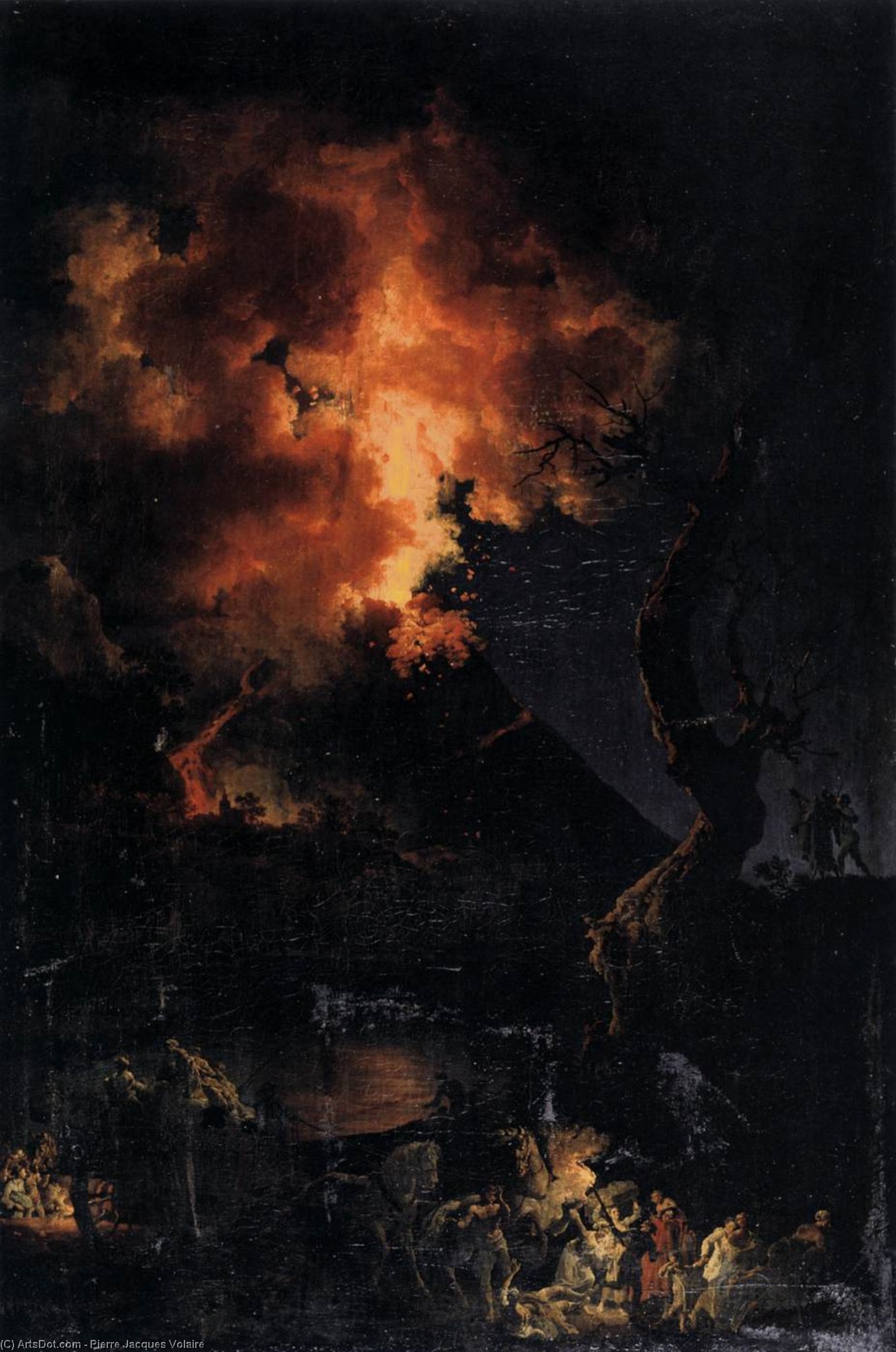
The Eruption of the Vesuvius
 Oil On Canvas
- WallArt
- Romanticism
 1767
1767 169.0 x 75.0 cm
 Louvre
 Pročitaj više
Kupite digitalnu sliku visoke rezolucije i poboljšanog kvaliteta, koja je znatno superiornija od onoga što vidite u online prikazu.
Svaka datoteka je pedantno pripremljena od strane naših stručnjaka koristeći napredne alate i profesionalnu ručnu retušu. Osiguravamo da svaka slika ima izuzetnu oštrinu, preciznu reprodukciju boja i fine detalje.
Konačna datoteka se dostavlja putem e-pošte u roku od 72 sata, optimizovana za neposrednu upotrebu u profesionalnim, izdavačkim i štamparskim okruženjima. To je isti kvalitet kojem veruju vrhunski studiji dizajna, izdavači i galerije.
Digitalna slika
Preuzmite datoteku visoke rezolucije za ličnu upotrebu, štampanje i kreativne projekte. ( Kupi print Kupi ručno naslikanu sliku)
Uključeno uz svaku porudžbinu digitalne slike
Profesionalna digitalna isporuka, zagarantovana
Kada odaberete ArtsDot.com, ne dobijate samo sliku – vi primate profesionalno unapređeno digitalno umetničko delo, izrađeno sa najvećom preciznošću i uz garanciju zadovoljstva. Evo svega što automatski dolazi uz vašu porudžbinu:

Brza dostava putem e-pošte
Vaša digitalna slika visoke rezolucije biće vam poslata putem e-pošte u roku od 72 sata od poručivanja – spremna za trenutnu upotrebu.

Digitalna datoteka unapređena veštačkom inteligencijom
Vaše umetničko delo je profesionalno optimizovano korišćenjem naprednih AI alata i ručne obrade, čime se osiguravaju maksimalni detalji, oštrina i preciznost boja.

Besplatna ponovna isporuka doživotno
Slučajno ste obrisali ili izgubili svoju datoteku? Ne brinite – poslaćemo vam je ponovo u bilo kom trenutku, potpuno besplatno.

Bez troškova uvoza – zauvek
Uživajte u svojim umetničkim delima trenutno, bez carine, dažbina ili troškova dostave – digitalni download je uvek bez poreza.

Garancija vernosti boja
Uz pomoć profesionalnih alata i upravljanja bojama, osiguravamo da vaša digitalna slika što vernije odražava originalne boje.

Garancija zadovoljstva u roku od 60 dana
Ako niste zadovoljni svojom digitalnom slikom, revidirat ćemo je ili vratiti 100% novca u roku od 60 dana – bez ikakvih pitanja.

100% garancija povrata novca
Niste zadovoljni? Obezbedite pun povrat novca u roku od 60 dana od trenutka kada ste primili svoju digitalnu datoteku – bez suvišnih pitanja.

Popusti na velike porudžbine
Kupite 3 slike, uštedite 10% - Kupite 5 slika, uštedite 15% - Kupite 10+ slika, uštedite 20%. Odlično za kreativne projekte, galerije i agencije.
Opis kolekcionarskog dela
A Chronicle of Chaos: The Eruption of the Vesuvius by Pierre-Jacques Volaire
Pierre-Jacques Volaire’s “The Eruption of the Vesuvius,” painted in 1767, isn't merely a depiction of a volcanic disaster; it’s a visceral embodiment of Romanticism’s fascination with untamed nature and the sublime. This monumental canvas transports the viewer directly into the heart of a catastrophic event – the eruption of Mount Vesuvius that forever altered the landscape of Campania and claimed the lives of thousands. More than just a historical record, it's a carefully constructed drama of light, shadow, and human vulnerability against the overwhelming power of geological forces.
The scene unfolds with dramatic intensity. A towering column of incandescent lava dominates the left side of the composition, its fiery tendrils reaching towards a bruised twilight sky. Below, a village – a ghostly echo of Roman life – is consumed by flames and ash, figures rendered small and terrified against the scale of the destruction. The perspective is deliberately flattened, creating an immediate sense of claustrophobia as if we are plunged directly into the inferno. Volaire masterfully utilizes chiaroscuro—the stark contrast between light and dark—to heighten the drama, emphasizing the searing brilliance of the flames while casting deep shadows that suggest both despair and impending doom.
The Painter’s Vision: Romanticism and Volaire's Influence
Volaire’s work is deeply rooted in the artistic currents of his time. He was a student of Claude Joseph Vernet, a leading figure in the development of landscape painting and particularly adept at capturing dramatic natural events. Vernet instilled in Volaire a profound respect for the power of nature and a willingness to depict its destructive forces with unflinching realism. This influence is evident in Volaire’s bold brushstrokes, his dynamic composition, and his skillful use of color to evoke emotion. The painting aligns perfectly with the tenets of Romanticism – an emphasis on subjective experience, emotional intensity, and the glorification of nature's untamed beauty.
The choice of subject matter itself speaks volumes about the era. Following the excavations at Pompeii in the mid-18th century, there was a renewed public interest in ancient Rome and its dramatic demise. Vesuvius, having erupted repeatedly throughout history, became a potent symbol of both destruction and renewal. Volaire’s painting taps into this fascination, offering viewers a glimpse into a world consumed by chaos while simultaneously celebrating the grandeur and terror of nature's power.
Technique and Materials: A Study in Oil
“The Eruption of the Vesuvius” is executed in oil on canvas, showcasing Volaire’s mastery of technique. The artist employs a rich, impasto application of paint in the areas depicting the flames, creating a tactile surface that seems to writhe with heat and energy. Thicker layers of pigment build up volume and texture, drawing the viewer's eye to the focal points of the composition – the erupting volcano and the terrified figures below. The darker tones used for the village buildings and landscape create a sense of depth and recession, while the vibrant oranges and reds of the flames provide a dramatic counterpoint.
The color palette is carefully considered, dominated by deep browns, blacks, and fiery reds, punctuated by flashes of yellow and orange within the volcanic activity. This restrained yet powerful use of color contributes to the painting’s overall mood of drama and intensity. The artist's attention to detail—from the billowing smoke to the expressions of fear on the faces of the villagers—is remarkable, creating a scene that is both visually arresting and emotionally resonant.
Symbolism and Legacy: A Timeless Image
Beyond its immediate depiction of a volcanic eruption, “The Eruption of the Vesuvius” carries profound symbolic weight. The flames represent destruction, chaos, and the destructive forces of nature. The small figures in the foreground embody human vulnerability and helplessness in the face of overwhelming power. The painting serves as a reminder of humanity’s precarious position within the natural world – a humbling experience that evokes both awe and terror.
Reproductions of this iconic artwork continue to captivate audiences today, offering a powerful visual testament to the enduring legacy of Romanticism and Volaire's artistic genius. Whether adorning a grand salon or a more intimate space, “The Eruption of the Vesuvius” remains a compelling reminder of nature’s raw power and the human condition.
Srodna umetnička dela

Biografija umetnika
The Legacy of Pierre Jacques Volaire: A Master of the Sublime
Born in the coastal elegance of Toulon, France, in 1729, Pierre Jacques Volaire was destined for a life steeped in the nuances of visual storytelling. As the son of a distinguished writer and the official city painter of Toulon, his very foundation was built upon the intersection of narrative and imagery. This unique lineage provided him with an early, profound appreciation for the dramatic potential of the canvas, setting the stage for a career that would eventually capture the most terrifying and awe-inspiring spectacles of the natural world. His upbringing in a household where art and intellect converged allowed him to approach landscape painting not merely as a study of scenery, but as a medium for conveying deep, emotional truths.
The trajectory of Volaire’s artistry was irrevocably altered through his transformative apprenticeship under Claude Joseph Vernet. For eight pivotal years, Volaire studied under the guidance of the era's most celebrated marine painter, absorbing the secrets of atmospheric perspective and the delicate interplay of light upon water. From Vernet, he inherited a mastery of tonal gradation and a sophisticated understanding of how to manipulate oil paint to evoke the vastness of the sea. This mentorship did more than refine his technical skill; it instilled in him a lifelong fascination with the maritime atmosphere and the dramatic lighting that would become the hallmark of his mature style.
Capturing the Fiery Majesty of Vesuvius
As Volaire’s reputation grew, his work began to transcend traditional coastal vistas, moving toward the burgeoning ideals of the Romantic movement. He became particularly renowned for his depictions of volcanic eruptions, most notably the cataclysmic power of Mount Vesuvius. These paintings were not merely topographical records but were profound explorations of the sublime—that specific aesthetic quality that evokes a sense of overwhelming awe and existential terror in the face of nature's uncontrollable force. In masterpieces such as “The Eruption of the Vesuvius” (1767), Volaire utilized fiery textures and chaotic compositions to immerse the viewer in the heat and destruction of the volcanic event.
His fascination with these geological spectacles resonated deeply with the 18th-century Grand Tourists. During this era, travelers journeying through Naples sought out works that reflected both the scientific curiosity regarding natural phenomena and a romanticized longing for the ancient world. Volaire’s paintings served as exquisite, high-status souvenirs, capturing the tension between the beauty of the Italian landscape and the violent unpredictability of its volcanic heart. Through his brush, the destruction of the earth was transformed into a captivating spectacle of light, shadow, and motion.
Artistic Mastery and Historical Significance
The enduring significance of Pierre Jacques Volaire lies in his ability to bridge the gap between the disciplined realism of the Enlightenment and the emotional turbulence of Romanticism. His technical prowess allowed him to render the spray of a crashing wave or the glowing embers of a lava flow with remarkable precision, yet it was his artistic vision that gave these scenes their soul. By blending the marine expertise learned from Vernet with his own obsession with the volcanic sublime, he created a body of work that remains a vital testament to the era's shifting aesthetic values.
Volaire’s contributions to the genre of landscape and marine painting can be summarized through several key artistic pillars:
- Technical Precision: A masterful command of oil textures and light, perfected under the tutelage of Claude Joseph Vernet.
- The Aesthetic of the Sublime: The ability to evoke profound emotion by depicting the terrifying grandeur of natural disasters.
- Cultural Resonance: Creating works that functioned as both scientific interest pieces and romanticized souvenirs for the European elite.
- Narrative Landscapes: Moving beyond simple scenery to tell stories of elemental struggle and geological transformation.
Though his life concluded in the late 1790s, Volaire’s impact persists in the way we perceive the power of the natural world through art. His works remain essential windows into an age that was beginning to look upon the chaos of nature not with mere fear, but with a profound, artistic reverence.
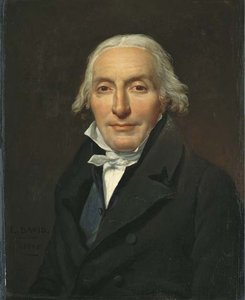
pierre jacques volaire
1729 - 1799

