 Pregledaj u prostoru
 Pošalji
 Podeli
 Detalji o delu

 Преузми
 Slični predmeti
 Rendgenski snimak
 Slajdovi
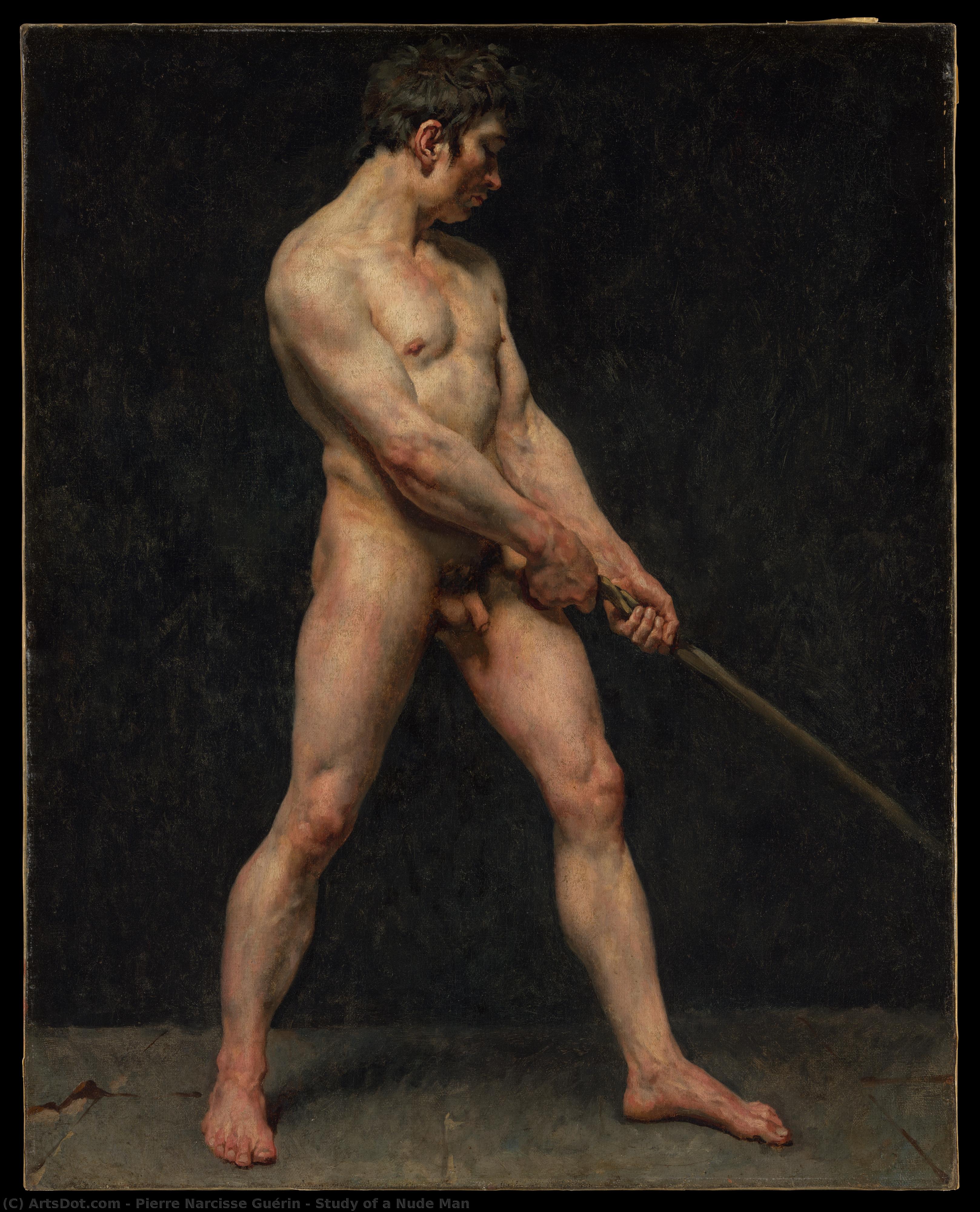
Study of a Nude Man
 Acrylic On Canvas
- WallArt
- Neoclassical
 1810
1810 81.0 x 64.0 cm
 Metropolitan Museum of Art
 Pročitaj više
Ručno rađena uljana reprodukcija
Ručno oslikano uljanim bojama na platnu u dimenzijama i okviru po vašem izboru, izrađeno po porudžbini od strane naših umetnika. ( Kupi print Kupi digitalnu sliku)




P118B $10

P118H $10

P118W $10

P438Z $10

P508JH $12

P508YH $12

P805H $10

P805Z $10

P919BZ $10

P919G $10

P919XJ $10

P959ZH $10

P968JZ $12

W106C $8

W218G $10

W218JH $8

W218Y $10

W307PJ $10

W316G $10

W316PJ $8

W316Y $10

W398PJ $8

W4111J $10

W500HY $15

W500JH $15

W692G $12

W849H $8

W940BG $15

W953PJ $8




Izaberite jednu od naših unapred definisanih veličina koje odgovaraju originalnim proporcijama umetničkog dela.

Можете унети сопствене димензије како бисте прилагодили дело одређеном оквиру или простору. Ако одабрана величина не одговара пропорцијама оригинала, слика ће бити исечена или проширена додатним елементима који се ручно насликавају. Дигитални prikaz ће вам бити послат на одобрење пре почетка производње.
Имајте на уму да преглед на екрану не одражава стварно исецање или проширење. Само приказ (mockup) ће тачно приказати коначну композицију.
Иако су доступне прилагођене величине, препоручујемо да одаберете димензију из дефинисане листе како бисте сачували оригиналне пропорције.
Nakon narudžbine, tim ArtsDot.com će klijentu putem e-pošte poslati uputstva i dostaviti prikaz predloženog rešenja
Isporuka širom sveta () za 3/4 nedelje umesto uobičajenih 5 nedelja. (24 август). Bez kompromisa po pitanju kvaliteta.

Besplatna ekspresna dostava širom sveta

Visokokvalitetno laneno platno

Kompletno osiguranje transporta

Garancija povraćaja carine i uvoznih dažbina

Garancija vernosti boja

Politika povrata u roku od 60 dana (samo u slučaju nedostataka)

Garancija povrata novca od 100%

Popust pri grupnoj kupovini
 Opcija sa staklom dostupna je samo za dimenzije manje od 110 cm

Study of a Nude Man
Tehnika reprodukcije
Dimenzije reprodukcije
-


Konačna cena
$ 263
Opis umetničkog dela
A Study in Quiet Strength: Pierre Narcisse Guérin’s Nude Man
The year is 1810. Paris pulses with the echoes of revolution and the nascent energy of Romanticism, yet within the meticulously ordered studios of artists like Pierre Narcisse Guérin, a different kind of transformation was underway – one rooted in classical tradition but subtly anticipating the emotional intensity to come. Guérin’s “Study of a Nude Man,” a remarkably intimate depiction of a young male figure holding a simple rope or staff, isn't merely a portrait; it’s a distillation of artistic principles and a poignant reflection on the evolving relationship between art, observation, and the human form. The painting possesses an understated power, achieved through a masterful control of light, shadow, and anatomical detail that speaks volumes about Guérin’s training under the influential Jacques Louis David and his own dedication to capturing the essence of the live model.
The subject himself is presented with remarkable composure – not overtly sensual, but imbued with a quiet dignity. He's posed in a half-length format, allowing us ample opportunity to appreciate the musculature of his torso, sculpted with an almost academic precision. The rope or staff he holds isn’t just a prop; it suggests a potential narrative, hinting at a life of labor or perhaps even a symbolic connection to nature – a fisherman hauling his net, as the description notes, but also a figure poised for action, ready to engage with the world. The subtle tension in his stance and the direct gaze he casts towards the viewer invite us into this private moment, fostering a sense of intimacy despite the formal setting.
The Legacy of Guérin and His Artistic Circle
Guérin’s work is inextricably linked to the artistic circles of 18th-century Paris. He was part of a group of artists who benefited from the patronage of influential figures like Jean-Baptiste Greuze, whose own genre scenes explored themes of morality and social commentary. Crucially, Guérin apprenticed under Pierre-Narcisse Guérin himself, a student of Jacques Louis David – a lineage that underscores the painting’s grounding in Neoclassical ideals. This connection to David is significant; David championed a return to classical forms and principles after the perceived excesses of the Rococo period, emphasizing clarity, order, and restraint. Guérin absorbed these lessons, translating them into his own distinctive style.
However, Guérin wasn’t simply a follower of David. He possessed a sensitivity and an ability to imbue his subjects with emotion that distinguished him from his mentor. The “Study of a Nude Man” exemplifies this – it's not a cold, detached depiction of the human body; rather, it conveys a sense of vulnerability and introspection. The painting’s creation involved a collaborative process, as Guérin learned directly from observing live models alongside David and other masters, absorbing their techniques and developing his own approach to capturing the nuances of human expression.
Technique and Composition: A Masterclass in Light and Shadow
The technical execution of “Study of a Nude Man” is remarkably refined. Guérin employs a chiaroscuro technique – a dramatic contrast between light and shadow – that dramatically emphasizes the contours of the figure’s body, highlighting his strength and form. The lighting is carefully considered, creating a sense of depth and volume while simultaneously concealing any unnecessary detail. The brushwork is smooth and controlled, contributing to the painting's overall sense of composure and elegance.
Compositionally, the image is balanced and harmonious. The figure occupies the central space, drawing our attention immediately. The background is deliberately muted, allowing the subject to command the viewer’s gaze. The use of a half-length format further enhances the intimacy of the scene, creating a sense of connection between the artist and his model. It's a testament to Guérin's understanding of how to create a visually compelling image through careful attention to detail and compositional balance.
Symbolism and Emotional Resonance
Beyond its technical merits, “Study of a Nude Man” carries a subtle symbolic weight. The figure’s pose – holding the rope or staff – suggests a connection to labor, perhaps even a hint of melancholy. The painting's creation during the early 19th century, a period marked by social and political upheaval, adds another layer of meaning. It can be interpreted as an exploration of human resilience in the face of adversity, a quiet affirmation of strength amidst uncertainty.
Ultimately, “Study of a Nude Man” is more than just a portrait; it’s a meditation on beauty, vulnerability, and the enduring power of art to capture the essence of the human experience. Its understated elegance and profound emotional resonance continue to captivate viewers today, cementing Guérin's place as a pivotal figure in the transition from Neoclassicism to Romanticism.
Srodna umetnička dela
Biografija umetnika
Most između era: Život i nasleđe Pjera Narsisa Gerina
U veličanstvenoj tapiseriji francuske istorije umetnosti, malo je figura koje tako graciozno otelovljuju delikatni prelaz sa disciplinovane strogosti neoklasicizma na turbulentnu strast romantizma kao Pjer Narsis Gerin. Rođen u Parizu 1774. godine, Gerin je isplivao tokom perioda duboke društvene transformacije, kada su odzivi Francuske revolucije još uvek snažno odjekivali hodnicima Akademije. Kao učenik cenjenog Žan-Batista Regno, rani deo Gerinove karijeste obeležila je trenutna istaknutost; 1996. godine osvojio je jednu od prestižnih grands prix, pobedu koja je signalizirala njegov dolazak kao moćnog talenta sposobnog da oživi takmičarski duh francuskog umetničkog sveta nakon višegodišnje revolucionarne pauze.
Gerinov uspon ka slavi nije bio samo pitanje tehničke veštine, već i duboke emocionalne rezonance. Kada je na Salonu 1799. godine predstavio Povratak Marka Seksta, utisak je bio gotovo električan. Slika, koja je prikazivala rimskog veterana kako se vraća kući razorenoj smrću i političkim prevratima, služila je kao dirljiva alegorija savremenog francuskog iskustva. Kroz ovo delo, Gerin je pokazao nevjerojatnu sposobnost da ispreplete istorijski narativ sa sirovom, ličnom tugom svojih subjekata, efikasno koristeći klasičnu prošlost kao ogledalo haotične sadašnjosti. Ovo majstorstvo drame postalo bi njegov zaštitni znak, donoseći mu javnu priznatost i vodeći ka daljim studijama u Rimu pod vođstvom Žozefa-Benoa Suvea.
Putovanje kroz svetlost i mit
Trajektorija Gerinovog života oblikovana je i umetničkom ambicijom i fizičkom krhkošću. Njegovo vreme u Rimu, iako intelektualno obogaćujuće, prekinuto je lošim zdravljom, što je izazvalo selidbu u Napolj. Upravo je ovde njegova paleta počela da se širi, prihvatajući atmosfersku veličanstvenost pejzaža, kao što se vidi u njegovom komemorativnom radu za grob Aminte. Ovaj period lutanja omogućio mu je da svoje neoklasične osnove prožme novim osećajem svetlosti i senke, što je bio predskazivanje ekspresivnijih stilova koji će uskoro dominirati Evropom.
Po povratku u Pariz, Gerinov repertoar je obuhvatio neke od najočaravajućih mitoloških i istorijskih scena ranog 19. veka. Njegova dela su često sadržala luminozni čiaroscuro koji je oživljavao božanstva, kao u eteričnom delu Morfej i Iris. Bilo da je prikazivao tragičnu sudbinu Dido i Enija ili intenzivnu, herojsku energiju Andromake i Pir, Gerin je posedovao jedinstven dar da mitološkim temama podari ljudsku ranjivost. Njegova sposobnost da uravnoteži idealizovanu lepotu klasične tradicije sa novonastalim osećanjem psihološke dubine učinila ga je miljenikom imperijalnog dvora tokom Napoleonove ere.
Majstorov uticaj i umetnički značaj
Pored njegovih pojedinačnih platna, istorijski značaj Gerina leži u njegovoj ulozi ključnog mentora i stilskog mosta. Stajao je na raskrsnici generacija, pružajući temelj na kojem su giganti romantizma mogli da grade svoje delo. Njegov uticaj se može pratiti kroz dela legendarnih slikara kao što su:
- Ežen Delakro, koji je koristio Gerinove dramatične kompozicije i emocionalni intenzitet kako bi pionirao pokret romantizma.
- Teodor Žeriko, čiji su moćni prikazi ljudske borbe odjekivali narativnom težinom pronađenom u Gerinovim istorijskim slikama.
- Henri Šefer, talentovani učenik koji je nastavio tradiciju rafinirane neoklasične elegancije koju mu je podučio majstor.
Na kraju krajeva, Pjer Narsis Gerin je bio više od običnog slikara lepih scena; bio je umetnik koji je razumeo puls svog doba. Kroz svoje portrete, mitološke alegorije i istorijske epske priče, uspeo je da uhvati tenziju između reda i haosa, stabilnosti i promene. Njegovo nasleđe ostaje utisnuto u prostorima institucija kao što su Luvr i Ermitaž, služeći kao svedočanstvo čoveka koji je mogao da vlada disciplinom starog sveta dok je istovremeno šaptao tajne novog.
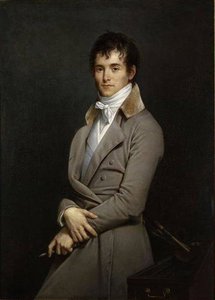
Pjer Narcis Gerin
1774 - 1833 , Francuska
Osnovne informacije
- Artistic Movement Or Style: Neoklasicizam
- Artists Or Movements Influenced By This Artist:
- Delacroix
- Géricault
- Artists Who Influenced This Artist: ['Jean-Baptiste Regnault']
- Date Of Birth: Pariz, Francuska (1774)
- Date Of Death: 1833
- Full Name: Pierre Narcisse Guérin
- Nationality: Francusko
- Notable Artworks:
- Povratak Markusa Seksta
- Morfej i Iris
- Aurora i Kefalus
- Place Of Birth: Pariz
Povezani članci
Leonardo da Vinci: 25 Remek-dela Genija za Vaš Dom | ArtsDot
Istražite 25 remek-dela Leonarda da Vince, od Mona Lize do Poslednje večere. Otkrijte priče iza slika renesanse i inspiraciju za dekoraciju enterijera. Kvalitetne reprodukcije na ArtsDot.com!
The Enduring Allure of the Nude: A Historical & Artistic Exploration of the Human Form
Explore the captivating history of nude art! Discover iconic paintings & artists from classical to modern eras. Uncover symbolism, techniques & find museum-quality reproductions at ArtsDot.
The Eloquent Form: A Historical & Aesthetic Exploration of the Nude in Art
Explore the captivating history of the nude in art! From ancient Greece to modern masters, discover its evolving symbolism, techniques & enduring beauty. Expert insights for collectors and enthusiasts.
Acrylic on Paper: 10 Masterpieces That Redefined Modern Art | ArtsDot
Explore 10 legendary 'Acrylic on Paper' masterpieces by artists like Helen Frankenthaler & Gerhard Richter. Discover abstract expressionism, color field painting & the evolution of modern art. Find museum-quality reproductions for your home at ArtsDot.com.
Ferdinand Delacroix: Romanticism's Revolutionary Brush – A Study of Passion, Politics, and Painterly Innovation
Explore the revolutionary art of Eugène Delacroix, leader of French Romanticism. Discover his masterful use of color, political engagement, and lasting influence on modern painting. Learn about key works & history.