

 Pregledaj u prostoru
 Pošalji
 Podeli
 Detalji o delu

 Преузми
 Slični predmeti
 Rendgenski snimak
 Slajdovi
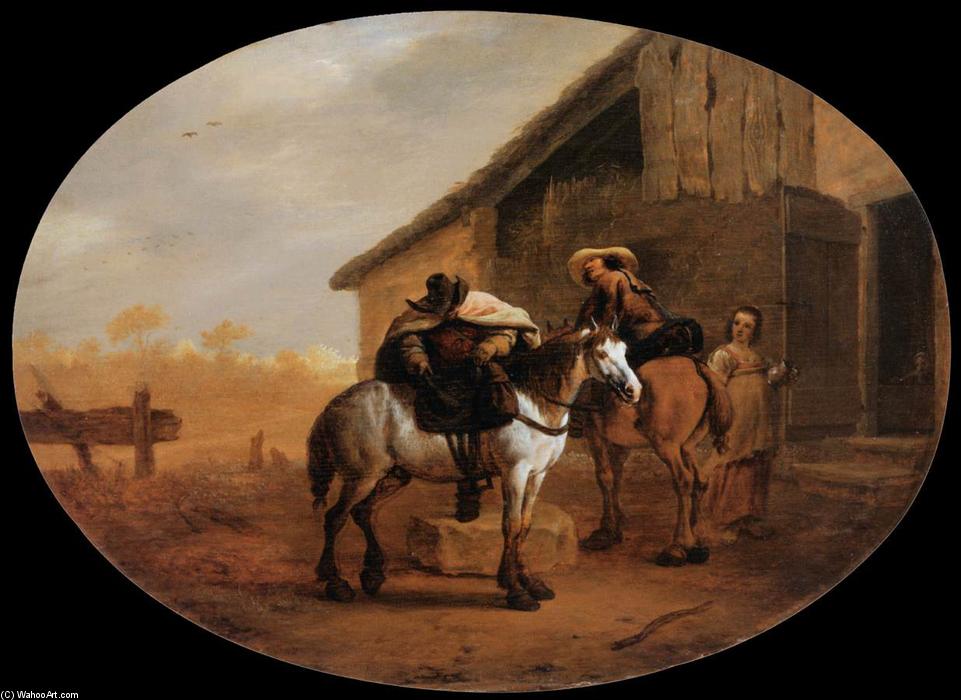
Departure from the Inn
 Oil On Canvas
- WallArt
- Baroque
 1639
1639 32.0 x 43.0 cm
 Louvre
 Pročitaj više
Kupite digitalnu sliku visoke rezolucije i poboljšanog kvaliteta, koja je znatno superiornija od onoga što vidite u online prikazu.
Svaka datoteka je pedantno pripremljena od strane naših stručnjaka koristeći napredne alate i profesionalnu ručnu retušu. Osiguravamo da svaka slika ima izuzetnu oštrinu, preciznu reprodukciju boja i fine detalje.
Konačna datoteka se dostavlja putem e-pošte u roku od 72 sata, optimizovana za neposrednu upotrebu u profesionalnim, izdavačkim i štamparskim okruženjima. To je isti kvalitet kojem veruju vrhunski studiji dizajna, izdavači i galerije.
Digitalna slika
Preuzmite datoteku visoke rezolucije za ličnu upotrebu, štampanje i kreativne projekte. ( Kupi print Kupi ručno naslikanu sliku)
Uključeno uz svaku porudžbinu digitalne slike
Profesionalna digitalna isporuka, zagarantovana
Kada odaberete ArtsDot.com, ne dobijate samo sliku – vi primate profesionalno unapređeno digitalno umetničko delo, izrađeno sa najvećom preciznošću i uz garanciju zadovoljstva. Evo svega što automatski dolazi uz vašu porudžbinu:

Brza dostava putem e-pošte
Vaša digitalna slika visoke rezolucije biće vam poslata putem e-pošte u roku od 72 sata od poručivanja – spremna za trenutnu upotrebu.

Digitalna datoteka unapređena veštačkom inteligencijom
Vaše umetničko delo je profesionalno optimizovano korišćenjem naprednih AI alata i ručne obrade, čime se osiguravaju maksimalni detalji, oštrina i preciznost boja.

Besplatna ponovna isporuka doživotno
Slučajno ste obrisali ili izgubili svoju datoteku? Ne brinite – poslaćemo vam je ponovo u bilo kom trenutku, potpuno besplatno.

Bez troškova uvoza – zauvek
Uživajte u svojim umetničkim delima trenutno, bez carine, dažbina ili troškova dostave – digitalni download je uvek bez poreza.

Garancija vernosti boja
Uz pomoć profesionalnih alata i upravljanja bojama, osiguravamo da vaša digitalna slika što vernije odražava originalne boje.

Garancija zadovoljstva u roku od 60 dana
Ako niste zadovoljni svojom digitalnom slikom, revidirat ćemo je ili vratiti 100% novca u roku od 60 dana – bez ikakvih pitanja.

100% garancija povrata novca
Niste zadovoljni? Obezbedite pun povrat novca u roku od 60 dana od trenutka kada ste primili svoju digitalnu datoteku – bez suvišnih pitanja.

Popusti na velike porudžbine
Kupite 3 slike, uštedite 10% - Kupite 5 slika, uštedite 15% - Kupite 10+ slika, uštedite 20%. Odlično za kreativne projekte, galerije i agencije.
Opis kolekcionarskog dela
Departure from the Inn: A Baroque Window into Dutch Life
Pieter Boddingh van Laer’s “Departure from the Inn,” painted in 1639, is more than just a depiction of a roadside scene; it's a vibrant snapshot of 17th-century Dutch society, imbued with the drama and psychological depth characteristic of the Baroque period. Housed within the hallowed halls of the Musée du Louvre in Paris, this oil on canvas offers a captivating glimpse into a world of travelers, merchants, and the quiet observation of daily life – a world rendered with remarkable skill and emotional resonance.
The painting immediately draws the eye to the central figures: two mounted riders traversing a rustic landscape. One, leading the way in a white horse, exudes confidence and purpose, while his companion, perched on a brown steed, appears slightly more hesitant, perhaps contemplating the journey ahead. To their right, a woman stands poised by what is clearly an inn entrance – a focal point of activity and anticipation. Her posture suggests she’s not merely observing; she's actively engaged in the scene, her gaze hinting at a story yet untold. The building itself, constructed from weathered wood and topped with a thatched roof, speaks to a simpler, more agrarian existence, providing a grounding contrast to the figures’ attire and demeanor.
A Masterclass in Baroque Technique
Van Laer's mastery lies not only in his ability to capture a scene but also in his command of light and shadow – hallmarks of the Baroque style. Notice how the artist employs *chiaroscuro*, dramatically contrasting areas of bright illumination with deep, enveloping darkness. This technique isn’t merely aesthetic; it serves to heighten the emotional impact of the painting, drawing attention to key figures and creating a sense of depth and atmosphere. The muted earth tones – browns, ochres, and greys – dominate the palette, lending an air of realism and grounding the scene in the tangible world. The brushstrokes are visible yet controlled, contributing to the texture and richness of the canvas.
Furthermore, the artist’s attention to detail is remarkable. The folds of the riders' clothing, the texture of the horse’s coats, and even the subtle expressions on their faces all contribute to a sense of immediacy and authenticity. This meticulous approach reflects Van Laer’s commitment to portraying not just appearances but also the inner lives of his subjects.
Historical Context and Artistic Influences
"Departure from the Inn" emerged during a period of significant artistic innovation in the Netherlands, as artists began to move away from the rigid conventions of Mannerism and embrace a more naturalistic style. Van Laer’s work is deeply rooted in the Dutch Golden Age, a time of unprecedented prosperity and cultural flourishing. He was influenced by the realism of Frans Hals, particularly his ability to capture psychological depth in portraits, but also by the burgeoning interest in Roman landscapes and genre scenes that were gaining popularity at the time.
Notably, Van Laer’s work aligns with the “Bamboccianti” style – a movement he pioneered. These paintings depicted everyday life, often featuring peasants, travelers, or musicians, offering a glimpse into the lives of ordinary people. The term "Bamboccio" itself referred to an awkward, slightly comical figure, reflecting the artists’ fascination with portraying humanity in all its imperfect glory.
Symbolism and Emotional Resonance
Beyond its technical brilliance, “Departure from the Inn” is rich in symbolic meaning. The journey depicted represents not just a physical movement but also a metaphorical one – a transition, an adventure, or perhaps even a farewell. The woman by the inn entrance could symbolize hospitality, anticipation, or simply the quiet observation of human drama. The painting’s overall mood is one of understated elegance and contemplative reflection, inviting viewers to pause and consider the complexities of life and the beauty of everyday moments.
Reproductions of this masterpiece offer a unique opportunity to bring this evocative scene into your home or office. ArtsDot meticulously recreates Van Laer’s techniques and color palette, ensuring that you own a faithful representation of this iconic work of art – a window into the vibrant world of 17th-century Dutch life.
Srodna umetnička dela




Biografija umetnika
Pieter van Laer: Bridging Dutch Realism and Italian Sensibility
The story of Pieter van Laer, often known by his evocative nickname Il Bamboccio, is a captivating journey through the heart of the seventeenth-century Baroque era. Born in Haarlem around 1599, Van Laer emerged from a Dutch landscape defined by intense artistic experimentation and humanist ideals. His early years were shaped by the rigorous traditions of the Netherlands, most notably under the tutelage of the legendary master Frans Hals. From Hals, Van Laer inherited a profound appreciation for meticulous realism and a psychological depth that would later allow him to breathe life into the most humble of subjects. While his roots were firmly planted in Dutch soil, his spirit was destined for the sun-drenched landscapes of Italy, where he would eventually forge a stylistic bridge between Northern precision and Mediterranean drama.
As Van Laer traveled south, he became a central figure in the vibrant artistic community of Rome. He was an active member of the Bentvueghels, a spirited association of Flemish and Dutch artists that fostered camaraderie and shared innovation among expatriates. It was during his decade-long residency in Rome that Van Laer achieved his most significant historical milestone: the establishment of the Bamboccianti style. This movement represented a bold departure from the idealized, lofty subjects of traditional academic art. Instead, Van Laer championed a revolutionary approach that found beauty in the unvarnished truth of everyday life, focusing on the rustic, the gritty, and the spontaneous.
The Art of the Everyday: Style and Technique
The essence of the Bamboccianti style lies in its unflinching portrayal of the common man. Van Laer’s canvases are populated by peasants, travelers, and laborers engaged in the rhythmic, often chaotic activities of rural existence. He drew profound inspiration from the dramatic realism of Caravaggio, utilizing chiaroscical techniques to create a sense of palpable volume and tension. By masterfully contrasting deep, enveloping shadows with sudden bursts of brilliant light, he imbued even the simplest roadside scene with a sense of theatrical importance.
His technical prowess is perhaps most evident in his ability to manipulate atmosphere and texture. Whether painting a sweeping landscape or an intimate genre scene, Van Laer possessed a unique gift for capturing the ephemeral qualities of light. Consider the following hallmarks of his mature work:
- Dynamic Compositions: His scenes often feature a sense of movement, where figures seem caught in a fleeting moment of action or quiet contemplation.
- Vibrant Color Palettes: While often utilizing earthy tones to ground his subjects in reality, he frequently introduced striking contrasts to guide the viewer's eye through the narrative.
- Narrative Depth: Beyond mere depiction, works like Departure from the Inn use subtle gestures and postures to suggest complex psychological states, such as anticipation or hesitation.
- Animalistic Detail: His skill extended to the natural world, where his animal paintings showcased a keen observational eye for the anatomy and spirit of his subjects.
Legacy and Historical Significance
Though his life was relatively short, ending around 1642, Pieter van Laer left an indelible mark on the trajectory of European art. By legitimizing the depiction of "low" subject matter through high-level technical execution, he challenged the hierarchies of the art world and paved the way for future generations of genre painters. His influence resonated far beyond the borders of the Netherlands, impacting the development of Italian landscape and genre painting by introducing a Northern sensibility for detail and a Southern passion for light.
Today, his masterpieces reside in some of the world's most prestigious institutions, such as the Musée du Louvre in Paris and the Alte Pinakothek in Munich. Works like The Herdsmen and The Flagellants serve as enduring windows into a bygone era, reminding us of his unparalleled ability to find the extraordinary within the ordinary. Van Laer remains a pivotal figure whose work continues to captivate audiences with its profound humanity and its timeless celebration of life's simplest, most authentic moments.
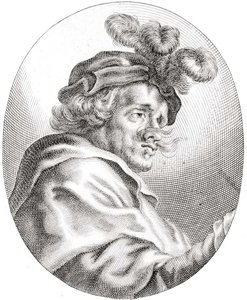
pieter boddingh van laer
1599 - 1642
Kratke činjenice
- Artistic Movement Or Style: Bamboccianti
- Artists Who Influenced This Artist:
- Rembrandt van Rijn
- Jan Steen
- Date Of Birth: 1599
- Date Of Death: c. 1642
- Full Name: Pieter Boddingh van Laer
- Nationality: Dutch
- Notable Artworks:
- Departure from the Inn
- The Herdsmen
- Bentvueghels in a Roman Tavern
- Place Of Birth: Amsterdam, Netherlands

